admin
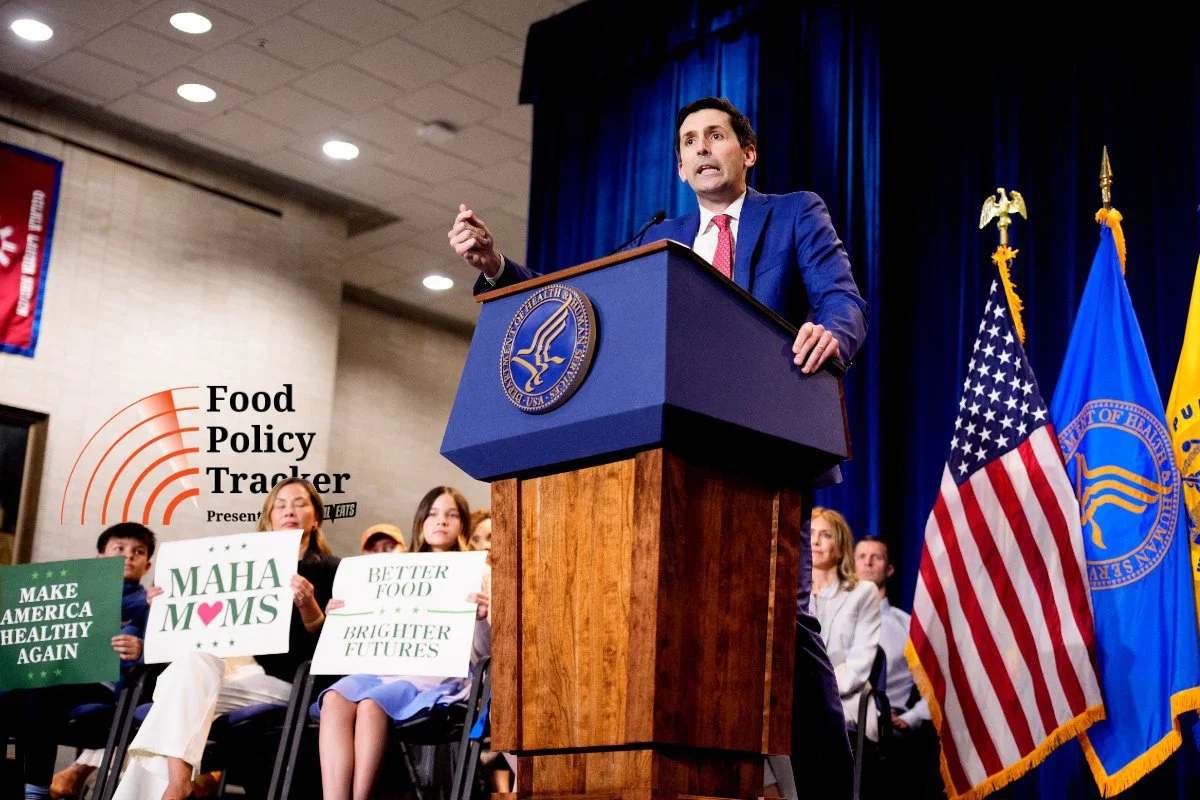
Washington, D.C. – Calley Means, a pivotal figure in the Trump administration’s ambitious nutrition and public health agenda and a vocal proponent of the "Make America Healthy Again" (MAHA) movement, publicly announced his resignation today, October 22, 2026. The departure of Means, a top food and health adviser and a key ally to Health Secretary Robert F. Kennedy Jr., sends ripples through an administration already bracing for critical midterm elections less than two weeks away, where the MAHA movement’s steadfast support for President Trump is facing unprecedented scrutiny.
The news of Means’ exit, first reported by The Wall Street Journal, marks a significant moment for the administration’s health initiatives and the broader MAHA coalition. Means, known for his direct and often provocative advocacy against what he termed "entrenched, dark forces in D.C. that profit from Americans getting sick," confirmed his resignation in a social media post. In his statement, he expressed "tremendous respect" for both President Donald Trump and Secretary Kennedy, asserting that "More policy and cultural change has happened around these goals in the past 2 years than any time in history—and I know this movement is just getting started." While appreciative, his departure highlights potential fractures within the very movement he helped to galvanize.
The Genesis of "Make America Healthy Again" and Means’ Ascendancy
The "Make America Healthy Again" (MAHA) movement emerged as a powerful force during the lead-up to the 2024 presidential election, coalescing around a platform that emphasized radical reform of American dietary habits, a crackdown on processed foods, and a challenge to pharmaceutical and industrial food lobbies. Its core philosophy posited that systemic health issues like obesity, diabetes, and chronic illness were not merely individual failures but the direct result of a corrupt food system and medical establishment.
Calley Means quickly became a central architect of this vision. A former consultant and author, Means gained prominence through his critiques of conventional health advice and his advocacy for dietary changes focusing on whole, unprocessed foods. His influence within the political sphere grew exponentially, culminating in his instrumental role in connecting Robert F. Kennedy Jr. with then-candidate Donald Trump. This alliance proved strategic, as Kennedy’s long-standing skepticism towards pharmaceutical companies and his focus on environmental health resonated deeply with Trump’s populist appeal and his own stated desire to disrupt established norms.
Following Trump’s election, Means ascended to a senior advisory role, serving concurrently in the White House and the Department of Health and Human Services (HHS). His position granted him a direct line to policy-making, allowing him to shape and advocate for initiatives that aligned with the MAHA agenda. He became a public face of the administration’s health efforts, frequently appearing in media to champion their goals and challenge critics.
A Sweeping Agenda: Policies Championed by Means
During his tenure, Means was a driving force behind several high-profile, and often contentious, policy initiatives aimed at reshaping America’s health landscape. These included:

Reforming the Dietary Guidelines for Americans
One of the most significant endeavors was the administration’s push to update the Dietary Guidelines for Americans. Means was a vocal supporter of changes that, according to Civil Eats’ earlier reporting, emphasized animal protein and dairy, a move that stirred considerable debate among nutritionists and public health organizations. Critics argued that these revised guidelines, released in January 2026, veered away from consensus-based science favoring plant-based diets and potentially served agricultural industry interests over public health. Means, however, contended that the previous guidelines were influenced by entrenched food industry lobbies promoting carbohydrate-heavy, processed options, and that the new emphasis aimed to restore a more "natural" and protein-rich diet. The updated guidelines sparked a national conversation about the role of federal dietary advice and its potential impact on everything from school lunches to individual consumer choices.
Phasing Out Artificial Food Dyes
Means also championed the FDA’s plan, announced in April 2025, to eliminate artificial food dyes by the end of 2026. This initiative stemmed from growing concerns, often highlighted by MAHA, about the potential links between synthetic food colorings and behavioral issues in children, as well as other health concerns. While the European Union had long mandated warning labels or banned several of these dyes, the U.S. had been slower to act. Means and his allies argued that removing these additives was a crucial step towards cleaner food supply. The FDA’s proposed timeline created a scramble for food manufacturers, many of whom began reformulating products to use natural colorings, a process that incurred significant costs and presented logistical challenges for the multi-billion-dollar industry. Public health advocates largely lauded the move, while some industry groups warned of consumer confusion and higher product costs.
Restricting SNAP Purchases and the "Healthy Food" Debate
Perhaps the most controversial policy Means advocated for involved restricting soda and other "unhealthy" purchases under the Supplemental Nutrition Assistance Program (SNAP). The premise was to steer low-income families towards more nutritious food options, aligning with the MAHA philosophy of promoting healthier eating across all demographics. However, this initiative faced immediate and strong opposition. Anti-hunger organizations and civil rights groups argued that such restrictions were paternalistic, difficult to implement, and disproportionately impacted vulnerable populations already struggling with food insecurity.
A federal judge blocked some of the administration’s initial SNAP food restriction policies in June 2026, citing concerns over beneficiary autonomy and the practical difficulties of enforcement. Despite this legal setback, several states proceeded with implementing their own versions of the restrictions, leading to widespread "confusion and more chaos," as Civil Eats reported in February 2026. Data from the USDA indicated a 7% drop in SNAP participation across these states in the months following implementation, though whether this was due to the restrictions or other factors remained a point of contention. Opponents argued that the policies created barriers to access without addressing the root causes of poor nutrition, while proponents insisted they were necessary to combat diet-related diseases.
Cracks in the Coalition: MAHA’s Disillusionment
Despite Means’ relentless efforts, the synergy between the MAHA movement and the Trump administration began to fray as the midterm elections approached. The initial enthusiasm for a shared vision gave way to growing frustration among MAHA supporters who felt the administration was not moving fast enough or boldly enough on key priorities.
Earlier this month, this discontent materialized in a highly public manner with the release of a "MAHA Scorecard" by prominent figures within the movement. The scorecard, accessible online, delivered a scathing assessment, claiming that the Trump administration had broken more than 85 percent of its promises to the movement on critical issues spanning food, agriculture, and environmental health. Specific examples cited included a lack of progress on comprehensive agricultural subsidy reform, the continued use of certain pesticides, and insufficient action on water quality, all core tenets of the broader MAHA platform beyond just individual dietary choices.
This internal critique signaled a profound challenge to the administration’s narrative of progress and put immense pressure on figures like Means, who had consistently defended the White House’s commitment to MAHA ideals. The scorecard underscored a perceived betrayal by powerful corporate interests, a theme that would soon be echoed in the wake of Means’ resignation.

The Immediate Catalyst: The Ultra-Processed Food Stalemate
While Means’ social media statement maintained a respectful tone, sources close to the administration and reports from outlets like POLITICO suggest a more immediate catalyst for his departure: a stalled initiative concerning ultra-processed foods (UPFs).
A highly anticipated meeting with the White House, scheduled for this week, to discuss crafting a federal definition of ultra-processed foods, was reportedly delayed indefinitely. For the MAHA movement, a clear, federal definition of UPFs was paramount. Scientific consensus has increasingly linked the consumption of these industrial formulations—high in sugar, unhealthy fats, and artificial additives—to a range of chronic diseases. A federal definition would pave the way for stricter labeling requirements, potential taxes, and even regulatory restrictions, fundamentally altering the food landscape. The delay of such a crucial meeting, particularly after the MAHA scorecard had already highlighted the administration’s inaction on this front, likely served as a breaking point for Means. It reinforced the perception that powerful lobbying efforts from the food industry were successfully stonewalling progress, even on issues with growing scientific support.
Reactions and Implications
The resignation of Calley Means has elicited strong reactions from various quarters, highlighting the complex political landscape surrounding food and health policy.
From MAHA Allies: Alex Clark, another prominent voice within the MAHA movement, swiftly reacted to Means’ departure, calling it a "major blow" for their cause. In a social media post, Clark attributed the decision to "corporate interference in the White House that may have prevented more action on MAHA priorities." She lamented, "We have very few left with integrity in the White House," a statement that underscores the deep-seated frustration and the belief among some MAHA supporters that powerful corporate interests have infiltrated and compromised the administration’s health agenda. This sentiment of corporate capture has long been a rallying cry for the movement, and Means’ resignation appears to confirm their suspicions.
From the Administration: Agriculture Secretary Brooke Rollins, speaking during a press call shortly after the news broke, adopted a diplomatic tone. While acknowledging that she and Means "did not agree on everything," Rollins stated that Means had been a "strong partner" at the agency. This nuanced statement suggests that while Means was a significant voice for the MAHA agenda, his departure might also alleviate some internal policy tensions, particularly in areas where USDA’s traditional agricultural interests might have clashed with MAHA’s reformist impulses. For example, while Means advocated for dietary guidelines emphasizing animal protein and dairy, the USDA also has a broad mandate that includes supporting a diverse agricultural sector, not all of which aligns perfectly with MAHA’s more restrictive dietary recommendations.
From Public Health Experts: Many public health experts, while often critical of some of Means’ more aggressive or less evidence-based policy stances, acknowledged his unique ability to elevate nutrition discussions to the highest levels of government. Dr. Evelyn Reed, a public health policy analyst at the Global Health Institute, commented, "Means, for all his controversial positions, managed to inject the conversation about diet and chronic disease into the national political discourse in a way few others have. His departure leaves a void, whether for better or worse, in terms of high-level advocacy for dietary reform within the administration." Others, however, expressed cautious optimism that his exit might allow for a more evidence-based, less ideologically driven approach to food policy.
From the Food Industry: While no official statements were immediately released, industry observers anticipate a quiet sense of relief among segments of the food and beverage industry that had been targeted by Means’ and MAHA’s reform efforts. Companies producing artificial dyes, sugary beverages, and ultra-processed foods had faced increasing regulatory pressure and public scrutiny, largely driven by Means’ advocacy. His departure could signal a temporary reprieve or a shift in the intensity of federal oversight.

Broader Political Context: Midterm Elections and the Future of MAHA
Calley Means’ resignation comes at a politically precarious moment for the Trump administration, just days before the midterm elections. The MAHA movement, which represents a passionate and often highly engaged segment of the conservative electorate, was expected to be a significant force in mobilizing voters. However, the MAHA scorecard and now Means’ departure could dampen that enthusiasm.
The implications for the Trump administration’s health agenda are substantial. Means was not merely an adviser; he was an ideological champion and a bridge between the administration and a powerful grassroots movement. His exit leaves a significant vacuum in terms of internal advocacy for MAHA priorities. It remains unclear whether Secretary Kennedy or President Trump will appoint a successor with similar zeal or if the administration’s focus on health reform will pivot or diminish.
For the MAHA movement itself, Means’ resignation presents a critical juncture. Will it galvanize their base to demand more action from the administration, or will it lead to disillusionment and a splintering of support? The "corporate interference" narrative, amplified by Clark, could push MAHA to become an even more vocal external critic, potentially impacting voter turnout and the administration’s credibility on health issues. The midterms will serve as an immediate barometer of how this internal strife within the health reform movement translates into electoral consequences. If MAHA voters feel their concerns are being ignored, it could depress turnout in key races, adding another layer of complexity to an already unpredictable political season.
The departure of Calley Means is more than just a personnel change; it is a symbolic moment that reflects the inherent tensions between populist health reform movements and the realities of governing within a system often influenced by powerful economic interests. As the nation heads to the polls, the future of the "Make America Healthy Again" agenda, and the very health of its alliance with the Trump administration, hangs in the balance.