admin
Brinker International’s flagship brand, Chili’s Grill & Bar, has reported a significant surge in its fiscal first-quarter performance, marking its 22nd consecutive period of same-store sales growth. The casual dining giant posted a 10.1 percent increase in same-store sales at company-owned units, a figure that underscores a broader three-year trajectory of sustained expansion. This performance is particularly notable as it comes during a period of macroeconomic volatility and shifting consumer discretionary spending. According to data from Black Box Intelligence, Chili’s has now outperformed the casual dining category for 12 consecutive periods, exceeding the industry average by 750 basis points in the most recent quarter.
The brand’s success is not merely a product of price inflation but is heavily supported by robust traffic gains. Chili’s reported a 6.4 percent increase in guest traffic for the quarter. When viewed on a multi-year basis, the brand’s momentum becomes even more apparent: the two-year traffic stack stands at 19.5 percent, while the three-year view shows a cumulative traffic increase of 28 percent. This sustained growth has propelled average unit volumes (AUV) from approximately $3 million to $5 million since the implementation of the brand’s current turnaround strategy.
The Strategic Shift: From Viral Moments to Operational Fundamentals
While many restaurant chains rely on short-term limited-time offers (LTOs) or viral marketing campaigns to drive temporary spikes in interest, Chili’s leadership attributes its success to a "back-to-basics" approach. Chief Executive Officer Kevin Hochman, who joined Brinker from Yum! Brands in 2022, has steered the company toward a strategy focused on everyday value and operational consistency. Hochman noted during the recent earnings call that while the brand has enjoyed "culture pops"—such as the success of the July "Margarita of the Month" and collaborations with lifestyle brands like Rhoback—the primary driver of retention is the in-restaurant experience.
The company has invested more than $100 million in facility improvements and has renovated approximately 60 percent of its menu. However, the core of the strategy remains the conversion of new guests into regular customers. The brand’s "marketing brings them in, operations brings them back" philosophy has been validated by internal "token data," which tracks the frequency of monthly cohorts. While specific repeat-customer data for the first quarter is still being finalized, current guest metrics suggest that the brand is successfully maintaining the loyalty of the 3 million to 3.5 million new diners it has recruited over recent months.
High-Impact Menu Innovation and the Value Proposition
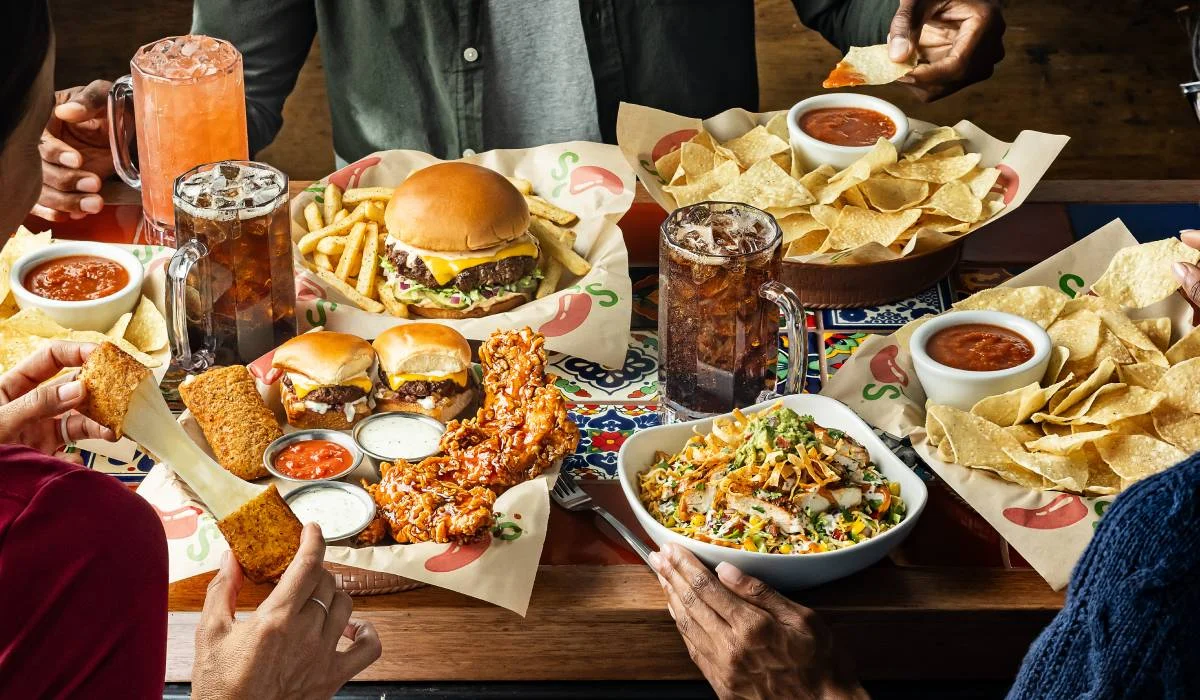
A cornerstone of Chili’s recent growth is the "Better Than Fast Food" campaign, which directly positions the brand against quick-service restaurant (QSR) competitors. As fast-food prices have climbed, Chili’s has capitalized on the narrowing price gap by offering more substantial meals at competitive price points. The "Big Crispy" chicken sandwich, priced at $10.99 as part of a complete meal, has emerged as a primary driver of incremental traffic.
Prior to the current marketing push, Chili’s locations sold an average of 20 chicken sandwiches per day. Following the launch of six different variations and a concerted advertising effort, that number has risen to 55 per day. This represents a 175 percent increase in the category for the brand. The success of the "Big Crispy" is complemented by the "3 for Me" value platform, which continues to account for 20 to 21 percent of the brand’s sales mix.

In addition to the chicken sandwich success, Chili’s has upgraded several lower-mixing menu items to improve overall food quality. These enhancements include the introduction of Blue Bell ice cream, the addition of sausage as a protein option in pasta dishes, and the return of cheesecake to the dessert menu. The "Kids Pepper Pals" menu was also redesigned to include more appealing options such as ice cream floats and Mini Molten cakes, aimed at strengthening the brand’s appeal to families.
Operational Refinement and the "North of 6" Initiative
To manage the influx of new traffic without sacrificing service quality, Chili’s has implemented a series of operational initiatives under the "North of 6" banner. This program identifies best practices from high-performing restaurants—those generating more than $6 million in AUV—and scales them across the system.
One of the most significant changes involves the management of the host stand, which leadership now views as a critical point of sale. The brand has reestablished talent standards for the host role and increased staffing levels, with some high-volume locations now employing three or four hosts simultaneously. The brand has introduced the "Aces in Places" model, which defines three distinct host roles: the "greeter" (who welcomes guests), the "seater" (who guides them to tables), and the "meter" (who manages the flow and waitlist).
Furthermore, the brand is aggressively tackling the issue of "false waits"—a common industry problem where restaurants quote long wait times despite having open tables, often due to a lack of server capacity or poor coordination. By retraining managers on iPad service software and ensuring leaders are present on the floor during peak times, Chili’s aims to eliminate false waits entirely. The company also plans to roll out a new handheld interface for team members by the end of the calendar year, which is expected to reduce the tasks required to input a table order by more than 50 percent, thereby improving throughput and reducing ticket times.
Financial Performance and Economic Resilience
Despite the positive results, Brinker International’s leadership remains cautious regarding the broader economic landscape. CFO Mika Ware noted that the brand has seen some "mix slippage," with guests managing their checks by reducing spending on alcohol and desserts. However, the increase in overall guest traffic has more than offset these pressures.
Chili’s has demonstrated a unique resilience to the discretionary spending crunch affecting many of its peers. The brand’s Google score reached an all-time high of 4.3 during the quarter, suggesting that the investments in food quality and service are resonating with consumers. The company’s focus on price certainty—providing a large, high-quality meal for a fixed price—has positioned it as a "safe bet" for consumers who are dining out less frequently but demand higher value when they do.
To further bolster its financial position, the company has modified its General Manager (GM) bonus structure. It removed "GWAP" (Guest Complaints) as a direct bonus metric, choosing instead to focus on the fundamental behaviors that prevent complaints from occurring in the first place. This shift is intended to reduce administrative friction for managers, allowing them to focus more on direct restaurant operations and employee mentorship.
Future Outlook: Remodels and Geographic Expansion
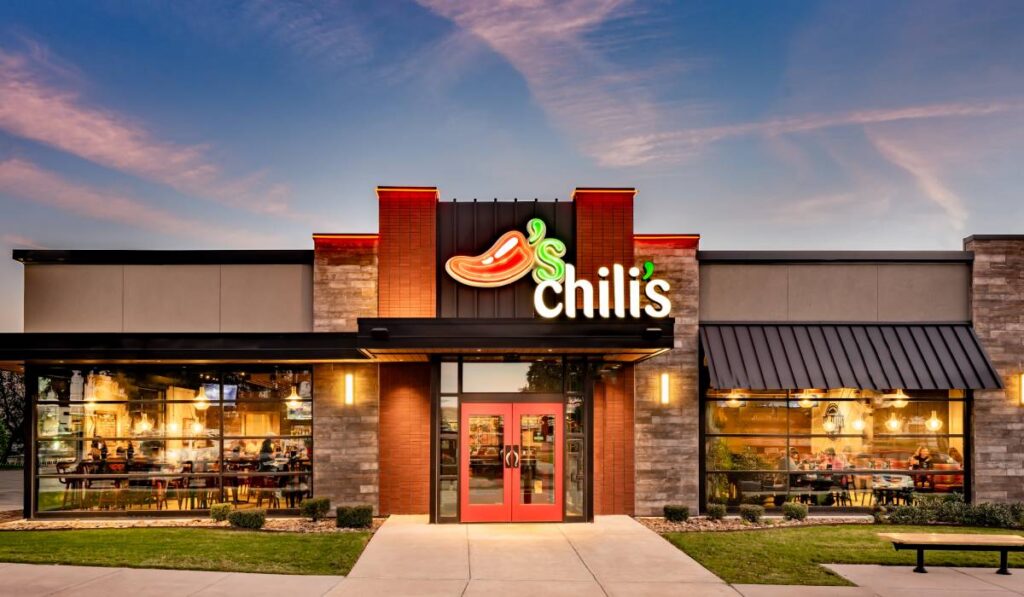
Looking ahead, Chili’s is embarking on a comprehensive reimage program to modernize its physical footprint. The brand has completed 20 remodels to date, with another 13 currently under construction. For fiscal 2027, the company plans to remodel between 60 and 80 locations, with a long-term goal of upgrading 10 percent of its fleet annually. Each remodel is estimated to cost between $500,000 and $600,000, with an expected sales lift of 3 to 5 percent per unit.
In addition to physical upgrades, Brinker International has outlined an ambitious plan for unit growth. The company is targeting a 2 to 3 percent annual increase in its store count by fiscal 2029. With more than 300 potential trade areas identified, the brand sees significant opportunities for expansion in underpenetrated markets such as Washington state and the Pacific Northwest. It also plans to "infill" existing strongholds like Texas and Florida and pursue a "small-town strategy" in high-growth regions like the Carolinas.
As of the end of the first quarter, Brinker International operates a total of 1,630 locations, including 51 Maggiano’s Little Italy restaurants. While domestic growth in the immediate term remains modest, the brand’s international pipeline is robust, with 25 to 30 international openings projected for the coming year.
Analysis of Industry Implications
The performance of Chili’s serves as a case study for the casual dining sector’s ability to compete with both fast food and premium dining. By focusing on the "middle ground"—offering a sit-down experience at a price point comparable to a "premium" QSR meal—Chili’s has carved out a defensive position in a cooling economy.
The brand’s success suggests that the "value wars" in the restaurant industry are no longer confined to the drive-thru. As consumers become more discerning, the winners in the space will likely be those who can marry digital-era marketing—characterized by social media relevance and "viral" food aesthetics—with traditional operational excellence. Chili’s ability to maintain double-digit growth on top of high previous-year comparisons provides evidence that its strategy is not a temporary surge, but a sustainable evolution of the brand. For the broader casual dining industry, the "Chili’s model" emphasizes that while marketing can spark interest, the long-term viability of a brand depends on the "boring" fundamentals: consistent food, efficient service, and a physical environment that justifies the guest’s time and money.