admin
The craft beer industry, which underwent a massive transformation during the late 20th-century boom of the 1980s and 1990s, has historically been defined by a cycle of innovation followed by market saturation. As the number of independent breweries in the United States grew from fewer than 100 in the early 1980s to over 9,000 by the early 2020s, the pressure to differentiate products has intensified. This competitive landscape has birthed a variety of sub-genres, but few have been as polarizing or as commercially successful as the "smoothie sour." This style, characterized by its thick viscosity, heavy fruit purée content, and dessert-like adjuncts, represents a significant departure from traditional brewing Reinheitsgebot purity laws, signaling a broader shift toward culinary-inspired beverages.
The emergence of the smoothie sour was not an overnight phenomenon but rather a calculated progression from established European styles. It began with the resurgence of the Berliner Weisse and the Gose—traditional German sour ales known for their tartness and salinity. In the mid-2010s, American craft brewers began "dry-fruiting" these styles, adding raspberries, cherries, or tropical fruits to provide a balanced acidity. However, as consumer palates shifted toward sweeter and more experimental profiles, brewers began to push the boundaries of what could be classified as "beer," eventually arriving at the unpasteurized, fruit-heavy concoctions now dominating high-end bottle shops.
The Pioneers of the Thick-Pour Movement
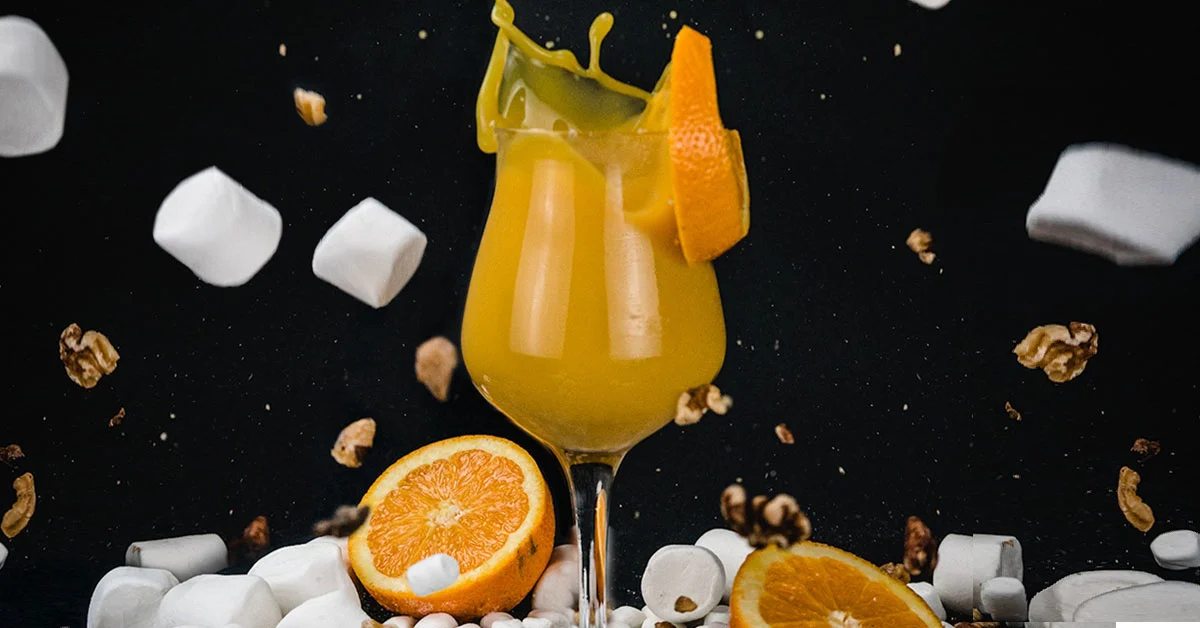
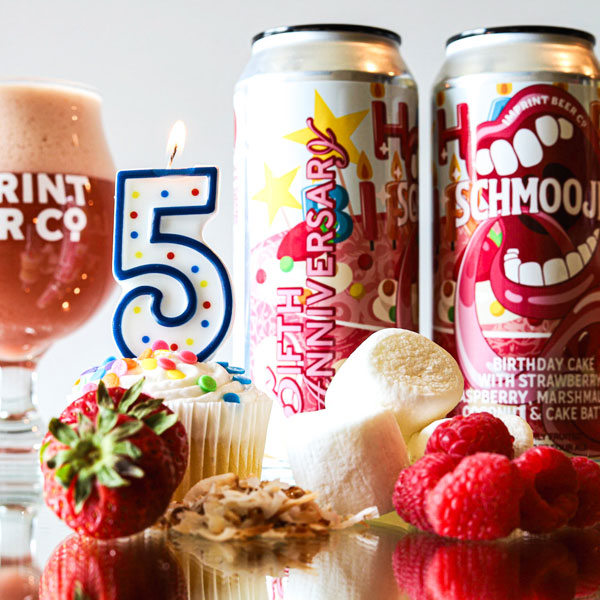
One of the foundational entities in the smoothie sour movement is the Imprint Beer Company, located in Hatfield, Pennsylvania. Co-founder and brewer Ryan Diehl identifies a specific turning point in the brewery’s history—an event he describes as their "coming out party"—where the potential for the style was first realized. While the brewery had established a reputation for diverse offerings, the introduction of a beer called "Puffsicle" changed their trajectory. Brewed with a combination of raspberry, blueberry, pineapple, and marshmallow, the beer offered a texture and flavor profile that more closely resembled a fruit smoothie than a traditional ale.
The overwhelming consumer response led to the development of the "Schmoojee" line, which has since become a benchmark for the style. The production process for these beers is notably distinct from standard brewing. After a base sour is brewed and fermented over an eight-to-eleven-day period, a massive volume of unfermented fruit purée and adjuncts—ranging from cheesecake and white chocolate to fudge and vanilla waffles—is added. This method creates a "liquid dessert" experience that has fostered a dedicated cult following, with limited releases often selling out within minutes.
Strategic Pivots and the Rise of "Liquid Candy"
In the Southern United States, the adoption of the smoothie sour was driven by a need for brand reinvention. 903 Brewers, based in Dallas, Texas, had been operating for six years before they recognized a shift in consumer behavior. Owner and founder Jeremy Roberts observed that a growing segment of the population was moving away from traditional beer in favor of ready-to-go cocktails and sweeter alternatives. To capture this "non-beer drinker" demographic, the brewery released a cherry limeade sour inspired by popular drive-in soda flavors.
The success of this initial experiment led to the creation of the "Slushy" line, which utilized ingredients like vanilla ice cream, edible glitter, and even donuts. This trend highlights a broader industry movement: the "gamification" of beer flavors. By creating products like the "Ice Cream Truck Slushy" or the "Cotton Candy Slushy," 903 Brewers successfully lowered the barrier to entry for consumers who found the bitterness of IPAs or the roasted notes of stouts unappealing.
Similarly, Oozlefinch Beers & Blending in Fort Monroe, Virginia, sought to solve a technical problem regarding flavor retention. Founder and CEO Russ Tinsley noted that while traditional fruited sours were popular, they often lost their sweetness during the fermentation process as yeast consumed the natural sugars. By introducing "A Very Thirsty Caterpillar"—a beer heavily conditioned on vanilla and lactose—the brewery found a way to maintain a persistent sweetness. Head brewer Logan Morris refers to these creations as "Kool-Aid for adults," though he emphasizes that the process is highly intentional. Oozlefinch utilizes specific yeast strains that produce high levels of lactic acid and even incorporates activated charcoal as a thickening agent to achieve the desired mouthfeel.
Technical Innovations and Safety Standards
The production of smoothie sours presents unique technical challenges, particularly regarding shelf stability and safety. Because these beers often contain high amounts of unfermented fruit sugars, there is a significant risk of secondary fermentation occurring inside the can. If left unaddressed, this can lead to "exploding cans," a phenomenon that has plagued some smaller, less experienced breweries.
To combat this, leading producers like Oozlefinch and Corporate Ladder Brewing in Palmetto, Florida, have invested in pasteurization technology. By heating the beer to a specific temperature after the fruit has been added, brewers can neutralize any remaining yeast, ensuring that the sugar remains sweet and the cans remain stable.
Corporate Ladder Brewing, founded by Blake Kleppe with the later addition of James Herrholz, focuses on the "sensory experience" of the style. Their "Dessert Station" line utilizes a process known as "back-sweetening," where flavors are added after the primary fermentation is complete. Their offerings, such as the "Pumpkin Pie A La Mode" (brewed with pumpkin, vanilla ice cream, and spices) or "Intangible" (a creamsicle-inspired beer), are designed to mimic specific culinary memories. According to Herrholz, the goal is for the liquid to be indistinguishable from the food item that inspired it, a feat that requires rigorous ingredient sourcing and flavor matching.
Market Analysis and Consumer Demographics
The rise of the smoothie sour is reflective of a larger "beyond beer" trend identified by the Brewers Association. As Gen Z and younger Millennials enter the legal drinking age, their preferences are notably different from the "hop-heads" of the early 2000s. Data suggests a preference for flavor-forward, colorful, and highly "Instagrammable" beverages. The smoothie sour, with its vibrant hues and thick, opaque appearance, fits perfectly into the visual culture of modern social media.
Furthermore, these beers have created a "halo effect" for breweries. While a purist might enter a taproom for a traditional pilsner, they may bring a partner or friend who previously avoided breweries. The smoothie sour acts as a gateway, offering a familiar, fruit-forward profile that bridges the gap between the world of soda/cocktails and the world of craft beer.
The Collaborative Brotherhood of the "Thick Pour"
Despite the competitive nature of the industry, the breweries specializing in this niche have formed a tight-knit community. This "brotherhood/sisterhood" is characterized by frequent collaborations and the sharing of technical secrets regarding fruit sourcing and pasteurization. Notable names in this circle include Drekker Brewing Company (North Dakota), Mortalis Brewing Company (New York), Burley Oak Brewery (Maryland), 450 North Brewing Company (Indiana), and The Answer Brewpub (Virginia).
These collaborations often result in "hype releases" that draw collectors from across state lines. The communal aspect of the smoothie sour scene has helped it transition from a passing fad into a permanent fixture of the craft beer landscape. While critics argue that these beverages should not be classified as "beer" due to their low hop profile and high adjunct content, the brewers remains undeterred. The prevailing sentiment among owners like Blake Kleppe is that if the consumer enjoys the experience, the technical classification is secondary.
Conclusion and Future Implications
The smoothie sour represents the logical conclusion of the "culinary beer" movement. By prioritizing flavor, texture, and nostalgia over traditional brewing constraints, these breweries have successfully expanded the definition of craft beer. As the style continues to evolve, the focus will likely shift toward even more complex flavor combinations and increased shelf stability through advanced pasteurization techniques.
For the craft beer industry, the success of the smoothie sour serves as a reminder that innovation is often driven by a willingness to ignore tradition in favor of consumer demand. Whether it is a "Blueberry Vanilla Waffle" sour or a "Laffy Taffy" inspired ale, these beers have proven that there is a massive market for "liquid for everyone." As long as brewers continue to tinker with the "proverbial wall" of ingredients, the smoothie sour will remain a vibrant, albeit unconventional, pillar of the American craft brewing scene.