admin
The traditional image of the brewery as a siloed production facility—a place where raw materials enter one end and kegs exit the other—is undergoing a profound transformation. As the global craft beer market reaches a point of high saturation and faces mounting economic headwinds, brewery owners are looking beyond the taproom to ensure long-term viability. This evolution is manifesting in two distinct but related trends: the rise of collaborative, communal brewing spaces and the pivot toward "fermentoria," where beer is merely one component of a broader portfolio of fermented beverages. These shifts represent a strategic response to a changing consumer landscape and an increasingly difficult financial environment.
The Economic Drivers of Industrial Transformation
The craft brewing industry, which enjoyed double-digit growth for much of the early 21st century, has entered a period of maturation characterized by slower growth and higher operational costs. According to data from the Brewers Association, while the number of operating breweries in the United States reached an all-time high of over 9,500 in recent years, the rate of new openings has slowed significantly, and closures have become more frequent. In Europe, the story is similar; brewers are grappling with the rising costs of CO2, energy, and raw materials such as malt and hops, which have been impacted by geopolitical instability and climate-driven crop failures.
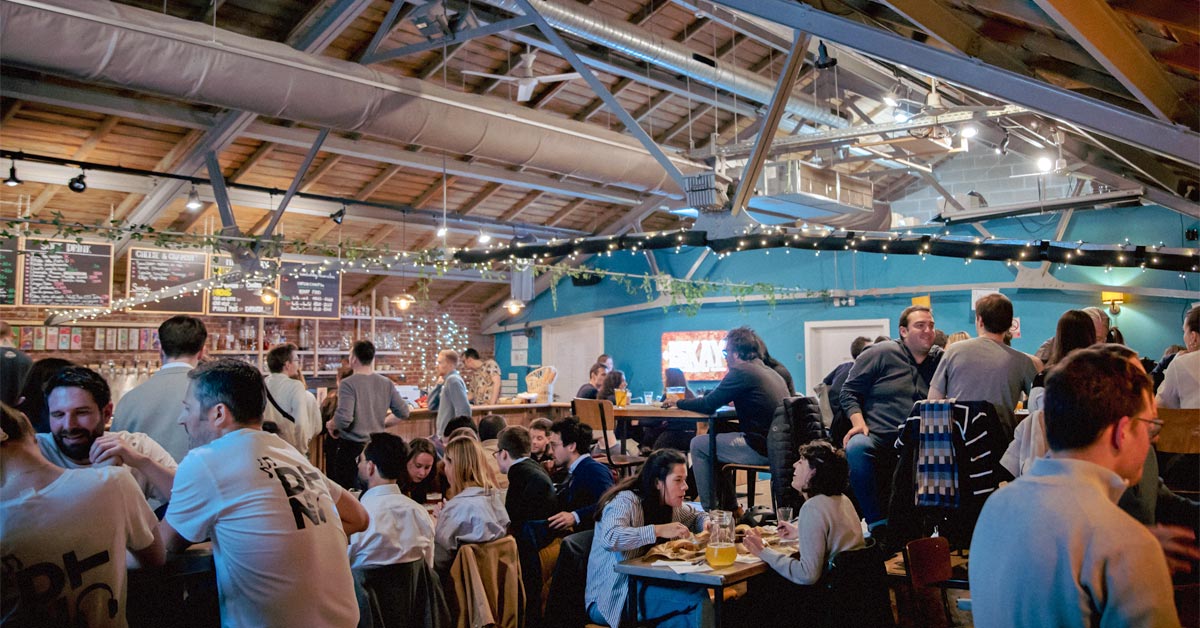
To survive, breweries are no longer just anchors of local communities; they are becoming integrated cultural and social hubs. The "Third Place" theory, popularized by sociologist Ray Oldenburg, posits that people need a social environment separate from the two usual environments of home ("first place") and work ("second place"). Modern breweries are leaning into this role, expanding their physical footprints to include workspaces, boutique lodging, and outdoor recreation areas. However, the most innovative shift is occurring in the very business models that underpin these facilities.
The Collective Model: The Rise of the Tiers-Lieu
In France, a specific sociological concept known as the tiers-lieu, or "third place," is providing a blueprint for sustainable brewing. Unlike a standard commercial taproom, a tiers-lieu is often managed by a collective or association with a focus on education, sustainability, or cultural enrichment.
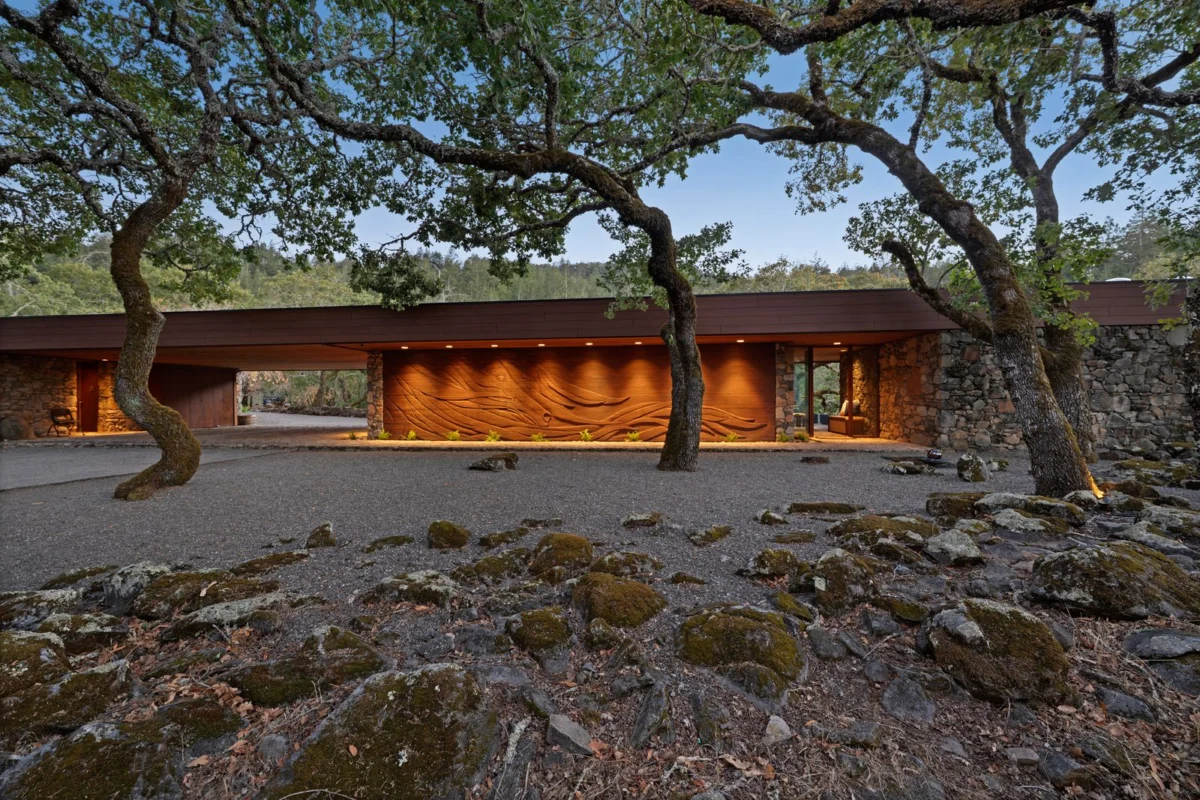
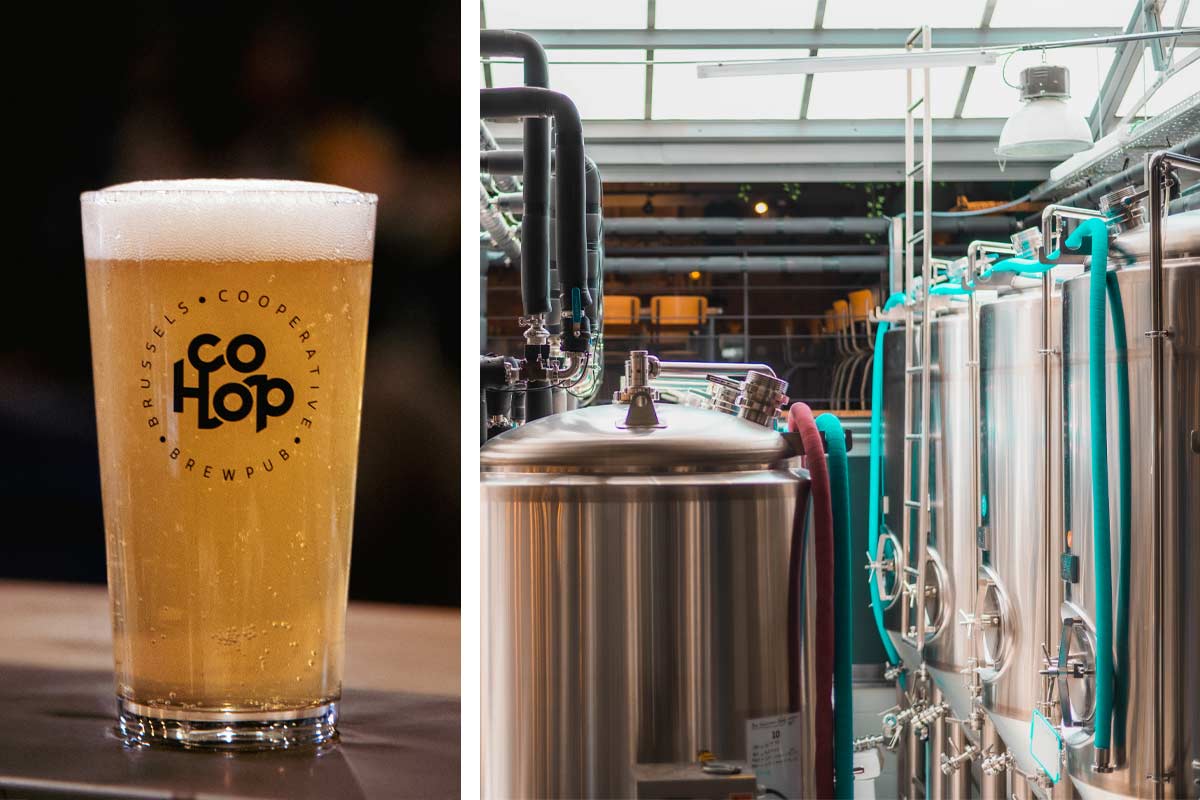
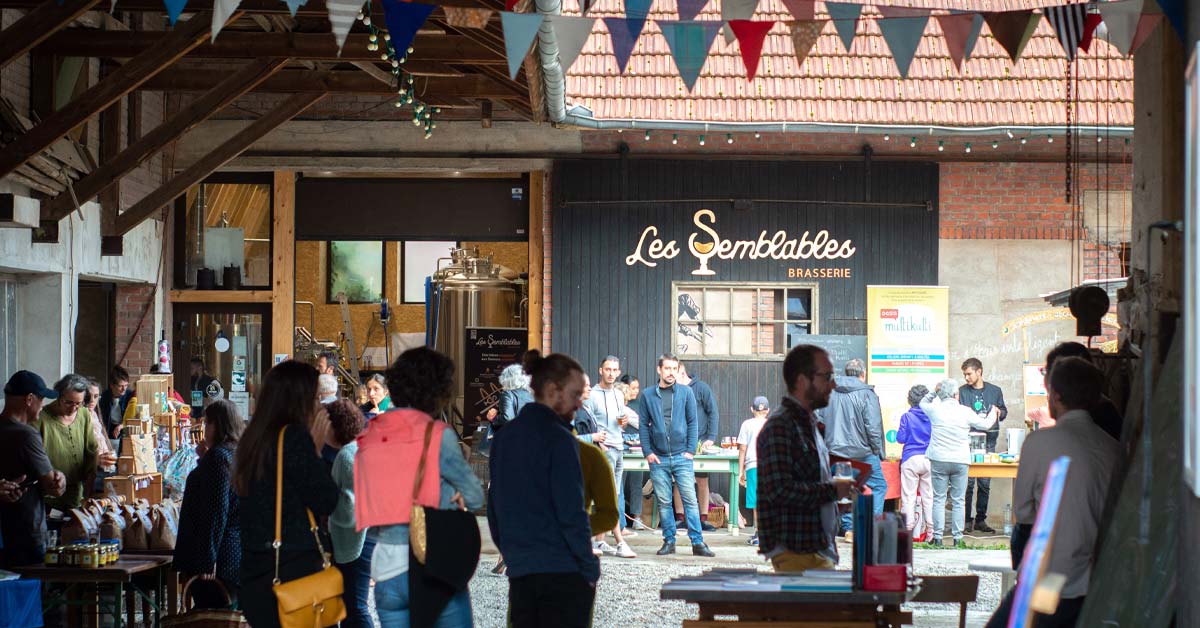
A prime example is Brasserie Les Semblables, located in the Alsatian village of Mietesheim. Founded by Eliott Pernelle and Etienne Voinson, the brewery rejected the traditional model of settling in an isolated industrial zone. Instead, they integrated their operations into Oasis Multikulti, a community hub situated on a repurposed farm. This facility hosts a variety of non-brewing activities, including pottery classes, community gardens, and farmers’ markets.
The benefits of this model are twofold. First, it provides an immediate, built-in audience of visitors who may have come for a different activity but stay for a beer. Second, it reduces the isolation of the small-business owner. However, this model requires a high degree of civic engagement. At Les Semblables, the brewers are not just tenants; they are active volunteers who manage the collective’s social media and contribute to the maintenance of the site. This symbiotic relationship reflects a broader trend toward "embedded entrepreneurship," where a business’s success is inextricably linked to the health of its local social ecosystem.
Shared Infrastructure: The CoHop Case Study
While some brewers share social spaces, others are sharing the very machinery of production. The financial barrier to entry for a new brewery is substantial, with a professional brewhouse and fermentation cellar often requiring hundreds of thousands of dollars in capital expenditure. In Brussels, Belgium, a group of microbreweries has pioneered a solution through the CoHop project.
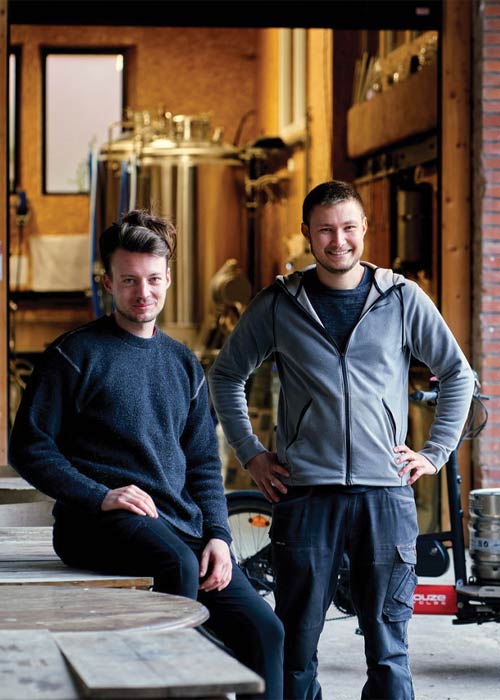
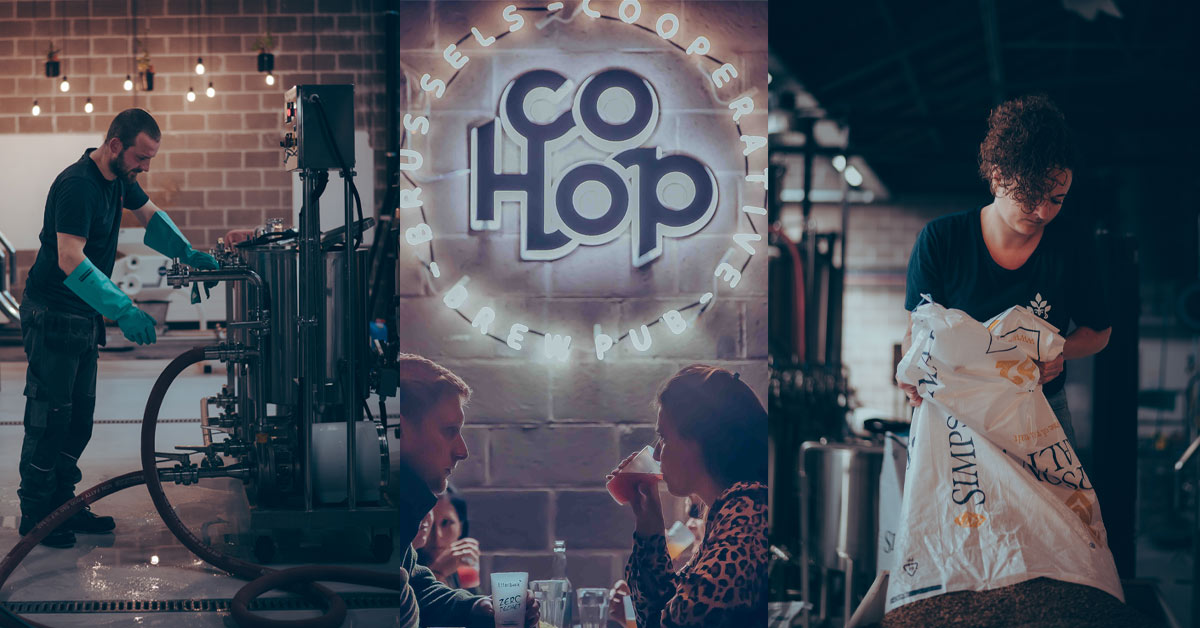
CoHop, which opened in 2021, functions as a cooperative where five distinct brands—La Bagarre, Janine, 1Bière 2Tartines, Brasserie Witloof, and the newly joined La Flaque—share a single production facility and taproom. This model addresses the "contract brewing trap," where small brands pay a larger brewery to produce their beer but lack control over the process and timing. By sharing equipment, these five entities can maintain their unique identities and brewing teams while splitting the costs of rent, utilities, and specialized labor.
The organizational complexity of such a venture is significant. The CoHop team utilizes a "distributed mission" system:
- One brewery manages the master brewing schedule.
- Another handles the procurement of raw materials to leverage bulk buying power.
- A third manages technical maintenance and equipment upkeep.
- The onsite taproom serves products from all five brands, offering consumers a level of variety rarely found in a single-company brewery.
This cooperative approach also offers environmental advantages. By consolidating production into one high-efficiency brewhouse rather than five smaller, less efficient ones, the collective significantly reduces its water and energy footprint per barrel of beer produced.
Historical Precedents: The Zoigl Tradition
The modern move toward communal brewing is not a new invention but a return to historical roots. In Germany, the tradition of Zoiglbier has existed for centuries, particularly in the Upper Palatinate region of Bavaria. In this system, residents of a town share a communal brewhouse. Once the beer is fermented and ready, a homeowner hangs a "Zoigl" star (a six-pointed star similar to the Star of David) outside their house to signal that it is currently serving as the town’s public house.
In 2018, UNESCO recognized the "Upper Palatinate Zoigl Culture" as part of Germany’s Intangible Cultural Heritage. The survival of this tradition in towns like Windischeschenbach and Neuhaus provides a historical validation for modern cooperatives like CoHop, proving that shared production models can be resilient across centuries of economic change.
From Brewery to Fermentorium: Diversifying the Portfolio
While some brewers are changing how they work, others are changing what they make. The term "Fermentorium" is increasingly used to describe facilities that look beyond malted barley and hops to explore the wider world of fermentation. This trend is driven by a diversification of the consumer base and a growing interest in health and wellness.
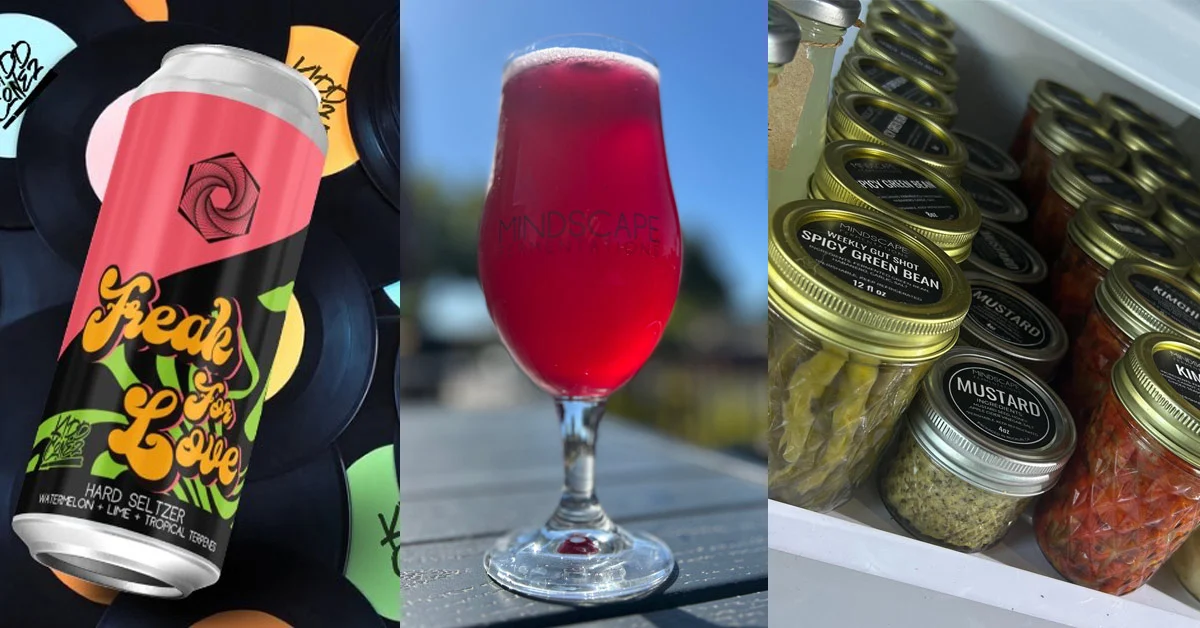
Breweries such as Mindscape Fermentations in Rocklin, California, are at the forefront of this movement. Founded by Lauren Price and Lauren Houston, Mindscape produces beer alongside kombucha, seltzers, and fermented foods. This "multi-category" approach serves as a hedge against the declining volume of traditional beer sales. According to market research by IWSR, the "No- and Low-Alcohol" sector is expected to grow at a compound annual growth rate (CAGR) of over 7% through 2026, significantly outperforming full-strength alcohol.
By defining themselves as a fermentation project rather than a brewery, these businesses can attract a more diverse demographic. Mindscape reports a significantly higher percentage of female patrons and a wider age range than traditional craft taprooms. The inclusion of probiotic-rich kombuchas and low-ABV options allows these venues to remain relevant to "sober-curious" consumers and those with dietary restrictions.
Technical Innovation in Fermentation
The shift toward fermentoria also allows for technical cross-pollination. Fermentery Form in Philadelphia, for example, utilizes the Solera system—a process traditionally used in the production of sherry and balsamic vinegar—to create complex, co-fermented beers. By blending young and old liquids in a tiered barrel system, they achieve a depth of flavor that is difficult to replicate in standard batch brewing.
Other establishments, such as l’Annexe in Belgium and Fox Tale Fermentation in California, are experimenting with botanical fermentations, using flowers, herbs, and wild yeasts. This experimental approach moves the brewery closer to the world of fine wine and culinary arts, positioning the product as a premium offering that can command higher price points in a competitive market.
Future Implications and Industry Outlook
The evolution of the brewery from a standalone producer to a communal or multi-functional entity suggests a permanent shift in the industry’s structure. As capital becomes more expensive and consumer preferences continue to fragment, the "go-it-alone" model of the 2010s appears increasingly risky.
The implications of this shift are significant:
- Urban Planning: Municipalities may begin to view breweries not just as industrial zones but as essential social infrastructure, leading to more favorable zoning for collective spaces and tiers-lieux.
- Sustainability: Shared production models will likely become the gold standard for small-scale brewing as the industry faces pressure to meet carbon neutrality goals.
- Market Diversity: The rise of the fermentorium will continue to blur the lines between "beer," "wine," and "health drink," leading to a more inclusive taproom culture.
Ultimately, the survival of craft brewing depends on its ability to remain what it has always been at its best: a facilitator of human connection. Whether through the sharing of a mash tun in Brussels or the hosting of a community garden in Alsace, the breweries of the future are proving that they are indeed "stronger together." The transition from production facility to communal hub is not merely a trend; it is a necessary adaptation for the modern age.