admin
admin
Traditional demographic analysis, while foundational, is increasingly proving insufficient for businesses seeking to truly understand and engage their customer base, particularly within the highly competitive restaurant industry. The nuanced differences in consumer behavior, often invisible in broad statistical data, necessitate a deeper dive into psychographics – the study of consumers’ values, attitudes, interests, and lifestyles. This critical distinction reveals not just who a customer is, but why they make purchasing decisions, offering a powerful lever for sustainable business growth.
The Limitations of Demographics: A Tale of Two Stores
The challenge of relying solely on demographics is vividly illustrated by the experience of Mike Bausch, owner of Andolini’s Pizzeria, with his two suburban stores in Owasso and Broken Arrow, Oklahoma. On paper, these two locations presented an almost identical demographic profile. Census data would indicate similar yearly household incomes, comparable educational attainment levels, and a largely consistent general family makeup. Such data typically leads businesses to anticipate uniform consumer behavior and, consequently, identical market strategies. However, Bausch discovered a stark divergence in customer response, a disparity that took considerable time and observation to fully comprehend. The two markets, despite their demographic similarities, exhibited fundamentally different purchasing psychologies.
Demographics provide a broad brushstroke portrait of a population: age, gender, income, education, marital status, and geographic location. This data is invaluable for initial market segmentation, identifying potential customer pools, and understanding basic market size. Historically, it has been the bedrock of marketing strategy, informing everything from site selection to product development. However, what demographics fail to capture is the underlying motivation, the emotional and psychological drivers that dictate consumer choice, brand loyalty, and willingness to spend. This is where psychographics enters as the indispensable counterpart.
Unlocking the "Why": The Power of Psychographics
Psychographics delves into the qualitative aspects of consumer behavior, exploring the "why" behind purchasing decisions. It identifies values, beliefs, attitudes, interests, and lifestyle choices that profoundly influence how individuals interact with brands and products. For a restaurant, understanding psychographics means discerning whether a customer prioritizes convenience, premium ingredients, a unique dining experience, a sense of community, or simply the best possible deal.
Bausch’s breakthrough came from observing the competitive landscape surrounding his two pizzerias. One store thrived in an environment dominated by Starbucks customers – individuals who readily pay $5-$8 for a latte without hesitation. This customer segment, irrespective of income, values the holistic experience: the brand prestige, the ritual, the perceived quality, and the overall ambiance. They are willing to pay a premium for what they perceive as an elevated offering. In contrast, his other store was situated in a territory characterized by Dutch Bros and Dunkin’ devotees, alongside a strong Walmart presence. While their income levels were statistically similar to the Starbucks demographic, their purchasing psychology was markedly different. These customers were inherently value-driven. They were coupon clippers not out of necessity, but because securing a deal resonated with their worldview. For them, paying a premium often felt akin to being overcharged or "ripped off." This fundamental difference in "wiring" was the true differentiator, not their bank balance.
Operational Impact and Strategic Adjustments
The realization of these distinct psychographic profiles brought clarity to many operational anomalies Bausch had observed. The store catering to the discount-oriented psychographic consistently showed slower adoption rates for premium menu items, such as specialty pizzas with higher price points. Upselling efforts, crucial for increasing average check sizes, proved significantly more challenging. Conversely, when promotions were run, this segment responded with far greater enthusiasm and volume than their experience-driven counterparts. This confirmed that the issue wasn’t a lack of disposable income, but rather a deeply ingrained purchasing philosophy.
This insight underscored a critical lesson for the broader hospitality sector: a one-size-fits-all approach, even within seemingly identical demographic markets, is a recipe for inefficiency and missed opportunities. Businesses must recognize that consumer behavior is multifaceted and driven by psychological factors that transcend basic socioeconomic indicators.
Beyond the Race to the Bottom: Elevating the Experience
Armed with this understanding, Bausch faced a strategic choice: either capitulate to the value-driven segment by engaging in price wars and constant discounting, or endeavor to shift their perception of value. He wisely chose the latter, recognizing the inherent dangers of a "race to the bottom." Constantly competing on price is an unsustainable strategy that erodes profit margins, devalues the brand, and ultimately leads to a commodity mindset where the cheapest option always wins. As Bausch succinctly puts it, "Nowadays gas stations are winning that contest" when it comes to the lowest price pizza.

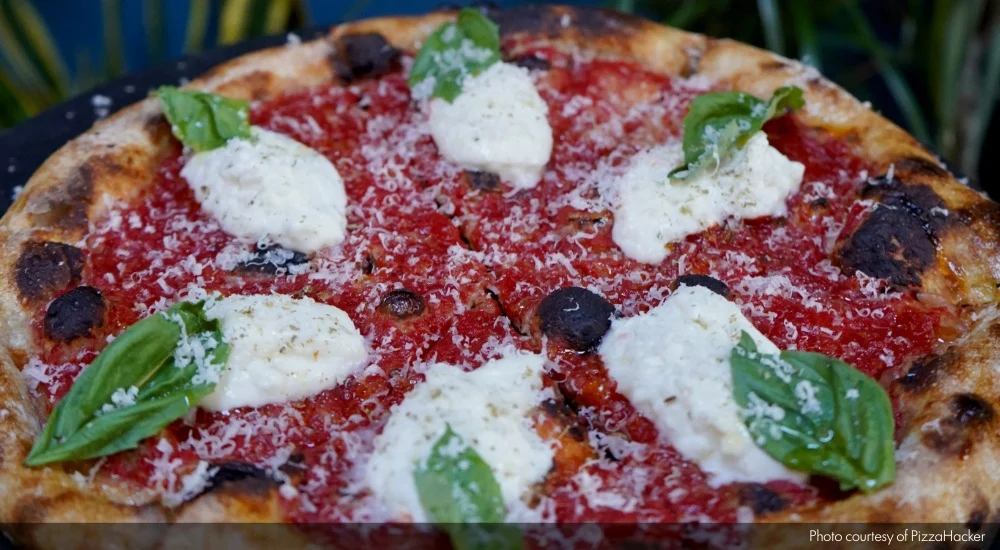
Instead, Andolini’s Pizzeria adopted a strategy centered on elevating the customer experience. This involved a deliberate effort to imbue their product and service with unique, memorable qualities that justified a premium price point. Specific tactics included:
- Experiential Dining Elements: Finishing pizzas with olive oil directly at the table, transforming a simple delivery into a tableside ritual.
- Narrative and Quality Emphasis: Deeply explaining the history, sourcing, and quality of ingredients, thereby educating customers and highlighting the craftsmanship behind each dish.
- Unique Selling Propositions: Focusing on aspects that discount competitors simply cannot replicate, creating a sense of specialness and exclusivity.
The objective was not to convert every single value-driven customer. Bausch acknowledges that some individuals are irrevocably wired to seek the absolute lowest price, and chasing that segment is often a losing battle. The goal was, rather, to provide a compelling reason for those who might typically opt for a cheaper alternative to "trade up." Many customers frequent budget-friendly establishments like Dunkin’ not out of deep loyalty, but out of habit or convenience. If presented with a genuinely superior and differentiated experience, a significant portion of these individuals will be willing to explore and ultimately embrace it. These are the customers who, once won over, tend to exhibit higher loyalty and a greater lifetime value.
Broader Industry Context and Supporting Data
The shift from purely demographic targeting to a psychographic-informed approach is part of a larger trend in the modern consumer economy, often referred to as the "experience economy." Research from firms like PwC consistently highlights that customers, particularly younger generations, increasingly prioritize experiences over mere products. A 2018 PwC study found that 73% of all consumers point to experience as an important factor in their purchasing decisions, with 43% willing to pay more for greater convenience and 42% for a friendly, welcoming experience. This data directly supports Bausch’s strategy of leaning into the experiential aspects of dining.
Furthermore, advancements in data analytics and artificial intelligence are making psychographic segmentation more accessible and powerful for businesses of all sizes. Tools like Customer Relationship Management (CRM) systems, social media listening platforms, and sophisticated survey techniques allow businesses to gather qualitative data that reveals consumer attitudes and interests. For instance, analyzing online reviews, social media engagement patterns, and even website navigation behavior can provide invaluable clues about what customers truly value.
The Evolution of Marketing and Business Strategy
The recognition of psychographics has profound implications for various aspects of business strategy:
- Market Segmentation: Psychographics enables far more precise and effective market segmentation. Instead of grouping customers by age or income, businesses can segment them by their shared values (e.g., health-conscious, environmentally aware, luxury seekers, budget shoppers). This allows for highly targeted marketing campaigns that resonate deeply with specific groups.
- Product and Service Development: Understanding customer psychographics informs menu innovation, restaurant design, and service protocols. A restaurant targeting "foodies" will invest in unique ingredients and intricate presentations, while one targeting "family values" might focus on kid-friendly options and a welcoming atmosphere.
- Pricing Strategies: Psychographic insights help determine optimal pricing. For experience-driven segments, value is perceived through quality, exclusivity, and emotional connection, allowing for premium pricing. For value-driven segments, pricing needs to be competitive, but the offering can still be differentiated through perceived efficiency or tangible benefits.
- Brand Building: Strong brands leverage psychographics to forge emotional connections with their audience. They understand the aspirations and pain points of their target customers and craft their messaging and brand identity to align with these deeper psychological traits. This creates loyalty that transcends mere transactional relationships.
Marketing strategists and industry analysts increasingly emphasize that while demographics provide a foundational understanding of who a customer is, psychographics unveil the deeper motivations of why they buy. Businesses failing to integrate psychographic insights risk misallocating marketing resources, developing irrelevant products, and ultimately alienating potential customer segments by offering misaligned value propositions. Restaurateurs who have successfully pivoted from purely demographic targeting often report increased customer loyalty and average check sizes, underscoring the long-term value of an experience-driven approach.
Conclusion: Beyond the Spreadsheet
The experience of Andolini’s Pizzeria serves as a potent reminder for businesses across all sectors: do not let the demographics fool you. Two neighborhoods, two cities, or even two distinct customer groups can appear identical on a spreadsheet, yet behave completely differently in real life. The true differentiator lies in their underlying psychographic profiles. Paying close attention to which businesses thrive in a given area – be it a high-end coffee shop or a discount retailer – often tells a more accurate story about potential customers’ values than any income data ever could.
Once these psychographic nuances are understood, a business gains the strategic clarity to make informed decisions. The choice is then whether to merely meet customers where they are (often by competing on price) or to proactively endeavor to bring them somewhere better – an elevated experience that justifies a premium and builds lasting loyalty. Mike Bausch’s commitment to the latter, focusing on an experience-driven pizza that emphasizes quality and narrative, demonstrates that while converting everyone is unrealistic, attracting those who are open to a superior offering is a viable and rewarding path to sustainable growth. In a world awash with data, the ability to interpret the human motivations behind the numbers is the ultimate competitive advantage.