admin
admin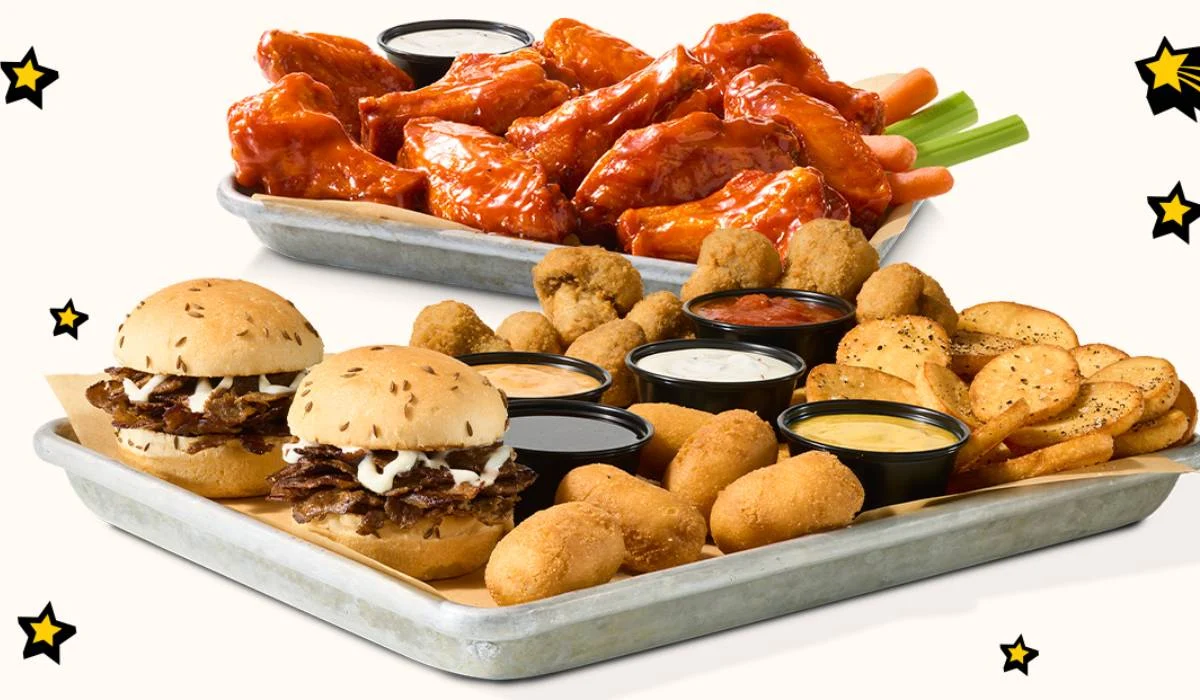
Buffalo Wild Wings, the prominent American casual dining and sports bar franchise, has officially announced the launch of its "Throwback Menu," a strategic initiative designed to tap into the pervasive "nostalgia economy" currently influencing consumer behavior across the United States. Launched on August 19 and scheduled to remain available through November 9, the limited-time offering reintroduces a curated selection of iconic menu items that defined the brand’s identity during the early 2000s. In a move to further solidify its connection to the Y2K era, the company has also entered into a partnership with the fashion brand Von Dutch to release an exclusive capsule collection titled "Von Dubs." This multifaceted campaign represents a calculated effort by the restaurant chain to leverage historical brand equity while responding to a measurable shift in how modern consumers engage with legacy brands.
According to Buffalo Wild Wings Chief Marketing Officer Scott Nelson, the decision to look backward was not merely a reaction to current marketing fads but a response to direct feedback from the brand’s most loyal patrons and internal team members. The initiative arrives at a critical juncture for the food and beverage industry, as full-service restaurants (FSRs) navigate a post-pandemic landscape characterized by digital fatigue and a renewed consumer interest in "third place" environments—social spaces outside of the home and workplace. By reviving products like the Buffalo Chips and Mini Corn Dogs, Buffalo Wild Wings aims to recreate the specific sensory experiences that cemented its status as a game-day staple nearly two decades ago.
The Psychological and Economic Drivers of Nostalgia Marketing
The "Throwback Menu" is underpinned by significant consumer data suggesting that nostalgia is a powerful driver of discretionary spending. Recent research from GWI indicates that more than 50 percent of U.S. adults are more likely to purchase a product or service if it evokes a sense of nostalgia for the past. This trend is particularly pronounced among Millennials and Gen Z, demographics that have shown an increasing affinity for the aesthetics and flavors of the late 1990s and early 2000s.
Industry analysts suggest that the resurgence of retro experiences—ranging from the vinyl record revival to the popularity of Y2K fashion—stems from a collective exhaustion with the rapid pace of digital transformation and the ubiquity of artificial intelligence. In this context, the return to "analog" comforts, such as a traditional sports bar experience with familiar food, serves as a psychological anchor. Nelson notes that there is a profound sense of comfort in revisiting the familiar, stating that Buffalo Wild Wings is uniquely positioned to speak authentically to this sentiment because the brand has been an integral part of the memories and traditions of sports fans for decades.
A Menu Shaped by Digital Discourse and Fan Advocacy
The composition of the Throwback Menu was not determined by internal culinary experimentation alone; rather, it was the result of extensive social listening. For years, fans of the brand have utilized platforms like Reddit, X (formerly Twitter), and Instagram to petition for the return of discontinued favorites. Dedicated threads and fan-made polls consistently highlighted a few specific items that had achieved a cult-like status among "B-Dubs" enthusiasts.
The items featured in the current promotion include:
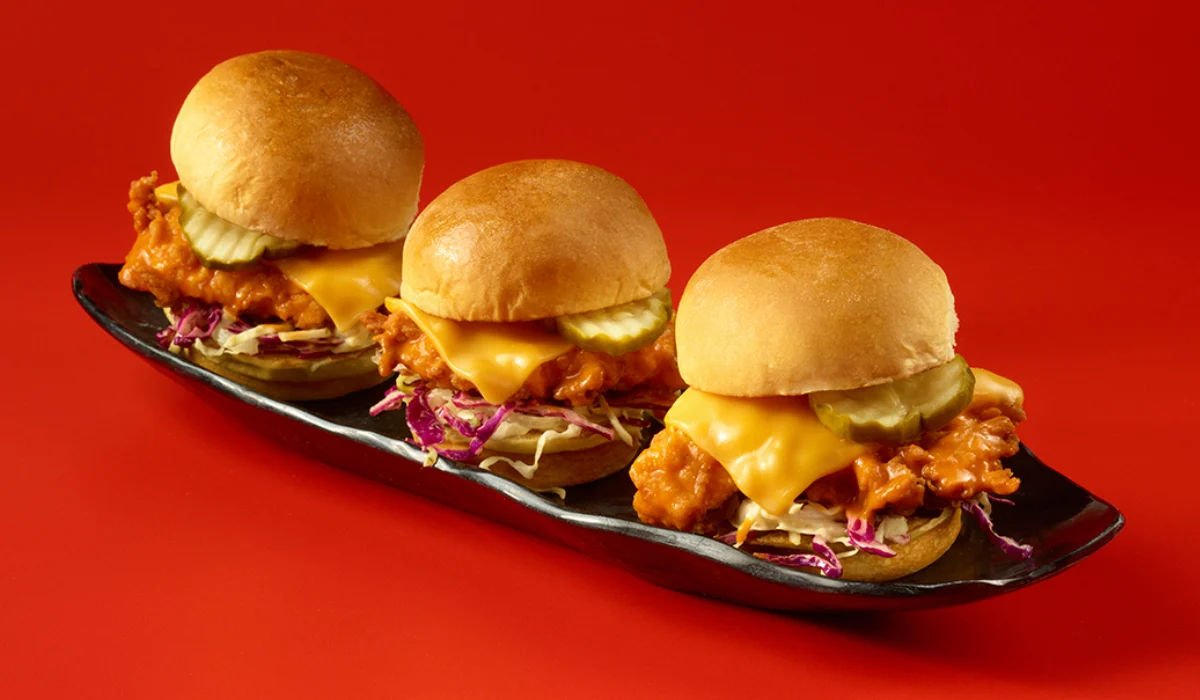
- Buffalo Chips: Thick-cut potato slices, often cited by fans as a superior alternative to traditional fries for their ability to hold sauce and maintain texture.
- Mini Corn Dogs: A classic appetizer that became synonymous with the casual, communal dining experience of the early 2000s.
- Hot BBQ Sauce: A specific flavor profile that combines the tang of traditional barbecue with the signature heat of the brand’s buffalo wings.
Nelson emphasized that the culinary team faced the complex task of recreating these items to match the exact flavor profiles remembered by longtime guests. Because consumers often view the past through "rose-colored glasses," the expectations for these revived items were exceptionally high. The goal was to ensure that the first bite felt familiar, requiring the culinary department to balance historical recipes with modern quality and sourcing standards.
The Von Dutch Collaboration: A Cultural Synergy
To complement the culinary offerings, Buffalo Wild Wings sought a partnership that would encapsulate the visual identity of the early 2000s. The selection of Von Dutch—a brand that reached the height of its cultural influence during the same era through its ubiquitous trucker hats and celebrity endorsements—was a deliberate choice to align with the Y2K aesthetic.

The "Von Dubs" collection includes five exclusive pieces:
- Limited-Edition Trucker Hats: Featuring the iconic Von Dutch silhouette with Buffalo Wild Wings-inspired branding.
- Hoodies and Classic Tees: Designed with the graphics and color palettes prevalent in early 2000s streetwear.
- Baby Tees: Targeting the current fashion trend among younger consumers who are adopting Y2K styles.
The partnership officially commenced with the release of the trucker hats on September 21 via the Von Dutch website. To maintain an aura of exclusivity and "hype," the remaining items in the collection were reserved for an invite-only event in Los Angeles, bridging the gap between a national restaurant chain and the high-fashion streetwear circuit. This strategy not only targets older consumers who originally wore the brand but also younger "trend-chasers" who view Von Dutch as a vintage luxury icon.
Strategic Timing and the Influence of Football Season
The timing of the Throwback Menu’s launch was strategically synchronized with the commencement of the American football season. Historically, the autumn months represent the highest period of traffic for sports-themed dining establishments. For Buffalo Wild Wings, game days are the cornerstone of their business model, and the introduction of nostalgic "fan-favorite" items serves as an additional incentive for groups to gather at their locations rather than opting for home delivery.
By positioning the Throwback Menu as a "thank you" to the fans who never stopped asking for these items, the brand avoids the perception of chasing a temporary fad. Nelson argues that the best menu items are those that stand the test of time, regardless of the era they originated in. For the brand, this campaign is as much about customer retention as it is about acquisition. It offers a "reunion" for longtime guests while providing newer customers an opportunity to discover the foundational flavors that helped the company expand to over 1,200 locations.
Chronology of the Throwback Campaign
The rollout of the campaign followed a specific timeline designed to build momentum throughout the late summer and early fall:
- August 19: Official launch of the Throwback Menu at participating Buffalo Wild Wings and Buffalo Wild Wings GO locations nationwide.
- Late August – Early September: Intensive social media campaign highlighting fan requests from previous years to demonstrate brand responsiveness.
- September 21: Public release of the "Von Dubs" trucker hat collection online, marking the peak of the fashion partnership.
- September – October: Continued promotion during key NCAA and NFL game days, utilizing the menu as a centerpiece for sports-related marketing.
- November 9: Scheduled conclusion of the limited-time offering.
Market Analysis and Industry Implications
The Buffalo Wild Wings strategy reflects a broader trend within the Quick Service Restaurant (QSR) and FSR sectors. Competitors such as McDonald’s (with the "Grimace Shake" and "Adult Happy Meals") and Pizza Hut (with the "Big New Yorker") have seen significant success by leaning into nostalgia. However, the Buffalo Wild Wings approach is distinct in its integration of a third-party lifestyle brand like Von Dutch, which moves the campaign beyond the plate and into the realm of "lifestyle marketing."
From a business perspective, the use of limited-time offerings (LTOs) based on existing intellectual property (discontinued recipes) is a cost-effective way to drive foot traffic. It minimizes the research and development costs associated with creating entirely new products while maximizing marketing impact through emotional resonance. Furthermore, by making these items available at "Buffalo Wild Wings GO" locations—the brand’s smaller, delivery-and-carryout-focused format—the company is ensuring that the nostalgia trend is accessible to the modern, convenience-oriented consumer.
Conclusion: Authenticity as a Competitive Advantage
As the campaign progresses toward its November conclusion, the broader implication for the restaurant industry is clear: authenticity remains a primary currency. CMO Scott Nelson’s assertion that "today’s consumers are savvy enough to know which brands are chasing a fad" underscores the necessity for legacy brands to ground their marketing in genuine historical context.
The Throwback Menu is more than a list of food items; it is a strategic attempt to reclaim the brand’s narrative during a period of intense competition in the casual dining sector. By combining the "comfort of the familiar" with the high-energy environment of sports and the visual language of Y2K fashion, Buffalo Wild Wings has created a cohesive guest experience that resonates across generational lines. Whether this will lead to permanent menu changes remains to be seen, but the current engagement levels suggest that for many consumers, the flavors of the past are exactly what they want in the present.