 admin
In a high-profile event held in the state’s eastern panhandle, West Virginia officials, alongside national health advocates, unveiled a sweeping initiative aimed at reversing the state’s grim public health trajectory. Attorney General Patrick Morrisey, a key proponent of the "Make America Healthy Again" (MAHA) movement, addressed a crowd that included state legislators, MAHA supporters, and children, painting a stark picture of West Virginia’s health crisis. “There’s no way around it, West Virginia ranks at the bottom of many public health metrics,” Morrisey stated, citing alarming statistics on obesity, heart disease, diabetes, and life expectancy. He asserted, however, that the comprehensive steps outlined in his administration’s plan would fundamentally alter this downward course.
A Bold Plan to Remake Public Health
The cornerstone of Morrisey’s initiative was a robust four-pillar plan designed to significantly improve health outcomes across the Mountain State. The plan emphasized a proactive approach to wellness, starting with encouraging West Virginians to increase physical activity, particularly through walking. This component sought to integrate healthier habits into daily life, promoting a culture of movement.
Beyond individual lifestyle shifts, the plan also addressed broader societal factors, including a controversial proposal to implement stronger work requirements for federal assistance programs. The stated goal was to incentivize work and reduce dependency, aligning with a national discourse on welfare reform. Advocates argued this would foster economic self-sufficiency, indirectly contributing to better health through stable employment and income.
A significant focus of the initiative was food policy. Morrisey notably signed one of the nation’s first state bans on artificial food dyes in school meals, a move that garnered national attention from health advocacy groups concerned about the potential links between certain additives and childhood health issues. This decision positioned West Virginia at the forefront of a burgeoning movement to regulate food additives at the state level. Complementing this, Morrisey also issued a letter of intent to request a waiver from the federal government to ban soda purchases under the Supplemental Nutrition Assistance Program (SNAP). This proposal aimed to curb the consumption of sugary beverages, which are widely recognized as major contributors to obesity and diabetes.
The state’s actions drew praise from national figures like Kennedy, a prominent voice within the MAHA movement, who declared West Virginia was setting “a shining example for the rest of the country.” This endorsement underscored the perception among proponents that West Virginia was leading the charge in an innovative approach to public health, potentially influencing policy discussions nationwide. Indeed, West Virginia’s early actions on food dyes were later cited when the federal Food and Drug Administration (FDA) announced its own plans to phase out artificial food dyes, highlighting the ripple effect of state-level initiatives.
West Virginia’s Enduring Health Crisis: A Deeper Look
West Virginia has long grappled with some of the most challenging public health indicators in the United States. According to the Centers for Disease Control and Prevention (CDC) and various state health reports, the state consistently ranks among the highest for rates of adult obesity, type 2 diabetes, and cardiovascular disease. Its life expectancy figures also fall significantly below the national average. For instance, recent data indicates that West Virginia’s adult obesity rate hovers around 40-45%, compared to a national average closer to 35%. Similarly, diabetes prevalence often exceeds 15%, while the national average is around 11%. These statistics paint a grim picture, often attributed to a complex interplay of socio-economic factors, including high poverty rates, limited access to healthy foods (food deserts), sedentary lifestyles exacerbated by industrial decline, and inadequate healthcare infrastructure in rural areas.
The state’s economic landscape, historically dominated by the coal industry, has undergone significant transformation, leading to widespread job losses and economic hardship. This decline has not only affected individual livelihoods but also strained community resources, making it harder for many residents to afford nutritious food, access preventative healthcare, or maintain active lifestyles. These systemic issues provide a crucial backdrop against which the state’s ambitious health initiatives must be evaluated.
A Ground-Level Perspective: Unconvinced by Rhetoric
Despite the high-level pronouncements and national accolades, the proposed reforms have met with considerable skepticism from individuals working on the front lines of community health and poverty alleviation. A year and a half after Morrisey’s announcement, Caitlin Ware, a part-time pastor at Sandyville United Methodist Church and a tireless advocate in the state’s southern coalfields, remains unconvinced by the efficacy of the state’s approach.
Sitting inside her church, Ware held up a bottle, swirling dirty, sediment-tainted water within. “Can we ban this dye?” she asked wryly, the question loaded with a deeper critique. “This isn’t food dye, obviously. This is just tap water in McDowell County.” Her pointed remark underscored a fundamental disconnect between the state’s focus on food additives and individual choices, and the more profound, systemic environmental and infrastructure crises plaguing many West Virginia communities.
The Pervasive Water Crisis

Ware’s work in the southern coalfields region brings her face-to-face with a decades-old issue: the pervasive lack of clean water access. This region, like many other rural areas in West Virginia, suffers from decaying pipes and antiquated water infrastructure, leading to frequent boil advisories, contamination issues, and, as Ware’s visual demonstration highlighted, visibly unsafe tap water. Indeed, a report cited by the Gazette-Mail indicated that West Virginia had the highest rate of public water systems with Safe Drinking Water Act violations from the Environmental Protection Agency, a testament to the severity of the problem.
For residents in these areas, particularly those reliant on federal assistance programs, the lack of potable tap water transforms a basic necessity into an additional financial burden. Ware noted that most SNAP participants in the region are forced to use their limited benefits to purchase bottled water, diverting funds that could otherwise be spent on food. This reality directly undermines the intent of SNAP, which is designed to supplement food budgets, not to cover the cost of essential utilities that should be safely provided.
Food Insecurity Amidst Farmland
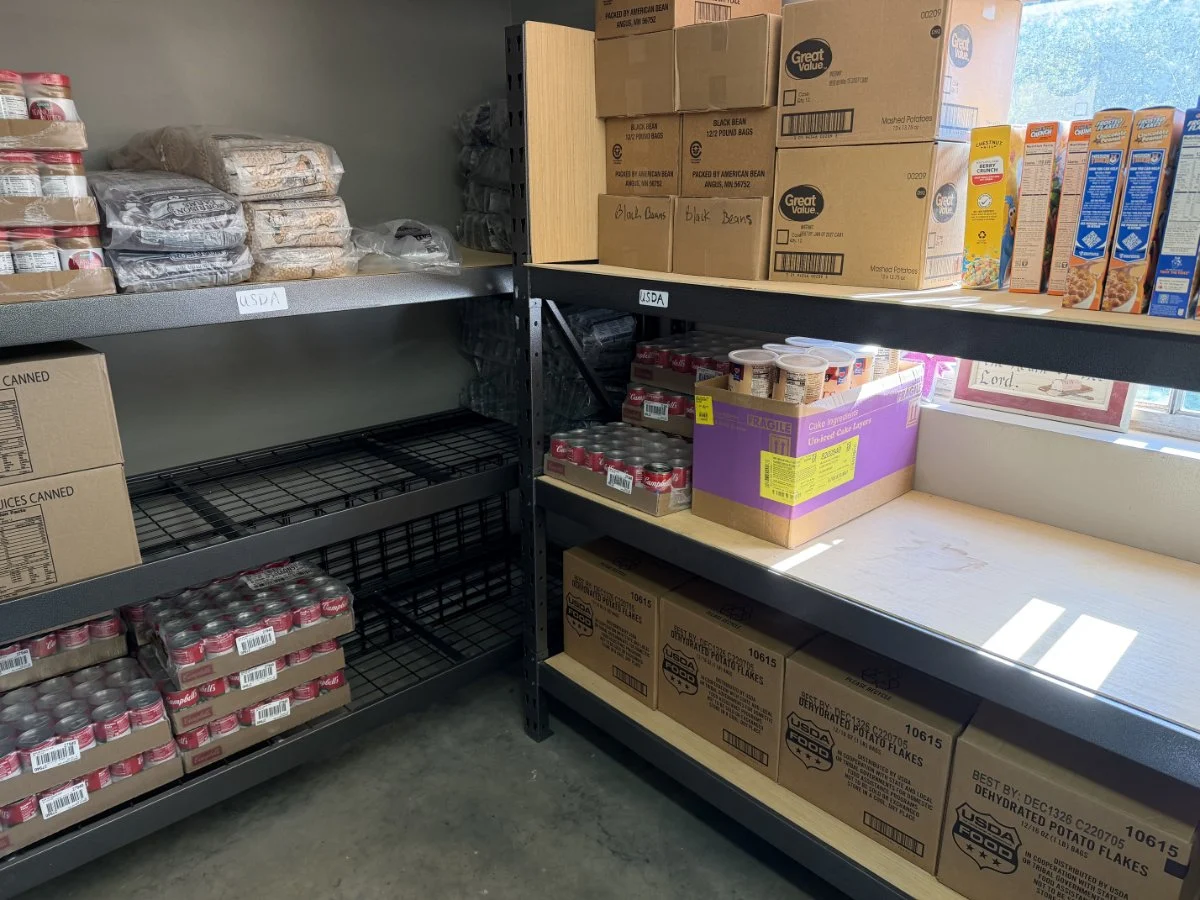
Ware also assists with a food pantry run through the Sandyville United Methodist Church, a critical resource in a community grappling with escalating food insecurity. Here, the impact of cuts and proposed restrictions to SNAP benefits is acutely felt, driving up the need for emergency food assistance. Ware argues that the state’s MAHA conversations, predominantly focused on individual lifestyle changes, fail to address the underlying structural and institutional challenges that contribute to poor health and food insecurity.
Her observation about the paradox of hunger in an agricultural state is particularly poignant: “It’s just wild that we are literally surrounded by farmlands. We are functionally sitting on farmlands, and people don’t have food.” This sentiment encapsulates the tragedy of food deserts in rural areas, where local agricultural production does not translate into accessible, affordable healthy food options for residents. The decline of small farms, the dominance of large-scale industrial agriculture, and the lack of robust local food systems often mean that even in fertile regions, fresh produce is hard to come by, leaving communities reliant on convenience stores stocked with processed, less nutritious options. Ware recently led a funeral for a struggling farmer in Sandyville whose family requested food donations instead of flowers, a stark illustration of the economic hardship even agricultural communities face.
The Sandyville Food Pantry: A Lifeline Under Strain
The Sandyville United Methodist Church, perched on a rolling hill, stands as a quiet testament to community resilience and a stark indicator of persistent need. Inside, parishioners Marvin and Robin Miller, dedicated volunteers, joined Ware to discuss their efforts. The Millers, who met and raised their children in the church, radiate pride in their community, even as they speak of its struggles. Marvin, often moved to tears, described their commitment to feeding their neighbors.
The church established its food pantry in 1993, an initiative initially aided by Robin’s mother. Robin eventually took over as co-director, while Marvin serves as the “go-getter,” responsible for picking up, sorting, and stacking donations. For years, the pantry has consistently served about 45 families. However, recent federal and state policy shifts, particularly delays in SNAP benefits during events like government shutdowns, have caused demand to double. This surge highlights the fragility of the social safety net and the immediate, devastating impact of policy changes on vulnerable populations.
Marvin Miller’s blunt assessment of federal and state MAHA efforts—“Prior proper planning prevents piss-poor performance. Right now, we’ve got some piss-poor performance going on in our programs”—underscores the frustration felt by those on the ground. For them, grand policy announcements often fall short of addressing the immediate, tangible needs of their communities, leaving food pantries and local churches to pick up the pieces.
Broader Implications and Ongoing Litigation
The ripple effects of West Virginia’s health policies extend beyond its borders and into the federal courts. While MAHA leaders at the national level celebrated the state’s actions on SNAP and food dyes as significant victories, the implementation of these policies has not been without controversy. The state law restricting certain food purchases under SNAP, for instance, is currently on hold due to litigation. These legal challenges often argue that states are overstepping their authority by imposing restrictions on federally funded programs, or that such restrictions disproportionately harm low-income individuals by limiting their purchasing power and dignity.
The debate around individual responsibility versus systemic solutions is central to this conflict. Proponents of policies like soda bans and work requirements argue they empower individuals to make healthier choices and encourage self-sufficiency. Critics, however, contend that these measures can be paternalistic, stigmatizing, and ineffective if they do not simultaneously address the root causes of poverty, food insecurity, and poor health, such as inadequate wages, lack of affordable housing, limited access to quality healthcare, and crumbling infrastructure.
West Virginia’s journey serves as a microcosm of this national debate. While the state’s pioneering stance on food dyes may have influenced federal action, the local perception of MAHA actions as "more rhetoric than action" underscores a critical gap. For many West Virginians interviewed by Civil Eats, the pressing issues of aging infrastructure, lack of jobs, pervasive food insecurity, and critically, water safety, remain stubbornly unresolved, overshadowed by policies that seem to scratch only the surface of deep-seated problems.
The complex interplay between state-led health initiatives, federal policy, and the lived realities of communities struggling with multifaceted socio-economic and environmental challenges continues to define the landscape of public health reform in West Virginia. The state’s ambitious goals, while lauded by some, face the formidable task of bridging the divide between policy intentions and the profound, often overlooked, needs of its most vulnerable citizens. The ongoing struggle for clean water, adequate food, and economic opportunity in places like McDowell County and Sandyville serves as a potent reminder that true health requires far more than just dietary restrictions or exercise mandates; it demands comprehensive, equitable, and sustainable solutions that tackle systemic inequities head-on.