admin
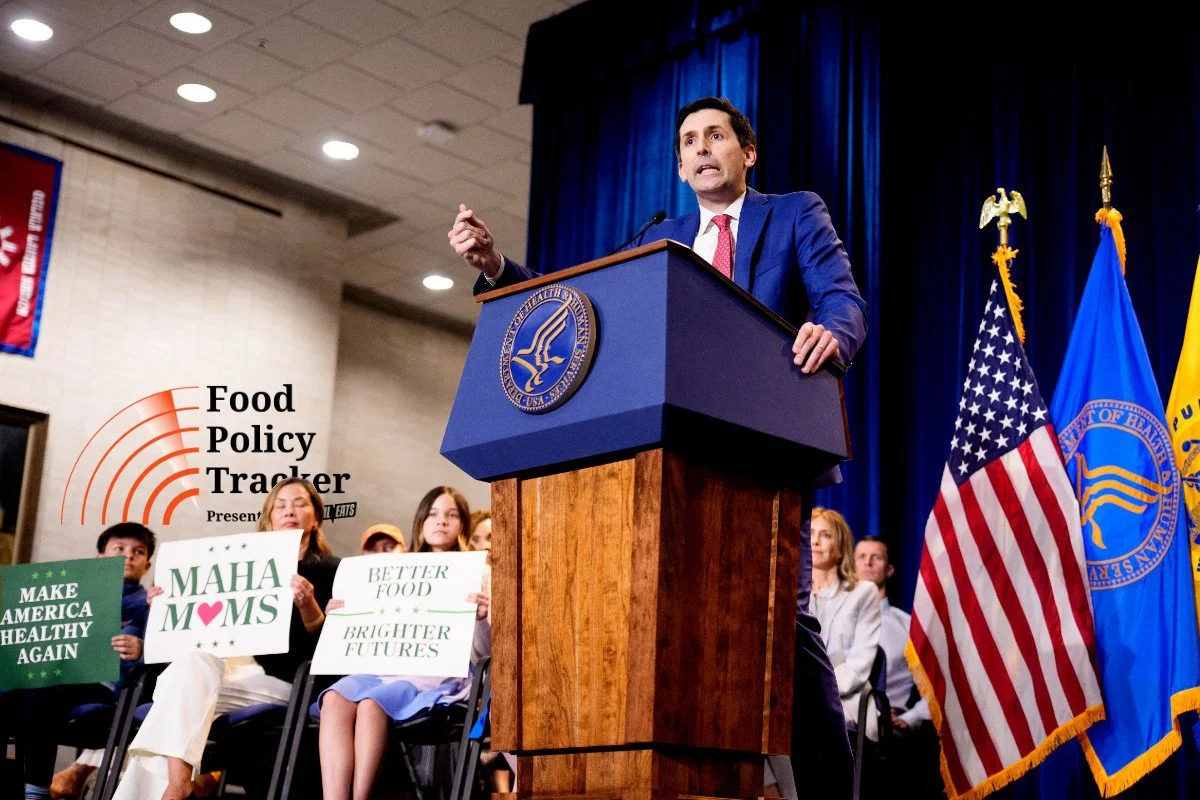
Calley Means, a pivotal figure in the Trump administration’s nutrition and health initiatives and a key ally to Health Secretary Robert F. Kennedy Jr., publicly announced his resignation from his governmental role today, October 22, 2026. The departure, revealed less than two weeks before crucial midterm elections, sends ripples through the "Make America Healthy Again" (MAHA) movement, whose influence and policy achievements within the administration are increasingly under public and internal scrutiny. Means’ exit marks a significant moment, raising questions about the future trajectory of federal health policy and the MAHA movement’s political leverage.
The news of Means’ resignation was initially reported by The Wall Street Journal, detailing his capacity as a top food and health adviser within the administration. In a subsequent social media post, Means conveyed "tremendous respect" for both President Donald Trump and Secretary Kennedy. He lauded their collective vision to "combat the entrenched, dark forces in D.C. that profit from Americans getting sick," asserting that "more policy and cultural change has happened around these goals in the past 2 years than any time in history—and I know this movement is just getting started." Despite these optimistic sentiments, the timing and context of his departure suggest underlying tensions and frustrations within the health policy sphere.
Means’ journey into the heart of federal health policy began with his instrumental role in connecting Robert F. Kennedy Jr. to Trump’s campaign. This connection proved foundational for the establishment of the MAHA movement as a significant force within the administration. Following Trump’s electoral victory, Means ascended to influential positions, serving as a senior adviser in both the White House and the Department of Health and Human Services (HHS). His tenure was characterized by a zealous advocacy for a suite of policies aimed at reforming America’s dietary landscape and challenging established food industry practices.
The "Make America Healthy Again" Movement and Its Ambitions
The "Make America Healthy Again" (MAHA) movement, spearheaded by figures like Robert F. Kennedy Jr. and supported by Calley Means, emerged with a broad agenda centered on combating chronic diseases, improving public health outcomes, and reforming the food system. Its core tenets often emphasized a critique of ultra-processed foods, artificial additives, and what it perceived as inadequate or misleading federal dietary guidelines. The movement aimed to empower consumers with greater transparency about food ingredients and to shift government policy towards promoting whole, unprocessed foods.

MAHA’s policy ambitions were extensive, ranging from the revision of the Dietary Guidelines for Americans to more stringent regulations on food additives and substantial reforms to federal food assistance programs. Proponents argued these changes were necessary to address escalating rates of obesity, type 2 diabetes, and other diet-related chronic conditions that impose a massive burden on the American healthcare system. Data from the Centers for Disease Control and Prevention (CDC) consistently show that over 40% of American adults are obese, and a significant portion suffers from diet-related chronic diseases, underscoring the urgency felt by MAHA advocates.
Key Policy Initiatives and Controversies Under Means’ Influence
During his time in the administration, Means was a vocal proponent of several key policy shifts that reflected MAHA’s priorities:
-
Updating the Dietary Guidelines for Americans: The Dietary Guidelines for Americans (DGAs) are revised every five years and serve as the cornerstone of federal nutrition policy. Means and the administration pushed for updates that reportedly emphasized animal protein and dairy, sparking considerable debate among nutrition scientists, public health advocates, and agricultural interests. Critics argued that such an emphasis might overlook the benefits of plant-based diets and could be influenced by specific industry lobbies. The scientific community often highlights a need for guidelines grounded in the latest evidence regarding whole foods and disease prevention, independent of industry pressures.
-
Phasing Out Artificial Food Dyes: The administration, with Means’ advocacy, announced plans through the FDA to eliminate artificial food dyes by the end of 2026. This initiative garnered support from consumer safety groups and some pediatricians who pointed to studies linking certain dyes to hyperactivity in children and other potential health concerns. While the evidence on human health impacts remains debated by some regulatory bodies, many European countries have already banned or require warning labels for these dyes, making the U.S. move a significant step in aligning with international standards. The food industry, however, faced substantial reformulation challenges and costs.
-
Restricting Soda Purchases under SNAP: Perhaps one of the most controversial policies Means championed was the restriction of soda and other sugary beverage purchases under the Supplemental Nutrition Assistance Program (SNAP). Advocates argued that this measure would encourage healthier eating habits among low-income populations and reduce healthcare costs associated with diet-related diseases. However, the policy faced fierce opposition from anti-hunger organizations and civil liberties groups, who contended that it was paternalistic, stigmatized SNAP recipients, and complicated program administration. Implementation of these restrictions across states led to widespread "confusion and more chaos," as reported by Civil Eats, and was linked to a noticeable drop in SNAP participation, even as the underlying need for food assistance persisted. A federal judge even blocked some of these restrictive policies, highlighting the legal and ethical challenges.

Mounting Criticisms and the Road to Resignation
Despite Means’ staunch defense of the administration and Secretary Kennedy, discontent within the MAHA movement itself had been growing. As the midterm elections loomed, criticisms intensified, particularly regarding the perceived slow pace of change and the administration’s failure to deliver on a broader array of promised reforms.
Earlier this month, MAHA supporters released a "scorecard" that starkly highlighted the administration’s perceived shortcomings. The scorecard indicated that the Trump administration had fallen short on over 85% of its commitments to the movement concerning food, agriculture, and environmental health issues. This public assessment underscored a widening chasm between the movement’s ambitious goals and the administration’s actual policy output.
Adding to the internal friction, POLITICO reported that a crucial meeting with the White House, intended to discuss crafting a federal definition for ultra-processed foods (UPFs), was abruptly delayed this week. The establishment of such a definition is a cornerstone of MAHA’s agenda, seen as essential for future regulatory actions, consumer education, and dietary recommendations. The delay of this high-priority item, potentially signaling a lack of political will or corporate interference, is widely believed to have been a significant contributing factor to Means’ decision to resign. A federal definition of UPFs would have far-reaching implications, potentially leading to labeling requirements, marketing restrictions, and even taxation, similar to measures being explored or implemented in countries like Brazil and Chile, which have seen public health benefits from such initiatives.
Reactions from Allies and Opponents
The announcement of Means’ resignation elicited immediate and strong reactions from various stakeholders. Alex Clark, a prominent voice within the MAHA movement, characterized Means’ departure as a "major blow" to their cause. In a social media post, Clark explicitly attributed Means’ decision to "corporate interference in the White House that may have prevented more action on MAHA priorities." She lamented, "We have very few left with integrity in the White House," suggesting a deeper systemic issue undermining the movement’s objectives. This sentiment resonates with long-standing concerns among public health advocates about the pervasive influence of powerful food and beverage industry lobbies on federal policy-making.

Agriculture Secretary Brooke Rollins, speaking during a press call shortly after the news broke, acknowledged her working relationship with Means. While stating that the two "did not agree on everything," Rollins nonetheless described Means as a "strong partner" to the U.S. Department of Agriculture (USDA) on issues such as the Dietary Guidelines and school meals. This measured response highlights the complex, often contentious, nature of inter-agency cooperation on food policy, where differing departmental mandates and philosophical approaches frequently clash.
Public health organizations and consumer advocacy groups, while often critical of specific MAHA policies like SNAP restrictions, may view Means’ departure with mixed feelings. Some might welcome the potential for a less ideologically driven approach to federal nutrition policy, particularly regarding the DGA. Others, however, might express concern over the potential loss of a strong voice against artificial additives and for greater transparency in the food system, even if they disagreed with certain tactical applications. Conversely, segments of the food industry that felt targeted by MAHA’s agenda might discreetly welcome the reduced pressure, especially concerning issues like artificial dyes and a potential UPF definition, which could entail significant economic adjustments.
Broader Implications for Health Policy and Midterm Elections
Means’ departure leaves the MAHA movement with one less direct voice within the Trump administration, potentially diminishing its capacity to drive its ambitious agenda forward. His coordination with the USDA on critical issues like school meals and dietary guidelines had provided a crucial conduit for MAHA’s influence. His absence could lead to a slowdown or even reversal of certain policy initiatives that were still in their formative stages, such as the federal definition of ultra-processed foods.
The timing of the resignation, just ahead of the midterm elections, adds another layer of complexity. The MAHA movement’s allegiance to the Trump administration is already being tested, and Means’ exit could be interpreted as a sign of internal discord or a failure to deliver on promises. This perception could impact voter turnout and support for candidates aligned with the MAHA platform, potentially affecting the broader political landscape. For the Trump administration, it signifies the loss of a key adviser and could force a reassessment of its approach to health and nutrition policy, especially if the MAHA base feels alienated.
In the long term, Means’ resignation underscores the persistent challenges of enacting significant dietary and health policy reforms in the United States. The intricate web of scientific evidence, public health imperatives, powerful industry interests, and political considerations often creates an environment where comprehensive change is difficult to achieve. The "Make America Healthy Again" movement, despite its high-profile advocates and presidential backing, has faced the formidable reality of Washington’s entrenched power structures. The coming months will reveal whether Means’ departure merely marks a setback or signals a fundamental shift in the administration’s approach to America’s health crisis.