admin
After a scramble to replace lost federal dollars, farmers Tim and Rebecca Cooper are now confronting high input prices, and a growing number of people seeking to make ends meet. Their struggle, unfolding in the rural heart of West Virginia, exemplifies the precarious state of local food systems nationwide, caught between shifting federal policies, escalating economic pressures, and an enduring commitment to community well-being. The Coopers, proprietors of Cooper Farms in Points, West Virginia, find themselves at the nexus of these challenges, battling to sustain their livelihood and their mission to provide nutritious, locally grown food in an increasingly difficult environment.
A Family Farm’s Daily Rhythm Amidst Broader Challenges
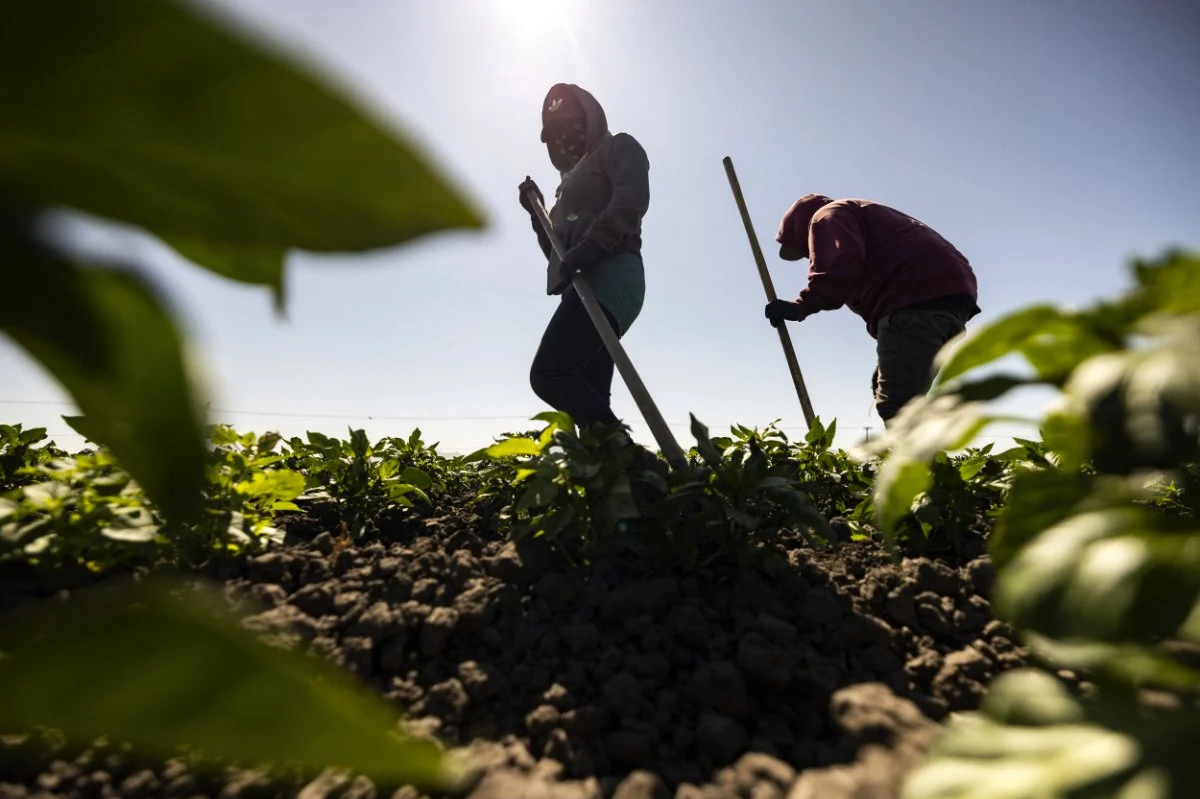
On a crisp first Friday in October, the unincorporated town of Points, West Virginia, buzzed with the familiar preparations at Cooper Farms. Tim and Rebecca Cooper were orchestrating the final touches before heading to the weekly farmers’ market in nearby Paw Paw. Rebecca deftly balanced a black crate brimming with lustrous red grape tomatoes on her hip, while behind her, rows of plump squash stretched across the fertile land. Tim, with the practiced ease of a seasoned farmer, climbed onto the seat of an old John Deere 2350, his call summoning their five daughters.
From the farmhouse and the swing set, the girls appeared, a flurry of motion—one in sneakers and pink shorts, another barefoot in a sundress. As Tim slowly drove the tractor, an attachment gently loosening the soil, the girls followed, their small hands eagerly reaching into the rich dirt. They unearthed carrots, tossing them into waiting crates with shouts of delight. “I got one!” yelled Gabby, the youngest, her participation a joyful blend of play and nascent labor. She held up a carrot like a prized catch, a wide grin revealing a gap between her two front teeth. Within minutes, their collective effort had yielded enough fresh produce for the market.
These moments of shared labor and familial joy have been the bedrock of Cooper Farms since its inception in 2019. Beyond the personal fulfillment, Tim and Rebecca are driven by a profound desire to nourish their community, particularly those who might otherwise struggle to access healthy food. However, maintaining this balance has proven increasingly arduous. In the past two years, like many small agricultural producers across West Virginia and the nation, the Coopers have faced significant headwinds, exacerbated by shifts in federal policy that have made their operations harder to sustain. Their dedication to local food systems and hunger relief has even led them to advocate in Charleston, the state capital, and Washington, D.C., underscoring the urgency of their cause.
The Rise and Abrupt Fall of Federal Support for Local Food
The most significant hurdle for Cooper Farms emerged from what initially appeared to be an extraordinary opportunity. In 2022, under the Biden administration, the U.S. Department of Agriculture (USDA) launched the Local Food Purchase Assistance (LFPA) Program. This initiative, part of the broader Build Back Better agenda, was designed to strengthen local and regional food systems by enabling state agencies, food banks, and other organizations to purchase food directly from local and regional farmers and distribute it to underserved communities. The program aimed to address multiple objectives: bolstering the economic resilience of small and mid-sized farms, enhancing food security, and improving the nutritional quality of food available in food banks.
West Virginia’s Mountaineer Food Bank was a key beneficiary, receiving federal funds through LFPA to procure produce and meat grown within the state. This created a direct and reliable market for local farmers. For the Coopers, this meant an offer to purchase nearly all the vegetables and pork they could produce. For Tim, who grew up in poverty with vivid memories of his mother’s struggles to put food on the table, this was a dream realized—getting paid to feed families like his own.
Responding to this unprecedented demand, Cooper Farms embarked on a significant expansion. They invested in new high tunnels, enabling year-round cultivation of crops such as cabbage, arugula, and various lettuces. By March 2025, these new structures and the surrounding fields were bursting with an anticipated harvest. The Coopers had scaled up, committing substantial capital, labor, and resources based on the promise of these contracts.

However, this promising trajectory was abruptly halted. In early 2025, the Trump administration, following a change in federal leadership, moved to cancel the LFPA funding. This decision, part of a broader re-evaluation of federal spending and agricultural policy, effectively dismantled the burgeoning local food infrastructure that the program had begun to establish. Representatives from Mountaineer Food Bank delivered the devastating news to the Coopers: they would no longer be able to purchase the contracted food.
“All that money is spent. Everything’s ordered. Now, where do you go with it? We can’t just go to the local store and try to sell a half-a-million-dollar crop,” Tim recounted, his voice tinged with the lingering heartbreak of that moment. The prospect of failure, particularly in the eyes of his five daughters, weighed heavily on him. Rebecca echoed his fears, emphasizing the panic that strikes a parent facing such uncertainty. “Having five kids, it really brings panic,” she said. “Two of our kids were born in this house here on this farm. You’re thinking that you’d hate to have to leave here and go do something else.”
The Coopers’ experience was not isolated. Across West Virginia, Nathan Bergdoll, a planning coordinator for the state Department of Agriculture, confirmed that countless farmers and low-income communities faced identical conversations. “The opportunities are just not there for local food, period,” Bergdoll lamented. “And I just don’t know what to do for folks half the time, because they’re calling me saying, ‘I’m going to be bankrupt. I’m going out of business. I’m going to have to sell my home. I’m going to have to sell my property.’ Some of those programs were really building out local communities and food systems around them, and now that’s all fallen to pieces for no apparent reason.”
The cancellation was particularly jarring for Tim given the Trump administration’s alignment with Robert F. Kennedy Jr.’s "Make America Healthy Again" (MAHA) movement. Tim had seen news of potential budget cuts but believed that MAHA’s focus on healthy food would shield local producers. “There’s no possible way that they’re going to take this money from local producers,” he recalled thinking. Adding to the frustration, West Virginia’s Republican Governor Patrick Morrissey, an early proponent of MAHA’s healthy food objectives, declined to fund a similar state-level program. Tim noted, “Our governor, he just does not want to hear it at all, and a lot of our legislators don’t want to hear it.” This political impasse left local farmers and food banks scrambling without a safety net.
Stretching SNAP Dollars: A Lifeline in Food Deserts
Despite the significant setback, the Coopers’ commitment to feeding their community remained unwavering. Later that October afternoon, they arrived at the newly established Magnolia Market in Paw Paw, run by Community Markets, Inc. This market serves a vital role in Paw Paw, a small village of approximately 400 residents nestled along the Potomac River. The closest full-service grocery store is a prohibitive 30-minute drive away, leaving residents largely reliant on a gas station and a Dollar General for their basic needs. On that day, the Dollar General’s sparse shelves offered packaged peanut brittle and bottled lemon juice in a tiny produce section, while completely empty meat cases bore signs proclaiming them "temporarily unavailable," starkly illustrating the town’s status as a food desert.
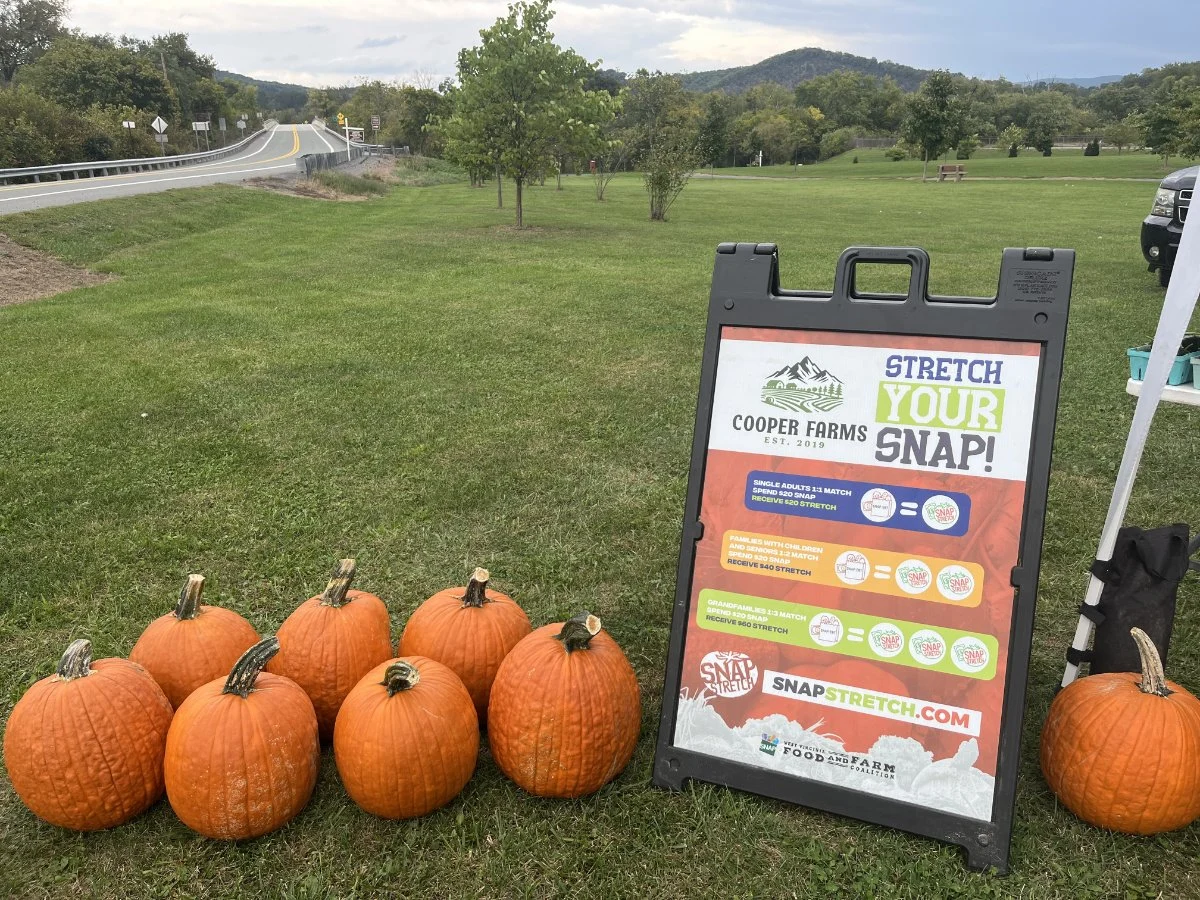
Just steps away, on the lawn of the town’s visitors’ center, the Coopers meticulously arranged their harvest: vibrant peppers, ripe tomatoes, succulent watermelons, dark purple and green beans, and earthy potatoes. Pumpkins and gourds added a touch of autumnal festivity, clustered beside a sign encouraging shoppers to “Stretch Your SNAP!” Rebecca proudly displayed the colorful SNAP Stretch "dollars" she distributed to customers utilizing Supplemental Nutrition Assistance Program (SNAP) benefits. This innovative program offers additional purchasing power for local produce—one extra dollar for single adults, two for families with children, and three for grandparents raising children—effectively doubling the impact of federal food assistance for local, healthy food.
Beverly Kerns, a lifelong Paw Paw resident and market volunteer, sat nearby, conversing with families. Kerns, 67, raised two children as a single parent in Paw Paw and became disabled by age 30. Now a senior citizen battling ongoing health issues, she has long relied on SNAP to afford groceries. Each week, she purchases produce from the Coopers, her SNAP benefits augmented by the SNAP Stretch program. Preparing for winter, she had already canned 20 quarts of green beans, frozen 14 jars of vegetable soup, and made pizza sauce and salsa for her grandchildren—a testament to the program’s impact on food security and healthy eating. She noted the significant price difference between the market’s fresh meat and the closest Walmart, 45 minutes away, confirming the local market’s superior value.
Tim Cooper attests that the need for food assistance has only intensified in recent years. The Coopers witness the pervasive food insecurity among families at the market each week. His response is simple yet profound: “Whether they can pay us or not, they’re never turned away. I’ve lived that lifestyle, and where we’re at right now in life, we’re blessed to be a blessing to people. Until the Lord shows me otherwise, this is exactly what we’re going to do.” This ethos underscores the vital role that local farmers and community-driven initiatives play in filling the gaps left by larger systemic failures.
Soaring Input Costs and the Disappearing Farmland

While their customers contend with high food prices, Tim and Rebecca Cooper face their own set of escalating economic challenges. The cost of agricultural inputs—the essential resources needed for farming—has soared. “Right now, our biggest challenges are that fertilizer is going up and diesel is through the roof and steadily going up,” Tim explained. “It’s tight enough margins as it is, and this isn’t helping at all.” According to USDA Economic Research Service data, farm production expenses have seen significant increases in recent years, with fertilizer and fuel costs being particularly volatile. For instance, the price of nitrogen fertilizers surged by over 100% between 2020 and 2022, and while prices have slightly moderated, they remain historically high. Diesel fuel, crucial for running tractors and transporting goods, has also experienced dramatic price fluctuations, adding unpredictable costs to farm budgets. The Coopers typically order supplies a year in advance, creating immense uncertainty as they look to November, when they begin the process of estimating next year’s expenses.
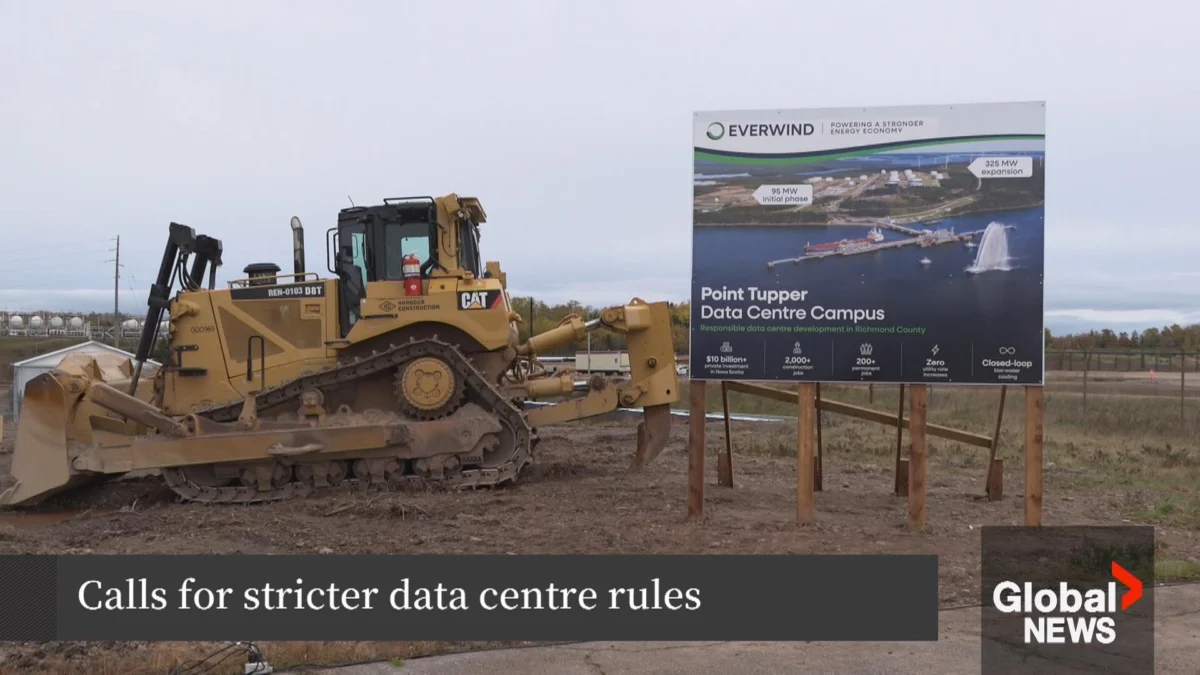
Adding to the financial strain is the alarming trend of rising land prices. One of the Coopers’ blessings was their foresight in purchasing their farm for $2,500 per acre. Just last year, comparable properties in their valley sold for $6,000 and even $10,000 an acre. This dramatic appreciation in land value, mirrored in many rural areas across the country, is driven by several factors: an influx of wealthy families seeking country vacation homes, increased demand for recreational properties, and aggressive acquisition by developers for projects such as data centers. These data centers, with their immense land and energy requirements, often displace agricultural land, posing a significant threat to local food systems. Once land in their region goes up for sale, Tim observes, it is increasingly unlikely to remain in agricultural production. This trend threatens the very foundation of farming communities and makes it nearly impossible for aspiring or expanding farmers to acquire affordable land.
In this context, what the Coopers achieve at Cooper Farms becomes even more precious. Here, a family meal can be prepared almost entirely from what they cultivate—pork ribs from the pigs grunting in the bright red barn, scalloped potatoes made from spuds dug up earlier that summer. It is a testament to self-sufficiency and sustainable living. “Agriculture is the backbone of America,” Tim asserted, reflecting on the broader implications of these challenges. “I can’t think of a small town where you can’t ride down and see an old, abandoned fruit stand on the side of the road somewhere. That was someone’s livelihood.”
Implications and the Path Forward
The experience of Tim and Rebecca Cooper illuminates a critical juncture for American agriculture and food security. The abrupt cancellation of the LFPA Program by the Trump administration, despite its stated alignment with "healthy America" initiatives, underscores the fragility of local food systems when dependent on shifting political priorities. The program’s demise represents a significant blow to the nascent infrastructure that was connecting small farmers to food-insecure communities, effectively reversing progress made in fostering regional food economies.
For West Virginia, a state consistently ranking high in food insecurity, the impact is particularly acute. Without federal programs like LFPA and with a lack of state-level commitment, the burden of ensuring access to fresh, healthy food falls disproportionately on local initiatives like the Magnolia Market and the tireless efforts of farmers like the Coopers. While programs like SNAP Stretch are invaluable, they cannot fully compensate for the systemic support needed to build robust, resilient local food systems.
The escalating costs of agricultural inputs and the relentless rise in farmland prices further compound the challenges for small and mid-sized farms. These economic pressures threaten to push more family farms out of business, leading to increased consolidation in the agricultural sector and a greater reliance on large-scale, industrial food production. This, in turn, can exacerbate issues of food access, environmental sustainability, and rural economic vitality.
The Coopers’ story is one of profound resilience, a steadfast refusal to yield to adversity. Their advocacy, whether in the fields of Points or the halls of Washington, D.C., highlights the urgent need for consistent, bipartisan support for policies that strengthen local food systems, protect agricultural land, and ensure that all Americans have access to nutritious food. Their daily struggle is a microcosm of a larger national debate about the future of food, farming, and community well-being in America. The abandoned fruit stands Tim Cooper observes are not just relics of the past; they serve as a potent warning for the future if the backbone of American agriculture is allowed to break.