admin
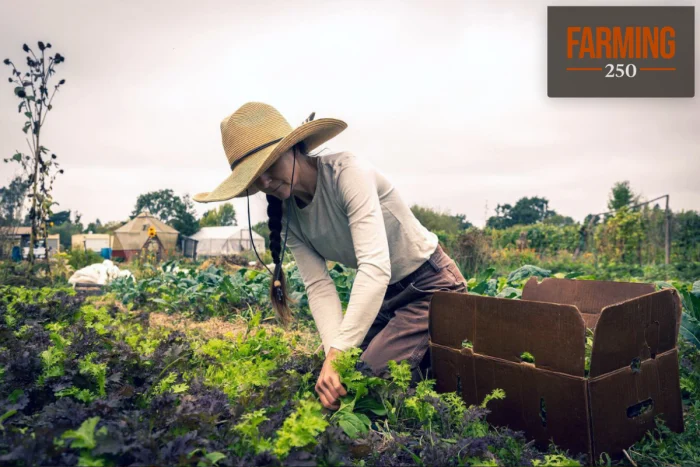
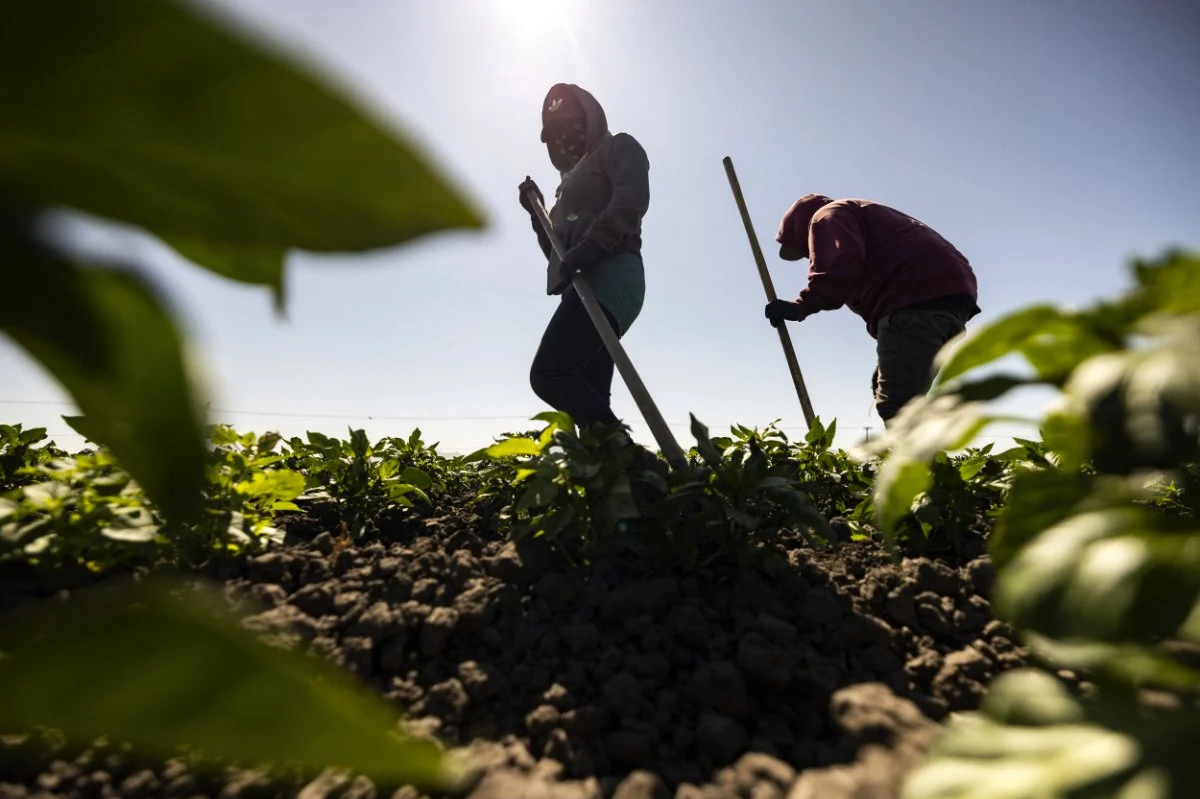
The agricultural sector, often romanticized for its connection to land and nature, frequently demands an intensity of labor that stretches human capacity. One farmer’s experience, starting in 2009, illustrates this stark reality, detailing periods of working 80, 90, or even 100 hours per week. This dedication, driven by a deep sense of stewardship, underscores a pervasive issue within small-scale agriculture: the relentless demands placed on individuals striving for both environmental sustainability and personal livelihood. The narrative highlights that for many, farming is not merely a profession but a profound relationship, one that continuously demands significant investment of time and energy.
This rigorous work ethic, characterized by laboring from dawn until well after dusk, especially during longer summer days, is a common thread among independent farmers. The farmer recounted working until 9:15 p.m. when the sun set at 9 p.m., finding a perverse relief in the shorter, darker days of winter as they curtailed the seemingly endless cycle of toil. This relentless engagement with the land, encompassing both the inherent joys of cultivation and the grueling physical demands, shaped nearly two decades of agricultural practice.
The Genesis of a Farming Career Amidst Economic Uncertainty
The journey into farming began in 2009, a period marked by the lingering aftermath of the Great Recession. With limited initial capital and an absence of a concrete business plan, the aspiring farmer, then 25 years old, leveraged existing community resources and personal connections. Despite holding a college degree and gaining internship experience in both non-profit organizations and agricultural settings, formal job prospects were scarce in the depressed economic climate. This scenario was not uncommon, as many graduates faced a challenging job market, prompting unconventional career paths.
Drawing on a fortunate upbringing on an acre of land in Northern California, which provided foundational exposure to cultivation, the farmer initiated operations with borrowed equipment—a neighbor’s tractor—discounted seeds acquired through part-time work at a seed shop, and a potential market identified through waitressing at a local café. The initial planting of 50 feet of radishes, yielding a successful crop, served as both a tangible achievement and a moment of strategic uncertainty, encapsulated by the thought, "Now what?"
This nascent operation quickly evolved into a small Community Supported Agriculture (CSA) program in its inaugural year. The direct exchange of homegrown produce for $20, a seemingly modest sum, represented a profound validation of effort and connection to the food system. The following year saw an expansion of the CSA membership and the addition of a farmers’ market presence, diversifying sales channels. Despite these advancements, financial viability remained elusive. The farmer continued to rely on income from waitressing tips, with farm earnings primarily reinvested or supplementing the household budget. This dual income strategy, while enabling the farm’s continued operation, mirrored a broader trend among small and mid-sized farm households in the United States, where off-farm income often constitutes a significant portion of total household earnings. Despite the financial struggles, this early period was described as "magical," highlighting the intrinsic rewards that often offset the economic hardships of beginning farmers. However, this initial enchantment gradually gave way to the accumulating challenges inherent in agricultural work.
Physical Toll and the Pursuit of a "Backup Plan"
By the third season, at the age of 28, the physical demands of farming began to manifest, particularly in the form of back pain. This early onset of physical strain served as a critical turning point, prompting reflections on the long-term sustainability of the chosen career path. The inherent stubbornness in the farmer’s resolve was met with the growing recognition that a long-term strategy might necessitate alternative skills or supplementary income streams. This experience is corroborated by numerous studies on farmer health, which frequently cite musculoskeletal disorders, chronic pain, and injuries as prevalent issues due to the repetitive, strenuous nature of farm work.
In response to these mounting physical pressures, the farmer temporarily stepped away from direct farming for two seasons to pursue a master’s degree on the East Coast. The chosen field, urban and environmental policy and planning with a specialization in food systems, reflected an evolving understanding of the broader context in which agriculture operates. While the specific career trajectory post-graduate school remained unclear, the pursuit of higher education was perceived as a crucial "backup plan"—a strategic move to acquire transferable skills and broaden professional horizons. Initial visions included teaching and developing food systems programs at local universities, underscoring a desire to contribute to systemic change beyond the physical confines of a farm.
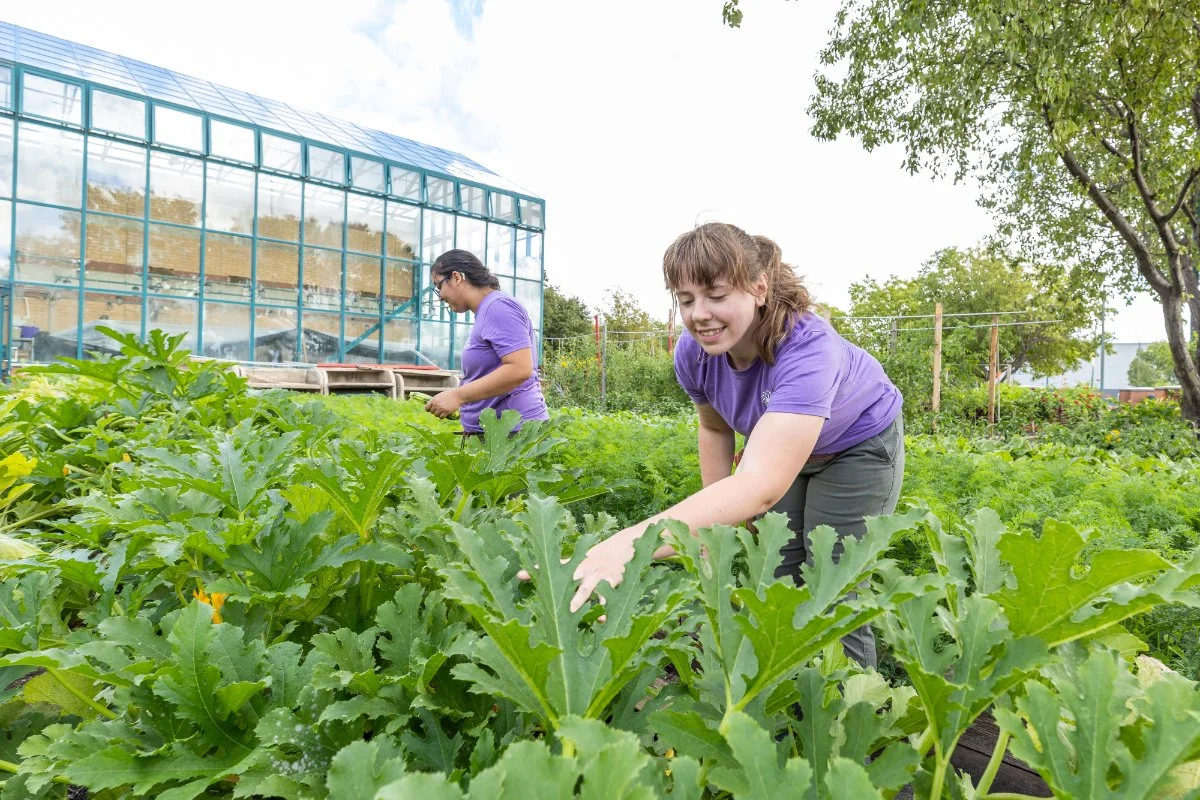
Upon completing the master’s degree, a divergence from many peers who pursued PhDs or careers in city and regional planning, the call of the land proved irresistible. The farmer returned to agriculture, but with a refined approach. A conscious decision was made to forgo the pressures of a CSA model, opting instead for sales at a thriving farmers’ market. This strategic shift marked a significant improvement in financial success, with market earnings increasing from a few hundred dollars to a consistent $1,200-$1,500 per market. While still modest compared to larger agricultural operations, this represented a pivotal step towards greater financial stability, allowing the farmer to subsist on an annual income of approximately $30,000. This period was characterized by a profound sense of fulfillment, described as "pulling art from a canvas of soil" and experiencing the "pinnacle of connectedness." The golden hours spent on the land, surrounded by the natural rhythm of bees and birds, reaffirmed the intrinsic value of the work, even amidst its enduring challenges.
Expanding Horizons: Education, Advocacy, and Community Building
The farmer’s academic background and practical experience soon opened new avenues. An invitation to expand the farm onto an educational site, coupled with an opportunity to teach within their farming program, marked a significant professional evolution. Concurrently, a recommendation led to an adjunct faculty position teaching agroecology at Sonoma State University. The master’s degree, initially conceived as a "backup plan," proved instrumental in conferring academic credibility and opening doors within higher education.
This pivot towards education and policy was not merely opportunistic; it was deeply rooted in the farmer’s initial motivations for entering agriculture: a desire to engage with the politics of food. The realization emerged that while direct farm work was impactful, addressing the systemic injustices and ecological degradation required broader engagement. This led to a commitment to "move outward to contribute to broader change amidst an oppressive world." Despite living in an environmentally conscious region, the farmer observed a scarcity of land-based allies actively working to dismantle the systemic oppressions from which ecological crises often stem.
In 2016, this commitment materialized through the organization of "Celebrating Womxn’s Leadership in Food" (CWLF), a symposium dedicated to amplifying the work of women of color and gender-expansive individuals within the local food community. This initiative underscored a crucial understanding of intersectionality—that environmental sustainability is inextricably linked to social justice and equity. This period marked a rich confluence of farming, teaching, and community organizing, weaving together ecology, community, and justice.

The Broader Economic Landscape for Farmers
The subsequent years established a sustainable rhythm, integrating farming, teaching, and community building. CWLF secured funding and developed a leadership circle, a critical step in ensuring inclusive and impactful work, particularly for a white, cis-gendered woman leading an initiative focused on marginalized communities. The organization expanded its scope to include mutual aid network-building during the COVID-19 pandemic, alongside its core mission of fostering connection and celebration. Teaching agroecology each semester and mentoring new farmers through organizations like Agroecology Commons further solidified the farmer’s multifaceted career.
However, this successful integration of roles also highlighted a pervasive economic reality: farming, teaching, and community organizing are among the most undervalued and underfunded professions in the United States. A critical insight often omitted in discussions with aspiring farmers is the statistical reality that, on average, farming families in the U.S. rely on off-farm income for approximately 80% of their total household income, according to data from the U.S. Department of Agriculture (USDA) Economic Research Service. This statistic challenges the conventional perception of farming as a self-sustaining primary income source.
As a single earner, the pressure to generate income from both farm and off-farm activities intensified over the years. This led to an unconscious trap of increased workload and self-sacrifice, pushing the farmer "beyond reasonable capacity." The internal struggle stemmed from a desire for financial self-sufficiency through farming, despite the systemic barriers. Looking back, the farmer acknowledged significant personal sacrifices, particularly concerning physical and emotional health. This reflection underscored the critical importance of balance, a lesson that often takes years to internalize. The advice to a younger self would be to prioritize well-being, recognize that self-worth is not defined by a single pursuit, and embrace the iterative process of trying, failing, learning, and adapting.
A Breaking Point and the Path to Resilience
The cumulative toll of relentless work and environmental pressures reached a critical juncture in 2022. Following a catastrophic drought year in California, the farmer experienced severe burnout and the onset of a health crisis. Symptoms included intense facial flushing, extreme sensitivity to heat and sun, and profound physical weariness. This alarming decline prompted a friend’s prescient warning: "Your values will never let you stop farming, but your body will make you." This realization underscored the urgent need for structural changes to the farming model.
The inability to continue working under direct sun for extended periods necessitated a radical reorganization of the farmer’s life and work portfolio. Inspired by a casual suggestion, the farmer shifted focus to winter farming, a model that eliminated summer bed-flipping, intensive summer harvests, and exposure to peak summer heat. This transition involved cultivating long-season, low-labor crops such as winter squash, onions, polenta corn, dry beans, herbs, chilies, and garlic. While this shift would reduce direct farm income, it allowed for increased energy to be channeled into academic research, providing a crucial supplementary income stream. This strategic adaptation was further bolstered by securing funding for a three-year study examining the ecological, financial, and emotional realities of transitioning to this model amidst health and climate crises.
This adaptive strategy not only addressed the immediate health concerns but also rekindled the joy in farming that had been overshadowed by the pressures of "survival mode." Crucially, it fostered an acceptance of the necessity of off-farm income, a concept previously desired but not fully embraced as essential for sustainability. This marked a significant personal paradigm shift: recognizing that prioritizing rest and physical healing was paramount for long-term engagement with the land, and that this adaptation did not equate to failure but rather represented a realistic response to specific contextual and systemic challenges.
Concurrently, the vision for a food systems program at Sonoma State University, nurtured during graduate studies, gained renewed momentum. The farmer successfully established the Center for Just and Resilient Food Systems, a significant institutional development that will soon include new programming and a food systems minor. This initiative underscores a commitment to integrating academic rigor with practical application, fostering the next generation of food systems leaders.
Lessons for the Next Generation of Farmers
The farmer’s journey, continuing to weave together teaching, organizing, and farming, exemplifies a dynamic and adaptive approach to agricultural stewardship. It challenges the conventional entrepreneurial spirit often associated with farming, suggesting that while it can be beneficial, it is not the sole determinant of finding balance and meaning in land stewardship and social transformation. The inherent addictive and consuming nature of farming, with its endless tasks, often encourages continuous exertion.
However, achieving emotional, physical, and financial stability within the current political and economic realities demands balance. There is no universal recipe for this equilibrium; it varies significantly based on individual interests, strengths, and personal circumstances. As the agricultural community encourages and trains new farmers, there is an imperative to be transparent about these realities. This includes openly discussing the inherent difficulties and the near impossibility of achieving financial self-sufficiency solely through small-scale farming for the majority.
This honesty can alleviate feelings of failure among new farmers who may struggle to meet unrealistic expectations. While exceptions exist, the reliance on diversified income streams or off-farm work is often the rule. The question of whether society ought to value its farmers more is an obvious one, typically met with affirmative consensus. The more pressing inquiry, however, is how to effectively support the next generation of farmers and enable them to learn from the experiences and adaptations of those who have navigated these challenges.
Transparency, therefore, becomes a cornerstone of mentorship and community building within agriculture. This means sharing not only the triumphs and the "magic" of farming but also the profound struggles. It involves openly discussing stewardship practices alongside financial realities, fostering joy while simultaneously calling out systemic injustices embedded within the food system. By recognizing that learning, change, and growth are continuous processes, and that all farmers, colleagues, and friends are also mentors to one another, the agricultural community can build a more resilient, equitable, and sustainable future.