admin
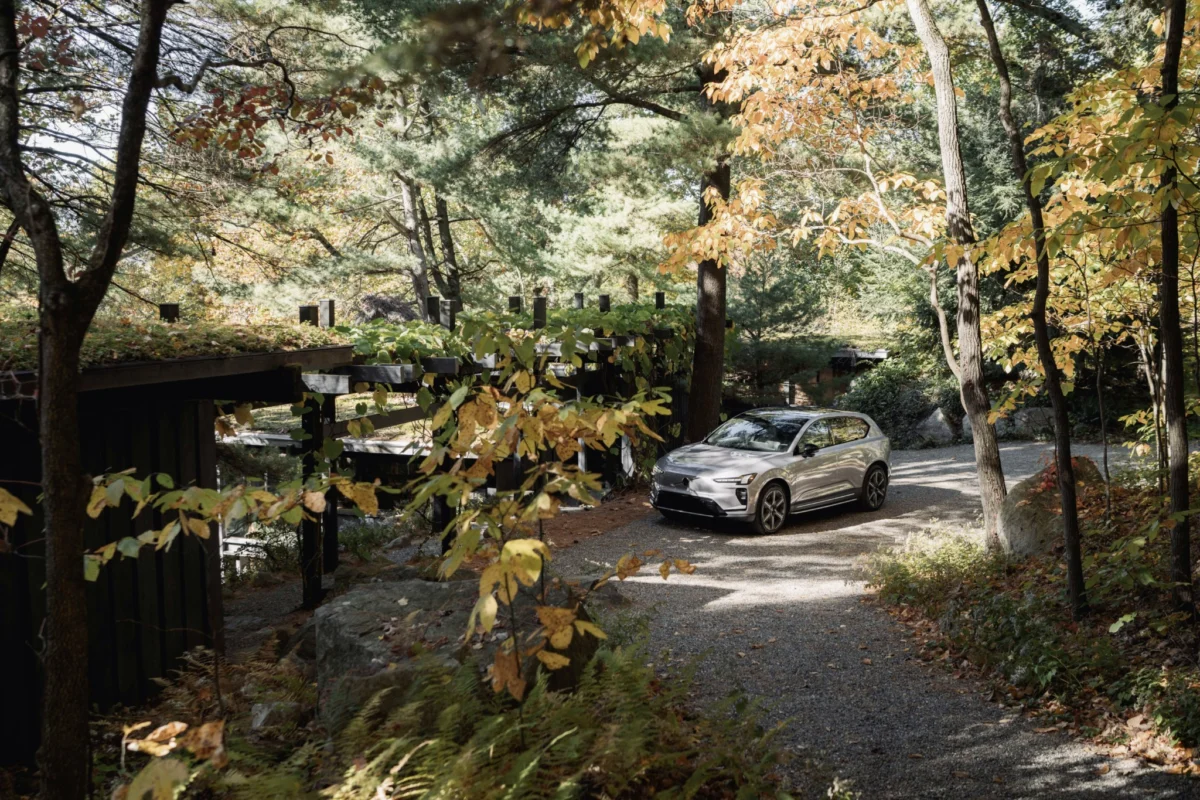
The automotive industry is currently witnessing a profound shift in the definition of luxury, moving away from ostentatious displays of wealth toward a more restrained, thoughtful, and environmentally conscious aesthetic. Volvo Cars, the Swedish automaker long synonymous with safety and functionalism, has solidified its position at the forefront of this movement with the unveiling of the all-electric EX60. This new mid-size SUV, along with its rugged counterpart, the EX60 Cross Country, represents a culmination of decades of design evolution, specifically tailored for a new era of electrification. Under the guidance of Sara Erichsen Susnjar, Senior Color and Material Design Manager at Volvo Cars, the EX60 serves as a manifesto for "quiet luxury," where the value of the vehicle is found not in loud branding, but in the intricate, nature-inspired details that reveal themselves to the observer over time.
The Evolution of Volvo’s Electric Portfolio
The introduction of the EX60 marks a critical milestone in Volvo’s ambitious roadmap to becoming a fully electric car company by 2030. Following the launch of the flagship EX90 and the compact EX30, the EX60 targets the highly competitive mid-size SUV segment, which remains the heart of the global premium automotive market. Historically, Volvo’s "60-series" vehicles have been the brand’s top sellers, balancing the spatial requirements of families with the agility needed for urban environments. By transitioning this core model to a purely electric drivetrain, Volvo is not merely updating a product line but is fundamentally re-engineering the brand’s identity around sustainability.
The design process for the EX60 began several years ago, coinciding with Volvo’s broader commitment to climate neutrality by 2040. The mandate for the design team was clear: create a vehicle that embodies the principles of Scandinavian design—simplicity, functionality, and a deep connection to nature—while utilizing materials that significantly reduce the car’s carbon footprint. This transition required a departure from traditional luxury staples, such as bovine leather and high-gloss plastics, in favor of recycled, bio-attributed, and circular materials.
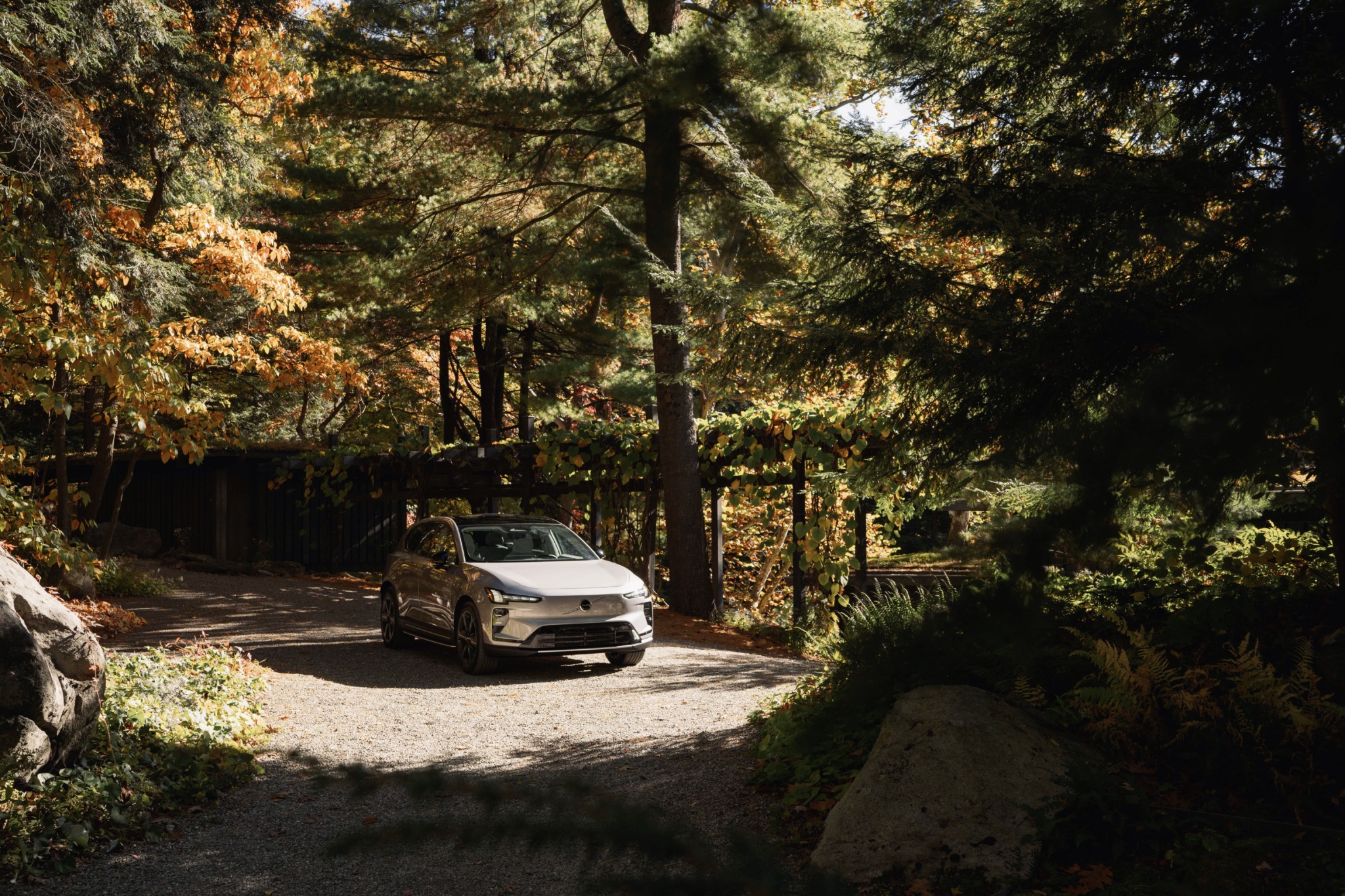
A Design Philosophy Rooted in Subtlety
Sara Erichsen Susnjar, a 20-year veteran of Volvo Cars, has been instrumental in defining the visual and tactile language of the brand’s modern era. Her philosophy is built on the premise that Scandinavian design "never shouts." According to Susnjar, the reward for the owner comes upon closer inspection, where subtle patterns and textures provide a sense of discovery. This approach is a direct response to the increasing "digital fatigue" experienced by modern consumers. By grounding the EX60’s interior in organic textures and natural inspirations, the design team aims to create a "sanctuary on wheels" that provides a psychological reprieve from the high-tech world.
The EX60 and EX60 Cross Country were developed concurrently to ensure a cohesive design language that could be adapted for different lifestyles. While the standard EX60 focuses on a refined, urban aesthetic, the Cross Country variant emphasizes durability and an adventurous spirit. However, both models share a foundational commitment to "Forest Finds"—a methodology where the design team literally walked into the woods surrounding Volvo’s Gothenburg studio to find inspiration.
The "Forest Finds" Methodology and Chronology
The development of the EX60’s interior palette did not begin in a laboratory or a digital rendering suite, but on the forest floor. The design team, led by Susnjar, utilized their routine breaks and lunch hours in the woodlands adjacent to their studio to collect organic samples. This process, which took place over several seasons, involved gathering mushrooms, twigs, stones, moss, and various herbs.

Once brought back to the studio, these objects underwent a rigorous process of documentation and digitization. The team used high-resolution 3D scanning and casting techniques to capture the microscopic details of bark and the chaotic yet harmonious patterns of lichen. These digital assets were then translated into the textures found on the EX60’s seatbacks and door panels. For example, the base carpet of the vehicle—a component often overlooked in automotive design—was color-matched to the specific hues of foraged finds from the Swedish woods, ensuring that the very foundation of the cabin feels rooted in the earth.
This chronological approach to design—from physical foraging to digital translation and finally to industrial manufacturing—ensures that the final product retains a "soul." As Susnjar notes, the inherent variations and imperfections found in nature are what make each interior feel unique, providing a contrast to the clinical precision often associated with modern electric vehicles.
Material Innovation and the Departure from Leather
One of the most significant shifts in the EX60 is the absence of traditional leather, replaced by a suite of high-performance, sustainable alternatives. The flagship material is Nordico, a Volvo-exclusive textile made from recycled bottles (PET), bio-attributed materials from sustainable forests in Sweden and Finland, and recycled corks from the wine industry.

For the EX60, the Nordico upholstery features a sophisticated perforation pattern inspired by the intersection of waves. Alongside Nordico, Volvo offers a tailored wool-blend option. This material is not only renewable but also offers superior thermal regulation, keeping passengers warm in winter and cool in summer without the "sticky" feel of synthetic materials. The use of wool also speaks to a regional heritage of textile craftsmanship, positioning the EX60 as a product of its cultural environment.
The interior decor is further enhanced by the use of ash wood. Unlike the heavily lacquered woods of the past, the ash wood in the EX60 is treated to retain its natural grain and "open-pore" feel. This allows the material to age gracefully, developing a patina over time that reflects the life of the vehicle.
Integrating High-Tech with High-Touch
While the EX60 is a testament to organic design, it remains one of the most technologically advanced vehicles in Volvo’s lineup. The cabin is centered around a 15-inch curved OLED display that features Google built-in. This system provides seamless integration of Google Maps, Google Assistant, and the Google Play Store, ensuring that the vehicle’s software is as intuitive as a smartphone.

The challenge for Susnjar’s team was to integrate this massive screen without it dominating the sensory experience. The solution was "High-Touch" design—surrounding the digital interface with warm, natural materials. The contrast between the cold, precise glass of the OLED screen and the warm, textured ash wood and wool creates a balanced environment.
Furthermore, the EX60 introduces the "Forest Leaves Projection." This interior lighting option uses specialized projectors to cast the silhouettes of leaves across the cabin, mimicking the effect of sunlight filtering through a forest canopy (known in Japanese as komorebi). This feature, born from a collaboration with Volvo’s lighting specialists, exemplifies the brand’s shift from functional illumination to emotional ambiance.
The Intersection of Art and Utility: The Skagen Wave
A recurring motif throughout the EX60 is a pattern derived from the convergence of two seas—the Skagerrak and the Kattegat—off the coast of Skagen, Denmark. The design team visited this unique geographical point to observe how the waves from different bodies of water intersect, creating a complex, non-repeating grid.
This "crossing-wave" form was refined through numerous sketches before being applied to the vehicle’s subwoofer mesh, rubber floor mats, and the knitted seats of the Cross Country model. However, the pattern serves a dual purpose. Beyond its aesthetic connection to the Scandinavian coastline, the geometry of the crossing waves was engineered to optimize the cutting of materials during the manufacturing process. By using a pattern that does not require strict linear alignment, Volvo was able to minimize textile waste significantly. "Because of that," Susnjar explains, "none of the seats look exactly the same," turning a sustainability initiative into a mark of bespoke luxury.
Market Positioning and Broader Industry Implications
The EX60 arrives at a time when the premium EV market is becoming increasingly crowded. Competitors such as the BMW iX3, the Audi Q6 e-tron, and the Tesla Model Y have all staked claims in the mid-size segment. Volvo’s strategy with the EX60 is to compete on the basis of "values" rather than just "specs." While range and charging speed remain critical, Volvo is betting that consumers are increasingly looking for vehicles that align with their ethical and aesthetic preferences.
Industry analysts suggest that Volvo’s focus on interior "well-being" could become a significant differentiator. As autonomous driving technologies advance and drivers spend less time focused on the act of steering, the interior environment becomes the primary product. By investing in tactile quality and natural inspirations, Volvo is positioning the EX60 as a leader in the "third space" movement—where the car is viewed as an extension of the home or office.

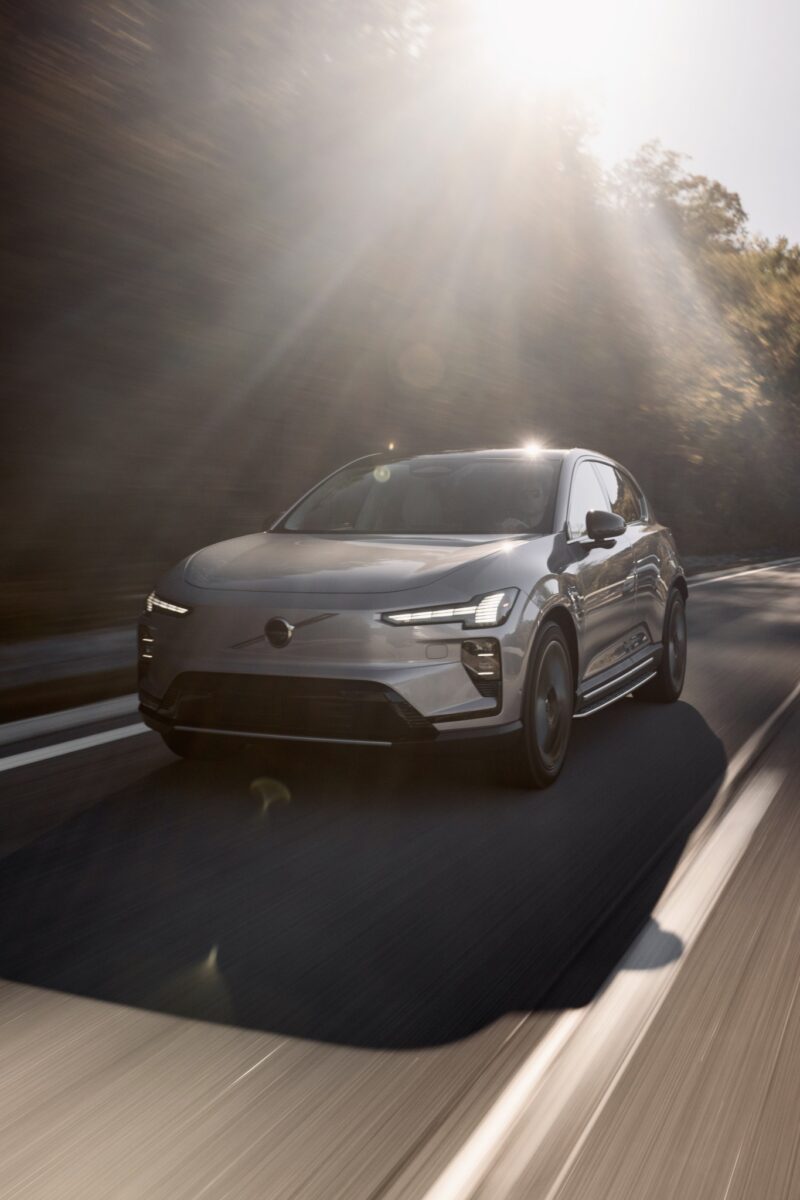
Furthermore, the EX60’s exterior palette, featuring colors like Forest Lake and Heather Bronze, reflects a sophisticated understanding of light. Heather Bronze, inspired by weathered metals and autumn fields, is designed to shift in appearance depending on the time of day, further emphasizing the vehicle’s connection to the changing natural world.
Conclusion: A New Standard for the Electric Era
The Volvo EX60 is more than a new car; it is a representation of how the automotive industry can reconcile high-performance technology with environmental stewardship and artistic integrity. By looking to the forests of Sweden and the seas of Denmark, Volvo has created a vehicle that feels timeless rather than trendy.
Under the direction of Sara Erichsen Susnjar, the EX60 proves that sustainability does not require a sacrifice in quality or beauty. Instead, it offers a new kind of luxury—one that is discovered in the quiet details, the recycled textures, and the shadows of leaves on a dashboard. As Volvo continues its journey toward a fully electric future, the EX60 stands as a benchmark for what a modern, responsible, and beautiful vehicle should be. Through the intelligent application of Scandinavian design principles, Volvo has ensured that while their cars may not "shout," their message of sustainable innovation is heard loud and clear across the global automotive landscape.