admin
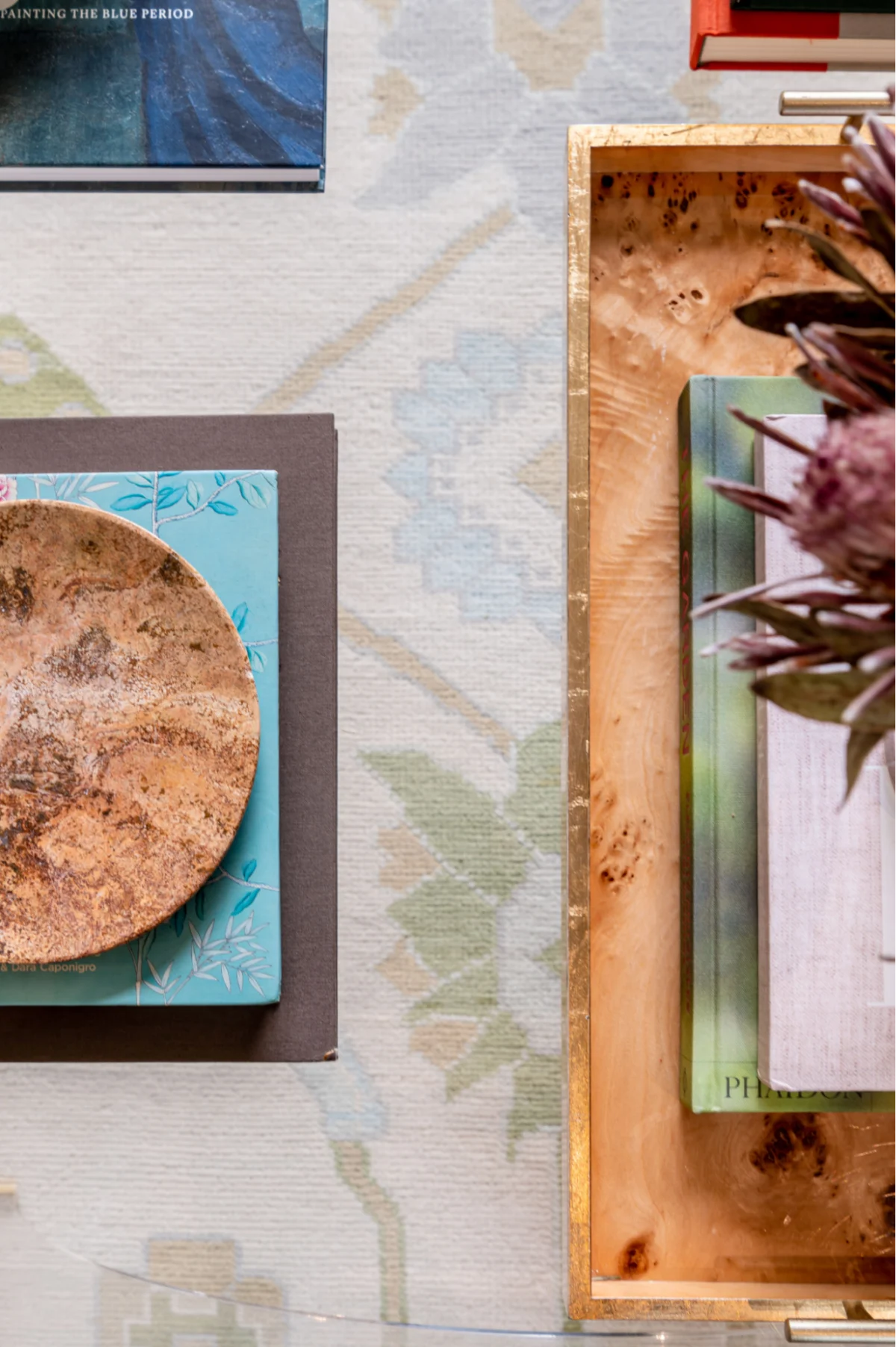
Burlwood has re-emerged as a cornerstone of high-end interior design, offering a visual complexity and organic depth that few other natural materials can replicate. Characterized by its swirling, multidimensional grain and naturally irregular patterns, burlwood is currently experiencing a significant revival across the furniture and architectural sectors. This distinctive aesthetic is derived from burls—rounded, abnormal growths found on tree trunks or branches. While these growths are often the result of environmental stress, injury, or fungal infection, they produce some of the most sought-after timber in the world. As homeowners and designers move away from the sterile minimalism of the previous decade, burlwood has become a primary tool for introducing "quiet luxury" and a sense of history into contemporary spaces.
The Biological and Economic Profile of Burlwood
To understand the prestige of burlwood, one must first understand its rarity. A burl is essentially a tree’s response to a traumatic event. When a tree experiences a form of stress—such as a viral infection, a mold infestation, or physical damage—the growth hormones are disrupted, causing the tree to produce a dense mass of dormant bud tissue. Instead of growing straight and predictable grain, the wood fibers twist and turn in chaotic, beautiful configurations.
Because burls are localized growths and not a standard feature of every tree, the yield of usable burlwood is remarkably low compared to standard lumber. This scarcity, combined with the difficulty of harvesting and milling the dense, knotty wood, places burlwood in a high-tier price bracket. In the global timber market, high-quality burl veneers from walnut or maple trees are frequently sold at a significant premium, often reserved for luxury automotive interiors, high-end musical instruments, and bespoke furniture.

A Chronology of Influence: From Art Deco to the Modern Era
The current popularity of burlwood is the third major peak in its modern history. Each era has utilized the material to reflect the prevailing cultural attitudes toward nature and luxury.
The Art Deco Era (1920s–1930s): During this period, burlwood was synonymous with the height of European sophistication. French cabinetmakers used highly polished veneers to create geometric, symmetrical furniture. The material represented a mastery over nature, where the wild patterns of the wood were tamed into sleek, glossy forms for the elite.

The Modernist Revival (1970s): The 1970s saw a shift toward "organic modernism." Designers like Milo Baughman popularized burlwood by pairing it with chrome and glass. This era embraced the material’s warmth and earthiness, moving away from the rigid formality of the Art Deco period and toward a more relaxed, bohemian luxury.
The Contemporary Resurgence (2020s–Present): Today’s interest in burlwood is driven by the "Biophilic Design" movement—the human desire to connect with nature within the built environment. In an age of mass-produced, digital-first aesthetics, burlwood offers an antidote: a material that is impossible to perfectly replicate and is defined by its "imperfections."

Designer Perspectives: The Appeal of Individualized Grain
Industry experts suggest that the current demand for burlwood is a reaction against "inspiration board" homogeneity. Tiffany Brooks, principal designer of Tiffany Brooks Interiors, notes that burlwood functions much like a sophisticated textile print. "It gives your eye somewhere to go," Brooks explains. "Up close, you see all these little swirls and knots, and from across the room, it reads as one rich surface. Even two pieces made from the same wood can have completely different personalities."
This sentiment is echoed by Eddie Maestri, founder and creative director of Maestri Studio, who views the material’s unpredictability as its primary asset. "To me, the imperfections are the beauty," Maestri says. "Every piece of burl is different, and you can’t fake it." This authenticity is a key driver for modern consumers who prioritize "collected" interiors—spaces that feel curated over time rather than purchased from a single catalog.

Abbe Fenimore, owner of Studio Ten 25, highlights burlwood’s versatility in bridging the gap between vintage and modern styles. She observes that the material provides visual interest without the need for busy patterns or textiles, allowing the natural architecture of the wood to serve as the focal point.
Material Selection: Walnut, Maple, and Mappa Burl
The selection of the specific wood species is a critical decision in the design process, as each variety offers a different atmospheric weight.

- Walnut Burl: Known for its deep, chocolatey tones and dense figuring, walnut burl is the traditional choice for creating moody, sophisticated environments. It is often used in libraries, home offices, and statement credenzas.
- Maple Burl: Offering a lighter, more ethereal palette, maple burl provides a similar sense of movement but with a softer visual impact. It is frequently utilized in "California Cool" or contemporary Scandinavian-inspired interiors.
- Mappa Burl (Poplar): This variety has gained significant traction among modern designers like Mimi Meacham and Eddie Maestri. Mappa burl features a golden, honey-toned base with high-contrast dark "pips" or knots. Because it is lighter in color than walnut, it allows for heavy figuring without making a room feel visually weighed down.
Strategic Integration and Material Pairings
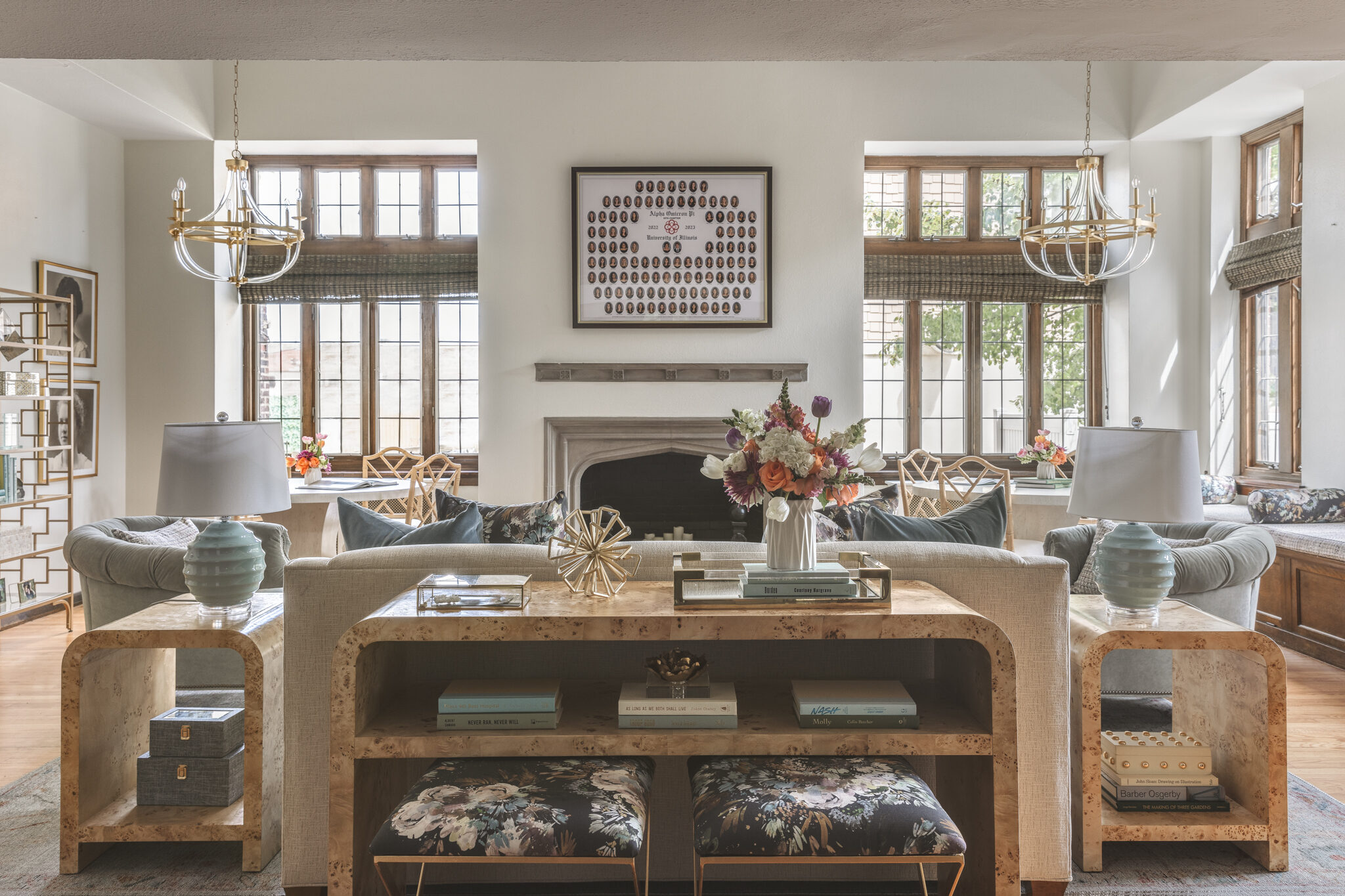
Because burlwood possesses such a dominant visual personality, its successful integration into a room requires a balance of textures and finishes. Designers are moving away from the all-burl rooms of the past, instead opting for a "one-star" approach.
Textural Contrast: Mimi Meacham, founder of Marian Louise Designs, emphasizes the importance of finish. She suggests that a high-gloss burlwood surface should be balanced with matte walls or soft, nubby textiles like linen and velvet. This prevents the space from feeling overly "slick" or dated.

Color Coordination: While burlwood is a neutral wood tone, it responds dynamically to color. Tiffany Brooks advocates for pairing honey-toned burls with deep, saturated hues like aubergine or inky blue. Conversely, Maestri recommends an earthier palette of tobacco, ochre, and olive green to enhance the wood’s natural warmth.
Modern Hardware: To modernize burlwood furniture, designers are increasingly using contemporary hardware. Abbe Fenimore points to the use of brass-and-acrylic drawer pulls on burlwood chests as a way to blend traditional material with 21st-century finishes.

Broader Market Implications and Future Outlook
The burlwood trend is indicative of a broader shift in the luxury furniture market toward artisanal craftsmanship and sustainable sourcing. While burlwood was once limited to custom-made heritage pieces, it is now being reimagined by contemporary brands. Companies such as Soho Home, Jonathan Adler, and Made Goods are incorporating burlwood into sculptural, curved forms that deviate from the boxy silhouettes of the 1970s.
Furthermore, the use of burlwood reflects an evolving perspective on sustainability. By utilizing "irregular" growths that might have once been discarded by industrial timber mills focused on straight-grain consistency, the design industry is embracing a more holistic view of the forest’s output.

As the market for unique, high-character furniture continues to grow, burlwood is expected to remain a staple. Its ability to serve as both a neutral anchor and a dramatic focal point makes it a versatile tool for designers. Whether used in architectural details—such as kitchen island backs or door insets—or as standalone statement pieces like coffee tables and consoles, burlwood satisfies the modern craving for a home that feels both grounded in nature and elevated by history.
In conclusion, the resurgence of burlwood is more than a nostalgic look back at Art Deco or Mid-Century Modernism. It is a calculated move toward individuality in design. By highlighting the beauty of a tree’s resilience and the complexity of its growth, burlwood provides a sense of soul and permanence in an increasingly transient world. As Eddie Maestri aptly summarizes, the material "keeps coming back because people want warmth and things made by hand." For the modern homeowner, burlwood offers the ultimate luxury: a piece of the natural world that is entirely, irreplicably their own.