admin
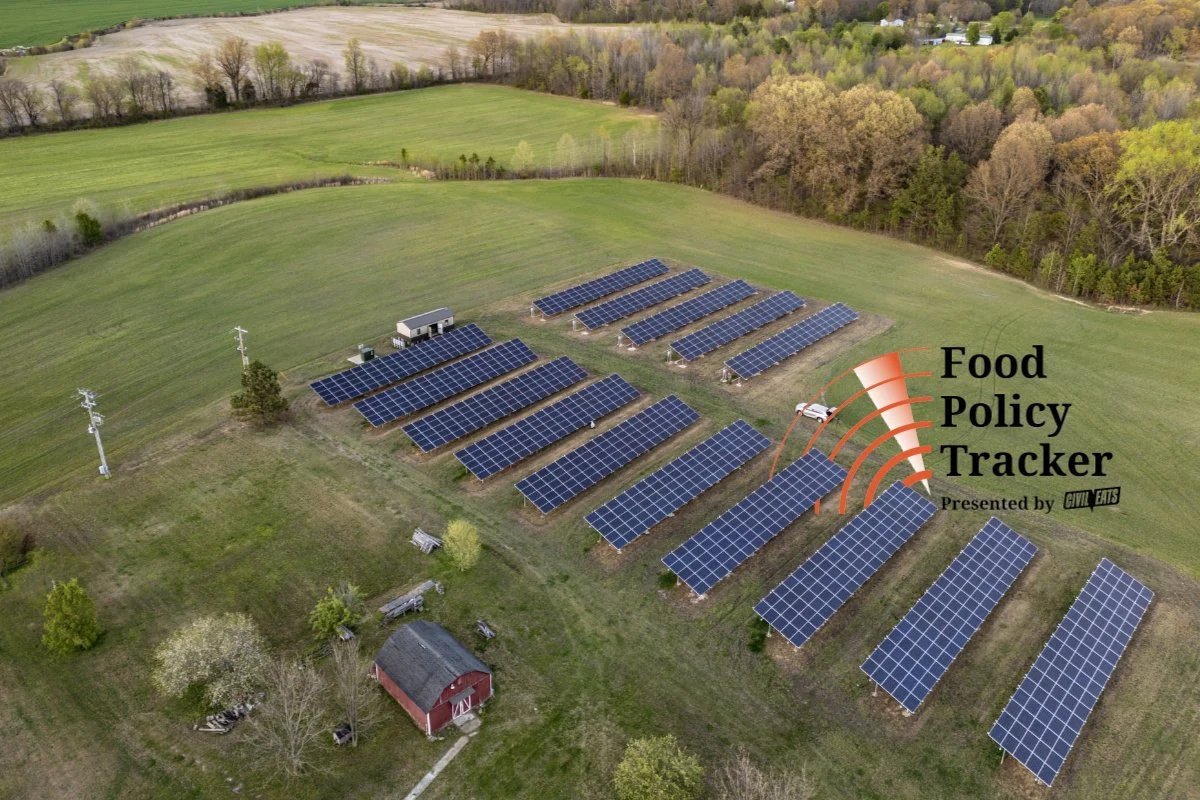
A major legal battle has erupted between farmer and environmental advocacy groups and the U.S. Department of Agriculture (USDA) following the agency’s implementation of a final rule that significantly curtails the Rural Energy for America Program (REAP), a long-standing federal initiative designed to support renewable energy and energy efficiency on farms and in rural businesses. Just days after a coalition led by Earthjustice and the Environmental Law and Policy Center (ELPC) filed a lawsuit challenging earlier USDA actions against REAP, the department published new regulations last week that are poised to make it exceedingly difficult for farmers to secure federal assistance for installing solar arrays, wind turbines, and other green energy infrastructure. This move represents a stark reversal of decades of bipartisan policy aimed at fostering energy independence and economic vitality in rural America.
The Genesis of REAP: A Foundation for Rural Resilience
The Rural Energy for America Program, established under the Farm Bill, has been a cornerstone of federal support for rural energy development since its inception. Its primary objective has been to promote energy efficiency and renewable energy adoption among agricultural producers and rural small businesses. For over a decade, REAP has provided crucial grants and guaranteed loans, enabling tens of thousands of farms and rural enterprises across the United States to invest in renewable energy systems such as solar, wind, geothermal, and biomass, as well as undertake energy efficiency improvements. These investments have not only helped farmers reduce operational costs and enhance their financial stability but also contributed significantly to environmental sustainability by lowering carbon emissions and bolstering the nation’s energy resilience.
Historically, REAP has enjoyed broad bipartisan support, viewed as a practical tool for empowering rural communities. Projects funded through REAP have ranged from small-scale solar installations on family farms to larger wind projects and energy-efficient upgrades for rural processing plants. The program’s success is often measured not just in megawatts generated or dollars saved, but in the ripple effect on local economies, creating jobs in installation, maintenance, and manufacturing, and fostering a sense of self-reliance among rural populations. Data from previous years indicates that REAP-funded projects have collectively saved businesses and farms billions in energy costs and have generated substantial amounts of clean energy, equivalent to powering hundreds of thousands of homes annually.

A Policy Pivot: The Trump Administration’s Stance on Renewables
The current administration, under President Donald Trump, has consistently pursued an "America First" energy policy, emphasizing the extraction and use of traditional fossil fuels and expressing skepticism towards federal subsidies for renewable energy sources. This broader policy directive has trickled down to the USDA, leading to a significant shift in its approach to programs like REAP.
Agriculture Secretary Brooke Rollins has been a vocal proponent of this new direction. She has publicly characterized solar development, particularly on agricultural land, as a potential "threat to farmland," echoing concerns that renewable energy infrastructure could displace food production. While the USDA’s Economic Research Service (ERS) reported between 2012 and 2020 that more than 40 percent of new solar and over half of new wind turbines were installed on former cropland, the cumulative land impacted by these developments represented less than 0.05 percent of total U.S. farmland. This statistical context underscores the minimal actual displacement of agricultural land by renewable energy projects, yet the narrative of "threat" has persisted in official statements. Secretary Rollins’ administration has consistently championed "unleashing American energy and economic prosperity," often framing this in terms of deregulation and reduced support for what it deems "unreliable foreign-controlled energy sources."
A Timeline of Escalating Restrictions
The USDA’s actions against REAP have followed a clear, escalating trajectory over the past year:

- August 2025: Secretary Rollins initiated the process of limiting REAP funding and altering program guidelines. This early move signaled the administration’s intent to reshape the program’s focus and scope. Initial reports from Civil Eats highlighted the USDA’s attempts to cap loan amounts and introduce new criteria that implicitly discouraged renewable energy projects.
- March 2026: The USDA significantly intensified its restrictions by pausing the processing of all REAP grants. This abrupt halt left many farmers and rural businesses in limbo, especially those who had already applied, received initial approval, and invested substantial capital into building their renewable energy systems based on previous program rules. The pause meant that promised reimbursements were withheld, creating immediate financial hardship and uncertainty for projects already underway. This action drew sharp criticism from clean energy advocates and farmer organizations, who pointed to the severe disruption it caused.
- September 28, 2026: In response to the growing concerns and the USDA’s continued recalibration of REAP, a coalition of environmental and farmer groups, represented by Earthjustice and the Environmental Law and Policy Center, filed a lawsuit challenging the USDA’s actions. The lawsuit, brought on behalf of organizations including the Iowa Farmers Union and several solar developers, argues that the agency’s moves constitute a clear violation of Congress’s original directive to "promote energy efficiency and renewable energy development for agricultural producers and rural small businesses."
- October 1, 2026: Just days after the lawsuit was filed, the USDA published a final rule in the Federal Register, codifying many of the previously announced changes and introducing even more stringent restrictions. This move solidified the administration’s policy shift, transforming earlier administrative actions into formal regulatory requirements.
Key Provisions of the New Final Rule: Erecting Barriers to Green Energy
The final rule, titled "Unleashing American Energy and Economic Prosperity: Rural Energy for America Program (REAP)," introduces several significant changes that will fundamentally alter the program’s operation and accessibility:
- Prohibition on Ground-Mount Solar on Certified Cropland: The rule explicitly bans the installation of ground-mounted solar arrays on land classified as certified cropland. This provision is directly aligned with Secretary Rollins’ expressed concerns about protecting prime agricultural land. However, critics argue that this overlooks the potential for agrivoltaics (the co-location of solar panels and agriculture), which allows farming to continue beneath or between panels, maximizing land use efficiency. Furthermore, given the minuscule percentage of farmland currently used for solar, this blanket prohibition is seen by many as an overreaction that stifles innovation and sustainable land management practices.
- Ban on Materials Made in China: The new rule prohibits the use of materials, particularly solar panels, manufactured in China. This restriction aligns with broader "America First" manufacturing policies aimed at reducing reliance on foreign supply chains and promoting domestic production. However, it presents a significant practical challenge for farmers and developers, as China currently manufactures the vast majority of the world’s solar panels. This ban is likely to increase costs, limit material availability, and potentially delay or halt projects, as sourcing non-Chinese alternatives at competitive prices can be difficult. It could also force farmers to use less efficient or more expensive components, diminishing the economic viability of projects.
- "Build First, Then Apply" Grant Structure: Perhaps the most impactful change for farmers and small businesses is the restructuring of REAP grants. Under the new rule, applicants cannot apply for funding until 12 months after a project is fully built and operational. This requirement fundamentally shifts the financial risk from the federal government to the individual farmer or business. Previously, farmers could secure grants or loans upfront or during construction, providing crucial capital and certainty. Now, they must fully fund and complete potentially expensive renewable energy systems without any guarantee of reimbursement, making the program inaccessible to all but the wealthiest or those with significant upfront capital and risk tolerance. This change is seen as a death knell for many smaller, family-owned farms and rural businesses seeking to transition to clean energy.
Official Justification Versus Stakeholder Outcry
In a press release accompanying the final rule, Secretary Rollins stated, "The final rule from USDA will restore integrity and stability to the Rural Energy for America Program. For too long many applicants have prioritized unreliable energy sources and have not fully delivered on their stated goals." This statement suggests a perception within the USDA that the program was somehow mismanaged or exploited by beneficiaries, a claim that has been strongly refuted by farmers and clean energy advocates who point to REAP’s track record of success and positive economic impact.
Jessica O’Donnell, a senior attorney at the Environmental Law and Policy Center, strongly criticized the USDA’s actions. "Congress created REAP to help farmers put solar on their own land and cut their own energy costs," O’Donnell stated in a press release. "USDA now wants to dismantle a successful bipartisan program and slam the door on farmers who already spent significant sums of money relying on USDA’s own rules." She and her partners specifically highlighted the devastating impact of the March 2026 pause, which left many farmers who had already invested in projects without the promised federal reimbursements, creating significant financial distress. These farmers, having acted in good faith under existing regulations, now face severe economic repercussions.

Broader Implications and the Road Ahead
The USDA’s sweeping changes to REAP carry significant implications for rural economies, environmental sustainability, and the future of renewable energy in the United States:
- Economic Impact: The new rules are expected to severely depress the adoption of renewable energy on farms, leading to higher energy costs for agricultural producers and rural businesses. This could hinder farm profitability and reduce the competitive edge of U.S. agriculture. It also threatens jobs in the rural clean energy sector, including installation, maintenance, and consulting.
- Environmental Impact: By curtailing support for solar and wind, the USDA’s actions will likely slow the reduction of greenhouse gas emissions from the agricultural sector, undermining broader climate change mitigation efforts. It also represents a missed opportunity for agriculture to lead in environmental stewardship.
- Energy Independence and Resilience: For rural communities, localized renewable energy projects enhance energy independence and improve resilience against grid outages or volatile energy prices. The new rules diminish this capacity, making these communities more vulnerable.
- Policy Precedent: The USDA’s move sets a troubling precedent for federal support of clean energy initiatives, signaling a willingness to dismantle successful programs based on ideological rather than empirical grounds. It raises questions about the stability and predictability of federal policy, which is crucial for long-term investments.
- Legal Battle: The lawsuit filed by Earthjustice and ELPC will be a critical battleground. The plaintiffs are arguing that the USDA has overstepped its administrative authority and violated congressional intent. The outcome of this legal challenge could determine the future viability of REAP and potentially influence other federal programs. A judicial injunction could temporarily or permanently block the implementation of parts or all of the new rule, but such processes can be lengthy and complex.
The USDA is accepting public comments on the final rule until November 2. This public comment period represents a final opportunity for individuals, businesses, and organizations to voice their concerns and potentially influence future adjustments or judicial interpretations of the rule. However, with the rule already finalized, the immediate impact on farmers and the broader renewable energy landscape is expected to be significant, forcing many to reconsider their plans for a greener, more energy-independent future.