admin
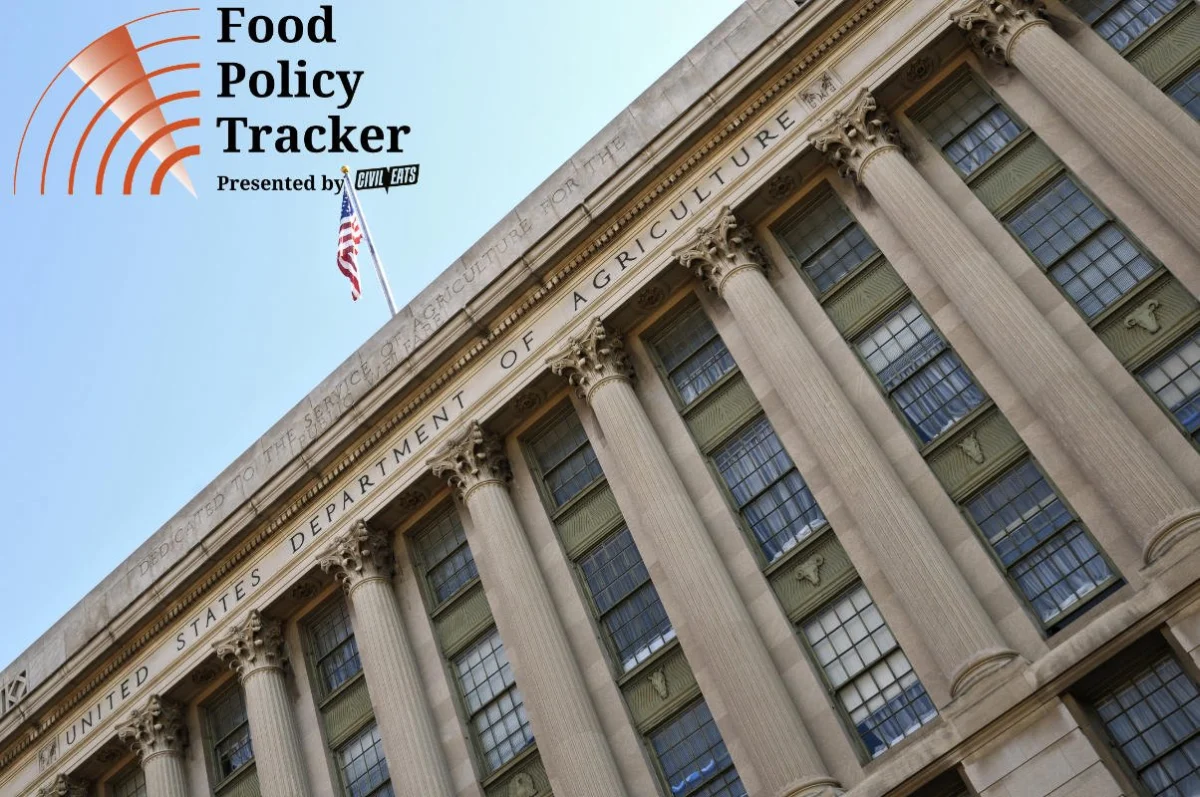
October 9, 2026 – In a significant move aimed at bolstering the nation’s agricultural resilience, U.S. Secretary of Agriculture Brooke Rollins announced earlier this week in Iowa that the U.S. Department of Agriculture (USDA) will allocate $180 million towards agricultural seed research. This substantial investment, channeled through the agency’s newly established Seed Sovereignty Initiative, is designated to fortify the critical work of the Agricultural Research Service’s (ARS) National Plant Germplasm System (NPGS), a cornerstone of genetic diversity for American agriculture. However, the initiative arrives at a time of considerable scrutiny regarding the USDA’s internal capacity, its approach to market competition, and the very definition of "seed sovereignty" itself, sparking a complex dialogue among policymakers, agricultural advocates, and industry stakeholders.
A Strategic Investment in Genetic Resources
The $180 million funding, sourced from the Commodity Credit Corporation (CCC) – the USDA’s internal financial mechanism used to stabilize and support agricultural income and prices – is primarily earmarked for the comprehensive sequencing of major crop collections housed within the NPGS. The NPGS is an invaluable national asset, comprising a vast library of over 600,000 samples of seeds, plant tissue, and other vital genetic resources. This extensive collection serves as the genetic foundation for numerous crops grown across the United States, safeguarding biodiversity and providing the raw material for future agricultural innovation and adaptation.
Secretary Rollins, in her announcement, underscored the strategic importance of this investment. "America’s agricultural resources are a strategic national asset," affirmed USDA Deputy Secretary Stephen Vaden in a corresponding press release. "We need to survey our domestic resources, understand where we are vulnerable, and ensure the United States never has to rely on foreign competitors for critical agricultural resources." This statement highlights the USDA’s interpretation of "seed sovereignty" as a matter of national security and self-reliance, particularly in an increasingly interconnected and sometimes volatile global agricultural landscape. The initiative aims to catalog, understand, and leverage domestic genetic diversity to reduce potential dependencies and enhance the long-term stability of the nation’s food supply.
The Underfunded Lifeline: NPGS and ARS
While the new funding is largely welcomed, experts caution that it addresses only a fraction of the systemic underfunding that has plagued the NPGS and, more broadly, the ARS for years. Nick Rossi, a policy specialist at the National Sustainable Agriculture Coalition (NSAC) who focuses on seed policy, voiced a common sentiment: "Any investment in NPGS is great. ARS in general is super underfunded, and NPGS is incredibly underfunded."
The critical need for enhanced funding for the NPGS is not new. Following a directive from the 2018 Farm Bill, the USDA, under former President Joe Biden’s administration, released a comprehensive plan in 2023 outlining strategies to improve the utilization and accessibility of NPGS resources. That plan explicitly noted that the NPGS’s annual funding hovered around $38 million and projected that an additional $150 million would be required in subsequent years merely to implement the outlined improvements and adequately maintain the system. The current $180 million, while substantial, appears to be a one-time injection rather than a sustained increase in annual operational budgets, raising questions about its long-term impact on the NPGS’s structural financial challenges.
The Agricultural Research Service, the USDA’s principal in-house research agency, plays a pivotal role in ensuring the long-term viability and competitiveness of U.S. agriculture. Its research spans a wide array of disciplines, from crop genetics and pest management to soil health and food safety. Chronic underfunding and significant staffing reductions, however, have raised concerns about the agency’s capacity to effectively execute new initiatives. In 2025 alone, ARS experienced a drastic loss of over 30 percent of its staff, impacting institutional knowledge and operational capabilities across its research centers. Furthermore, a pending reorganization of the agency has created additional uncertainty, with critics questioning whether these internal disruptions could hamper the effective implementation and sustained success of the Seed Sovereignty Initiative.
Contrasting Visions of "Seed Sovereignty"
The USDA’s chosen terminology, "Seed Sovereignty Initiative," has itself become a point of contention, highlighting a fundamental divergence in understanding between the federal government and many agricultural advocacy groups. While the USDA frames it through a lens of national security and domestic self-reliance, emphasizing the importance of securing U.S. agricultural resources against foreign dependencies, advocates for genuine seed sovereignty often hold a much broader and more critical perspective.
For organizations like RAFI (Rural Advancement Foundation International), seed sovereignty is primarily concerned with addressing the escalating corporate control over seeds and ensuring farmers’ rights to save, use, exchange, and sell seeds. Aaron Johnson, RAFI’s policy director, articulates this concern succinctly: "The key question is who will benefit from the new work undertaken at NPGS. Will the public resource that is the NPGS and the research that occurs there remain a public good or just be made available to major corporate seed dealers?" This question cuts to the heart of a long-standing debate about the privatization of genetic resources developed with public funds.
The concentration of power within the seed industry is a well-documented concern. In the United States, a mere four companies dominate a staggering 70 percent of the soybean seed market and an even greater 80 percent of the corn seed market. This oligopoly has profound implications for farmers, potentially leading to fewer choices, higher input costs, and reduced genetic diversity in commercially available seeds. Advocates argue that this corporate consolidation undermines true seed sovereignty by limiting farmer autonomy and increasing dependence on a few powerful entities, thereby stifling innovation at the grassroots level and reducing the resilience of the agricultural system.
The Administration’s Approach to Competition
The current administration’s stance on corporate consolidation in the agricultural sector has further fueled skepticism among advocacy groups. At the event announcing the initiative, USDA Under Secretary for Research, Education, and Economics Scott Hutchins addressed concerns about access to the newly sequenced genetic material. He stated that the agency would make genetic material "available to U.S. companies on a licensing basis and not an exclusive basis, so it should open up more competition in that context. But the companies themselves have to be able to exist and be able to create an opportunity to put that germplasm into their portfolio."
While the USDA’s commitment to non-exclusive licensing aims to foster competition, critics like Nick Rossi remain unconvinced, particularly given recent policy reversals. Rossi expressed skepticism about the Trump administration’s USDA’s ability to genuinely safeguard public resources from corporate overreach. His concern stems partly from the agency’s elimination of the Farmer Seed Liaison position. This role, established under the Biden administration in response to an executive order promoting competition across various sectors, was specifically designed to facilitate communication between farmers and the USDA on seed-related issues and ensure fair practices. President Trump subsequently rescinded Biden’s executive order targeting food system consolidation, leading to the disbandment of the liaison role.
A USDA spokesperson, in an email to Civil Eats, defended the elimination of the Farmer Seed Liaison role by stating that the agency "shifted coordination to be with the United States Patent and Trademark Office on seed and plant variety protection issues." This shift, however, is viewed by many advocates as a move away from direct farmer engagement and towards a more bureaucratic, patent-focused approach that may not adequately address the unique challenges faced by small and mid-sized farmers in a highly consolidated seed market.
Renewed Partnership with Justice Department
Alongside the NPGS funding announcement, the USDA also highlighted the renewal of a Memorandum of Understanding (MOU) with the Department of Justice (DOJ). This agreement, initially signed the previous fall, reaffirms and expands the partnership between the two agencies to "identify and address anticompetitive conditions affecting American agriculture," including those related to seeds. The intention behind the MOU is to leverage the investigative and enforcement powers of the DOJ to ensure fair competition within the agricultural sector.
However, the practical impact of this renewed partnership has yet to become clear. Nick Rossi questioned what the initial MOU had accomplished since its signing, suggesting that concrete actions and tangible outcomes remain elusive. While an inter-agency agreement signals a commitment to addressing anticompetitive practices, the effectiveness of such partnerships hinges on rigorous enforcement and a willingness to challenge powerful industry players. The historical trend of consolidation in the seed and agrochemical sectors, which has seen numerous mergers and acquisitions over recent decades, presents a formidable challenge to any efforts aimed at reintroducing meaningful competition.
Legislative Efforts for Seed Reform
In parallel with the USDA’s initiatives and the ongoing debates, advocacy groups like NSAC and RAFI are actively pushing for legislative solutions to fundamentally reshape the landscape of seed control. Their primary focus is on "utility patent reform," a measure they believe would truly empower farmers and researchers by altering a corporation’s ability to restrict the study, breeding, propagation, and saving of seeds.
To this end, they are championing the Fair Seeds for Farmers Act, a bill introduced in July by Representatives Jim McGovern (D-Massachusetts) and Greg Casar (D-Texas). This proposed legislation aims to implement significant limitations on seed patents, thereby preventing corporations from imposing broad restrictions on seed breeding and saving practices. The bill seeks to restore a more traditional understanding of seed stewardship, where farmers and public breeders have greater freedom to innovate and adapt crops without fear of intellectual property infringement. So far, the bill has garnered support exclusively from Democratic lawmakers, indicating a partisan divide on this critical issue and signaling a potentially challenging path through Congress.
The call for utility patent reform stems from the argument that current patent laws grant overly broad protections to seed companies, effectively privatizing genetic traits that often originated in publicly funded research or traditional farmer breeding. Critics argue that these patents hinder research, limit biodiversity by discouraging the development of diverse varieties, and ultimately concentrate power in the hands of a few large corporations, impacting food security and farmer livelihoods.
Looking Ahead: A Crossroads for American Agriculture
The USDA’s $180 million Seed Sovereignty Initiative represents a substantial federal commitment to agricultural research and the preservation of genetic resources. However, its effectiveness and true impact will be judged against a complex backdrop of systemic underfunding, staffing challenges within key agencies, profound disagreements over the meaning of "seed sovereignty," and the pervasive issue of corporate concentration in the seed industry.
The coming years will determine whether this investment becomes a catalyst for genuinely decentralized, farmer-centric agricultural resilience, or if it merely serves to bolster existing corporate structures within a national security framework. The ongoing dialogue, the outcomes of legislative efforts like the Fair Seeds for Farmers Act, and the transparency of the USDA’s implementation will be critical in shaping the future of seed policy and, by extension, the trajectory of American agriculture itself. The debate over who controls the seeds of tomorrow is not merely an academic one; it is a fundamental question about food security, economic justice, and the future of farming in the United States.