admin
All scheduled crossings of the vital ferry service connecting Nova Scotia with eastern Prince Edward Island were abruptly cancelled this morning, October 23, 2026, due to severe high winds generated by the lingering remnants of Subtropical Storm Josephine. The critical transportation link, operated by Northumberland Ferries, ceased operations on its Caribou, Nova Scotia to Wood Islands, Prince Edward Island route, stranding travellers and disrupting commerce across the Northumberland Strait as gale warnings persist for the eastern sector of the waterway.
Meteorological Genesis and Progression of Subtropical Storm Josephine
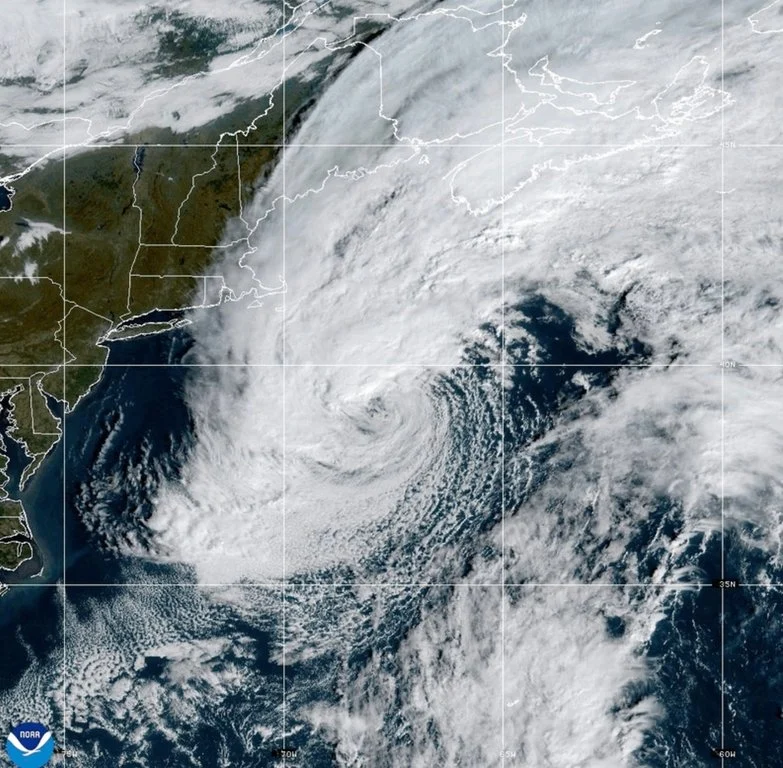
Subtropical Storm Josephine, which had been monitored closely by meteorological agencies for several days, transitioned through various phases before impacting the Canadian Maritimes. Originating in the warmer waters of the mid-Atlantic, Josephine developed characteristics that classified it as subtropical, a hybrid system exhibiting features of both tropical and extratropical cyclones. These storms possess a broader wind field than typical tropical cyclones and often form in higher latitudes, drawing energy from both warm ocean waters and temperature differences in the atmosphere. By Thursday, October 22, the storm was well offshore but its expansive wind field began to influence weather patterns across the U.S. Northeast and extended into Atlantic Canada. Satellite imagery from the National Oceanic and Atmospheric Administration (NOAA) on Thursday depicted Josephine pushing away from the U.S. Northeast coast, yet its trailing effects were still significant enough to warrant extensive advisories for maritime regions further north.
The centre of the storm, as of 10 a.m. Atlantic time on Friday, was situated more than 400 kilometres southeast of Halifax, Nova Scotia. Despite this considerable distance, its expansive circulation continued to funnel strong northerly winds across the Northumberland Strait and surrounding coastal areas. Environment Canada, the nation’s primary meteorological authority, had been issuing a series of weather warnings, highlighting the potential for disruptive conditions.
Intense Wind Conditions and Gale Warnings
The immediate cause for the ferry cancellations was the sustained gale-force winds buffeting the region. Environment Canada reported that winds from the north were gusting at 65 kilometres per hour across the eastern side of the Northumberland Strait throughout the morning. For mariners and coastal communities, such wind speeds present significant hazards, creating rough seas and posing risks to vessels and shoreline infrastructure. Gale warnings, which are issued when winds of 63 to 87 km/h (34 to 47 knots) are expected or occurring, remained in effect, underscoring the severity of the atmospheric conditions.
A stark illustration of Josephine’s residual power was recorded on Sable Island, a remote sandbar approximately 300 kilometres southeast of Halifax, renowned for its wild horses and as a key meteorological outpost. At 7 a.m. local time, Environment Canada’s instruments on Sable Island registered a northeasterly gust reaching an astonishing 122 kilometres per hour (76 mph). While Sable Island often experiences extreme weather due to its exposed location, this particular gust served as a strong indicator of the potent wind energy still associated with Josephine’s remnants, even as the storm’s core moved further offshore. Forecasters anticipate that the northerly winds will gradually diminish to approximately 45 kilometres per hour by midnight, offering some relief to the beleaguered region.

Disruption to a Lifeline: The Northumberland Ferries Service
The ferry service between Caribou, Nova Scotia, and Wood Islands, Prince Edward Island, is more than just a transportation route; it is a critical economic and social artery for both provinces, particularly for the eastern end of P.E.I. Operated by Northumberland Ferries Limited (NFL), the service typically runs multiple daily crossings, facilitating the movement of thousands of passengers, commercial vehicles, and tourists during peak seasons. Even in late October, as the tourist season winds down, the ferry remains essential for local residents, small businesses, and freight delivery.
Northumberland Ferries issued an early morning announcement confirming the cancellation of all morning crossings. The decision, taken with passenger and crew safety as the paramount concern, was in direct response to the hazardous sea conditions and powerful winds. The company’s standard operating procedures dictate that services must be suspended when wind speeds and wave heights exceed predetermined safety thresholds to prevent potential accidents or injuries. A spokesperson for Northumberland Ferries stated, "The safety of our passengers and crew is always our top priority. Given the severe gale warnings and recorded wind gusts, we had no alternative but to suspend all morning sailings. We understand this causes inconvenience, and we appreciate the public’s understanding as we prioritize safety above all else." The company further informed the public that an update regarding the afternoon sailings would be provided no later than 1 p.m. Atlantic time, allowing for continuous monitoring of the weather conditions and a data-driven decision for later services.
Broader Economic and Logistical Implications
The cancellation of ferry services, even for a single day, can have cascading effects on local economies and supply chains. For Prince Edward Island, which relies heavily on tourism and agricultural exports, interruptions to transport links can translate into immediate losses for businesses. While the Confederation Bridge offers an alternative land route, it adds significant travel time and cost for those travelling between eastern P.E.I. and central Nova Scotia. For commercial freight, rerouting through the bridge can delay deliveries of perishable goods, essential supplies, and outgoing products, impacting farmers, fishermen, and retailers. Local tourism operators, even in the shoulder season, face cancellations and reduced bookings, further challenging an industry already navigating a complex economic landscape.
Emergency services and supply chain managers in both provinces are accustomed to managing such weather-related disruptions. Contingency plans are typically in place to ensure essential services and critical supplies can still reach communities, even if through alternative or delayed routes. However, prolonged disruptions due would necessitate more extensive interventions.
Understanding Subtropical Storms in the Atlantic Season
Subtropical Storm Josephine’s late-October appearance is a reminder that the Atlantic hurricane season, which officially runs from June 1 to November 30, can remain active well into the fall. Subtropical storms are characterized by a broad wind field and a less symmetric structure compared to tropical storms. They derive energy from a combination of latent heat release (like tropical storms) and existing temperature contrasts in the atmosphere (like extratropical storms). This hybrid nature often allows them to form and persist in cooler waters and higher latitudes than purely tropical systems. While not always as intense as major hurricanes, they can still produce significant impacts, including heavy rainfall, strong winds, and dangerous surf, particularly along coastlines. Josephine’s classification and its impact align with historical patterns of late-season storm activity in the Atlantic basin, where remnants or transitioning systems often affect the Canadian Maritimes.

Regional Preparedness and Community Response
The Atlantic Provinces, and particularly coastal communities, are well-versed in preparing for and responding to severe weather events. Local emergency management organizations in both Nova Scotia and Prince Edward Island would have been closely monitoring Josephine’s trajectory and disseminating information to residents. Advisories would have encouraged citizens to secure loose outdoor objects, prepare emergency kits, and stay informed through official channels. The robust infrastructure and experienced emergency personnel in the region help mitigate the worst potential outcomes of such weather events.
Residents and businesses along the Northumberland Strait often adapt quickly to these disruptions. Local radio and online news platforms become crucial for disseminating updates on transportation, power outages, and safety warnings. The sense of community preparedness and mutual support is often highlighted during such events, as neighbours check on one another and local services coordinate efforts to minimize inconvenience and ensure safety.
Looking Ahead: Outlook and Continued Vigilance
As the day progresses, the focus remains on the diminishing wind speeds and the potential for Northumberland Ferries to resume operations. The 1 p.m. update from the ferry company will be eagerly awaited by travellers and commercial operators planning afternoon and evening crossings. While the immediate threat from Josephine’s remnants is expected to subside by midnight, the lingering effects of high winds and potential for rough seas will require continued vigilance.
Meteorological agencies will continue to monitor the post-tropical conditions, advising marine interests and coastal communities of any residual hazards. The event underscores the dynamic nature of weather systems in Atlantic Canada and the importance of robust infrastructure and responsive services to ensure the safety and well-being of its inhabitants. As the region navigates the tail end of the hurricane season, the experience with Subtropical Storm Josephine serves as a timely reminder of nature’s unpredictable power and the ongoing need for preparedness.