admin
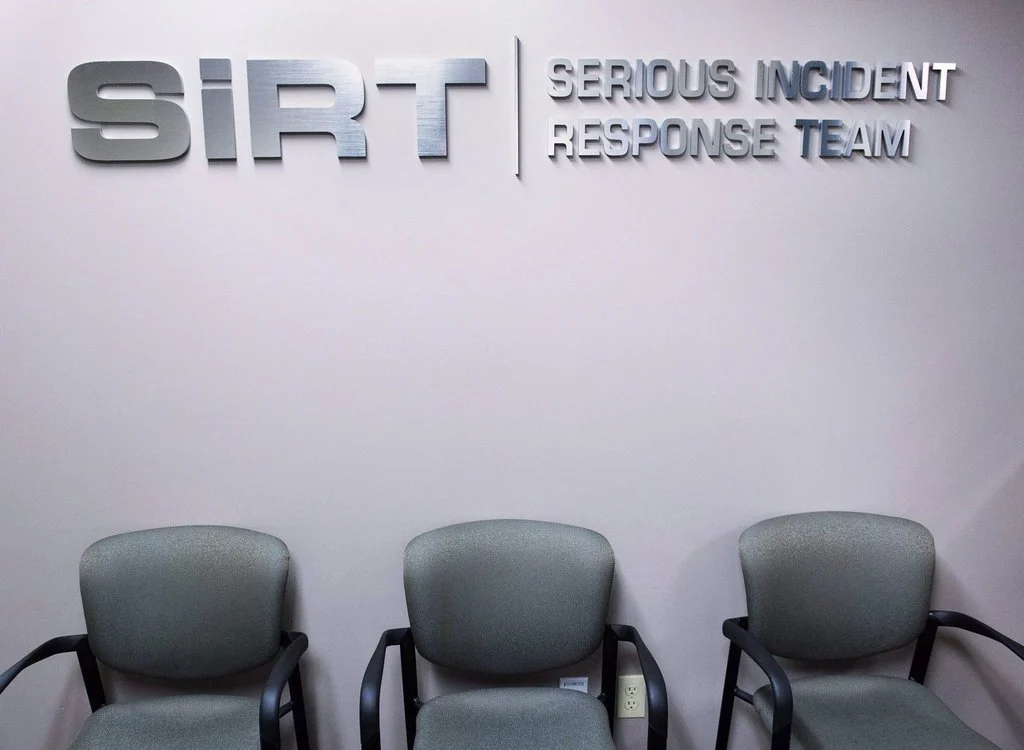
Halifax, NS – Nova Scotia’s independent police oversight body, the Serious Incident Response Team (SIRT), has concluded its investigation into two officers from the Annapolis Royal Police Service, clearing them of allegations involving a conspiracy to murder a local offender and a subsequent blackmail attempt. Despite the absence of criminal charges, the agency’s report highlighted “concerning conduct” and issues rooted in personal conflicts between the officers, prompting a notification to the provincial Justice Minister. The findings underscore the complexities of internal police dynamics and the stringent evidentiary thresholds required for criminal prosecution, even when professional integrity is called into question.
The Allegations: A Deep Dive into Professional Misconduct
The investigation, which began in May of the current year following a referral from the Bridgewater Police Service, centred on two principal allegations. The first was that Subject Officer 1 (SO1) and Subject Officer 2 (SO2) had conspired to cause harm, potentially lethal, to an individual known to police. The second alleged that SO2 later attempted to extort SO1, threatening to release a recording of their initial conversation unless SO1 complied with a demand related to a workplace matter. These serious accusations, if proven, would not only constitute grave criminal offences but also severely erode public trust in law enforcement, particularly within a close-knit community like Annapolis Royal.
The initial referral to SIRT was triggered by a police occurrence report detailing the alleged extortion attempt, which SO1 had reported to another officer. This set in motion an intricate process of evidence gathering, interviews, and legal analysis by the province’s dedicated civilian-led oversight body.
A Chronology of Events: From Conversation to Investigation
The timeline of events, as pieced together by SIRT Director Erin Nauss in her report, outlines a sequence that began more than a year prior to the formal investigation:
- May 2025 (Approximately): The alleged conspiratorial conversation between SO1 and SO2 took place at SO1’s residence. During this discussion, the officers reportedly deliberated on ways to "deal with" an offender known to police.
- May 2025 (Shortly After/Concurrent): Subject Officer 1 was hospitalized and heavily sedated with medication. This detail, provided by a civilian witness, introduces a potential factor regarding SO1’s state of mind around the time of the initial conversation, though its direct impact on the conspiracy allegation was not definitively established as a mitigating factor in the report.
- May 2026: The Bridgewater Police Service formally referred the matter to SIRT, following an internal police occurrence report detailing the alleged extortion attempt by SO2 against SO1. This referral initiated SIRT’s independent investigation.
- Throughout SIRT Investigation (May 2026 onwards): SIRT conducted a comprehensive inquiry, interviewing SO2 on two occasions and gathering testimony from other witnesses who had interacted with SO1 regarding the events. SO1, as is their legal right, declined to speak with SIRT or submit any personal notes or reports.
- Friday, [Current Date, 2026]: SIRT publicly released its findings, clearing both officers of criminal wrongdoing but noting significant concerns about their conduct.
The Conspiracy Allegation: Intent and Action
SIRT’s investigation into the conspiracy allegation focused heavily on the content of the May 2025 conversation and the subsequent actions, or lack thereof, by the officers. SO2 admitted to SIRT that he participated in a discussion where SO1 expressed a desire for the offender to be "dealt with" using terms like "black ops" or "old school justice." SO2 further acknowledged that he engaged with SO1 by asking if SO1 wanted the offender "warned, roughed up, or to suffer broken bones," and even requested the offender’s name and address.

However, SO2 maintained that he never harboured any actual intention of harming the offender. He told SIRT that he determined SO1 was not serious about carrying out any harmful plan. The SIRT report, written by Director Erin Nauss, noted significant discrepancies between the first- and second-hand accounts regarding who initiated the discussion and its ultimate purpose. Crucially, the investigation found no evidence that either officer took any concrete steps to execute a plan following this conversation.
Under Canadian law, a charge of conspiracy to commit murder requires not only an agreement between two or more persons to commit an unlawful act but also a shared intent to carry out that act. Mere discussion or contemplation, without a genuine meeting of the minds and a subsequent overt act or preparatory step, typically falls short of establishing a criminal conspiracy. The SIRT report explicitly stated, "The discussion alone does not establish a conspiracy." It further concluded, "Given SO2’s denial of any intention to harm the (offender), the conflicting accounts of the purpose and initiation of the meeting, and the absence of evidence of a subsequent joint plan… there are insufficient grounds to support a charge of conspiracy to commit murder against SO1 and SO2."
The Extortion Allegation: Threats and Evidence
The second serious allegation concerned SO2’s purported attempt to extort SO1. The claim was that SO2 threatened to release a recording of their May 2025 conversation unless SO1 complied with a request related to a workplace matter, the specifics of which were not detailed in the public report. This allegation was the direct catalyst for the initial police report and subsequent SIRT referral.
SO2, during his interviews with SIRT, admitted to becoming upset and swearing at SO1 during a discussion about work scheduling. However, he denied making any threats, accusations, using violence, or threatening to release a recording of their previous conversation. SIRT’s investigation sought corroborating evidence for the alleged extortion attempt.
For an extortion charge to be laid under the Canadian Criminal Code, there must be evidence that a person, without reasonable justification or excuse and with intent to obtain anything, by threats, accusations, menaces, or violence, induces another person to do anything or cause anything to be done. In this case, SIRT found "insufficient evidence that he made any threat or accusation, used violence or threatened to release a recording of their May 2025 conversation." Consequently, the report concluded that there were insufficient grounds to support a charge of extortion against SO2.
The Role of SIRT: Upholding Accountability
The Serious Incident Response Team (SIRT) plays a critical role in maintaining public confidence in law enforcement in Nova Scotia. Established in 2012, SIRT operates independently of police services, investigating serious incidents involving police officers that may have resulted in death, serious injury, sexual assault, or other matters of significant public interest. Its mandate is to ensure accountability and transparency in policing by conducting thorough and impartial investigations.
SIRT’s independence is crucial. Its director, Erin Nauss, is a civilian, and investigations are conducted by a team that includes former police officers and civilian investigators, ensuring a balanced perspective. The agency’s power to lay criminal charges, or recommend them, underscores its authority. However, SIRT must adhere to the same legal standards of evidence as any prosecutor, meaning that reasonable grounds to believe a criminal offence has occurred must be met before charges can be laid. This case highlights the distinction between concerning professional behaviour and conduct that meets the threshold for criminal prosecution.

"Concerning Conduct" and Broader Implications
While clearing the officers of criminal wrongdoing, the SIRT report unequivocally stated that its investigation revealed "concerning conduct" and issues involving "personal conflicts" between the two officers. This finding, though not criminal, carries significant weight within the context of police professionalism and public service. It suggests that the officers’ actions, even if not criminal, fell short of the ethical and professional standards expected of law enforcement personnel.
The notification of these concerns to Nova Scotia’s Justice Minister signifies the seriousness with which such internal matters are viewed. While criminal charges are off the table, the Annapolis Royal Police Service may initiate its own internal disciplinary proceedings under the province’s Police Act. Such proceedings could result in various sanctions, ranging from reprimands to suspension or even dismissal, depending on the severity of the identified professional misconduct. This internal accountability mechanism is distinct from the criminal justice system but equally vital for maintaining discipline and public trust within police forces.
The incident also brings into focus the pressures faced by police officers, particularly in smaller municipal forces like Annapolis Royal, which serves a community of approximately 1,000 residents. Officers in such environments often have extensive knowledge of local offenders and can experience heightened personal and professional stress. However, these pressures do not excuse behaviour that blurs the lines of professional conduct or hints at vigilante justice.
Reactions and Future Steps
While no official statements from the Annapolis Royal Police Service or the Nova Scotia Justice Minister were immediately available following the report’s release, it is reasonable to infer potential reactions. The Annapolis Royal Police Chief would likely acknowledge the SIRT report, affirm the department’s commitment to upholding professional standards, and indicate that internal reviews or actions would be considered in light of SIRT’s findings regarding "concerning conduct." Such a statement would aim to reassure the community that accountability is paramount.
The Nova Scotia Justice Minister, upon receiving notification of the "concerning conduct," would likely emphasize the importance of independent oversight and the need for all police officers to maintain the highest standards of integrity and professionalism. The Minister might also reaffirm the province’s commitment to supporting police forces while ensuring robust accountability mechanisms are in place.
From a broader perspective, this case serves as a reminder of the delicate balance between supporting police officers in their challenging duties and holding them accountable for their actions. It underscores the importance of clear policies, adequate training on ethical conduct, and robust internal mechanisms for conflict resolution within police departments. The public’s trust in law enforcement hinges not only on the absence of criminal behaviour but also on the consistent demonstration of professionalism, integrity, and adherence to the rule of law.
The resolution of the criminal investigation does not necessarily close the book on this incident. The "concerning conduct" identified by SIRT necessitates a thorough internal review by the Annapolis Royal Police Service to address the underlying issues, ensure appropriate disciplinary measures are considered, and reinforce professional standards to prevent similar incidents from arising in the future. This ongoing process of scrutiny and internal accountability is essential for the continued integrity of policing in Nova Scotia.