admin
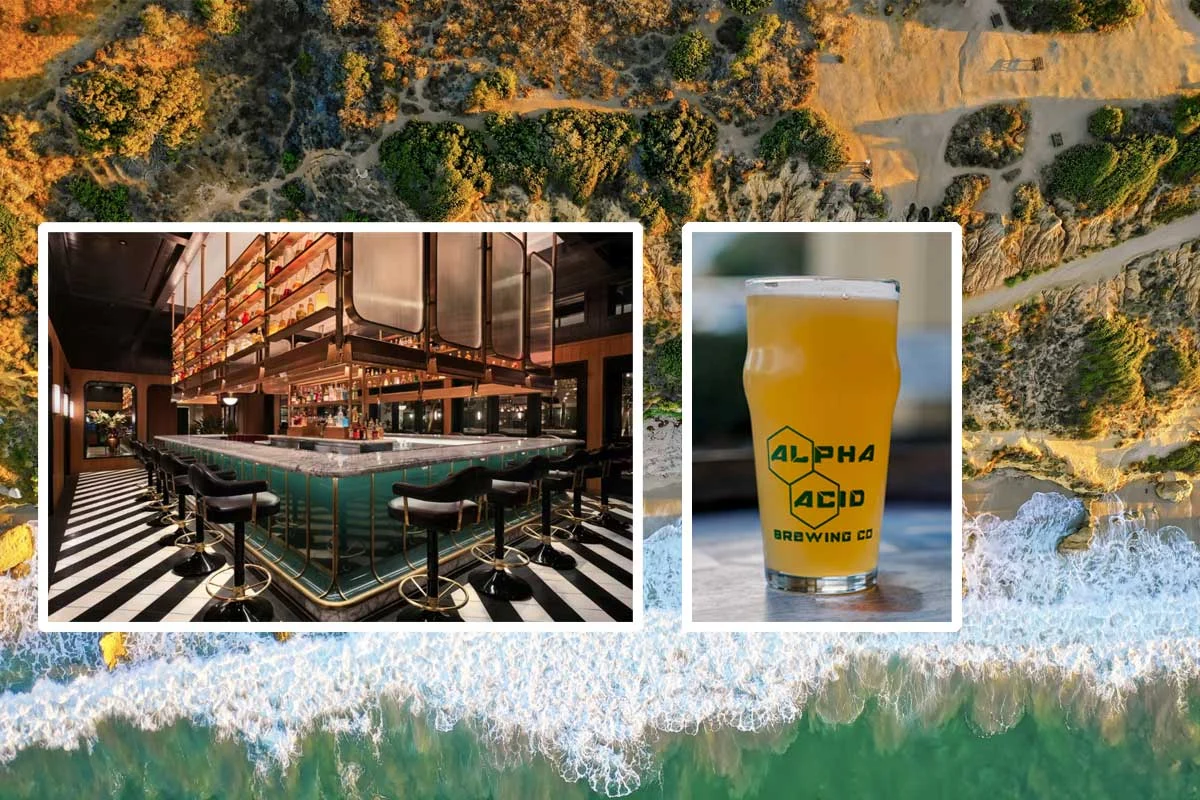
The San Francisco Peninsula, historically characterized by its proximity to Silicon Valley’s technological hubs and the transit corridors of Highway 101, is undergoing a significant cultural shift as a specialized "beer trail" takes shape between Burlingame and Redwood City. This 30-mile stretch of San Mateo County has evolved into a concentrated corridor for craft brewing excellence, mirroring the maturation of the broader Northern California beverage industry. While San Francisco and the East Bay have long held reputations as brewing meccas, the western bayfront of the San Francisco Bay is now leveraging its unique geography—connected by the Caltrain commuting system—to support a diverse ecosystem of taprooms, production facilities, and gastropubs. This development represents a strategic expansion of the region’s hospitality sector, catering to a demographic that increasingly values hyper-local production and artisanal quality.
The emergence of this trail is not merely a coincidental cluster of businesses but a reflection of the changing economic landscape of the Peninsula. As urban centers become more densely populated and the "work-from-home" or "hybrid" models stabilize, there has been a resurgence in neighborhood-centric commerce. The breweries located in this corridor serve as third-space environments that bridge the gap between professional life and community engagement. From the industrial sectors of Belmont to the revitalized downtown blocks of Redwood City, these establishments are defining a new identity for the San Francisco Peninsula.
The Evolution of the Peninsula’s Brewing Landscape
The chronology of the Peninsula’s beer scene reveals a steady progression from traditional brewpubs to highly specialized production houses. In the early 2010s, the region saw the entry of foundational players like Freewheel Brewing Company, which introduced traditional English brewing techniques to a market largely dominated by American West Coast IPAs. This was followed by a wave of experimentalists, such as Alpha Acid Brewing Company in 2014, which signaled a shift toward small-batch, rotating releases and industrial-space taprooms.
By the early 2020s, the landscape had matured to include sophisticated culinary integrations. The opening of Twelvemonth in Burlingame, housed in a former brewery space, exemplifies this evolution. Led by Bob Trahan, a former technology executive turned chef, the complex represents the intersection of the Peninsula’s tech-driven past and its artisanal future. The project’s emphasis on sustainability—featuring a strictly plant-based menu alongside a massive selection of regional craft taps—highlights a shift toward conscious consumption that resonates with the local population.
The timeline of development suggests that the Peninsula is no longer just a "pass-through" for commuters traveling between San Francisco and San Jose. Instead, it has become a destination for "beer tourism," a sector that the Brewers Association notes has a significant impact on local economies. In California alone, the craft brewing industry contributes over $9 billion to the state’s economy, and the San Mateo corridor is capturing an increasing share of that revenue through specialized offerings and transit-accessible locations.
Strategic Hubs Along the 30-Mile Corridor
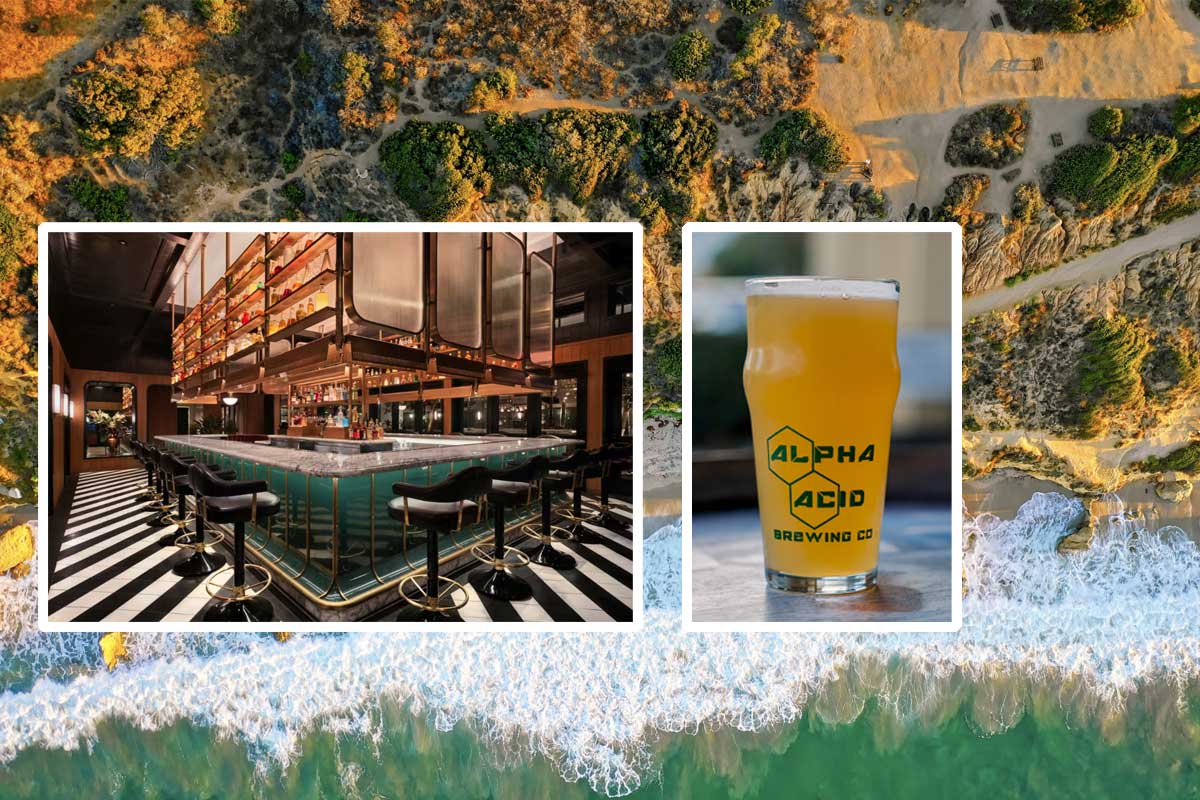
The geographic distribution of the beer trail allows for a logistical progression that mirrors the Caltrain line, making it accessible for both residents and visitors. In Burlingame, Twelvemonth serves as the northern anchor. Its tap list functions as a curated gallery of Northern California brewing, featuring staples from Santa Rosa’s Russian River Brewing Company—such as the world-renowned Pliny the Elder—alongside lagers from Richmond’s East Brother Beer Co. and non-alcoholic options from Fort Point Beer Company. This collaborative approach allows the venue to act as a gateway to the broader regional scene.
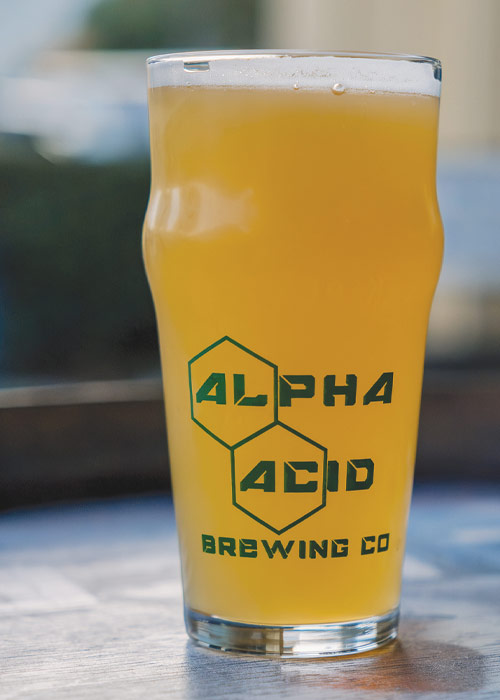
Moving south into Belmont, Alpha Acid Brewing Company represents the "industrial-tier" of the trail. Located in the Harbor Business Center, the brewery focuses on high-frequency rotation and technical precision. Their portfolio ranges from the 7% ABV "May The Haze Be With You" New England-style IPA to more complex, barrel-aged offerings like the "Flying Dutchman," a 10.2% ABV tropical stout aged in rum barrels. The presence of food trucks and pinball machines at this location highlights the "taproom culture" that prioritizes informal social gathering over traditional restaurant seating.
In San Carlos, Blue Oak Brewing Co. has carved out a niche in the sour and fruited ale market. Their utilize "thiolized" yeast strains—a recent advancement in brewing science that unlocks tropical aromatics in hops—to produce beers like "Hello Motueka." Their commitment to fruit-forward profiles, such as the "POG is My Copilot" (passion fruit, orange, and guava) and "Cherry Bomb," demonstrates the market’s appetite for diverse flavor profiles beyond the standard bitter IPA.
Redwood City serves as the southern terminus and the most densely populated segment of the trail. Ghostwood, a neighborhood-focused brewpub, balances accessibility with technical achievement. Their "Extra Crispy" American lager has garnered industry accolades, proving that light, traditional styles remain a cornerstone of the craft movement. Meanwhile, Freewheel Brewing Company continues its tenure as a specialist in English cask ales. By utilizing Maris Otter malt and traditional nitro pours, Freewheel caters to a specific segment of the market—including a significant expatriate community—seeking the smooth, malt-forward profiles of British ESBs and stouts.
Supporting Data and Economic Impact
According to data from the Brewers Association, independent craft brewers account for roughly 13% of the total U.S. beer market by volume. However, their economic impact is disproportionately high due to the labor-intensive nature of craft brewing and the higher price points of the product. On the San Francisco Peninsula, the concentration of these businesses contributes to rising property values in formerly underutilized industrial zones, such as those seen in Belmont and San Carlos.
The "multiplier effect" of these breweries is evident in the surrounding businesses. For instance, the Marsh Manor Shopping Center in Redwood City has seen increased foot traffic due to the proximity of Freewheel Brewing and State of Mind Public House and Pizzeria. State of Mind, led by Lars Smith of the U.S. Pizza Team, illustrates the synergy between high-end craft beverages and award-winning culinary programs. The presence of a rotating, world-class draft list alongside international award-winning pizza creates a "destination" effect that benefits the entire retail center.
Furthermore, the integration of breweries into the local social fabric is supported by diverse event programming. Trivia nights, billiards, and live music at venues like Ghostwood and Blue Oak ensure that these spaces remain active throughout the week, not just during weekend peak hours. This steady engagement provides a stable revenue stream that helps these small businesses navigate the high operating costs associated with the Bay Area.
Technical Innovations and Industry Standards
The Peninsula’s brewing scene is also a site of technical innovation. The use of thiolized yeast at Blue Oak Brewing Co. is a prime example of how local brewers are applying biotechnology to enhance flavor. Thiols are compounds found in grapes and hops that, when released by specific yeast strains during fermentation, produce intense aromas of passion fruit and grapefruit. By staying at the forefront of such trends, Peninsula brewers are able to compete with larger, more established breweries in San Diego and Portland.
Additionally, the adherence to traditional methods, such as the cask-conditioned ales at Freewheel, provides a necessary counterpoint to the high-ABV, heavily hopped trends. Cask ale, or "real ale," is unfiltered and unpasteurized beer that undergoes a secondary fermentation in the container from which it is served. This requires a high level of cellar management and technical skill, as the beer must be served at a specific temperature (usually 50–55°F) and consumed while fresh. The success of these styles on the Peninsula indicates a sophisticated consumer base with a broad palate.
Broader Implications for Regional Tourism and Urban Planning
The consolidation of the San Francisco Peninsula Beer Trail has broader implications for urban planning and regional tourism. As San Mateo County continues to develop its "Grand Boulevard" initiative along the El Camino Real and improve transit-oriented development around Caltrain stations, the beer trail provides a blueprint for how "experiential retail" can thrive.
City officials in Redwood City and Burlingame have historically recognized the value of vibrant downtown cores. By allowing for the zoning of breweries and taprooms in both commercial and light-industrial areas, these municipalities have fostered an environment where entrepreneurship can flourish. This has resulted in a "cluster effect" where the success of one establishment, like Gourmet Haus Staudt—a Bavarian-style bierstube that has become one of the top sellers of Weihenstephaner in the United States—draws attention to the entire region.
In conclusion, the San Francisco Peninsula has successfully transitioned from a suburban corridor into a specialized destination for craft beer enthusiasts. Through a combination of technical brewing excellence, strategic geographic placement, and a commitment to community-centric spaces, the breweries along this 30-mile stretch are setting a new standard for Northern California’s beverage industry. As the trail continues to grow, it will likely serve as a model for other regions looking to integrate artisanal production with urban and suburban infrastructure. The continued success of these independent businesses remains a vital component of the Peninsula’s economic and cultural vitality.