admin
The historical narrative of American immigration is frequently anchored to the East Coast, epitomized by the poetic imagery of Emma Lazarus’s "The New Colossus" and the processing centers of Ellis Island. However, a parallel and equally significant history unfolded on the West Coast, where San Francisco served as a primary "golden door" for Eastern European migrants during the 20th century. While the California Gold Rush of 1849 initially drew global attention, it was the subsequent industrialization of the region—specifically the rise of large-scale brewing—that provided the foundation for the Slovene-American community’s upward mobility and social integration. The evolution of San Francisco from a maritime outpost to a brewing powerhouse reflects a broader American story of labor, technological transition, and the pursuit of the "American Dream" through manual industry.
The Maritime and Industrial Foundations of San Francisco
Before San Francisco became an industrial hub, its character was defined by its harbor and the volatile fortunes of the Gold Rush. Richard Henry Dana, a Harvard-educated sailor who documented his 1834 journey in Two Years Before the Mast, provided some of the earliest English-language accounts of the region. By the time Dana returned in 1858, the quiet village of Yerba Buena had transformed into a bustling metropolis. Yet, as Dana observed, the true wealth of the city was not found in the gold mines of the Sierra Nevada, but in the mercantile and manufacturing sectors that supported the growing population.
Among these burgeoning industries, brewing emerged as a cornerstone of the local economy. The first recorded shipment of bottled beer arrived in San Francisco in 1843 via the merchant Benjamin T. Reed. Due to the lack of refrigeration and the unique climate of the Bay Area, early brewers developed "steam beer." This process involved cooling the heated wort in large, shallow vats on rooftops, utilizing the city’s natural fog and cool winds to trigger fermentation. This technique, most famously preserved by the Anchor Brewing Company (founded in 1896), became synonymous with San Francisco’s early industrial identity.
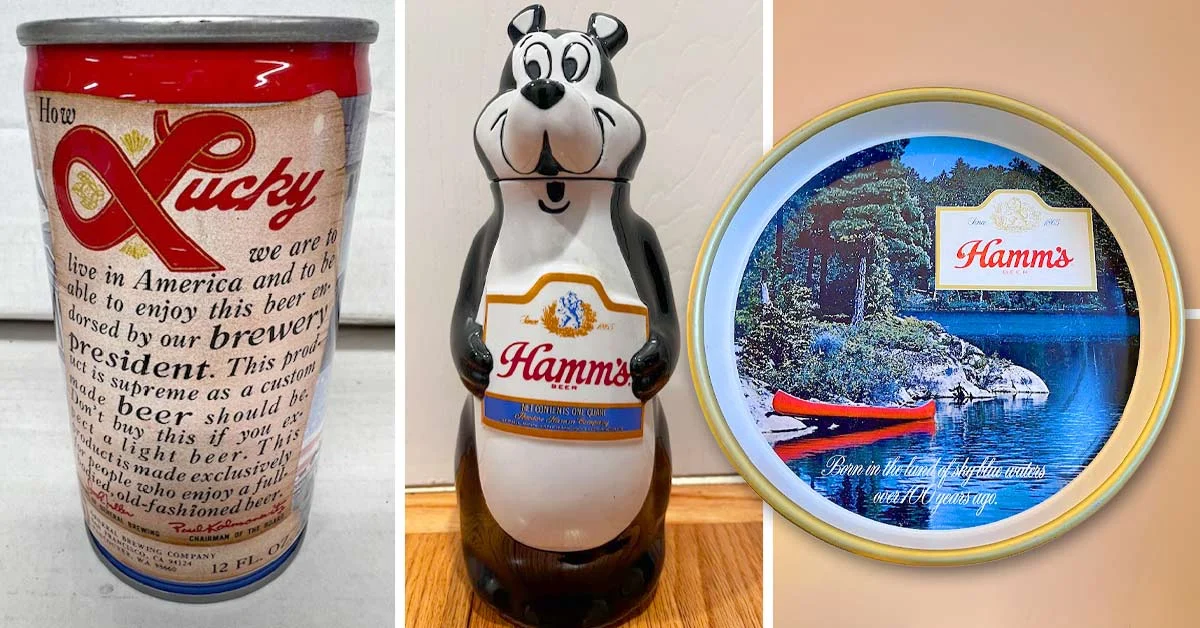
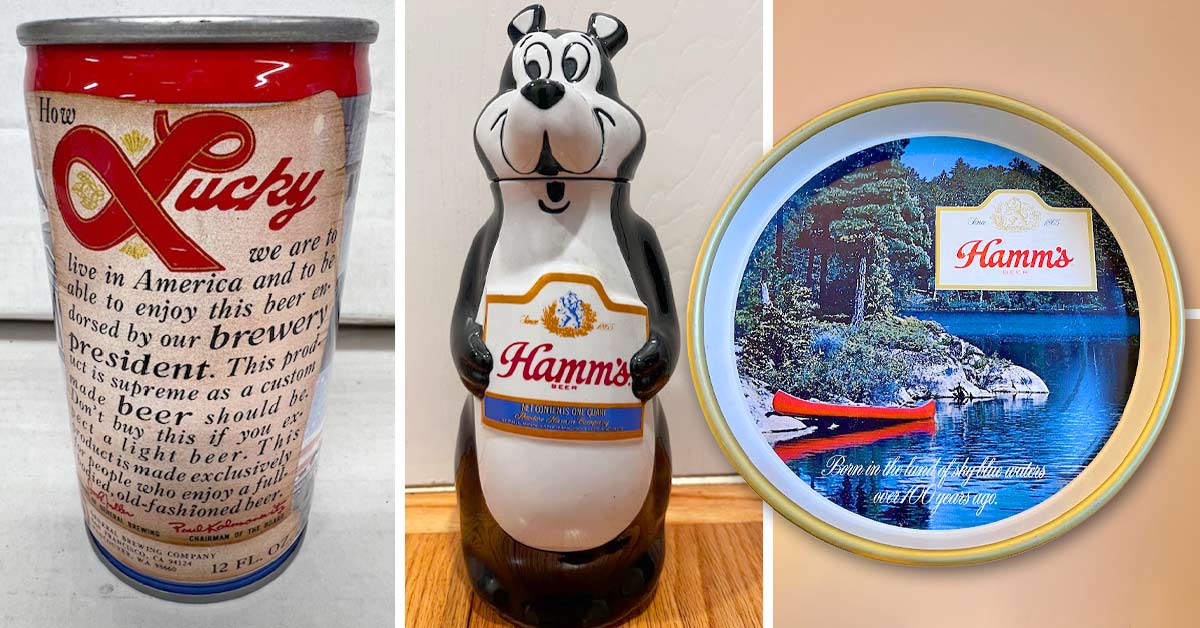
The early 20th century presented significant hurdles for the industry. The Great Earthquake of 1906 destroyed numerous facilities, and the subsequent implementation of Prohibition in 1920 forced many brewers to pivot to "near-beer," soda, or ice production. Furthermore, the anti-German sentiment surrounding World War I created a hostile environment for the many German-descended brewmasters who had established the city’s beer culture. Despite these challenges, the post-Prohibition era saw a massive resurgence, with companies like Lucky Lager, Acme Brewing, and the San Francisco Brewing Corp (later Burgermeister) expanding to meet the demands of a growing Western population.
The Slovene Migration: From Mines to the Brew Floor
The Slovene-American experience in the West followed a distinct migratory arc. In the early 1920s, thousands of Slovenians emigrated from the Kingdom of Yugoslavia, driven by economic instability and the aftermath of World War I. According to 1920 U.S. Census estimates, approximately 228,000 Slovene-Americans and their children were residing in the United States, primarily concentrated in the industrial centers of Ohio, Pennsylvania, and Illinois. However, a significant portion moved further west to Idaho, Montana, Colorado, and Oregon, seeking work in the mining and agricultural sectors.
For many Slovene families, the transition to San Francisco occurred in the wake of the Great Depression and World War II. Returning veterans, many of whom had served in the U.S. military during the liberation of Europe, found San Francisco to be a land of opportunity. Initially, these men found employment in heavy industries such as Soule Steel, which produced landing craft and barges for the war effort. As wartime production scaled back, the Slovene community—known for being tight-knit and industrious—shifted its focus toward the city’s expanding breweries.
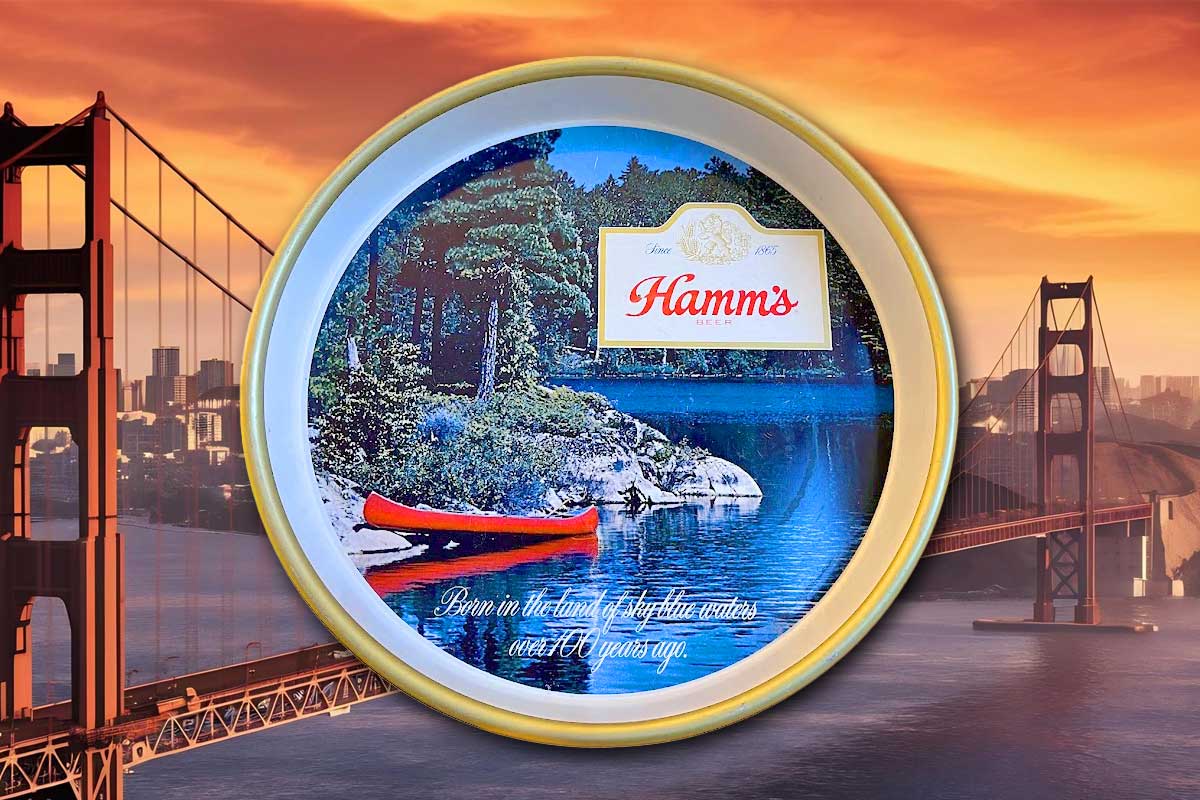
The entry of Slovenians into the brewing industry was often facilitated by kinship networks. Joseph Klemens, an early employee of Burgermeister (then Milwaukee Brewing) following the repeal of Prohibition in 1933, became a bridge for other Slovene immigrants. By the 1940s and 1950s, more than a dozen Slovene-American families were represented on the factory floors of "Burgie," as the brand was colloquially known. This trend was mirrored across other major plants, including Hamms, Schlitz, and Regal Pale, as the city’s brewing capacity reached its industrial zenith.
Labor Dynamics and the "Melting Pot" of the Brew Floor
The mid-century brewing industry in San Francisco was a microcosm of the American labor movement. The brew floors were diverse environments where Slovene immigrants worked alongside Irish, French, Italian, and Scottish laborers. By the 1970s, management began integrating African American workers into the production lines, further diversifying the workforce. Despite the prevailing social prejudices of the era—which included "No Bohunks Need Apply" signs targeting Czechs, Slovaks, and Slovenes—the breweries functioned as relatively egalitarian spaces where productivity and union membership superseded ethnic friction.
The work was physically demanding but offered high rewards for the time. Slovene laborers were involved in every stage of production:
- Warehousing: Packing glass bottles and, later, large pallets of aluminum cans.
- Production Lines: Operating fillers, labeling machines, and sealing caps.
- Logistics: Maneuvering heavy kegs via forklifts.
- Quality Control: Monitoring pH levels and product consistency.
During peak summer months, the demand for beer surged, allowing workers to take on extensive overtime, including "swing" and "graveyard" shifts. This economic stability allowed Slovene-American families to move into the middle class, purchasing Victorian homes in San Francisco and financing the college educations of their children. The role of the International Brotherhood of Teamsters was central to this prosperity; the union ensured competitive wages and pensions, and Slovene workers were notably supportive of collective actions, such as the 1973 boycott of the Coors plant in protest of discriminatory practices and union-busting efforts.
Technical Innovations and the Shift to Vietnam
The San Francisco brewing industry also played an unexpected role in the cultural and morale-boosting efforts of the Vietnam War. Many brewery workers were veterans of World War II or the Korean War, and they maintained a deep connection to the servicemen overseas. When shipments of beer were prepared for transport to Vietnam via air or sea, workers would often line the pallets with local newspapers and magazines. This provided soldiers with a vital link to their home communities, pairing the familiar taste of West Coast beer with news from their neighborhoods.
Technologically, the 1950s and 60s represented the peak of manual industrial brewing. A typical shift at a plant like Burgermeister could involve up to 40 workers and four supervisors, producing as many as 500,000 units (bottles and cans) in an eight-hour window. However, this era of high-intensity human labor was destined to be short-lived. The same spirit of innovation that led to the "computer revolution" in the nearby Silicon Valley began to permeate the factory floors.
Automation and the Birth of the Craft Movement
By the late 1970s, the landscape of American brewing underwent a radical transformation. Large-scale industrial plants began implementing automation, significantly reducing the need for manual labor. For the Slovene-American community, this meant the gradual elimination of the jobs that had sustained them for decades. While some workers transitioned to soft drink production at plants like Coca-Cola or 7UP, others retired as the great industrial breweries of San Francisco began to close their doors.
The decline of the industrial giants coincided with the birth of the modern craft beer movement. In 1965, Fritz Maytag, heir to the Maytag appliance fortune, purchased a struggling Anchor Brewing Company. Maytag’s commitment to traditional brewing methods and quality over quantity paved the way for the microbrewery revolution. While this shift eventually revitalized California’s reputation as a beer destination, it signaled the end of the "factory floor" era for immigrant communities. The old Burgermeister factory, once a hub of Slovene-American labor, was eventually repurposed, a common fate for many of the city’s industrial landmarks.
Legacy and the Modern Context
Today, the legacy of the Slovene-American beer workers is preserved primarily through family oral histories and the regional significance of San Francisco’s beer culture. Events like SF Beer Week, held annually in February, showcase hundreds of breweries across Northern California, reflecting a diversity of styles and traditions that evolved from those early industrial roots. Interestingly, the connection to Slovenia remains intact through the international beer market; Slovenia itself has developed a robust beer culture, dominated by brands like Laško and Union (now under the Heineken umbrella), which are occasionally featured in specialized European bottle shops in the Bay Area.
The story of the Slovene-American brewery workers serves as a testament to the role of industrial labor in the immigrant experience. Unlike the prospectors of the Gold Rush who sought instant wealth, these migrants built their lives through consistent, unionized manual work. Their contributions to the "Golden Door" of the West helped transform San Francisco into a modern metropolis, proving that the American dream was often brewed, bottled, and capped by the hands of those who arrived seeking nothing more than the opportunity to work. As the industry continues to evolve from massive factories to artisanal taprooms, the foundational efforts of the mid-century immigrant workforce remain a vital, if often overlooked, chapter in the history of the American West.