admin
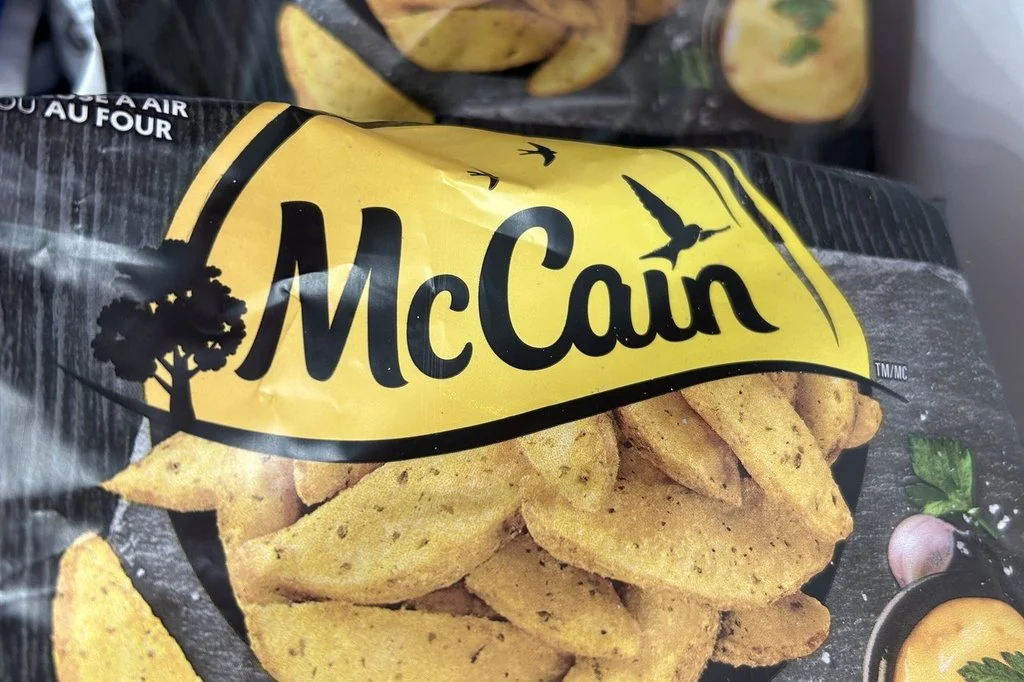
A significant class-action lawsuit alleging that two prominent Canadian food processing companies, McCain Foods Limited and J.D. Irving-owned Cavendish Farms, engaged in a multi-year conspiracy to fix prices in the lucrative U.S. frozen potato market, has been permitted to move forward by an Illinois judge. The ruling, delivered last month, rejected motions by the Canadian behemoths and three other co-defendants to dismiss the case, signaling a crucial victory for commercial and consumer plaintiffs who claim they were overcharged for staples like french fries, tater tots, and other frozen potato products. This judicial decision sets the stage for a potentially protracted legal battle that could reshape practices within the highly concentrated frozen food industry and has significant implications for antitrust enforcement in an era of advanced data analytics.
The Genesis of the Allegations: A Market Under Scrutiny
The lawsuit, initially filed in 2024, casts a wide net, implicating several key players in the U.S. frozen potato sector. Plaintiffs contend that an alleged "good ol’ boys network" among industry leaders conspired to inflate prices for frozen potato products through illicit information sharing. Central to these allegations is the purported misuse of a sophisticated data analytics platform known as PotatoTrack. This platform, according to court documents, was allegedly utilized not merely for legitimate market intelligence, but as a conduit for competitors to exchange sensitive sales and pricing information, thereby facilitating anti-competitive coordination rather than fostering healthy competition.
The defendants, who collectively command an estimated 98 percent of the U.S. frozen potato market, had sought to have the case dismissed, arguing that the plaintiffs’ claims lacked sufficient merit and factual basis. However, the U.S. judge’s recent decision largely upheld the majority of claims brought under a federal antitrust law, specifically the Sherman Antitrust Act. While some claims brought under the individual laws of various states were rejected, the core federal allegations, which carry substantial weight and potential penalties, were allowed to continue, underscoring the court’s view that the plaintiffs have presented a plausible case warranting further legal scrutiny.
Understanding the Legal Framework: Antitrust Law and Class Actions
At the heart of this legal challenge is the Sherman Antitrust Act of 1890, a landmark piece of U.S. legislation designed to prevent monopolies and cartels and promote economic competition. Section 1 of the Sherman Act specifically prohibits agreements "in restraint of trade," which includes price-fixing schemes. Price-fixing is considered a per se violation of antitrust law, meaning that if such an agreement is proven to exist, it is automatically deemed illegal, without the need to demonstrate its actual effect on competition. This makes it a particularly serious charge, often leading to treble damages (three times the actual damages) for victims, alongside potential criminal penalties for individuals involved.
A class-action lawsuit, like the one against the potato producers, allows a large group of individuals or entities with similar claims to sue a defendant collectively. In this instance, the plaintiffs represent a broad spectrum, including commercial purchasers such as restaurants and institutional buyers, as well as individual consumers who purchased frozen potato products. The aggregation of these claims into a single lawsuit streamlines the legal process and provides a mechanism for individuals with smaller, but collectively significant, damages to seek redress.
The Defendants: Titans of the Tuber Trade

McCain Foods Limited, headquartered in Florenceville, New Brunswick, Canada, is a global powerhouse in the frozen food industry. Founded in 1957, it has grown into the world’s largest manufacturer of frozen potato products, boasting operations in dozens of countries and supplying a vast array of customers, from fast-food chains to supermarkets. Its global footprint and market dominance mean that any legal challenges to its business practices reverberate throughout the international food supply chain. The company’s brand recognition is immense, with its familiar red packaging a common sight in freezers worldwide.
Cavendish Farms, also based in New Brunswick, is a subsidiary of J.D. Irving Limited, one of Canada’s largest privately-owned companies with diverse interests spanning forestry, shipbuilding, transportation, and food processing. While perhaps not as globally ubiquitous as McCain, Cavendish Farms holds a significant share of the North American frozen potato market, competing directly with McCain and other major players. Its strong regional presence and extensive processing capabilities make it a formidable force in the industry.
The other unnamed defendants in the lawsuit are also significant players, highlighting the highly concentrated nature of the frozen potato market in the U.S. This concentration, where a few large companies control the vast majority of supply, can create conditions ripe for collusion if not properly monitored and regulated.
The Alleged Mechanism: PotatoTrack and Data Sharing
The plaintiffs’ allegations focus heavily on the role of PotatoTrack, described as a data analytics platform. In modern business, such platforms are increasingly used to track sales, pricing, inventory, and market trends, providing valuable insights for strategic decision-making. However, antitrust concerns arise when these platforms are allegedly used not for independent analysis, but for direct or indirect communication among competitors regarding sensitive, non-public pricing and sales strategies.
The lawsuit posits that through PotatoTrack, the defendant companies were able to monitor each other’s pricing actions in real-time or near real-time, facilitating a coordinated approach to pricing rather than engaging in competitive price discovery. This alleged information exchange, which goes beyond publicly available data, could have allowed the companies to maintain artificially high prices, to the detriment of both commercial buyers and end consumers. Such practices, if proven, undermine the fundamental principles of a free market economy, where competition is expected to drive prices down and encourage innovation.
A Detailed Chronology of the Legal Proceedings
- Early 2024: The first class-action complaints are filed in U.S. federal courts, specifically in Illinois, accusing McCain Foods Limited, Cavendish Farms, and other major frozen potato processors of orchestrating a price-fixing conspiracy. The lawsuits are subsequently consolidated into a single multi-district litigation (MDL) case in the Northern District of Illinois, a common practice for complex class actions involving numerous plaintiffs and defendants across different jurisdictions.
- Throughout 2024-2025: Plaintiffs conduct initial investigations and gather evidence, building their case based on economic analysis, market data, and potentially whistleblower testimony or internal documents obtained through preliminary discovery.
- Late 2025: The defendant companies file motions to dismiss the consolidated class-action complaint, arguing that the plaintiffs’ allegations are speculative, lack concrete evidence of a conspiracy, and fail to meet the legal standards for pleading an antitrust violation.
- September 2026: Oral arguments are heard on the motions to dismiss before the U.S. District Judge in Illinois. Both sides present their legal arguments regarding the sufficiency of the plaintiffs’ claims.
- October 23, 2026: The U.S. District Judge issues a ruling, largely denying the defendants’ motions to dismiss. The judge determines that the plaintiffs have adequately pleaded a plausible claim under federal antitrust law, specifically the Sherman Act, allowing the case to proceed to the discovery phase. While some state-specific claims are dismissed, the core federal allegations remain intact.
- Following the Ruling: The parties are now expected to enter a more intensive discovery phase, where they will exchange vast amounts of documents, including internal communications, pricing data, sales records, and information related to the PotatoTrack platform. Depositions of company executives, employees, and expert witnesses will also commence.
Potential Implications and Broader Industry Impact
The judge’s decision to allow the lawsuit to continue carries significant implications beyond the immediate parties.

- Financial Penalties: If found liable, the defendant companies could face substantial financial penalties. Antitrust damages can be considerable, often reaching hundreds of millions or even billions of dollars, especially when trebled. Such a financial hit would impact their bottom lines and potentially influence future investment and operational strategies.
- Reputational Damage: Beyond monetary costs, a finding of guilt in a price-fixing scheme can severely damage a company’s reputation. For consumer-facing brands like McCain and Cavendish Farms, trust and public perception are crucial. Allegations of anti-competitive behavior can erode consumer loyalty and lead to boycotts or decreased sales.
- Industry Scrutiny: The case shines a spotlight on the practices within highly concentrated industries, particularly those utilizing shared data analytics platforms. This ruling could prompt greater scrutiny from antitrust regulators (like the U.S. Department of Justice and the Federal Trade Commission) into how such platforms are used across various sectors, ensuring they are not facilitating illegal coordination.
- Precedent for Data Platforms: The PotatoTrack aspect of the lawsuit is particularly salient in the digital age. It highlights the fine line between legitimate market intelligence and anti-competitive information exchange. A verdict against the defendants could establish important legal precedents regarding the acceptable use of shared data platforms among competitors.
- Impact on Consumers and Commercial Buyers: For the plaintiffs – from restaurant chains to individual grocery shoppers – a successful outcome could mean receiving compensation for alleged overcharges. More broadly, it could lead to increased competition in the frozen potato market, potentially resulting in lower prices and greater innovation in the long term.
Reactions and Expert Commentary
As of Friday, October 23, 2026, neither McCain Foods nor Cavendish Farms had issued an immediate public statement in response to requests for comment on the judge’s ruling. This is a common strategy in ongoing litigation, where companies often prefer to let their legal teams address matters in court and avoid public commentary that could be used against them. Typically, companies in such situations deny the allegations and affirm their commitment to fair business practices and robust defense against the claims.
Legal experts, however, have weighed in on the significance of the ruling. "This is a critical hurdle cleared for the plaintiffs," commented Professor Elena Rodriguez, an antitrust law specialist at a major U.S. university. "Getting past a motion to dismiss means the court believes there’s enough evidence to suggest that illegal activity could have occurred. It doesn’t mean guilt, but it definitely signals that this case has legs and the defendants face a serious challenge ahead." Another expert, David Chen, a former federal prosecutor specializing in white-collar crime, noted, "The focus on a data analytics platform like PotatoTrack is a key feature of modern antitrust cases. It illustrates how collusion can evolve with technology, moving beyond smoky backroom meetings to more sophisticated, data-driven coordination."
Consumer advocacy groups have also expressed interest, viewing the case as a potential win for everyday shoppers. "When companies conspire to fix prices on basic food items, it’s the consumers who ultimately pay the price," stated Maria Sanchez of the American Consumer Alliance. "This lawsuit, if successful, sends a strong message that anti-competitive practices will not be tolerated, even for something as seemingly innocuous as frozen french fries."
The Road Ahead: A Complex Legal Battle
The judge’s ruling marks a pivotal point, transitioning the lawsuit from the pleading stage to the discovery phase. This period will be characterized by intense legal maneuvering, as both sides engage in extensive information gathering and preparation for potential settlement negotiations or a full-blown trial. Discovery can last for months or even years, involving expert testimony, economic analyses, and the production of millions of documents.
Given the complexity of antitrust litigation, the involvement of multiple corporate defendants, and the substantial sums at stake, a settlement remains a strong possibility at various points in the process. However, if no agreement is reached, the case could ultimately proceed to trial, where a jury or judge would decide whether the Canadian companies and their co-defendants indeed conspired to fix prices in violation of federal antitrust laws. The outcome of this case could send a powerful message about accountability in concentrated markets and the integrity of competition in the global food industry.