admin
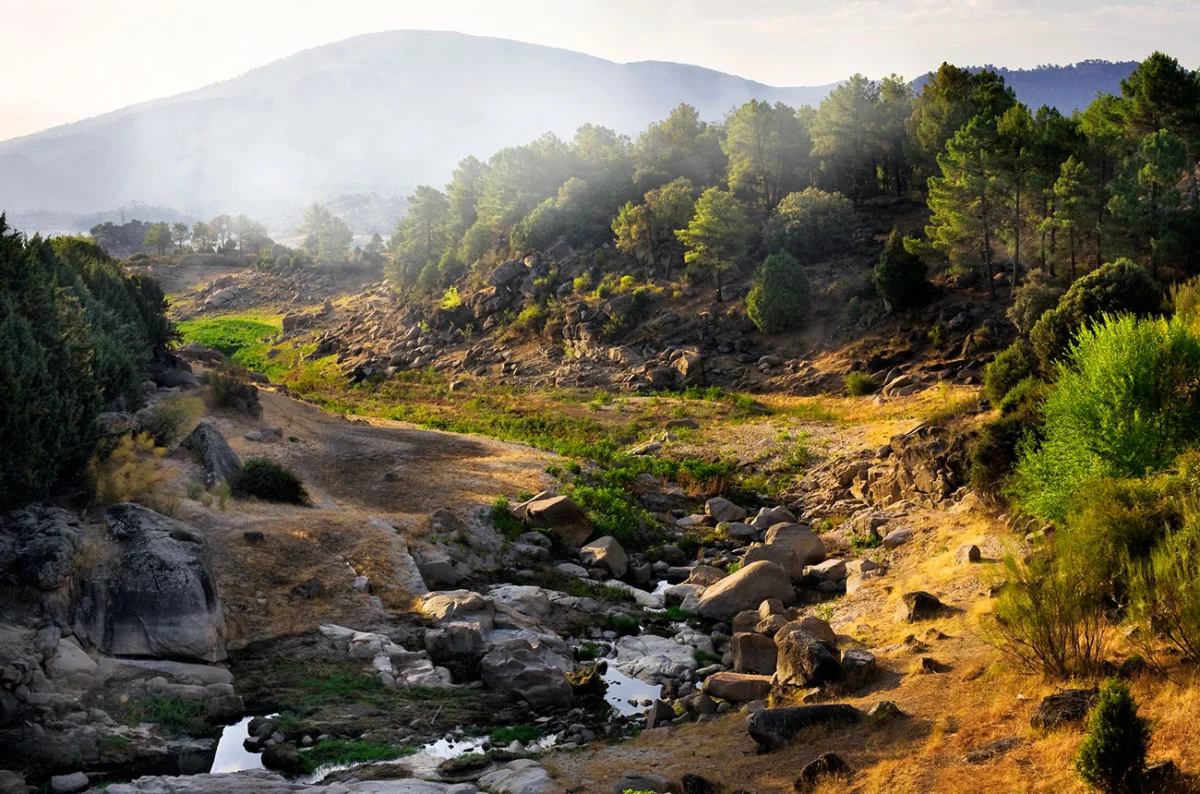
Nestled within the breathtaking, dramatically sculpted landscape of the Dentelles de Montmirail in southeastern France, a region renowned for its profound geological history and exceptional terroir, lies Chêne Bleu, a winery housed within a meticulously restored ninth-century priory. This unique estate stands as a testament to the powerful interplay between ancient geological forces, centuries of human endeavor, and a fervent commitment to modern, sustainable winemaking practices. The Dentelles de Montmirail, a striking chain of limestone peaks often described as "lace" due to their jagged, intricate formations, owe their existence to the same monumental tectonic collision that formed the Pyrenees tens of millions of years ago, thrusting layers of Jurassic limestone into near-vertical positions and creating a distinctive viticultural canvas.
The geological genesis of the Dentelles de Montmirail is a captivating narrative of Earth’s immense power. Approximately 60 to 100 million years ago, during the Late Cretaceous and early Cenozoic eras, the relentless northward movement of the African tectonic plate collided with the Eurasian plate. This colossal convergence initiated the Alpine orogeny, a mountain-building event responsible for shaping much of southern Europe, including the Pyrenees. While the Pyrenees formed to the west, parallel forces exerted immense pressure on the crust further east. In the region now known as Provence, this pressure resulted in the uplift and folding of sedimentary rock layers, primarily ancient Jurassic limestone deposited millions of years earlier when the area was submerged under a warm, shallow sea. The softer marl and clay layers eroded over millennia, leaving behind the harder, more resistant limestone peaks that characterize the Dentelles today. This geological history provides Chêne Bleu with its unique foundation: a complex mosaic of limestone, clay, and sand that dictates drainage, nutrient availability, and root penetration, profoundly influencing the character of its wines.
A Historic Estate Reborn: The Chêne Bleu Priory
The history of Chêne Bleu extends far beyond its geological bedrock, reaching back to the early medieval period. The winery itself is situated within a beautifully restored priory dating back to the ninth century, a structure that has witnessed over a millennium of human activity and agricultural tradition. While specific records of the priory’s early functions are often fragmented, such establishments typically served as monastic retreats, centers of learning, and hubs for local agricultural production, often including viticulture. Monastic orders throughout Europe were instrumental in preserving and advancing winemaking techniques during the Middle Ages, meticulously tending vineyards and refining processes that laid the groundwork for modern viticulture.
The current incarnation of Chêne Bleu began when the estate was acquired and underwent a painstaking restoration process. This multi-year endeavor aimed not only to preserve the architectural integrity of the ancient priory but also to integrate state-of-the-art winemaking facilities seamlessly into the historic fabric. The restoration respected the priory’s heritage, retaining its stone walls, vaulted ceilings, and inherent sense of timelessness, while simultaneously equipping it with the technology necessary for producing world-class wines. This fusion of ancient architecture and modern viticulture embodies the philosophy of Chêne Bleu: a deep respect for history and tradition coupled with an innovative, forward-thinking approach to winemaking and environmental stewardship.
Pioneering Sustainability: Organic, Biodynamic, Regenerative, and Bee-Friendly Viticulture
At the core of Chêne Bleu’s identity is its unwavering commitment to sustainable practices, a philosophy that Decanter’s Natalie Earl aptly summarizes by stating, "Every bottle of organic, biodynamic, regeneratively farmed or bee-friendly wine we buy is a vote for protecting the land." This statement underscores the profound impact consumer choices can have in supporting environmentally responsible agriculture. Chêne Bleu has embraced a multi-faceted approach to sustainability, moving beyond mere compliance to actively regenerate its land and foster biodiversity.
Organic Viticulture: The foundation of Chêne Bleu’s sustainable efforts is its organic certification. This involves eschewing synthetic pesticides, herbicides, fungicides, and chemical fertilizers in favor of natural alternatives. Instead, the vineyard relies on practices such as copper and sulfur treatments (used judiciously), companion planting, natural predators for pest control, and organic compost to enrich the soil. The benefits are manifold: improved soil health and microbial activity, reduced chemical runoff into local water systems, and a safer environment for vineyard workers and local wildlife. For Chêne Bleu, organic farming is not merely a set of rules but a commitment to nurturing a living, vibrant ecosystem within the vineyard.
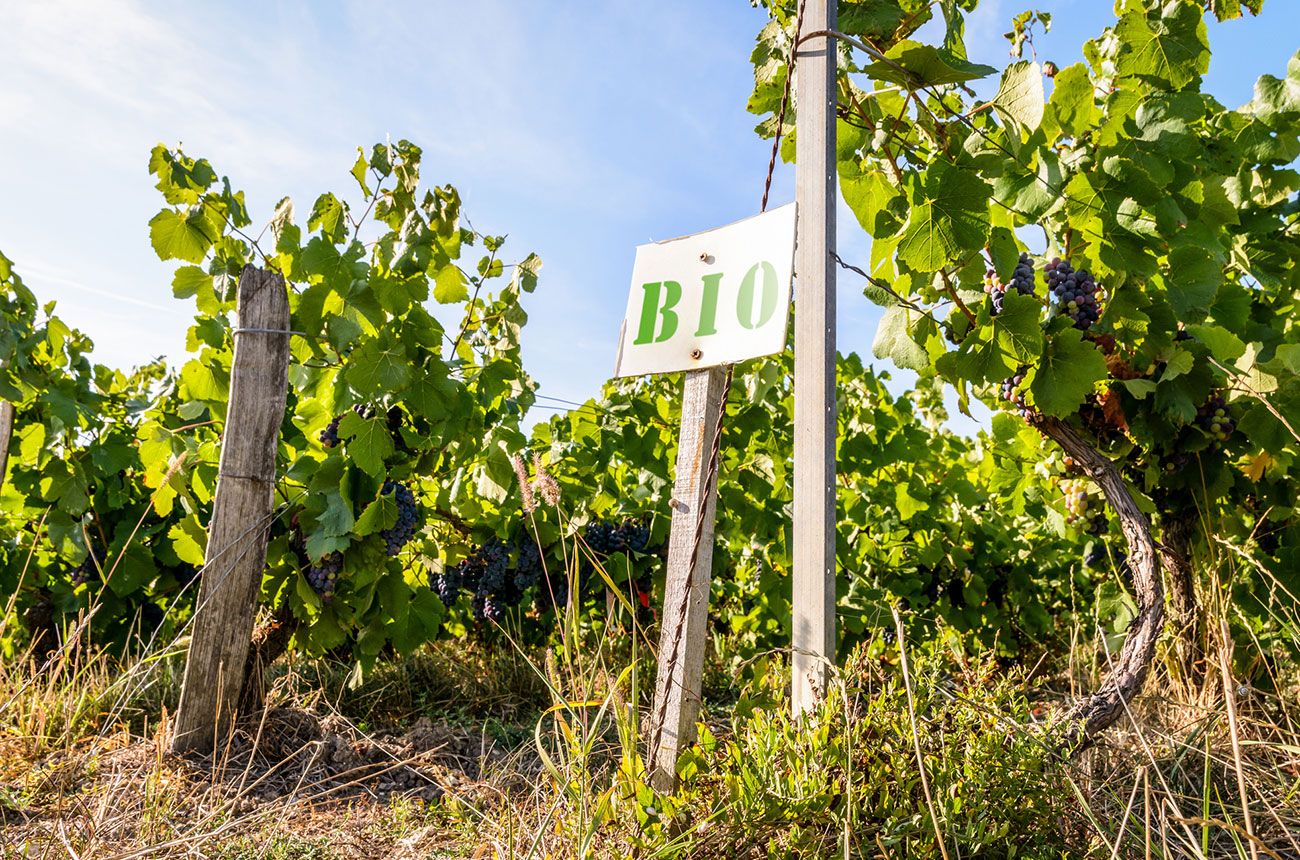
Biodynamic Principles: Building upon organic foundations, Chêne Bleu integrates biodynamic principles, a holistic, ecological, and ethical approach to farming first articulated by Rudolf Steiner in the early 20th century. Biodynamics views the farm as a self-sustaining organism, emphasizing the interconnectedness of soil, plants, animals, and the broader cosmos. Practices include observing lunar and planetary cycles for vineyard operations (pruning, planting, harvesting), using specific biodynamic preparations (such as horn manure and horn silica) to enhance soil fertility and plant vitality, and fostering biodiversity. While sometimes perceived as mystical, biodynamics is rooted in practical observations of natural rhythms and aims to create resilient, self-regulating agricultural systems. For Chêne Bleu, this means wines that are not only expressive of their terroir but also imbued with a unique vitality derived from a deeply balanced ecosystem.
Regenerative Agriculture: Chêne Bleu’s commitment extends to regenerative agriculture, a set of farming practices that aim to restore degraded soil biodiversity, enhance ecosystems, improve water cycles, and increase organic matter in soil, thereby drawing carbon from the atmosphere. In the vineyard, this translates to practices like:
- Cover Cropping: Planting diverse mixtures of legumes, grasses, and other plants between vine rows to prevent erosion, suppress weeds, fix nitrogen, and add organic matter back into the soil when tilled or mowed.
- No-Till or Minimum Tillage: Minimizing soil disturbance to preserve soil structure, microbial life, and carbon sequestration.
- Compost and Manure Application: Building soil fertility through natural amendments rather than synthetic fertilizers.
- Integration of Livestock (where appropriate): While less common in dense vineyards, some regenerative farms use animals for grazing and natural fertilization.
These practices are crucial for enhancing the long-term health and resilience of the vineyard, making it more robust in the face of climate change.
Bee-Friendly Viticulture: Recognizing the critical role of pollinators, Chêne Bleu actively cultivates a bee-friendly environment. This involves specific actions beyond simply avoiding harmful pesticides. The estate plants wildflowers and diverse native flora around the vineyard and adjacent lands, providing vital foraging habitats and nectar sources for bees and other beneficial insects. Protecting natural hedgerows, creating undisturbed areas for nesting, and ensuring access to clean water are also integral. The health of bee populations is a direct indicator of overall ecosystem health, and Chêne Bleu’s efforts contribute to a broader biodiversity strategy that benefits not only pollinators but the entire vineyard ecosystem, including natural pest control and improved vine health.
The Terroir of the Dentelles de Montmirail: Shaping Chêne Bleu Wines
The unique geological foundation of the Dentelles de Montmirail profoundly impacts the terroir, or sense of place, that defines Chêne Bleu’s wines. The Jurassic limestone, often visible as dramatic outcrops, provides excellent drainage, forcing vine roots to delve deep into the earth in search of water and nutrients. This deep root system makes vines more resilient to drought and allows them to absorb a complex array of minerals, which are then expressed in the wine’s flavor profile. The altitude and orientation of the vineyards within the "dimple" on the northern side of the range create specific microclimates, influencing sun exposure, temperature variations between day and night, and wind patterns. These factors contribute to slow, even ripening, preserving acidity and enhancing aromatic complexity in the grapes.
The region’s climate, a classic Mediterranean influence with hot, dry summers and mild winters, is moderated by the Mistral wind, which provides natural ventilation, reducing humidity and disease pressure. Chêne Bleu typically cultivates grape varietals well-suited to this environment, characteristic of the Southern Rhône Valley. For reds, this often includes Grenache, Syrah, and Mourvèdre, known for producing wines of richness, structure, and spice. For whites, varietals like Roussanne, Rolle (Vermentino), and Grenache Blanc might be employed, yielding wines with aromatic complexity and freshness. The combination of ancient soils, specific microclimates, and dedicated sustainable viticulture allows Chêne Bleu to craft wines that are deeply expressive of their distinctive provenance.
Broader Implications: A Model for the Wine Industry
Chêne Bleu’s comprehensive approach to sustainability serves as a compelling model for the broader wine industry, particularly in regions facing increasing environmental pressures. The global wine community is witnessing a significant shift towards eco-conscious practices, driven by both consumer demand and a recognition of climate change’s direct impact on viticulture.
Growing Trend in French Viticulture: Across France, there’s a discernible movement towards greener viticulture. The Rhône Valley, where Chêne Bleu is located, has seen a growing number of estates adopting organic and biodynamic certifications. The French government’s "Haute Valeur Environnementale" (HVE) certification, though less stringent than organic, represents a national effort to encourage environmental responsibility in farming. Chêne Bleu’s multi-layered commitment goes beyond these baseline certifications, showcasing a path for deep ecological integration.
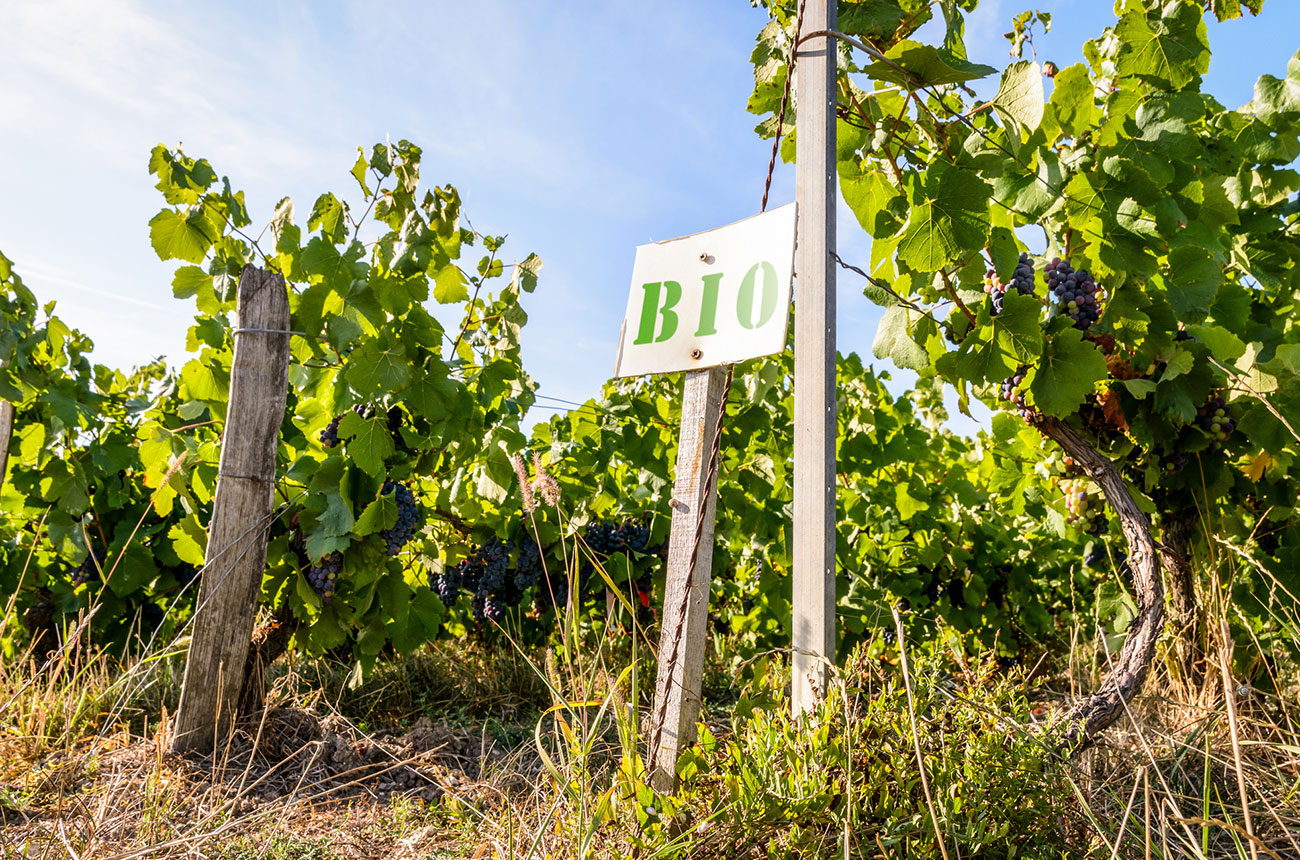
Economic and Environmental Benefits: The transition to sustainable practices, while initially requiring significant investment and effort, yields substantial long-term benefits. Environmentally, it leads to healthier ecosystems, reduced carbon footprints, improved water quality, and increased biodiversity – all crucial for the long-term viability of agricultural land. Economically, wines produced sustainably often command premium prices, appeal to a growing segment of environmentally conscious consumers, and can lead to more resilient vineyards that are better equipped to withstand climate variability.
Statements from the Industry:
An industry expert, Dr. Elara Dubois, a prominent viticultural scientist specializing in soil health, remarked, "Estates like Chêne Bleu are not just making wine; they are actively healing the land. Their integrated approach to organic, biodynamic, and regenerative farming sets a benchmark for how modern viticulture can coexist, and indeed thrive, with ecological restoration. It’s a vital shift from merely ‘doing less harm’ to actively ‘doing good’ for the environment."
A spokesperson for Chêne Bleu, while hypothetical, would likely articulate the estate’s vision: "Our commitment at Chêne Bleu is holistic. We believe that exceptional wine can only come from exceptional land, and that means being diligent stewards of our unique terroir. From the ancient stones of our priory to the deep roots of our vines, every aspect of our estate reflects a dedication to quality, history, and a sustainable future. We are proud to contribute to the growing movement that sees wine as an expression not just of place, but of profound environmental responsibility."
Natalie Earl of Decanter, whose observation anchored the initial understanding of Chêne Bleu’s philosophy, has consistently championed such initiatives. Her column, "The Ethical Drinker," often highlights how consumer choices can drive positive change. "The market for sustainably produced wines is expanding rapidly," Earl noted in a recent publication. "Consumers are increasingly aware of the environmental footprint of their purchases. When you choose a wine from a producer like Chêne Bleu, you are investing in a future where agriculture is regenerative, where biodiversity flourishes, and where the health of the planet is prioritized alongside the quality in the glass. It’s more than just a drink; it’s a statement."
The Future of Wine: A Legacy of Stewardship
Chêne Bleu stands as a compelling example of how historical legacy and cutting-edge environmental stewardship can converge in the world of fine wine. Its location, forged by ancient geological forces, provides a dramatic backdrop to a mission that looks firmly towards the future. By embracing organic, biodynamic, regenerative, and bee-friendly practices, the estate is not merely adapting to new trends; it is actively shaping them, demonstrating that premium quality and ecological responsibility are not mutually exclusive but deeply intertwined.
The narrative of Chêne Bleu extends beyond its acclaimed wines; it tells a story of revival – of an ancient priory, of a unique geological landscape, and of a vision for viticulture that respects and regenerates the very earth it springs from. As the global conversation around climate change and sustainable living intensifies, estates like Chêne Bleu offer a beacon of hope, proving that with dedication, innovation, and a profound respect for nature, the future of wine can be both exquisite and environmentally sound. Their commitment underscores the growing understanding that the health of the vineyard, and indeed the planet, is inextricably linked to the quality and character of the wine in every bottle.