admin
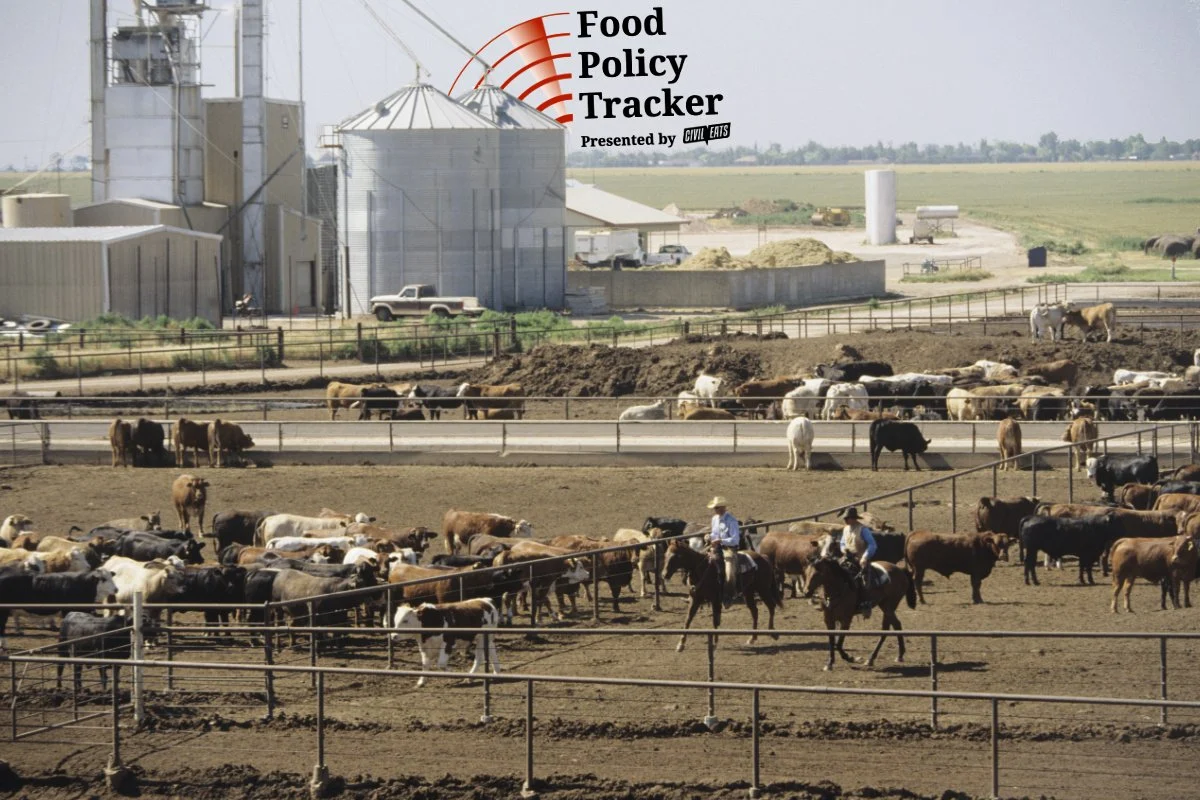
Washington D.C., October 14, 2026 – A month after President Donald Trump’s administration initiated a controversial plan to increase ground beef imports, purportedly to alleviate high consumer prices, a new analysis reveals that retail prices have seen only a marginal decrease. Simultaneously, American cattle producers are experiencing significant reductions in the prices they receive for their livestock, raising serious questions about the policy’s efficacy and its disproportionate impact on domestic farmers and ranchers.
The analysis, released by the farmer advocacy group Farm Action, scrutinizes U.S. Department of Agriculture (USDA) price data for the 30-day period immediately following the commencement of the accelerated beef imports. The findings indicate that the average retail price of ground beef decreased by a mere 2 percent, or 13 cents per pound, from $6.92 to $6.79. In stark contrast, prices paid to U.S. beef producers for two key categories of cows destined for the ground beef market plummeted by 12.2 percent and 13.9 percent, respectively. This divergence highlights a growing chasm between the farm gate and the grocery aisle, exacerbating financial pressures on an already beleaguered agricultural sector.
"The first 30 days raise serious questions about whether this policy is actually delivering on its promises," stated Sarah Carden, senior director of research and policy at Farm Action, in a press release accompanying the report. "Ranchers are seeing steep declines in the prices they receive, and consumers still haven’t seen clear, meaningful relief at the grocery store."
Unpacking the Policy: A Bid for Consumer Relief
The administration’s decision to boost beef imports, announced on August 21, 2026, was framed as a direct response to persistent food inflation, particularly soaring meat prices that had become a significant concern for American households. President Trump’s plan involved waiving tariffs on a substantial volume of imported ground beef, primarily from South American countries like Argentina, aiming to flood the market with cheaper product and thereby force down domestic retail prices. The White House argued that this temporary measure would provide immediate consumer price relief while allowing the U.S. cattle herd, currently at historically low levels, time to rebuild without exacerbating price pressures.

This policy emerged against a backdrop of complex economic factors influencing the beef market. For months, consumers had grappled with elevated beef prices, which the administration attributed to supply chain disruptions, strong demand, and a shrinking domestic cattle herd. The U.S. cattle inventory had been declining for several years, influenced by factors such as drought conditions in key cattle-producing regions, high feed costs, and producers exiting the industry due to slim profit margins. According to USDA data, the total cattle and calves inventory in the U.S. stood at approximately 97.5 million head at the beginning of 2026, a noticeable drop from previous years. This reduced supply, coupled with robust consumer demand, naturally pushed prices upward.
However, many agricultural economists and farmer advocacy groups have consistently pointed to another critical factor: the highly concentrated nature of the U.S. meatpacking industry. Four major companies — Cargill, JBS, National Beef, and Tyson Foods — control over 80 percent of the beef processing capacity in the United States. Critics argue that this market dominance allows packers to dictate prices to producers, suppressing live cattle prices while maintaining high retail prices, effectively widening their own profit margins. This "price spread" between what ranchers receive and what consumers pay has been a long-standing point of contention, and many feared that increased imports would primarily benefit these powerful intermediaries rather than consumers or producers.
The Disconnect: Producer Pain vs. Consumer Stagnation
The Farm Action analysis meticulously tracked the immediate aftermath of the import policy. While retail ground beef prices saw a modest 2% reduction, from an average of $6.92 to $6.79 per pound, the impact on cattle producers was far more severe. The categories of cattle most commonly sold for ground beef, often referred to as "cull cows" or "utility cows," experienced price drops exceeding 12%. This substantial reduction in income directly impacts ranchers’ ability to sustain their operations, invest in herd expansion, or even cover their ever-increasing input costs.
Kenny Burdine, an agricultural economist at the University of Kentucky, reached similar conclusions in his own analysis posted on October 1. Burdine observed that the decline in prices for cattle typically sold for ground beef significantly surpassed typical seasonal fluctuations, suggesting that the import policy played a direct role. "While seasonal trends often see some price adjustments, the magnitude of this recent drop appears to be directly influenced by market signals related to the increased import volumes," Burdine noted in his report.
Carden acknowledged that distinguishing between the psychological impact of the policy announcement and the actual market saturation from imported beef is challenging. At the end of September, less than 40 percent of the initial 100,000-ton allocation of imported beef had reportedly entered the country. This suggests that even before the full volume of imports could significantly impact retail shelves, the mere prospect of cheaper foreign beef entering the market may have already pressured domestic cattle prices downwards. The expectation of increased supply can trigger preemptive price adjustments by buyers in the commodity markets, anticipating future competition.

White House Stance and Rancher Rebuttal
In an emailed response to Civil Eats regarding Farm Action’s findings, White House spokeswoman Anna Kelly reiterated the administration’s position: "President Trump is delivering on his promise to consumers by reducing beef prices while allowing our American beef herd to grow." This statement underscores the administration’s two-pronged objective: immediate consumer relief and long-term domestic supply growth.
However, the efficacy of this strategy is fiercely debated by ranchers and their advocates. They contend that the supply of live cattle is no longer directly correlated with prices at the grocery store, largely due to the aforementioned market concentration in the processing sector. Furthermore, many argue that rather than fostering herd expansion, increased imports can actively hinder it. When prices paid to producers decline, ranchers face reduced profitability, making it harder to justify the significant investment required to retain breeding stock, purchase additional animals, or expand their operations. A financially struggling rancher is less likely to invest in growing their herd, potentially leading to further contractions in domestic supply in the long run.
Nick Levendofsky, Executive Director of the Kansas Farmers Union, articulated the deep anxieties permeating the agricultural community. In Kansas, one of the nation’s top cattle-producing states, farmers are grappling with a confluence of challenges. "Our farmers’ top concerns are the high cost of inputs, impacts of tariffs, and increased imports of foreign beef," Levendofsky stated. "I think all of these things compounded have really put farmers in a very difficult situation. I talk to farmers all the time who are constantly asking, ‘What are we going to do? How are we going to survive this?’" Input costs, including feed, fuel, and veterinary services, have soared in recent years, squeezing already tight margins. The additional pressure from declining cattle prices due to imports creates an unsustainable economic environment for many family farms.
Broader Implications and Political Undercurrents
The debate over beef imports and prices is not merely an economic one; it carries significant political weight, particularly with the midterm elections rapidly approaching. The agricultural vote, traditionally a strong base for the Republican party, is increasingly feeling disenfranchised by policies that appear to prioritize corporate interests or short-term consumer gains over the sustainability of domestic farming. The administration’s current approach risks alienating a crucial demographic that is vocal about fair market practices and the preservation of American agriculture.

The issue also reignites long-standing discussions about food security and the resilience of the domestic food supply chain. Relying heavily on imports for staple foods like beef can expose a nation to global market volatility, geopolitical tensions, and supply chain vulnerabilities. Advocates for domestic producers argue that a robust and self-sufficient agricultural sector is a matter of national security, and policies that undermine it are short-sighted.
Beyond the immediate impact on ground beef, analysts are also watching for potential ripple effects across the broader meat market. If the import policy is extended or expanded, it could influence prices for other cuts of beef and potentially other livestock, as market dynamics shift in response to increased foreign competition. The complex interplay of live cattle futures, wholesale beef prices, and retail markups means that the true beneficiaries of such policies are often difficult to discern and rarely align perfectly with stated intentions.
The Road Ahead: Uncertainty for Producers and Consumers
As the initial 30-day analysis period concludes, the findings paint a clear picture of uneven impacts. While the administration points to a modest dip in consumer prices as a success, the significant financial strain on U.S. cattle producers raises serious concerns about the long-term health of the domestic beef industry. The disconnect between farm-gate prices and retail prices underscores systemic issues within the supply chain, particularly the influence of highly concentrated meatpacking corporations.
The White House maintains that the policy is working as intended, providing temporary relief to consumers while allowing the domestic herd to recover. However, farmers and economists argue that depressing producer prices may have the opposite effect, discouraging the very herd expansion the policy aims to facilitate. The situation leaves many American ranchers facing an uncertain future, questioning their ability to remain viable amidst fluctuating markets and policy shifts that seem to favor imported goods over domestic production.
For consumers, the marginal price reduction may offer little comfort, especially if it comes at the expense of the nation’s food producers. The coming months will be critical in fully assessing the policy’s true impact as more imported beef enters the supply chain and its effects on both ends of the beef market become clearer. The tension between immediate consumer relief and the long-term sustainability of American agriculture remains a central challenge for policymakers navigating the complex landscape of food economics.