admin
admin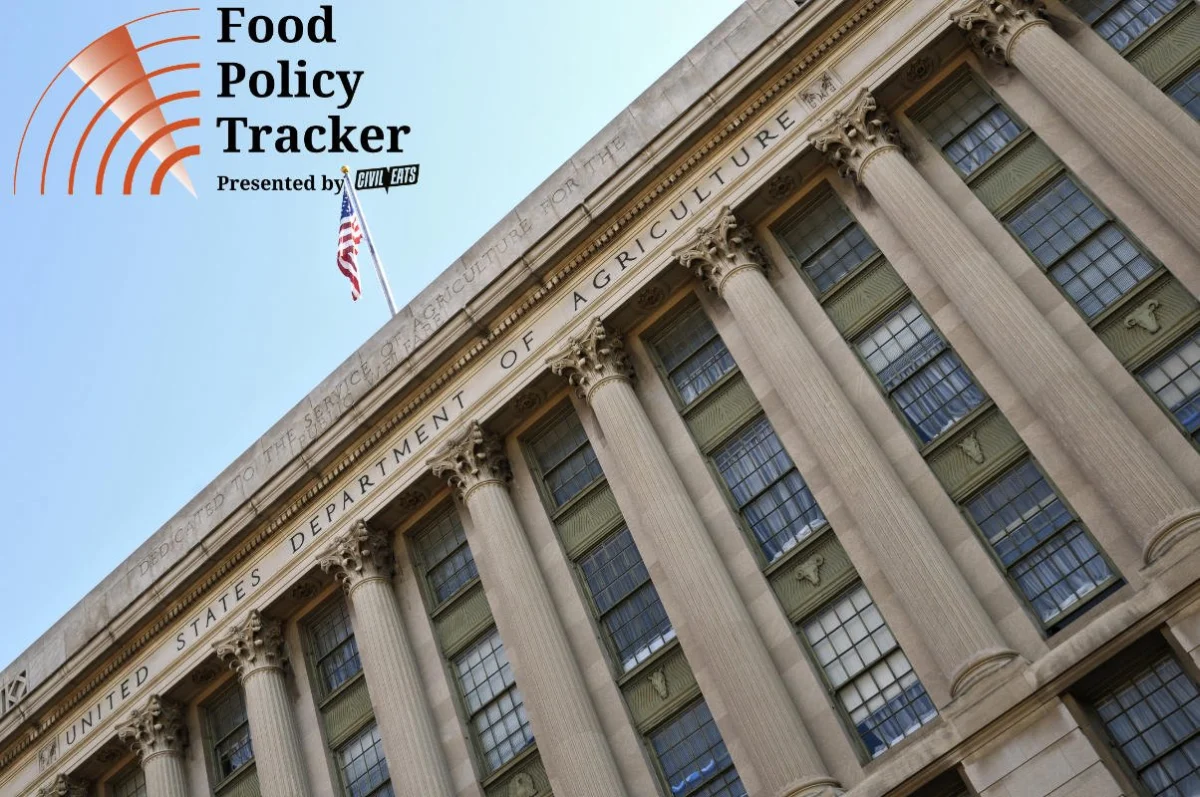
The U.S. Department of Agriculture (USDA) stands accused of failing to adequately prepare the nation’s vital agriculture and forestry sectors for escalating climate-related risks from pests and diseases, according to a scathing analysis released earlier this month by the Government Accountability Office (GAO). The report, titled "Climate Change: USDA Needs to Better Address Increasing Risks from Pests and Diseases," (GAO-26-106756), dated September 2026, casts a stark light on the federal government’s preparedness, concluding that existing efforts are insufficient to counter the profound economic and ecological threats posed by a warming planet.
Escalating Threats and Economic Fallout
The GAO, an independent, non-partisan investigative arm of Congress, detailed how the USDA has not fully integrated these critical risks into its broader climate-resilience planning. This oversight comes despite a growing body of evidence indicating that climate change is fundamentally altering the distribution, lifecycle, and virulence of agricultural pests and plant pathogens. The consequences of this inaction are already staggering, with invasive species alone imposing an estimated economic burden of at least $550 billion on the agricultural and forestry industries between 1960 and 2020. This colossal sum accounts for direct crop and timber losses, increased control and mitigation costs, reduced yields, and long-term ecosystem degradation.
The report emphasizes that rising global temperatures are creating more favorable conditions for pests and diseases, allowing them to expand their geographic ranges, reproduce more frequently, and survive longer periods. This phenomenon is leading to new infestations in areas previously untouched and intensifying existing problems. For instance, the report highlights the case of the corn earworm, a notorious agricultural pest. In 2024 alone, this single pest was responsible for damaging an estimated 47 million bushels of corn. Warmer weather patterns have shifted its migration routes and accelerated its emergence earlier in the growing season, catching farmers unprepared and complicating traditional pest management strategies.
Beyond specific examples, the GAO underscores a broader trend. The federal government’s own Fifth National Climate Assessment, published in 2023, warned extensively about the expected shifts and expansions in the reach of diseases and pests due to climate change, predicting longer periods of infestation and more severe impacts. Such developments not only threaten the livelihoods of farmers and the stability of rural economies but also create a "growing fiscal exposure to the federal government through the federal crop insurance program and other supplemental appropriations," the report states. This implies that as climate-induced losses mount, taxpayer-funded programs designed to protect farmers from natural disasters will face increasing pressure, potentially requiring massive payouts and straining federal budgets.
A Chronology of Insufficient Action and Policy Reversals

The GAO’s findings are not entirely new to the USDA. The report reveals that as early as 2023, USDA officials acknowledged to the GAO that the risks of diseases and pests had not been fully incorporated into the agency’s climate resilience strategies, though they claimed to have a plan to course-correct. However, the subsequent years have seen a troubling disconnect between stated intentions and actual implementation, exacerbated by shifting political priorities.
Under the Trump administration, efforts to prioritize climate resilience activities within the USDA have reportedly been curtailed or outright repealed. For example, previous initiatives aimed at supporting land managers in addressing climate risks or fostering climate science research have faced significant setbacks. The President’s budget request for fiscal year 2027 proposes nearly $5 billion in cuts from the USDA, a reduction that critics argue would further cripple the agency’s capacity to respond to climate change and its associated challenges.
The human capital dedicated to these crucial tasks has also dwindled. The GAO report notes a significant exodus of employees specifically tasked with climate change initiatives and pest prevention. These staff members have either left the agency entirely or been reassigned through mechanisms like deferred resignations or early retirement, leaving critical gaps in expertise and institutional knowledge. Data from earlier in 2026 indicated that nearly 150 USDA county offices, the frontline for assisting farmers, had no dedicated conservation staff, highlighting a systemic weakening of the agency’s on-the-ground capabilities. These staffing reductions and budget cuts create a concerning picture of an agency struggling to meet an escalating threat with diminishing resources and a fragmented strategy.
Recommendations for a Coordinated National Strategy
In response to these critical gaps, the GAO report outlines a series of concrete recommendations for the USDA. Foremost among these is the imperative for the agency to conduct a comprehensive, nationwide risk assessment. Such an assessment would identify vulnerabilities, prioritize threats, and provide the foundational data necessary to develop an effective national strategy for managing climate-driven pests and diseases. Furthermore, the GAO urges the USDA to significantly improve its monitoring systems for pests and diseases, fostering better coordination and data sharing across various federal agencies and with external partners, including state agricultural departments, universities, and private sector stakeholders. Enhanced monitoring is crucial for early detection, rapid response, and adaptive management strategies.
The report emphasizes that a fragmented approach is no longer sustainable. The interconnected nature of agricultural and forestry ecosystems demands a holistic and coordinated response that transcends individual agency silos. This includes investing in research to understand the complex interactions between climate change, pest biology, and host plant susceptibility, as well as developing and disseminating climate-resilient farming practices and pest management techniques.

Congressional and Stakeholder Reactions
The GAO report was commissioned by Representative Chellie Pingree (D-Maine), a long-standing advocate for sustainable agriculture and climate action. Following the report’s release, Representative Pingree wasted no time in pressing Agriculture Secretary Brooke Rollins to swiftly implement the GAO’s recommendations. In a strongly worded letter to Secretary Rollins, Pingree underscored the immediate and tangible impacts already being felt by farmers in her home state. She recounted how Maine farmers have witnessed "dramatic" increases in pest infestations, forcing them to invest thousands of dollars in additional prevention measures—costs that significantly erode their already thin profit margins.
"These stories demonstrate that climate change is not a distant threat—it is a daily reality for Maine farmers, who are innovating and adapting but cannot shoulder the burden alone," Pingree wrote. Her statement encapsulates the sentiment of many agricultural producers who feel increasingly isolated in their struggle against environmental challenges that are largely beyond their control. Farmers, often operating on tight budgets and narrow margins, are the first line of defense against these biological incursions, yet they rely heavily on federal support, research, and policy guidance to succeed.
Notably, the USDA did not issue a formal agreement or disagreement with the findings of the GAO report when it received a draft ahead of its public release. This non-committal stance, while not an outright rejection, has been interpreted by some observers as a reluctance to fully embrace the report’s critical assessment and urgent calls for reform. Environmental advocacy groups and sustainable agriculture organizations have widely echoed Pingree’s concerns, emphasizing that the health of the nation’s food system and natural resources hinges on a proactive and science-based federal approach to climate change. They argue that continued delays will only exacerbate the problem, leading to greater economic losses, increased reliance on chemical interventions, and potentially irreversible ecological damage.
Broader Implications for Food Security and the Future
The implications of the GAO’s findings extend far beyond individual crop losses or budgetary concerns. At its core, the report highlights a significant threat to national food security and the long-term viability of American agriculture and forestry. A stable food supply relies on predictable growing seasons and resilient ecosystems, both of which are being undermined by climate change and the unchecked proliferation of pests and diseases.

Increased pest and disease pressure can lead to reduced crop yields, higher food prices, and greater volatility in agricultural markets. This instability disproportionately affects vulnerable populations and can ripple through global supply chains. Furthermore, the reliance on federal crop insurance as a primary backstop, while essential for farmer survival, is not a sustainable long-term solution without concurrent efforts to mitigate the underlying climate risks. It merely addresses the symptoms rather than the root cause.
The report also implicitly calls for a renewed commitment to scientific research and extension services. Understanding the complex ecological dynamics of a changing climate and developing innovative solutions requires sustained investment in agricultural science, pest management, and climate modeling. The erosion of scientific capacity within the USDA, as indicated by staffing losses, represents a dangerous trend that could leave the nation unprepared for future challenges.
Ultimately, the GAO’s report serves as a critical warning. It underscores the urgent need for a comprehensive, well-funded, and politically supported national strategy to address climate-driven risks in agriculture and forestry. Without a robust federal response that integrates climate resilience into all levels of planning and operations, the U.S. risks facing increasingly severe economic disruptions, environmental degradation, and threats to its food supply in the years to come. The responsibility now falls on the USDA and Congress to heed these warnings and translate recommendations into decisive action to protect the nation’s vital natural resources and agricultural heritage.