admin
admin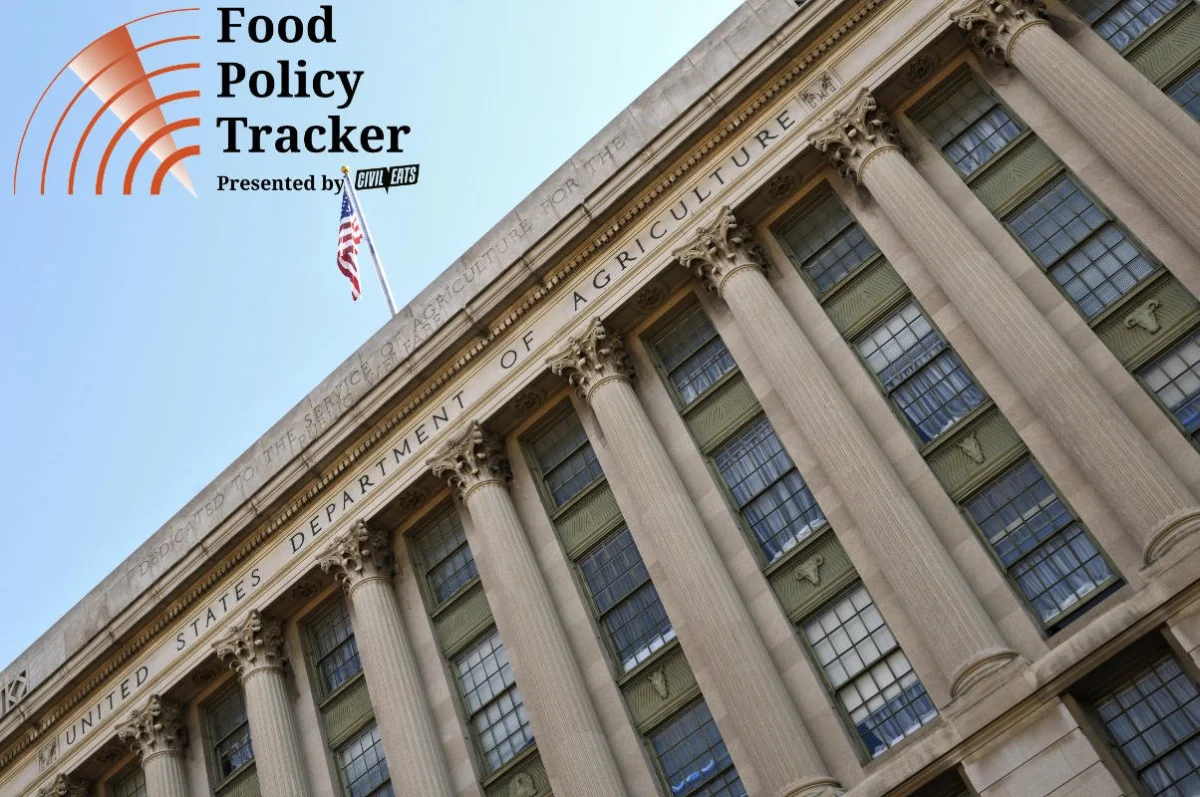
A U.S. federal judge on Monday, September 18, 2026, issued a temporary stay, directing the U.S. Department of Agriculture (USDA) to pause its controversial reorganization efforts until October 2. The ruling provides a brief reprieve for thousands of employees facing forced relocation and signals a critical juncture in the escalating legal and political battle over the agency’s restructuring. The judge’s decision comes as he considers the merits of a new lawsuit filed by a coalition of government worker unions, non-profits, cities, and states, all seeking to permanently halt a plan they argue is disruptive, illegal, and detrimental to the nation’s food and agricultural systems.
The Judicial Intervention: A Temporary Halt
The temporary stay, effective immediately, places an urgent brake on the USDA’s multi-phase reorganization, which has been in motion since its announcement in July 2025. For the next two weeks, the USDA is legally bound to cease all activities related to the relocation of personnel and consolidation of departments. This order offers a moment of respite for employees who have been navigating uncertainty, some having already received formal reassignment letters. The judge’s decision to grant a temporary stay underscores the serious nature of the allegations presented by the plaintiffs, particularly concerns regarding the potential irreparable harm to both the workforce and the vital public services the USDA provides. It also sets the stage for an intensive review of the legal arguments, particularly whether the USDA has overstepped its authority by proceeding without explicit congressional approval.
Deep Roots of Discontent: The USDA Reorganization Plan Unveiled
The genesis of the current conflict traces back to July 2025, when the USDA, under the leadership of Secretary Brooke Rollins and Deputy Secretary Stephen Vaden, announced a sweeping reorganization plan. The core of this initiative involved relocating more than 2,000 employees from Washington, D.C., to new "hubs" in various locations across the country. Additionally, the plan included the consolidation and elimination of several existing departments and research facilities, a move that promised to streamline operations and enhance efficiency.
Secretary Rollins and Deputy Secretary Vaden publicly defended the reorganization, asserting that its primary intention was to move employees closer to the communities and stakeholders they serve, thereby improving responsiveness and service delivery. They also cited potential cost savings as a key driver, arguing that consolidating resources would lead to more efficient use of taxpayer money. However, critics swiftly pointed out a significant detail: approximately 90 percent of the USDA’s staff already operated out of local offices situated outside the D.C. metropolitan area. This fact fueled skepticism regarding the stated rationale, suggesting that the primary beneficiaries of the relocation might not be the "people they serve" but rather a strategic realignment with other, unstated objectives.
A Timeline of Opposition and Escalation
The USDA’s reorganization plan has been met with a steady drumbeat of opposition since its inception, evolving into a multi-front battle involving employees, unions, advocacy groups, and members of Congress.
July 2025: USDA formally announces its major reorganization, detailing plans for employee relocation and departmental consolidation. This triggers initial concerns among the workforce and various stakeholders.
Fall 2025: As employee discontent mounts, lawmakers intervene. Recognizing the potential disruption and the lack of transparency, Congress includes specific language in a critical funding bill. This legislative measure mandates that the USDA seek explicit congressional approval before undertaking any significant relocation of offices or employees, or reorganizing programs. Crucially, it also prohibits the USDA from using appropriated funds for reorganization activities without such approval, effectively tying the agency’s hands unless it complies with legislative oversight. This congressional action laid the groundwork for the current legal challenges, as opponents argue the USDA has disregarded this directive.
December 2025: Employee feedback on the reorganization is overwhelmingly negative. Internal surveys and public comments reveal that nearly 96 percent of submitted feedback was critical of the plan. Union-conducted surveys further indicated that a significant majority of employees, if faced with a directive to move, would choose to leave their positions rather than relocate. This stark data underscored a looming crisis of talent retention and institutional knowledge loss.
March-June 2026: Reports begin to surface detailing the adverse impacts of existing workforce reductions and the anticipated effects of the reorganization. Data highlights that nearly 150 USDA county offices lack conservation staff, pointing to existing shortfalls that would only be exacerbated by further disruptions. School meal advocates caution against the reorganization, fearing negative consequences for food aid administration. Concerns are also raised about the plan’s expansion to include the Food Safety Inspection Service, a critical agency for public health.
August 2026: Official figures indicate a dramatic reduction in the USDA workforce, with the agency having more than 17,000 fewer employees compared to the start of the Trump administration. This attrition, occurring prior to the full implementation of the reorganization, intensified fears that the new plan would decimate an already strained workforce.
September 9, 2026: Four major unions representing government workers – including the American Federation of Government Employees (AFGE) – in collaboration with a formidable coalition of non-profits, cities, and states, file a new, comprehensive lawsuit. This legal action specifically targets the USDA’s reorganization, arguing that by continuing to press ahead without congressional approval, the agency is breaking the law as stipulated in the Fall 2025 funding bill. The plaintiffs seek an immediate injunction to halt the plan.
This lawsuit builds on the foundation of an earlier, broader legal challenge that contested government staffing changes generally. While a judge in that previous case allowed the USDA’s reorganization to proceed, indicating that specific union claims should be addressed in a separate suit, the current filing directly addresses the core legality of the reorganization itself.
September 18, 2026: A U.S. federal judge issues a temporary stay, ordering the USDA to pause all reorganization activities until October 2, while he considers the merits of the case. This marks the most significant legal intervention to date, offering a temporary victory for opponents and a moment of judicial scrutiny for the administration’s plan.
The Human Cost and Operational Strain
The proposed USDA reorganization is not merely an administrative reshuffle; it carries profound implications for the agency’s workforce and its capacity to execute its critical missions. The prospect of forced relocation has generated widespread anxiety and demoralization among employees, many of whom have dedicated years, if not decades, to public service.
AFGE National President Everett Kelley articulated these concerns in a press release, stating, "On behalf of the tens of thousands of USDA employees AFGE represents, I am urging the court to put an immediate halt to this illegal and disruptive reorganization. USDA employees keep our food safe, stand behind our farmers, make sure our children are fed, and keep thousands of American businesses running. Instead of investing in these public servants, this administration wants to dismantle the USDA and gut the workforce that our country depends on." Kelley’s statement highlights the perceived attack on the very foundation of the USDA’s operational strength.
The agency’s workforce has already been significantly depleted. As of August 2026, the USDA employed over 17,000 fewer individuals than it did at the beginning of the Trump administration. This substantial attrition means that the agency is operating with a reduced capacity even before the reorganization fully takes hold. Introducing a plan that could force thousands more experienced staff to leave is seen by many as a catastrophic blow to institutional knowledge and operational efficiency.
Reports from Government Executive revealed a telling detail about employee compliance. While a USDA official stated in a separate lawsuit filing that 64 percent of 725 employees who had received relocation notices had accepted reassignment, employees themselves offered a different perspective. Many indicated that their "acceptance" was a strategic, temporary measure to retain their positions while actively seeking other employment or requesting exemptions. This suggests that the official acceptance rate may mask a deeper level of discontent and an ongoing exodus of talent, rather than genuine willingness to relocate.
The potential loss of experienced staff poses a direct threat to the USDA’s ability to fulfill its mandates across a wide array of crucial services:
- Administering Food Aid: Programs like school meals and SNAP (Supplemental Nutrition Assistance Program) rely on experienced personnel for efficient administration, oversight, and policy implementation. Disrupting these teams could lead to delays, errors, and reduced effectiveness in delivering vital nutrition to vulnerable populations.
- Serving Farmers: The USDA provides essential services to farmers, including conservation programs, crop insurance, disaster relief, and technical assistance. Staff shortages in county offices, particularly in conservation roles, have already been documented. A further reduction in personnel could severely hamper the agency’s ability to support the agricultural sector, impacting food production and rural economies.
- Overseeing Food Safety: The Food Safety and Inspection Service (FSIS) is responsible for ensuring the safety of meat, poultry, and egg products. Any disruption to its workforce could compromise the rigorous inspection processes necessary to protect public health, potentially leading to increased risks of foodborne illnesses.
Congressional Standoff and Legal Precedent
The congressional intervention in Fall 2025, specifically the language embedded in the funding bill, is a cornerstone of the current legal challenge. By requiring legislative approval for major reorganizations and prohibiting the use of appropriated funds without it, Congress sought to exert its constitutional authority over federal agency operations and spending. This move was a direct response to concerns that the executive branch was unilaterally implementing significant changes without adequate oversight or input.
The unions’ lawsuit explicitly argues that by continuing to "press ahead" with the reorganization in defiance of this congressional mandate, the USDA is acting unlawfully. This legal argument centers on the principle of separation of powers and the constitutional role of Congress in appropriating funds and setting policy for federal agencies.
The federal judge’s temporary stay indicates that this argument holds sufficient weight to warrant further consideration. Should the judge ultimately rule in favor of the plaintiffs and issue a permanent injunction, it would set a significant precedent regarding the limits of executive power in restructuring federal agencies, particularly when Congress has explicitly legislated on the matter. It would underscore the importance of inter-branch cooperation and the checks and balances inherent in the U.S. government system.
Broader Implications for Food Systems and Rural America
Beyond the immediate legal and operational challenges, the USDA reorganization carries profound broader implications for the nation’s food systems, agricultural sector, and rural communities.
- Agricultural Research and Innovation: The USDA is a global leader in agricultural research, driving innovation in crop science, livestock management, and sustainable farming practices. Consolidating or eliminating research facilities and relocating key scientists could disrupt ongoing projects, diminish research capacity, and ultimately slow progress in addressing critical challenges like climate change, food security, and disease outbreaks.
- Policy Development and Implementation: The loss of experienced policy analysts and program managers could weaken the USDA’s ability to develop effective agricultural and food policies. Institutional memory, crucial for understanding the nuances of complex issues and avoiding past mistakes, could be severely eroded.
- Rural Economic Development: Many USDA offices and programs are vital components of rural economies, providing employment, technical assistance, and investment. Relocating these functions away from rural areas could exacerbate existing economic disparities and diminish the agency’s direct connection to the communities it aims to serve.
- National Food Security and Global Leadership: The USDA plays a pivotal role in ensuring national food security and maintaining the U.S.’s leadership in global agriculture. A weakened or disrupted USDA could impair the nation’s ability to respond to food crises, maintain robust food supply chains, and represent American agricultural interests on the international stage.
The reorganization is viewed by many as part of a broader trend of diminishing the federal workforce and centralizing power, potentially at the expense of regional expertise and local responsiveness. The long-term damage to the USDA’s reputation as a reliable and expert agency, capable of attracting and retaining top talent, could be substantial.
Looking Ahead: The Path to October 2 and Beyond
The temporary stay until October 2 provides a critical window for the federal judge to thoroughly evaluate the merits of the lawsuit. During this period, both the USDA and the plaintiffs will likely submit additional arguments and evidence to bolster their respective cases. The judge will weigh the potential harm of allowing the reorganization to continue against the arguments for executive flexibility and efficiency.
Possible outcomes following October 2 include:
- Issuance of a Preliminary or Permanent Injunction: If the judge finds strong evidence that the USDA is acting unlawfully or that the reorganization poses irreparable harm, he could issue a longer-term injunction, potentially halting the plan indefinitely until congressional approval is secured or other legal issues are resolved.
- Denial of the Injunction: The judge could rule that the plaintiffs have not met the legal threshold for an injunction, allowing the USDA to resume its reorganization efforts. This would be a significant setback for the unions and their allies, although the underlying lawsuit would likely continue.
- Request for Further Information or Hearings: The judge might request more detailed information, schedule additional hearings, or suggest mediation, prolonging the legal process.
Regardless of the immediate outcome on October 2, the legal battle is likely far from over. The high stakes involved – the future of a critical federal agency, the welfare of thousands of employees, and the integrity of national food systems – suggest that appeals and further litigation are probable. This ongoing saga underscores the complex interplay between executive policy, legislative oversight, judicial review, and the dedicated public servants who form the backbone of government operations. The ultimate resolution will undoubtedly shape the future of the USDA and set important precedents for federal agency management in the years to come.