admin
admin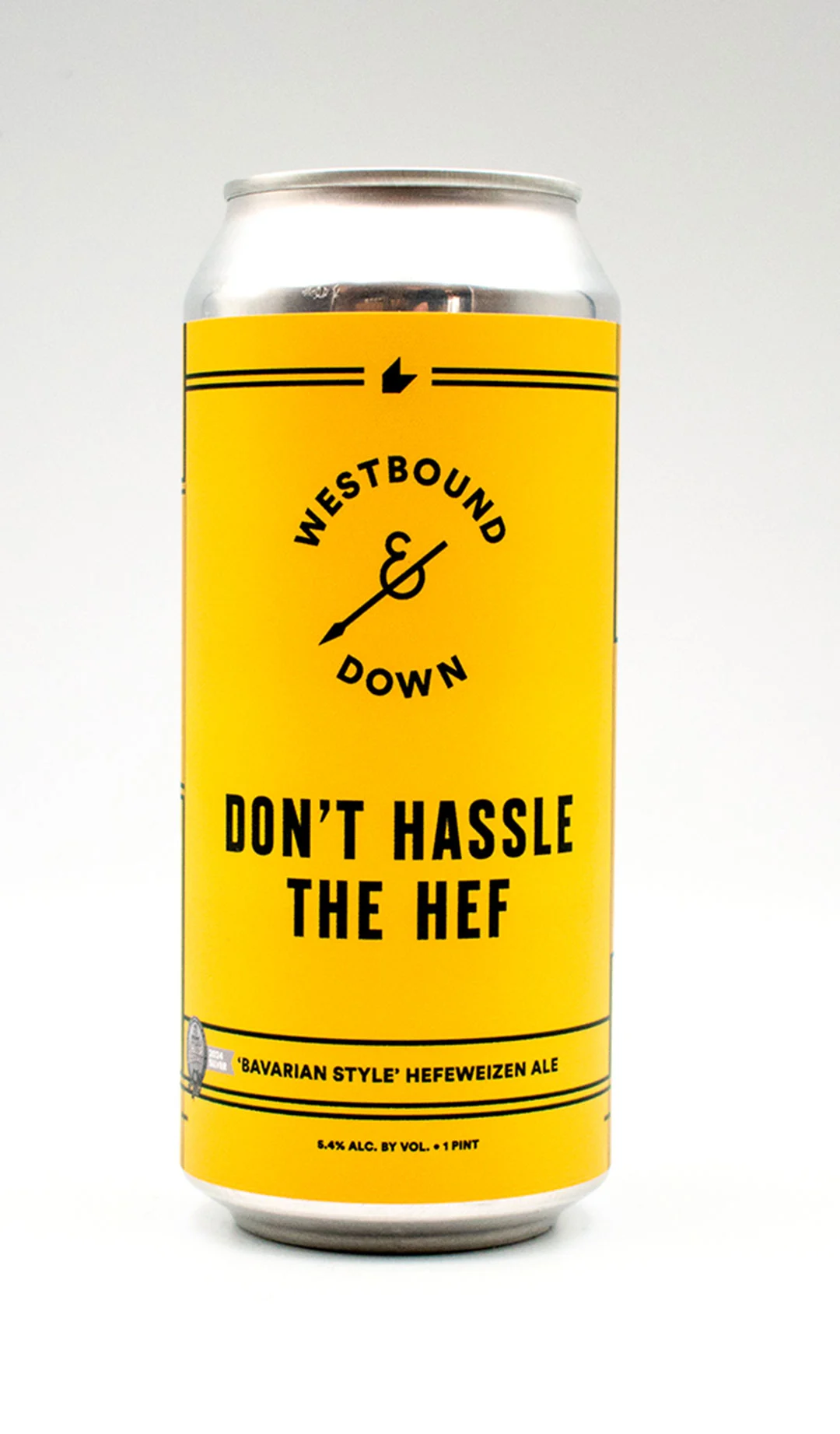
The craft brewing industry has long been defined by its willingness to push the boundaries of traditional ingredients, often venturing into the realm of culinary experimentation to satisfy an increasingly adventurous consumer base. One of the most distinctive and polarizing flavor profiles to emerge from this movement is the banana. While the fruit’s aromatic presence has been a staple of German brewing for centuries through the natural byproduct of yeast fermentation, the modern era of craft beer has seen a shift toward direct fruit integration. This evolution has transformed the banana from a subtle chemical ester into a centerpiece ingredient, driving innovation in hazy IPAs, imperial stouts, and smoothie-style ales.
A Desperate Scramble for Flavor: The 2020 Juicy Brews Festival
The logistical challenges of brewing with real fruit were perhaps best illustrated in early 2020 by DankHouse Brewing, a Newark, Ohio-based operation founded by Josh and Heather Lange. In preparation for the Juicy Brews IPA festival in Pittsburgh, the brewery intended to showcase "Banana Peel’d," a hazy IPA designed to feature a prominent banana profile. Despite the beer’s existing popularity, the Langes found the batch intended for the festival lacking in the requisite intensity just days before shipping.
The search for a solution revealed the complexities of the craft beer supply chain. Bulk aseptic purees—the industry standard for shelf-stable, sterile fruit additions—could not be procured and shipped within the necessary timeframe. The brewery’s attempts at improvisation met with varying degrees of failure: fresh store-bought bananas oxidized rapidly, turning the beer an unappealing brown, while dried banana chips failed to provide the necessary flavor depth.
The solution eventually came from an unlikely source: Gerber banana baby food. Upon discovering that their preferred commercial purees shared a nearly identical composition with the infant staple, the Langes conducted a "scooping party," sourcing every available jar from grocery stores within a 40-mile radius of Columbus. This unconventional intervention allowed the brewery to achieve the desired flavor profile, standing in stark contrast to industry titans like The Alchemist, who were pouring the world-renowned Heady Topper at the same event. This anecdote serves as a microcosm of the craft industry’s ingenuity and the lengths to which brewers will go to achieve specific sensory targets.
The Biological Foundation: From Gros Michel to the Modern Cavendish
To understand why banana flavor is so distinctive in beer, one must look to the history of the fruit itself and the chemistry of fermentation. A century ago, the global banana market was dominated by the Gros Michel, or "Big Mike," cultivar. This variety was characterized by high levels of isoamyl acetate, a fruity ester that provides the pungent, sweet aroma most people associate with "artificial" banana flavoring.
In the 1950s, a fungal outbreak known as Panama disease decimated Gros Michel plantations, leading the industry to adopt the Cavendish banana. While more resistant to disease, the Cavendish contains significantly lower levels of isoamyl acetate. Consequently, modern consumers often find a disconnect between the fruit they eat and banana-flavored candies, such as Runts or Laffy Taffy, which utilize synthetic isoamyl acetate to mimic the extinct Gros Michel profile.
In brewing, isoamyl acetate is a naturally occurring ester produced during fermentation. While it is present in almost all beers—including American lagers like Coors Banquet, which features a subtle banana note from its cold fermentation process—it is most famously associated with the German Hefeweizen. In these wheat beers, the yeast is intentionally managed to maximize ester production, creating a scent that often mirrors the "artificial" Gros Michel profile rather than the modern Cavendish.
Chemistry in the Kettle: Managing Yeast Stress and Esters
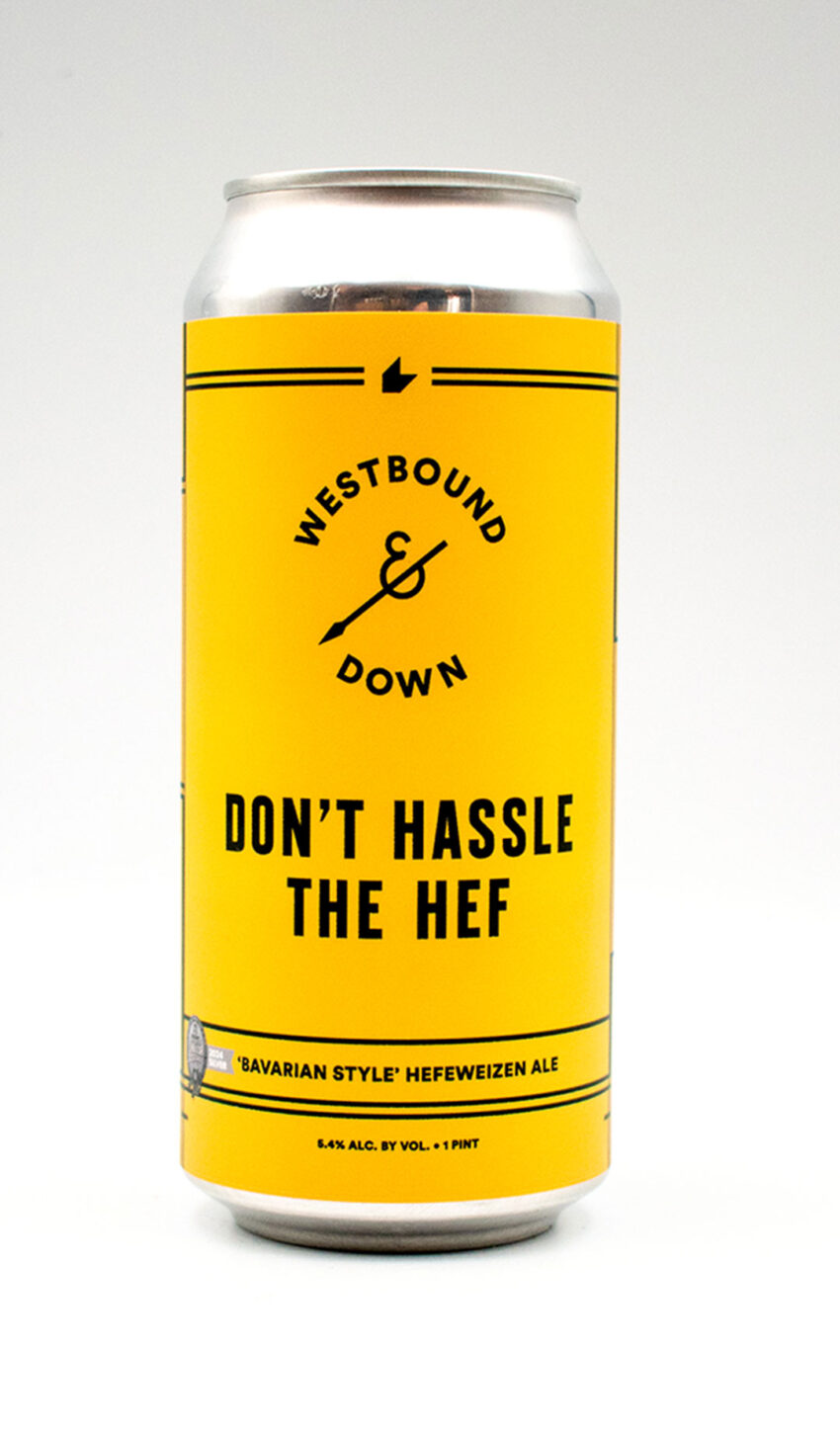
Achieving a balanced banana aroma through fermentation alone is a delicate technical feat. Derek Goodman, head brewer at Westbound & Down Brewing in Colorado, notes that a Hefeweizen does not necessarily smell like a fresh banana, but rather like the concentrated essence of the fruit found in confectionery. His award-winning "Don’t Hassle the Hef" relies on a technique known as "under-pitching."
By pitching only one-third of the recommended amount of yeast and minimizing oxygen availability, brewers force the yeast into a state of stress. As the yeast cells struggle to reproduce and consume the available wort, they produce elevated levels of fruity esters. This biological reaction is what provides the signature banana and clove notes of the style. At Wallenpaupack Brewing in Pennsylvania, head brewer Logan Ackerley reports that this flavor profile is a primary driver of consumer demand, with patrons frequently requesting their flagship Hefeweizen specifically as "the banana beer."
Data from yeast suppliers suggests a resurgence in this traditional style. Jeff Mello, founder of Bootleg Biology and Spot Yeast in Nashville, reports that Hefeweizen yeast has become the second best-selling strain in his catalog, trailing only the ubiquitous hazy IPA yeast. This trend indicates a growing consumer interest in fermentation-driven fruit flavors, complementing the rise of direct fruit additions.
Regulatory Milestones: The TTB Reclassification of 2023
For years, the use of bananas in commercial brewing was hindered by federal regulations. Until late 2023, the Alcohol and Tobacco Tax and Trade Bureau (TTB) did not classify bananas as a "traditional" brewing ingredient. Unlike malts, hops, or certain citrus fruits, breweries were required to submit formula exemptions to use bananas in their recipes. This administrative hurdle often discouraged smaller breweries from experimenting with the fruit due to the time and paperwork involved.
However, in a significant victory for craft brewers, the TTB expanded its list of exempt ingredients to include bananas and several other fruits. This reclassification acknowledges the shifting landscape of American brewing, where fruit is now considered a standard component of many styles. This regulatory easing is expected to further accelerate the proliferation of banana-infused beers across the market.
The Rise of the Pastry Stout and the "Cheetos Dilemma"
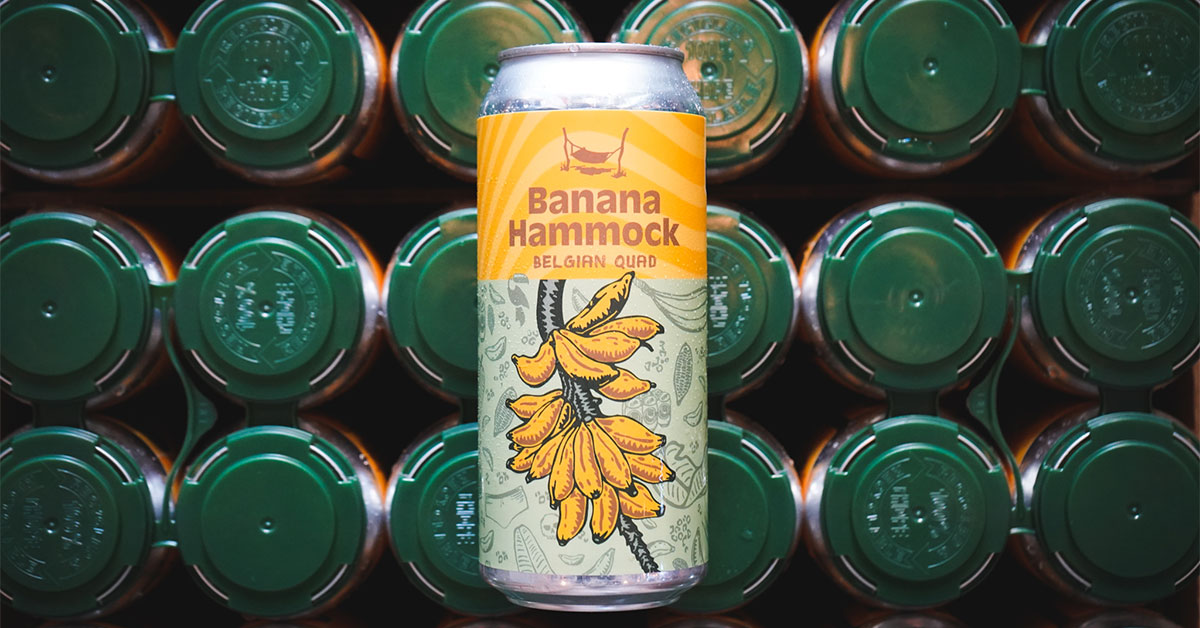
While Hefeweizens rely on chemistry, the "pastry stout" movement relies on volume. Breweries such as WeldWerks Brewing and Crooked Hammock Brewery have pioneered beers that mimic decadent desserts, such as chocolate banana pudding or banana-split sundaes. These beers often require massive amounts of fruit puree added at specific stages of the brewing process.
Larry Horwitz, director of brewing operations at Crooked Hammock, describes the challenge of "re-fermentation" when adding fruit. If purees are added during primary fermentation, the yeast may become overwhelmed by simple sugars, a phenomenon he calls the "Cheetos dilemma." Much like a human preferring junk food over a healthy meal, yeast can become "lazy" when presented with high concentrations of simple fruit sugars, leading to incomplete fermentation or off-flavors. To mitigate this, many brewers add purees post-fermentation, which preserves the fruit’s natural sweetness and body but requires strict temperature control to prevent unwanted spoilage.
The Grand Cru of Ingredients: Wild Thai Bananas
The search for the ultimate banana flavor has led some high-end breweries to a niche ingredient: the dried wild Thai banana. Rodrick Markus, CEO of Rare Tea Cellar in Chicago, began importing these "Grand Cru" bananas over a decade ago. Originally intended for high-end culinary use and granola, these bananas became a sensation in the pastry stout community around 2019.
Unlike purees, which can add significant water content and alter the mouthfeel of a beer, dried Thai bananas provide a concentrated, caramelized flavor without thinning the liquid. This has made them a favorite for "heavy" styles like imperial stouts and barleywines. Matt Tarpey, co-founder of The Veil Brewing in Richmond, Virginia, utilizes these bananas for luxury releases like Sky Summoner.
However, the use of such specialty ingredients comes with a steep price tag. Currently, wild Thai bananas can cost upwards of $50 per pound, exacerbated by 35% tariffs on certain Thai imports. When used at a rate of 10 pounds per barrel, the ingredient cost alone can make a batch of beer prohibitively expensive. Tarpey describes these projects as a "labor of love," noting that while they are not major profit drivers, they serve as essential benchmarks for quality and innovation in the craft community.
Market Dynamics and Broader Implications
The diversification of banana-infused beer reflects a broader trend in the beverage industry: the blurring of lines between beer, soda, and smoothies. The success of products like "Smooj," a hard smoothie produced by HOMES Brewery in Ann Arbor, Michigan, highlights a segment of the population that craves high-viscosity, fruit-forward drinks. While these products are divisive among traditionalists, they represent a significant growth sector.
The trajectory of the banana in brewing—from a misunderstood byproduct of stressed yeast to a high-priced, imported luxury ingredient—parallels the evolution of the craft beer industry itself. As brewers continue to navigate fluctuating ingredient costs, regulatory changes, and evolving consumer palates, the humble banana remains a versatile tool in the pursuit of flavor. Whether through the technical mastery of German fermentation or the culinary indulgence of the American pastry stout, the "unpeeling" of this fruit’s potential is far from over.