admin
admin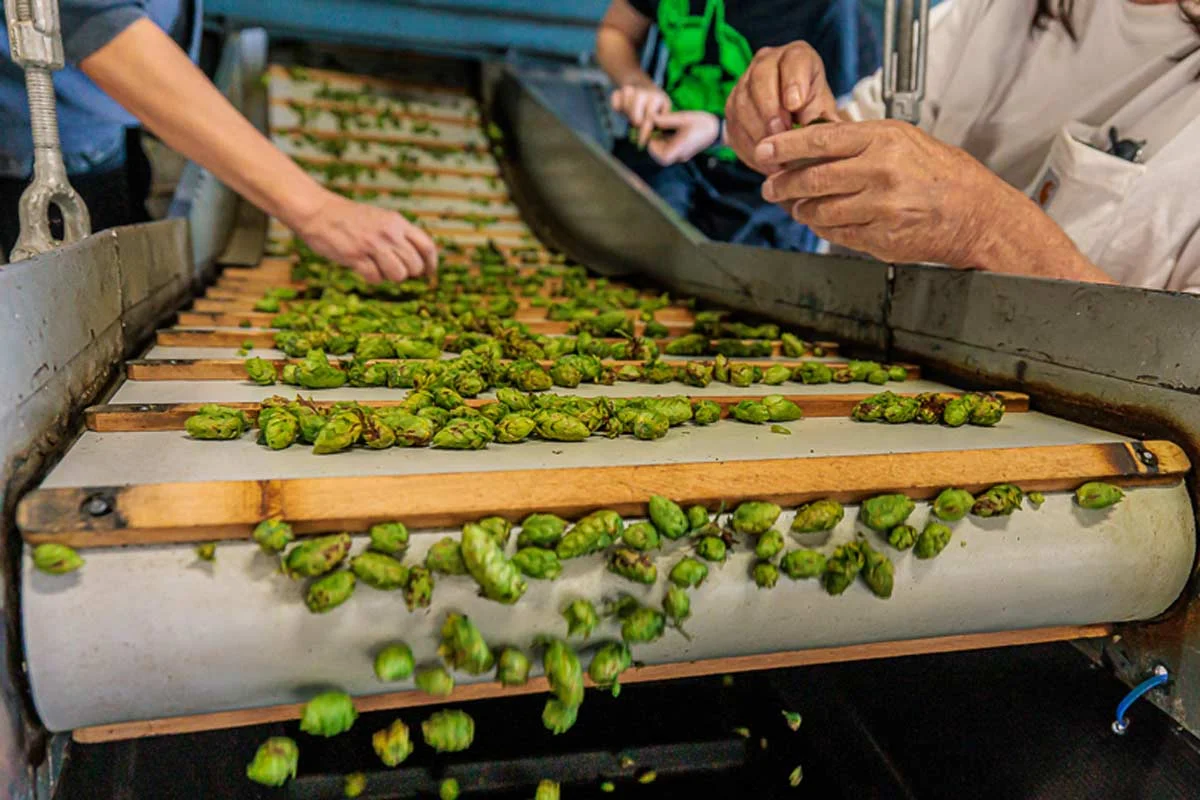
Michigan has solidified its position as a powerhouse in the American agricultural landscape, currently ranking first in the Great Lakes region and fourth nationally for total hop acreage. This resurgence, which began in earnest around 2008, has transformed the state into a critical supplier for the craft brewing industry. However, the narrative of this growth has frequently centered on the expansive trellises and the technological advancements of the farms, often overlooking the essential contributions of the women who manage the complex logistics of harvest coordination, greenhouse propagation, scientific research, and land stewardship. From the meticulous oversight of pest management to the strategic branding of regional varieties, women are the primary architects behind the scenes of Michigan’s hop success, navigating an industry that is both biologically demanding and economically volatile.
The Geographic and Biological Foundations of Michigan Hops
The success of hop cultivation in Michigan is not incidental but is rooted in the state’s unique geography and geological history. Hops (Humulus lupulus) are notoriously temperamental perennials that require specific environmental triggers to thrive. They demand long, sun-drenched days during the growing season followed by a period of winter dormancy induced by freezing temperatures. The 45th parallel, which bisects Northern Michigan, provides the ideal photoperiod for these plants. Furthermore, the state’s soil composition—a legacy of glacial movements from the last Ice Age—offers the well-drained, sandy loam necessary to prevent "wet feet," a condition where excess moisture leads to root rot and fungal infections.
Biologically, hops are distinct from many other climbing plants. While grapes grow on vines using tendrils to anchor themselves, hops grow on bines. Bines utilize stiff, downward-pointing hairs along their hexagonal stems to wrap clockwise around support structures, such as coir or paper twine. In the peak of the growing season, these bines can grow up to 10 inches in a single day, eventually reaching heights of 20 to 25 feet. This rapid vertical growth requires massive amounts of nitrogen and consistent irrigation, making the management of a hop yard a high-stakes endeavor that blends intense manual labor with sophisticated agricultural science.
Scientific Oversight and Pest Management at Michigan State University
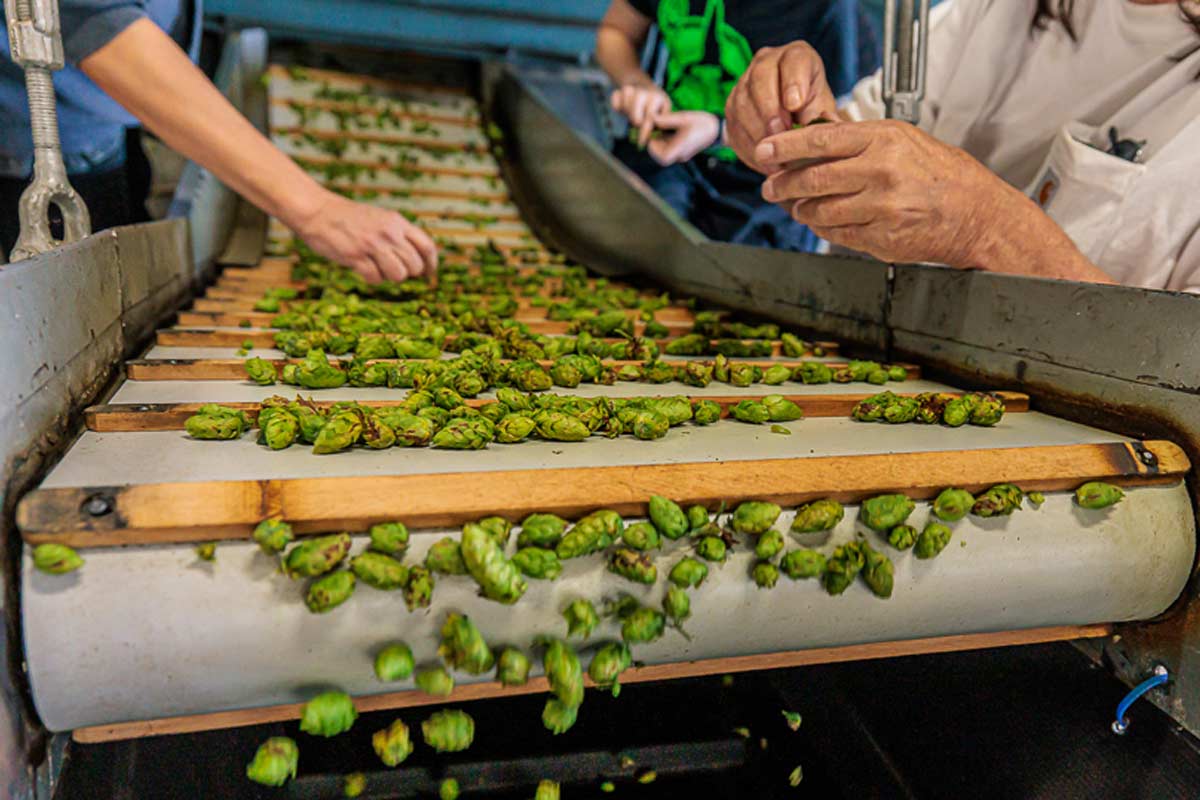
A cornerstone of the Michigan hop industry is the technical support provided by Michigan State University (MSU) Extension. As the industry scaled up from a few experimental acres to over 800 acres statewide, the need for research-backed data became paramount. Erin Lizotte, MSU’s integrated pest management coordinator and senior statewide educator, has emerged as a vital resource for growers. Lizotte’s work involves a multifaceted approach to crop health, encompassing the diagnosis of diseases such as downy mildew and powdery mildew, as well as the management of pests like potato leafhoppers and two-spotted spider mites.
The collaboration between independent growers and the MSU Plant and Pest Diagnostics lab allows for rapid response to emerging threats. Lizotte’s role is particularly critical as climate shifts introduce new variables into the growing season. Early springs followed by late frosts, or prolonged periods of high humidity, can create "disease pressure" that threatens an entire season’s yield. By providing timely chemical approval navigation and research-backed pest management strategies, Lizotte ensures that Michigan farmers can maintain the high quality required by commercial brewers.
Specialized Propagation and the Clean Plant Protocol
The life cycle of a Michigan hop begins long before the bines hit the trellis, starting instead in the controlled environments of professional greenhouses. Julie Kane of Sandy Ridge Farms in Zeeland, Michigan, has been a central figure in this phase for over two decades. When the state’s interest in hops reignited in the late 2000s, Kane transitioned from growing flowering annuals to specializing in hop propagation. Her work is foundational; if the starter stock is compromised, the long-term viability of the farm is at risk.
Kane adheres to the Clean Plant protocol, a rigorous system designed to eliminate viruses and viroids that can stunt growth and reduce alpha-acid content in the hop cones. This process begins with virus-free "mother plants" obtained from the National Clean Plant Network. Kane’s operation involves strict sanitation of tools, preventative fungicide applications, and annual testing with MSU.
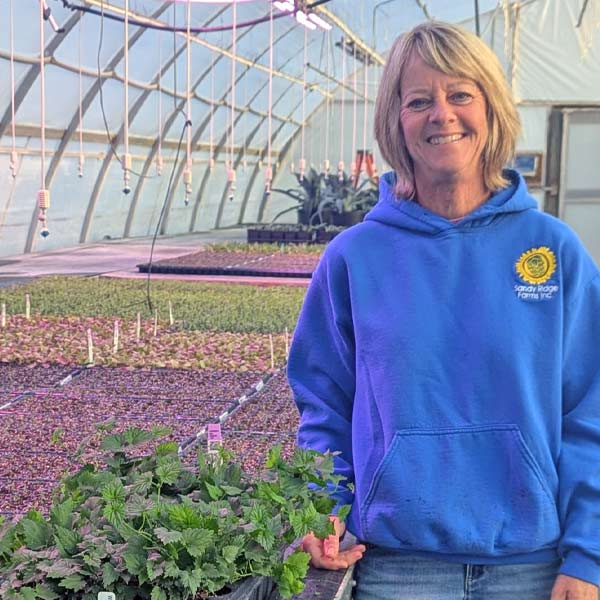
The challenges of this work have intensified with climate change. During recent summers, Michigan has experienced unprecedented heat waves, with greenhouse temperatures exceeding 100 degrees Fahrenheit. Maintaining the health of delicate young plants under these conditions requires constant monitoring of irrigation systems and the installation of specialized shade cloths. Kane’s success in this male-dominated field was initially met with some industry skepticism, but the consistent quality of her stock has established her as a premier propagator in the Great Lakes region.
Land Stewardship and the Sensory Art of Brewing at Bell’s Brewery
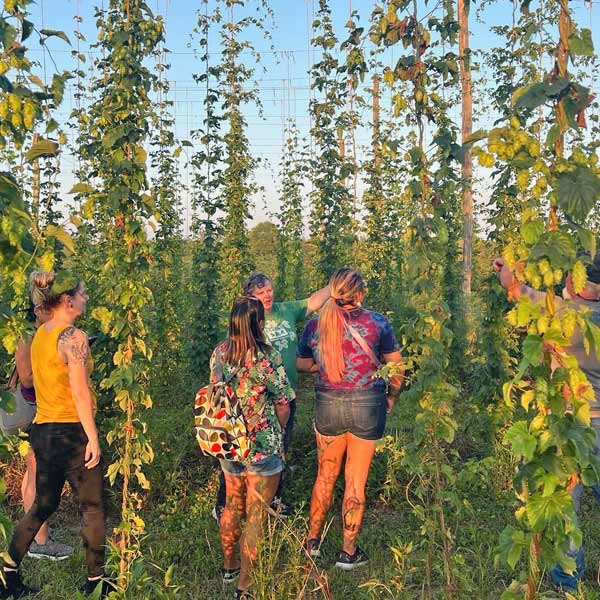
In the commercial sector, the integration of hop growing and brewing is exemplified by the work of Bonnie Steinman and Elizabeth Mullins at Bell’s Brewery in Comstock. Steinman, a veteran horticulturist and co-founder of Hop Head Farms, now serves as the land steward for Bell’s. Her role involves overseeing the brewery’s two-and-a-half-acre hop yard, which serves as both a production site and an educational hub.
Steinman’s approach to hop cultivation is deeply sensory. Under the mentorship of industry veterans like John Mallett, she developed a practice of daily "rubbing and smelling" of the cones to track the development of lupulin—the yellow resinous powder that contains the essential oils and acids used in brewing. This method allows growers to identify the precise moment when a variety like Chinook shifts from a grassy aroma to its signature notes of pineapple and resin.
Elizabeth Mullins, who works alongside Steinman, focuses on field operations and pest scouting. Together, they have expanded the scope of the hop yard to include broader sustainability initiatives, such as a butterfly waystation and an employee garden. Their work also includes community outreach through the Pink Boots Society, an organization dedicated to supporting women and nonbinary professionals in the fermented beverage industry. By hosting educational sessions in "The Hideaway"—a lush gathering space beneath the hop bines—Steinman and Mullins are actively working to increase the visibility of women in the agricultural side of the beer business.
Engineering Quality and Operational Structure in the Field
The transition from agricultural labor to industrial-scale production requires a high degree of organizational discipline. Mel Trowbridge of Top Hops Farm in Goodrich, Michigan, applied her 40-year career as an automotive engineer and quality control specialist to the farm environment. Trowbridge’s contribution to the industry is defined by her "process-driven" approach to farming.
At Top Hops, Trowbridge implemented standardized training and task rotation, mirroring the efficiency of a manufacturing plant. During the frantic harvest season, she acts as the central orchestrator, managing schedules and ensuring that the complex machinery used for picking, drying, and baling hops remains operational. This structural oversight is crucial for small, independent farms that must compete with the massive operations of the Pacific Northwest. Trowbridge’s model emphasizes that the "jungle" of a hop harvest can be tamed through rigorous planning and a culture of continuous improvement, including daily team debriefs to analyze operational successes and failures.
Defining a Regional Identity through the Michigan Chinook
One of the most significant strategic moves for the Michigan hop industry has been the promotion of the "Michigan Chinook." While the Chinook variety is grown extensively in Washington and Oregon, the Michigan-grown version exhibits a distinct terroir. Michigan Chinooks are known for being less "piney" and more "fruit-forward," with prominent notes of pineapple and citrus.
Rose Stahl, co-owner of Mr. Wizard’s Hops in Monroe, has been a key advocate for this regional distinction. Stahl’s entry into the industry was a matter of necessity after a devastating flood destroyed her family’s corn crops. Over the last decade, she has helped organize the Chinook Cup, an annual competition held at the Great Beer State Conference and Trade Show. The contest allows growers to submit their best harvests for sensory evaluation by a panel of expert brewers. This competition does more than provide "bragging rights"; it serves as a critical marketing tool to convince brewers that Michigan-grown hops offer a unique flavor profile that cannot be replicated elsewhere.
Addressing the Visibility Gap and Economic Challenges
Despite the technical and operational successes of these women, the industry faces significant headwinds. Market contraction, driven by a slowing growth rate in the craft beer sector and an oversupply of certain hop varieties, has put pressure on independent growers. Furthermore, the labor of women on family-owned farms often remains "invisible." Amy Tennis of the Michigan Hop Alliance notes that women frequently balance full-time off-farm careers while managing the farm’s administrative duties, grant applications, and daily field maintenance.
The future of Michigan’s hop industry depends on its ability to carve out a specialized niche. As Nicole Shriner, a hops researcher at MSU, points out, Michigan does not aim to replicate the scale of the Pacific Northwest but rather to establish a brand synonymous with quality and unique regional characteristics. The women currently leading the charge—from the labs of MSU to the trellises of Comstock—are ensuring that when a consumer drinks a beer made with Michigan hops, they are tasting the result of a sophisticated, female-led agricultural revolution.
This shift in visibility is not merely about social equity; it is an economic necessity. As the industry matures, the diverse perspectives of these scientists, engineers, and stewards are proving essential for navigating the complexities of climate change and market fluctuations. The Michigan hop story is still being written, but its most important chapters are currently being authored by the women behind the bines.