admin
admin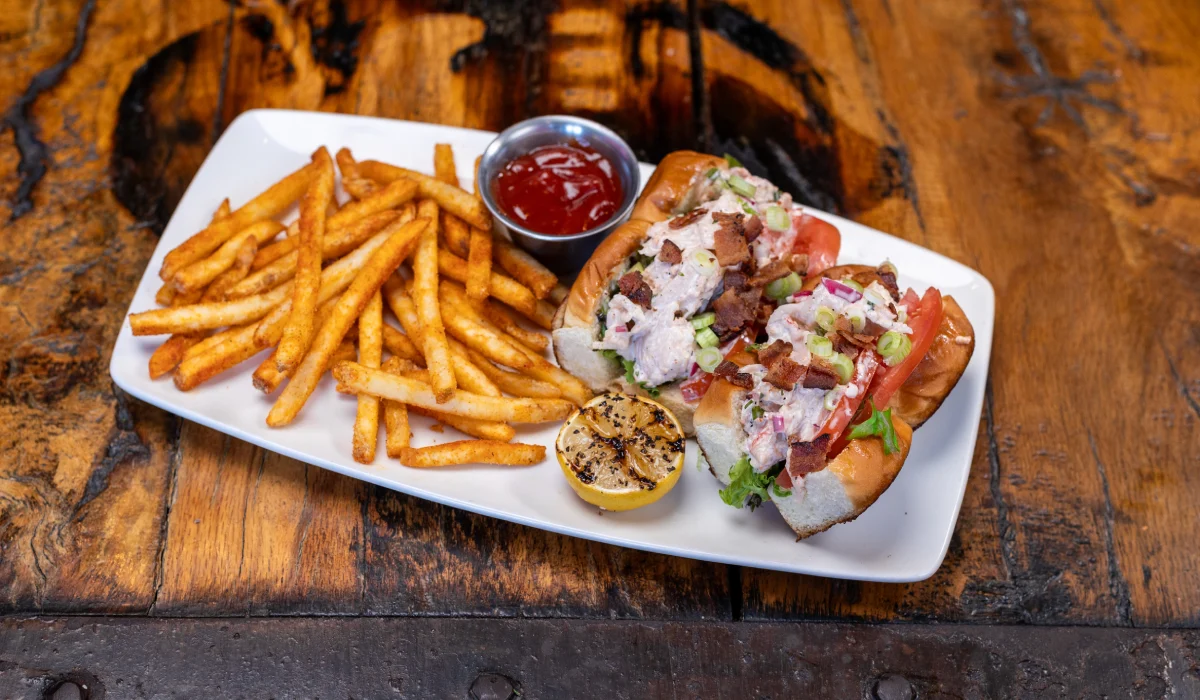
The Twin Peaks sports bar chain is entering a transformative era of operational expansion and culinary evolution following a high-profile ownership transition that has repositioned the brand under the stewardship of its primary lenders. Earlier this year, the 115-unit "ultimate sports lodge" concept underwent a publicized financial restructuring alongside its former parent company, FAT Brands. This process culminated in a $359.5 million credit bid, through which lenders assumed control of the chain, effectively separating its trajectory from the broader FAT Brands portfolio. Despite the complexities of the bankruptcy proceedings and the subsequent shift in capital structure, the brand’s executive leadership maintains that the core consumer proposition remains not only intact but is being actively amplified.
The transition to new ownership, managed on behalf of the lenders by Summit Acquisitions—a group heavily influenced by major franchisee leadership—marks a pivot toward an operator-centric governance model. Chief Marketing Officer Melissa Fry, who joined the organization in late 2023, emphasizes that while the financial architecture of the company has changed, the "guest promise" remains the central pillar of the brand’s identity. This promise is built upon a foundation of 29-degree draft beer, a massive technological footprint featuring nearly 100 televisions per location, and a service model that the company describes as "unforgettable." As Twin Peaks prepares for its most significant menu launch in over half a decade, the brand is leveraging the expertise of its franchise-led advisory group to ensure that its next chapter is defined by "blue sky" growth rather than the constraints of its recent financial history.
A Strategic Shift to Operator-Led Governance
The appointment of Summit Acquisitions to oversee operations and growth strategy represents a significant departure from traditional private equity or conglomerate management. By involving major franchisee leadership in the highest levels of decision-making, Twin Peaks has created a feedback loop where operational realities directly inform corporate strategy. Melissa Fry notes that this structure provides a distinct competitive advantage, as the decision-makers "live and breathe" the brand daily. This alignment ensures that corporate initiatives are vetted by those who manage the physical lodges, reducing the friction often found between franchisors and franchisees.
The current leadership team remains remarkably stable despite the ownership change. Key executives, including President and COO Roger Gondek, Chief People Officer Lexi Burns, and Chief Financial Officer Scott Gray, continue to lead their respective departments. This continuity has been vital in maintaining morale and operational consistency during the transition. According to Fry, the company has no plans for staffing reductions; instead, the focus has shifted toward aggressive recruitment to support a burgeoning pipeline of new locations. The synergy between the executive suite and the franchisee-heavy advisory group has allowed the brand to bypass the typical "Wall Street" pressures of short-term quarterly reporting in favor of long-term brand health and sustainable expansion.
Chronology of the Transition and Financial Restructuring
The path to the current ownership structure began in earnest in 2021, when FAT Brands acquired Twin Peaks for approximately $300 million. At the time, the acquisition was seen as a move to bolster FAT Brands’ casual dining portfolio. However, broader economic pressures and the debt load associated with rapid acquisitions led to a series of financial maneuvers that eventually necessitated a Chapter 11 filing for the specific entities tied to the brand’s debt.
The $359.5 million credit bid by lenders earlier this year was a strategic move to preserve the brand’s value while clearing the path for future investment. By taking the company private under the lender-led Summit Acquisitions, the brand was able to exit the bankruptcy process with a cleaner balance sheet and a renewed focus on its core "lodge" concept. This timeline of events, while appearing turbulent from a financial reporting perspective, has been managed internally as a "turning point" rather than a crisis. Fry draws parallels to her previous 16-year tenure at Hooters, where she witnessed a similar transition through public bankruptcy into a franchisee-guided model. Those lessons have been applied to Twin Peaks to ensure that the guest experience remained insulated from the corporate restructuring.
Culinary Innovation: The Largest Menu Rollout in Six Years
Central to the brand’s growth strategy is a fundamental shift in its culinary identity. While Twin Peaks has long been categorized as a sports bar, the leadership team is pushing to redefine the concept as "elevated polished casual dining." To achieve this, Concept Chef Christian Stewart has been tasked with overseeing a massive menu overhaul—the largest the brand has attempted in nearly six years.
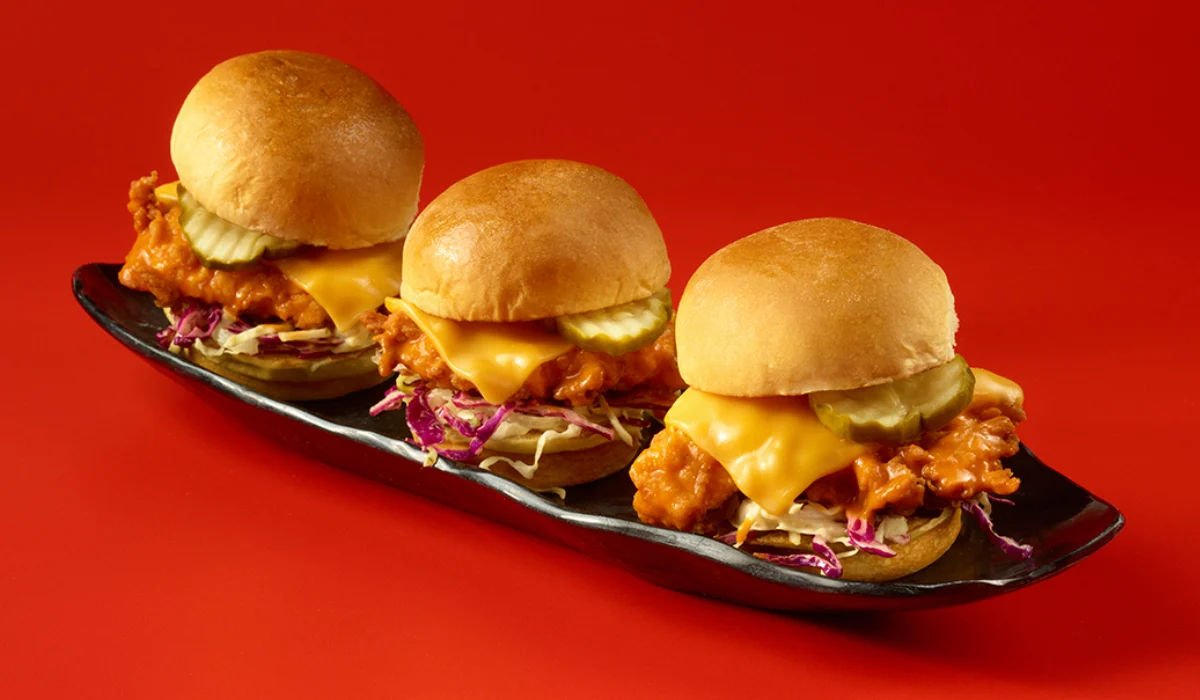
Earlier this year, the chain introduced several pilot items that signaled a move toward higher-quality, "knife and fork" entrees. These included a Turkey Cheddar Melt, Sweet Heat Shrimp Tacos, Twice-Baked Potatoes, and a Crispy Fish Sandwich. The success of these items has paved the way for a more comprehensive rollout scheduled for the coming months. The upcoming menu will feature a significant expansion of shareables, lunch specials, and zero-proof beverage options, catering to a broader demographic and diverse dining occasions.
The goal of this culinary pivot is to address the "misconception" that sports bar food is limited to frozen sliders and fries. By focusing on scratch-made items and sophisticated flavor profiles, Twin Peaks aims to drive repeat visits during non-sporting periods. Fry notes that while a major UFC fight or the World Cup may bring a guest through the door for the first time, the quality of the food is what converts them into a loyal patron. This "wow factor" of elevated dining in a lodge atmosphere is a key differentiator in a crowded casual dining market.
The "Experience Economy" and the Future of Sports Consumption
As the media landscape shifts toward fragmented streaming services, Twin Peaks is doubling down on its role as a communal viewing destination. The brand recognizes that while consumers can now stream games on their personal devices, they cannot replicate the "atmosphere" or "camaraderie" of a shared environment. This insight is driving the company’s investment in digital capabilities and state-of-the-art audiovisual technology.
To stay ahead of consumption trends, Twin Peaks is embracing streaming platforms within its lodges, ensuring that fans can access exclusive broadcasts that might not be available on traditional cable. The strategy is to position the "lodge" as the definitive alternative to the home viewing experience. This focus on the "experience economy" is backed by data suggesting that younger demographics, particularly Millennials and Gen Z, prioritize experiential spending over material goods. By providing a high-energy, technologically advanced environment, Twin Peaks is positioning itself to capture a larger share of this market.
Data-Driven Marketing and Personalization
Under Fry’s leadership, the marketing department is shifting from broad-reach advertising to highly targeted, data-driven engagement. The "Friends at the Peaks" platform serves as the primary vehicle for this strategy. By analyzing consumer behavior and preferences, the brand is able to offer personalized rewards, celebrate guest milestones, and incentivize frequency.
Fry argues that modern marketing is less about reaching the maximum number of people and more about engaging the "right" customers with meaningful value propositions. In the context of Twin Peaks, "value" is defined not by the lowest price point, but by an experience that exceeds the cost of the transaction. This philosophy of "experiential value" is a core tenet of the brand’s post-transition strategy. By leveraging data to understand when and why guests visit, the company can tailor its offerings to meet specific needs, whether it is a quick business lunch or a four-hour stay during a football Sunday.
Geographic Expansion and Market Outlook
The brand’s growth trajectory is supported by tangible expansion metrics. Twin Peaks has recently signed three new letters of intent and has active area development agreements in place for key regions, including Connecticut and South Texas. The interest from both prospective and current franchisees suggests a high level of confidence in the new ownership structure and the brand’s strategic direction.
South Texas continues to be a stronghold for the brand, while the move into Connecticut represents a strategic push into the Northeast, a region with high density and a strong sports culture but relatively few "sports lodge" competitors. The current 115-unit footprint is viewed by leadership as only the beginning of the brand’s national potential. With "blue sky" opportunities in several untapped domestic markets and potential for international growth, the company is focused on scaling the concept without diluting the quality of the experience.
Analysis of Broader Industry Implications
The transition of Twin Peaks from a conglomerate-owned asset to a lender-owned, operator-led entity reflects a broader trend in the restaurant industry. As the cost of capital remains high and consumer spending habits evolve, many brands are finding that "leaner" ownership structures—particularly those that empower franchisees—are more resilient. The Twin Peaks model suggests that the "breastaurant" or "sports lodge" category is moving away from its origins as a niche segment and toward a more mainstream "polished casual" status.
By focusing on culinary innovation and technological integration, Twin Peaks is insulating itself against the volatility of the traditional casual dining sector. The emphasis on "experience" serves as a hedge against the rise of delivery-centric fast-casual models, as the brand offers something that cannot be put in a cardboard box: atmosphere. As the company moves forward, its success will likely be measured by its ability to maintain this experiential edge while executing its ambitious development pipeline. For Melissa Fry and the rest of the leadership team, the ownership transition is not an end, but the commencement of the brand’s most significant growth phase to date.