admin
admin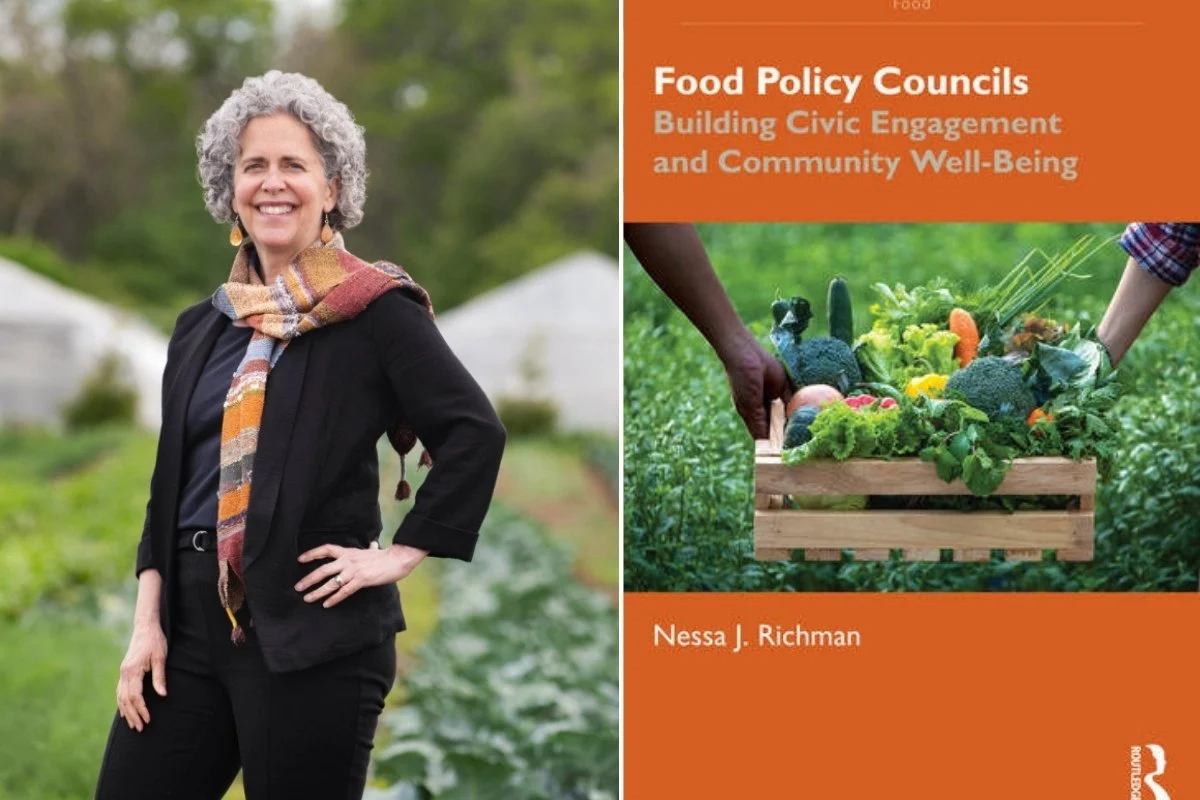
Two hours later, Richman was working at a farmers’ market that she had helped establish with the nonprofit Sustainable Food Center. As she watched families standing in line to buy fresh peaches and tomatoes, something clicked for Richman, then an AmeriCorps volunteer and a recent college graduate. "I thought, ‘This is the environmental piece, the public health piece, and the social piece, all wrapped up into one,’" she recalls, a moment that fundamentally redirected her professional trajectory. "I never looked back after that." This epiphany at a bustling market in Rhode Island illuminated the interconnectedness of food systems, laying the groundwork for a career dedicated to fostering community well-being through strategic food policy.
For nearly nine years, Richman has led the Rhode Island Food Policy Council (RIFPC), an organization at the forefront of a burgeoning national movement to strengthen local food systems. The RIFPC acts as a crucial convener, bringing together a diverse array of stakeholders—community members, farmers, government officials, businesses, and workers—to collectively address the multifaceted challenges and opportunities within the state’s food landscape. Their work is a testament to the power of collaborative governance in transforming complex societal issues into tangible community benefits, embodying Richman’s initial insight: "This is the environmental piece, the public health piece, and the social piece, all wrapped up into one."
The Genesis of a Movement: Understanding Food Policy Councils
Food policy councils (FPCs) emerged as a response to the growing recognition that modern food systems are often fragmented, inefficient, and inequitable. These systems, designed for globalized supply chains, frequently overlook local needs, contributing to issues such as food insecurity, environmental degradation, and economic instability for producers. The first modern FPC was established in Knoxville, Tennessee, in 1982, with the movement gaining significant traction in the early 2000s as communities sought localized solutions to global problems. Today, Richman’s organization is among some 300 U.S. food policy councils actively working to address a broad spectrum of interconnected issues, including urban agriculture, food access, land use, zoning regulations, local procurement strategies, and waste reduction.
These councils serve as vital bridges, connecting participants across otherwise siloed facets of the food system. By fostering dialogue and collaboration among diverse groups—from farmers struggling with market access to families facing hunger, from restaurateurs seeking local ingredients to environmentalists advocating for sustainable practices—FPCs strive to create holistic, resilient, and equitable food environments. They operate on the principle that local control and integrated policy approaches are essential for building food systems that genuinely serve community needs.
A Decade of Impact: The Rhode Island Model in Action
The RIFPC, under Richman’s leadership, has cultivated a remarkable track record of success, demonstrating the profound impact a well-coordinated food policy council can have. One of its most compelling achievements involved coaching small farmers and food entrepreneurs to successfully lobby for new, supportive legislation. This direct engagement empowers community members, transforming them from passive recipients of policy into active architects of their own economic futures.
A particularly poignant example of the council’s innovative problem-solving emerged during the tumultuous period of the COVID-19 pandemic. The global health crisis exposed the fragility of conventional food supply chains and inflicted severe economic hardship on numerous sectors, including Rhode Island’s commercial fishing industry. Simultaneously, many local immigrant and refugee communities, often facing heightened vulnerabilities, struggled with food insecurity. Recognizing this dual crisis—fishermen with an abundance of product but no markets, and food-insecure populations with a dire need for nutritious food—the RIFPC leveraged a small grant to initiate a groundbreaking program.
The council secured $600 to purchase 600 pounds of whole, fresh fish directly from out-of-work local fishers. This initial procurement, a modest but symbolic gesture, was then transported to Providence, where it was carefully subdivided into Ziploc bags and delivered to families associated with the African Alliance of Rhode Island and other refugee- and immigrant-serving groups. This pilot project, executed in collaboration with the Commercial Fisheries Center of Rhode Island, rapidly blossomed into a self-sustaining initiative. Participants, connected through the council’s network, took ownership of the program. Since its inception, this community-driven effort has facilitated the distribution of over 900,000 pounds of fresh, local fish to between 400 and 500 families per week, demonstrating the power of bridging seemingly disparate groups to address urgent needs. This program not only provided vital nutrition but also created a new, robust local market for an industry facing collapse, while simultaneously fostering a deeper sense of community and mutual support.
Empowering Advocates: The Cottage Food Law Victory
Beyond immediate relief efforts, the RIFPC has been instrumental in advocating for systemic policy changes. A notable success story involves the passage of Rhode Island’s cottage food law in 2022. This legislation allows individuals to sell goods made in home kitchens, a crucial step for small-scale food entrepreneurs. The impetus for this law came directly from a council member, a single mother who had launched a catering business, Black Beans PVD, rooted in her cultural heritage. Her personal struggle to establish her business highlighted the regulatory hurdles faced by many aspiring food entrepreneurs.
Through the RIFPC, she gained a platform, built a network, and connected with her state senator and representative. This direct engagement culminated in her powerful testimony at the state house. As she reflected afterward, "Before, I didn’t know who my senator and representative were. Now they know who I am." This shift from anonymity to recognized advocate underscores the transformative potential of civic engagement facilitated by FPCs. Her authentic voice, representing the real-world experiences of small business owners, proved more compelling than the arguments of ten policy council executive directors. The passage of the cottage food law not only eased burdens for similar entrepreneurs but also spurred economic development by fostering a more inclusive and accessible local food economy.
Addressing Systemic Inequities: Farm Policy Reform
The council’s influence extends to agricultural policy as well. For decades, Rhode Island’s farm policy offered tax breaks exclusively to farms exceeding five acres, inadvertently disadvantaging smaller, often newer, agricultural operations. Small farmers, many of whom are vital contributors to local food systems, raised legitimate questions about this arbitrary threshold. The RIFPC provided a forum for these farmers to articulate their concerns, galvanize support, and advocate for more equitable land-use and taxation policies. While the original text doesn’t detail the outcome, the council’s role in amplifying these voices underscores its commitment to ensuring that policies reflect the contemporary realities and diverse needs of the state’s agricultural sector, promoting fairness and sustainable growth across all farm sizes.
The Complex Web of Food Systems: A Holistic Approach
Richman consistently emphasizes the holistic nature of food policy councils’ work. The food system, she notes, is "really big and complex." A piecemeal approach—addressing agriculture without considering access, or focusing on access without factoring in environmental impact—inevitably leads to "negative unintended consequences." FPCs are designed to counteract this fragmentation by integrating diverse perspectives and objectives.
For instance, FPCs improve food access and public health by creating new markets that benefit local farmers and fishers, thereby stimulating local economies and generating jobs. By ensuring that everyone has access to nutritious food, they contribute directly to public health outcomes, moving beyond simply providing calories to offering food that promotes well-being. Furthermore, FPCs are increasingly focusing on environmental and climate work. Initiatives like diverting food waste from landfills not only reduce greenhouse gas emissions but also create valuable compost for farms and gardens, closing the loop in a regenerative cycle. This integrated approach ensures that solutions are sustainable, equitable, and effective across multiple dimensions.
Navigating Funding Headwinds: A National Challenge
Despite their proven efficacy and the critical services they provide, food policy councils across the U.S. face significant challenges, primarily revolving around underfunding and eroding support. The very structure that makes them effective—their grassroots, community-driven nature—often leaves them vulnerable to fluctuating political priorities and budgetary constraints.
Councils in major metropolitan areas such as Denver, New Haven, Connecticut, and Washington, D.C., have seen their support erode in recent years. This trend reflects a broader challenge faced by many community-based organizations, where short-term project grants often fail to provide the sustained operational funding necessary for long-term impact. The Rhode Island Food Policy Council itself has not been immune to these pressures. It has faced devastating cuts, including the loss of an $18.7 million grant and a reduction of half its 2025 budget, primarily due to federal funding reallocations and austerity measures. Such cuts threaten the vital work these councils perform, potentially unraveling years of progress in building resilient local food systems.
The implications of these funding cuts are far-reaching. Without adequate resources, councils struggle to maintain staff, develop new programs, and sustain their extensive networks. This can lead to a loss of institutional knowledge, a decline in advocacy efforts, and ultimately, a weakening of local food systems at a time when they are arguably most needed to address climate change, economic volatility, and persistent food insecurity. The erosion of support for FPCs is a concern for food system advocates nationwide, who emphasize the critical role these organizations play in fostering civic engagement and driving positive change.
A Call to Action: Richman’s New Handbook for Advocates
Despite these formidable challenges, Richman remains a passionate advocate for the transformative power of food policy councils. To bolster their visibility, strengthen their capabilities, and ensure their continued growth, she has authored Food Policy Councils: Building Civic Engagement and Community Well-Being. This comprehensive handbook serves as a practical guide for both seasoned food systems advocates and aspiring community leaders.
The book is a direct response to the urgent need for accessible, actionable knowledge on establishing and sustaining effective FPCs. It offers a wealth of practical tips for launching new councils, building community trust, fostering leadership through "food leader labs," and strategically navigating common pitfalls that can derail even the most well-intentioned initiatives. Richman’s work distills nearly a decade of direct experience and lessons learned into a user-friendly format, aiming to democratize the knowledge required to create impactful change. The availability of the book in both print and as a free download underscores Richman’s commitment to widespread dissemination and accessibility, ensuring that communities everywhere have the tools to empower themselves.
The Future of Food Policy: Sustaining Local Resilience
The narrative of Richman and the Rhode Island Food Policy Council is a microcosm of a larger national effort. It highlights not only the immense potential of localized, collaborative approaches to food system challenges but also the persistent vulnerabilities faced by these essential organizations. In a world grappling with the complexities of climate change, global pandemics, and economic disparities, the imperative to build resilient, equitable, and sustainable local food systems has never been greater.
Food policy councils stand as crucial instruments in this endeavor, providing the platforms for diverse voices to converge, innovative solutions to emerge, and tangible change to take root. Their ability to bridge divides, empower marginalized communities, and translate grassroots needs into impactful policy underscores their unique and irreplaceable value. As Richman’s work demonstrates, fostering civic engagement and community well-being through food policy is not merely an idealistic aspiration; it is a pragmatic, evidence-based strategy for creating a healthier, more just, and more sustainable future for all. The ongoing challenge lies in securing the sustained recognition and robust funding necessary for these vital councils to continue their indispensable work.