admin
admin
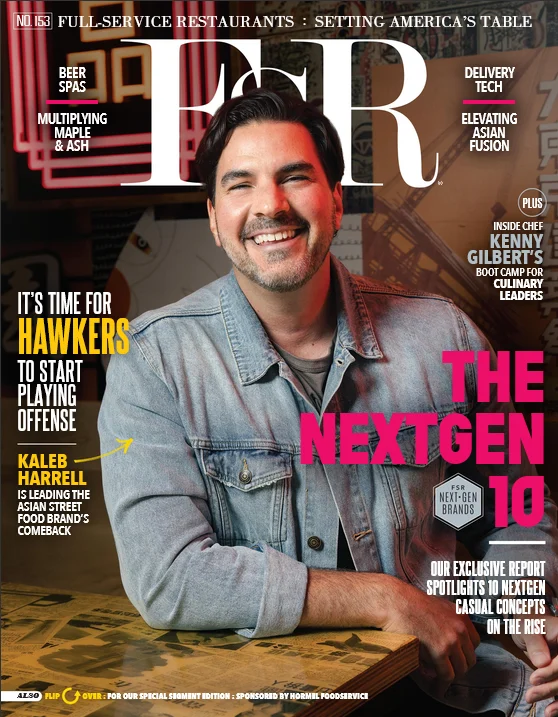
FSR Magazine, a cornerstone of the hospitality media landscape, has solidified its position as the primary intelligence hub for decision-makers across the full-service restaurant (FSR) sector. Managed under the portfolio of Arrowfly LLC, the publication has undergone a significant strategic pivot to address the nuanced needs of independent operators, large-scale hospitality groups, and the rapidly expanding category of "NextGen" chains. As the hospitality industry navigates a complex post-pandemic landscape defined by shifting consumer behaviors, inflationary pressures, and a digital-first operational ethos, FSR’s role has evolved from a traditional trade publication into a data-driven resource designed to facilitate high-stakes decision-making.
The full-service dining sector remains one of the most volatile yet resilient segments of the American economy. According to recent industry data, the full-service category accounts for nearly 40% of total restaurant industry sales, yet it faces unique challenges compared to its quick-service (QSR) counterparts. While QSR brands have leaned heavily into automation and drive-thru efficiency, the FSR segment must balance the rising cost of labor and goods with the experiential demands of sit-down dining. This delicate balance is the focal point of FSR’s editorial mission, providing the insights necessary for hospitality leaders to maintain profitability without sacrificing the guest experience.
The Tri-Fold Focus: Independents, Groups, and NextGen Chains
FSR’s editorial strategy is built upon three distinct pillars of the hospitality industry, each presenting its own set of operational hurdles and growth opportunities. By segmenting its coverage, the publication addresses the specific "pain points" of different business models.
1. Independent Operators
Independent restaurants are often considered the soul of the industry, representing the majority of full-service establishments in the United States. However, they are also the most vulnerable to market fluctuations. FSR provides these operators with "big-brand" intelligence, offering strategies on menu engineering, local marketing, and workforce retention that were previously only accessible to corporate entities. In an era where food costs have seen year-over-year increases of 5% to 8%, the ability for an independent owner to optimize their supply chain is a matter of survival.
2. Multi-Unit Hospitality Groups
Hospitality groups, such as those managing diverse portfolios of high-end dining and casual concepts, require a different level of analysis. These organizations focus on scalability, cross-brand loyalty programs, and centralized operational technology. FSR’s coverage for this segment emphasizes the "institutionalization" of hospitality—how to maintain a boutique feel while operating with the efficiency of a major corporation. Data suggests that multi-unit groups are increasingly turning to private equity for expansion, making financial literacy and investment-ready reporting a key topic of interest.
3. Emerging NextGen Chains
The "NextGen" chain represents the future of the industry. These are brands that have moved beyond the "emerging" phase (typically 5 to 50 units) and are utilizing sophisticated tech stacks and culture-forward branding to disrupt the legacy casual dining space. These brands often prioritize sustainability, transparent sourcing, and employee wellness as core tenets of their business model. FSR tracks these "disruptors" as they challenge established giants like Darden Restaurants or Brinker International.
Historical Context and Industry Chronology: 2020–2024
To understand the current state of FSR and the industry it covers, it is essential to review the timeline of events that reshaped the hospitality world over the last four years.
- 2020–2021: The Survival Era. The onset of the COVID-19 pandemic saw the temporary closure of nearly 100,000 restaurants. FSR shifted its focus to crisis management, navigating the Paycheck Protection Program (PPP), and the rapid implementation of outdoor dining and "to-go" alcohol programs.
- 2022: The Great Reopening and Labor Crisis. As dining rooms reopened, the industry faced a massive labor shortage. Total restaurant employment remained nearly 1 million jobs below pre-pandemic levels. FSR began emphasizing "employer of choice" strategies and the rise of the $15+ minimum wage in major markets.
- 2023: The Inflationary Peak. Record-high inflation forced restaurants to raise menu prices by an average of 7.1% in early 2023. FSR focused on "value engineering"—helping operators justify higher prices through enhanced service and premium ingredients.
- 2024: The Year of Technology Integration. The current year has been defined by the "Tech Stack Revolution." From AI-driven reservation systems to kitchen display systems (KDS) that optimize cook times, technology is no longer an optional add-on but a core component of the FSR business model.
Supporting Data: The Economic Reality of Full-Service Dining
Current market data highlights the high stakes for FSR decision-makers. According to the National Restaurant Association’s 2024 State of the Restaurant Industry report, the industry is forecast to reach $1.1 trillion in sales this year. However, profit margins remain razor-thin, typically hovering between 3% and 5% for full-service establishments.
Labor costs now account for approximately 30% to 35% of total revenue in the FSR space. This has led to a 15% increase in the adoption of "service fee" models and a shift toward "back-of-house" automation. Furthermore, consumer sentiment data indicates that while 85% of adults say going to a restaurant is a better use of their leisure time than cooking, they are increasingly selective about where they spend their discretionary income. This "flight to quality" favors restaurants that can deliver a consistent, high-touch experience—a core theme of FSR’s 2024 reporting.
Ownership and Media Evolution: The Arrowfly LLC Era
The copyright designation of Arrowfly LLC signifies a new chapter for FSR Magazine. As a digital-first media entity, Arrowfly has invested in the platform’s technical infrastructure to ensure that content is not only informative but also highly accessible via mobile and social channels. The transition reflects a broader trend in B2B media, where static print journals are being replaced by dynamic ecosystems including podcasts, webinars, and live events.
Industry analysts suggest that the "Arrowfly era" of FSR is characterized by a "service-journalism" approach. Rather than merely reporting on news, the publication provides actionable templates, case studies, and expert-led forums. This shift is critical as the "NextGen" of restaurant owners—many of whom are Millennials and Gen Z—prefer interactive and community-driven information sources over traditional top-down reporting.
Official Responses and Industry Perspectives
While official statements from Arrowfly LLC executives remain focused on the long-term growth of the brand, industry leaders have frequently cited FSR as a vital component of the hospitality ecosystem.
"The full-service segment is currently undergoing its most significant transformation since the 1970s," says Marcus Thompson, a senior analyst for Hospitality Insights. "The data provided by outlets like FSR allows smaller independents to understand macro-trends that were previously the exclusive domain of global chains. When FSR identifies a shift in ‘NextGen’ consumer behavior, it ripples through the industry, influencing everything from kitchen design to wine lists."
Similarly, leaders of hospitality groups have praised the publication for its focus on the "human element" of the business. "It’s easy to get lost in the spreadsheets of food costs and labor percentages," says Elena Rodriguez, COO of a multi-state dining group. "FSR reminds us that we are in the business of people. Their focus on hospitality leadership and culture is what sets them apart from purely financial trade journals."
Broader Impact and Future Implications
Looking toward 2025 and 2026, the full-service restaurant industry is poised for a period of "hyper-personalization." Driven by data collected through loyalty programs and reservation platforms, restaurants will increasingly tailor the dining experience to individual guest preferences. FSR is expected to lead the conversation on the ethical use of guest data and the integration of artificial intelligence in personalized marketing.
Furthermore, the "NextGen" chains mentioned in FSR’s mission statement are likely to become the new "Big Casual" players. Brands that prioritize "conscious capitalism"—balancing profit with social responsibility—are seeing 20% higher guest loyalty scores than legacy brands. FSR’s role in documenting this shift will be instrumental for investors and developers looking for the next big opportunity in the real estate and hospitality sectors.
The environmental impact of dining will also take center stage. With new regulations regarding food waste and single-use plastics appearing in states like California and New York, FSR’s role in providing "compliance intelligence" will become a necessity for operators across the country.
Conclusion: Setting the Table for the Next Generation
As the copyright transitions into the 2026 cycle under Arrowfly LLC, FSR Magazine remains more than just a source of news; it is a strategic partner for the hospitality industry. By focusing on the intersection of culinary excellence and business acumen, the publication ensures that decision-makers are equipped to handle the complexities of a modern economy.
The full-service restaurant remains a vital part of the social fabric of communities worldwide. Whether it is an independent bistro in a small town or a high-growth "NextGen" chain in a major metropolitan hub, the need for clear, factual, and forward-looking information has never been greater. Through its dedicated coverage of independents, hospitality groups, and emerging brands, FSR continues to "set the table" for a more resilient and innovative future in the world of dining.