admin
admin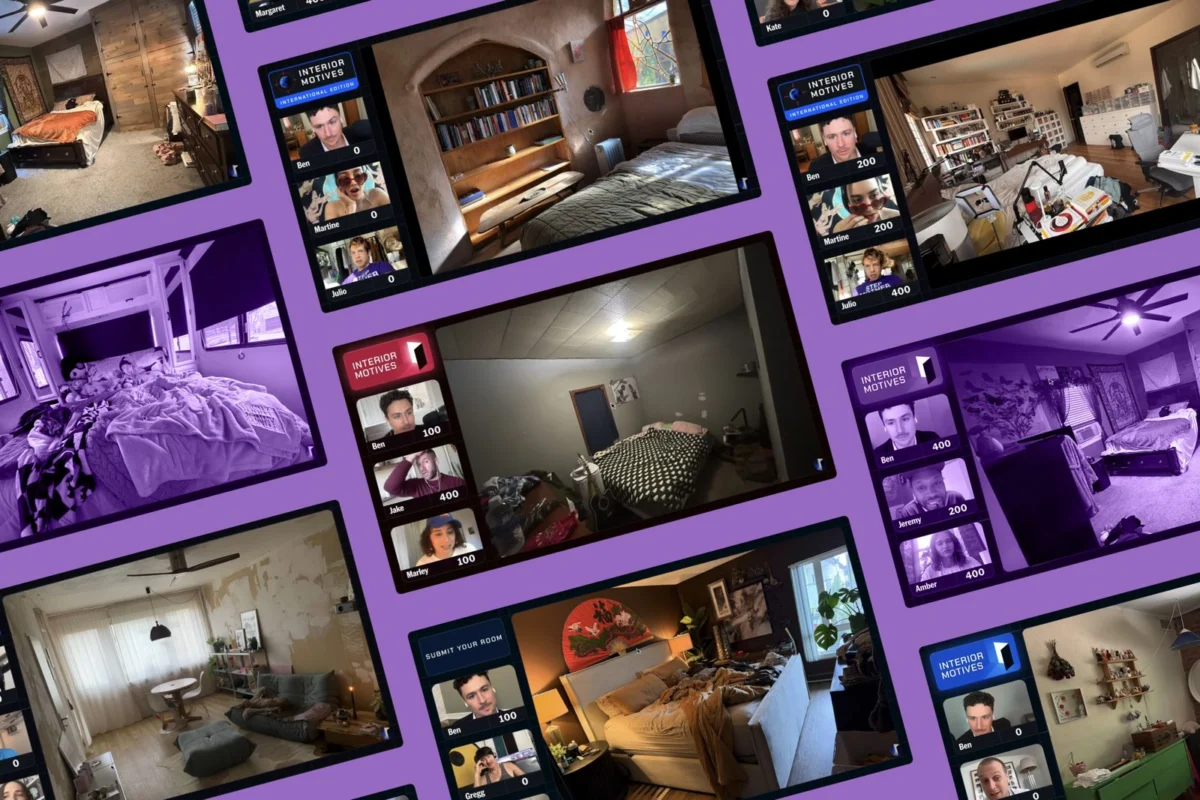
The digital landscape of the 2020s has witnessed a profound resurgence of voyeuristic home entertainment, a genre that first captivated audiences in the early 2000s with television phenomena like MTV’s Cribs and Room Raiders. However, this contemporary iteration is not merely a nostalgic echo; it is a sophisticated evolution, seamlessly integrated into the fabric of social media platforms and imbued with a new layer of psychological and social commentary. This emerging genre, epitomized by shows like Ben Mora’s YouTube sensation Interior Motives, leverages short-form video and interactive formats to explore the intricate relationship between personal spaces and individual identity, reflecting a society increasingly attuned to performance and perception in the digital age.
From Broadcast Television to Global Digital Stages: A Historical Trajectory
The fascination with peeking into the private lives and opulent dwellings of others is hardly a novel concept. MTV Cribs, which premiered in 2000, offered an unfiltered (though often curated) glimpse into the extravagant homes of celebrities, artists, and athletes. Its appeal lay in the aspirational fantasy it presented, showcasing lavish lifestyles that were largely unattainable for the average viewer. The show’s peak viewership often exceeded 3 million, demonstrating a significant public appetite for such content. Similarly, Room Raiders, which debuted in 2003, took a more intimate, yet still voyeuristic, approach, allowing contestants to judge potential dates based solely on the contents and decor of their bedrooms. These programs, alongside other early-aughts reality shows, established a precedent for home-centric content as a powerful mirror reflecting cultural values, aspirations, and individual eccentricities.
Fast forward two decades, and the advent of high-speed internet, smartphones, and ubiquitous social media platforms has democratized this voyeurism, transforming it from a professionally produced broadcast spectacle into a user-generated, interactive phenomenon. The Y2K revival of the 2020s, which saw a nostalgic return to early-aughts aesthetics and cultural touchstones, provided fertile ground for this genre’s digital reincarnation. Platforms like TikTok, YouTube, and Instagram, with their emphasis on short-form, authentic (or seemingly authentic) content, became the new stages for exploring what our homes—and by extension, our personal spaces—communicate about us. TikTok alone reported over a billion monthly active users by 2021, showcasing the immense reach and engagement potential for creators. The COVID-19 pandemic further accelerated this trend, as individuals spent unprecedented amounts of amounts of time within their homes, transforming these private sanctuaries into the primary backdrops for remote work, social interaction, and content creation. This shift intensified public interest in domestic aesthetics and the narratives they convey, elevating the importance of one’s immediate environment as a canvas for self-expression.
The Architects of Digital Domesticity: Key Players and Their Impact
The landscape of digital home voyeurism is populated by a diverse array of creators, each bringing a unique twist to the genre. One of the most prominent figures is Caleb Simpson, who rose to TikTok stardom by asking strangers how much they pay for rent. With a staggering 8.7 million followers (at the time of writing), Simpson has built a formidable career around video home tours that deftly bridge the gap between the glossy, aspirational features of publications like Architectural Digest, the raw candor of reality television, and the investigative thrill of a game show. His tours, now frequently featuring celebrities, exemplify the genre’s evolution from simple room showcases to nuanced explorations of lifestyle, value, and personality. His ability to humanize the often-abstract concept of housing costs by grounding it in personal stories has resonated deeply with a broad audience, particularly in an era of escalating living expenses.
Beyond direct home tours, other internet personalities have carved out significant niches. Seth Hollingsworth, for instance, has cultivated a substantial presence on TikTok and YouTube through his comedic reactions to celebrity homes and unusual Zillow listings. His content taps into a collective sense of wonder and often bewildered amusement at the extremes of real estate, whether it’s the bizarre layouts of ultra-luxury mansions or the peculiar decor choices found in everyday listings. Other creators, such as @hellomynamesjon, @thedanrosen, and @sicardw, regularly post similar short-form reviews, critiques, and analyses of famous properties and eye-catching real estate, fostering a community of armchair interior designers and amateur psychologists. These creators collectively contribute to a vibrant online discourse around domestic aesthetics, sparking trends, validating tastes, and sometimes, humorously dissecting perceived design failures.
The growing popularity of this content has not gone unnoticed by traditional media and production entities. Digital TV studios are actively investing in and shaping the genre, recognizing its potential for broad appeal and monetization. Gymnasium, a notable "digital TV studio," launched Boy Room in 2024, a short-form show that initially toured man caves and later evolved into a makeover series in its second season. This strategic expansion was facilitated by a partnership with Amazon Prime, which also led to the development of Girl Room, a spin-off slated for 2025. Gymnasium further diversified its portfolio with Roommate Court, an Instagram and TikTok series featuring an in-home comedian-judge resolving conflicts between cohabitants, demonstrating the genre’s versatility and its capacity to integrate humor and social dynamics. These studio investments underscore the transition of digital home voyeurism from a grassroots phenomenon to a recognized and valuable segment of the entertainment industry, attracting significant partnerships and expanding its reach across various platforms. The move towards makeover series within Boy Room and Girl Room signifies an industry trend to blend the voyeuristic element with aspirational transformation, offering both critique and solution.

"Interior Motives": A Game Show of Identity and Introspection
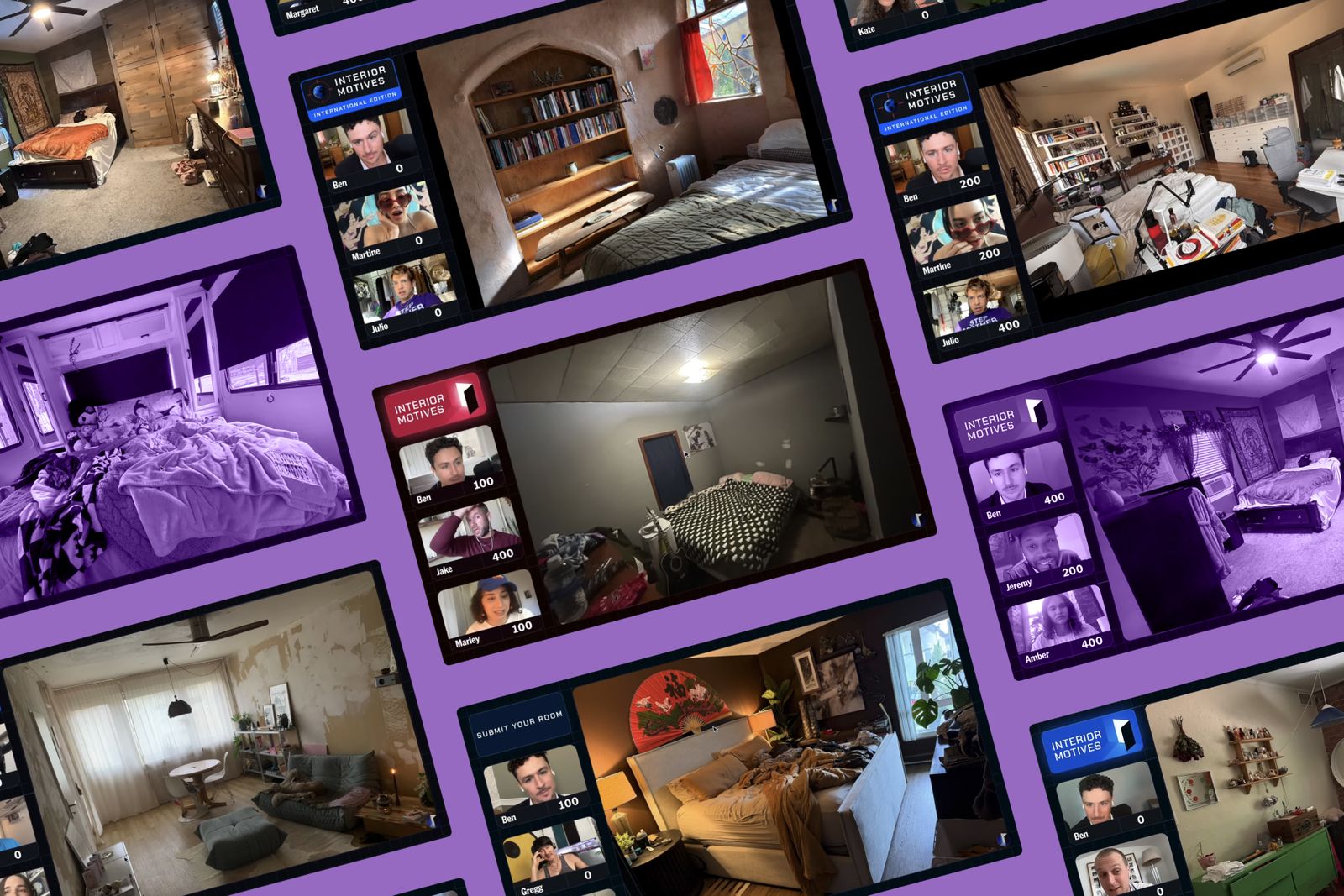
At the forefront of this digital renaissance is Ben Mora, the charismatic host of Interior Motives. Launched in summer 2025, this YouTube game show has rapidly become a cultural touchstone, boasting over 140,000 subscribers and more than 6.9 million views on the platform. Interior Motives distinguishes itself by transforming the act of observing private spaces into an engaging, points-based guessing game. Mora and a rotating cast of contestants, often comprising celebrity artists, comedians, and internet personalities, convene remotely to scrutinize photographs of three bedrooms submitted by their owners, along with a bonus space such as the inside of a fridge or a personal workspace. The objective is to deduce the owner’s identity, down to their age, sexuality, gender identity, and geographical location. The game’s format, combining visual analysis with speculative deduction, creates an intellectual challenge that captivates its audience.
The show’s tagline, "You show us your bed and we guess who’s been in it," playfully echoes the provocative nature of its early-aughts predecessor, Room Raiders, while signaling a deeper, more nuanced inquiry into identity. Mora’s roster of contestants has included an impressive array of cultural figures, from Courtney Love and Margaret Cho to Jeremy O. Harris, Julio Torres, Juliana Huxtable, Jake Cornell, Marley Gotterer, and Kay Poyer. Their participation not only lends celebrity gravitas to the show but also enhances the interpretive richness, as their unique perspectives contribute to the deductions and discussions. While most submissions originate from viewers in the United States, Interior Motives also features occasional international editions, broadening its cultural scope and appeal. This global reach hints at the universal human desire to understand and categorize others based on their environments, regardless of cultural background.
The Genesis and Growth of a Phenomenon
Mora’s journey with Interior Motives began modestly, about a year prior to its formal launch, as a supplementary series to Seeking Derangements, a comedy podcast he co-hosts with friends. The core idea for the show struck him