admin
admin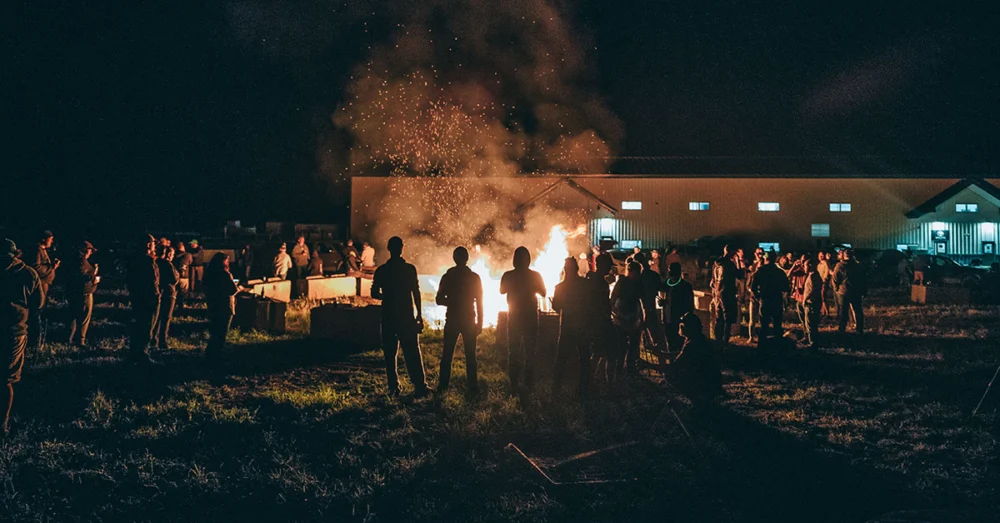
The American craft brewing industry, once defined by the rapid expansion of urban taprooms and industrial-park microbreweries, is undergoing a spatial and strategic transformation. As the market for local beer reaches a point of high saturation, brewery owners are increasingly looking toward their physical footprints as underutilized assets. By integrating campgrounds, RV hookups, and immersive outdoor experiences directly into their business models, these entrepreneurs are tapping into a lucrative intersection of the "experience economy" and the post-pandemic outdoor recreation boom. This shift represents more than a novel marketing tactic; it is a calculated move to maximize land value and secure a "captive audience" in an increasingly competitive beverage landscape.
The Shift Toward Multi-Use Land Management
For Ryan Roberts, owner of R&R Brewing in Mount Olive, North Carolina, the decision to pivot toward hospitality was born of a simple economic realization: land that generates property taxes must also generate revenue. Since opening in 2018, Roberts had utilized his property for food trucks and a fenced yard, yet he noticed a significant portion of the public remained outside the brewery’s walls. In late 2020, Roberts partnered with Harvest Hosts, a membership-based network that connects self-contained RV travelers with unique overnight stays at farms, wineries, and breweries.
The initial investment was minimal—approximately $60 for signage—but the returns were immediate. By providing flat ground for campers, R&R Brewing transformed from a local watering hole into a destination. Travelers, weary of the utilitarian atmosphere of big-box store parking lots, began booking stays and spending an average of $80 per visit on pints and merchandise. According to Roberts, the return on investment (ROI) has been among the highest in the brewery’s history, primarily because it leverages existing assets to attract a demographic that is already predisposed to spending on craft products.
The Context of the Post-Pandemic Camping Boom
The marriage of craft beer and camping is supported by significant shifts in American consumer behavior. The pandemic acted as a catalyst for outdoor recreation, a trend that has shown remarkable staying power. According to data from The Dyrt, a leading camping platform, approximately 45 percent of campers report bringing beer on their trips, with 37 percent of those specifically seeking out craft options.
As national and state parks face record-breaking demand, securing traditional campsites has become increasingly difficult, often requiring reservations months in advance. This "reservation crunch" has created a market gap that private landowners are eager to fill. Platforms like Hipcamp and Harvest Hosts have seen surged interest as campers look for alternative, often more curated, environments. For breweries, this provides an opportunity to offer a "beercation" experience where the commute from the bar to the bed is measured in yards rather than miles.
Strategic Regional Case Studies: From Wyoming to Maine
The implementation of brewery-based camping varies significantly by geography and business model, ranging from rustic "dispersed" sites to high-end boutique RV parks.
The Wilderness Model: Melvin Brewing
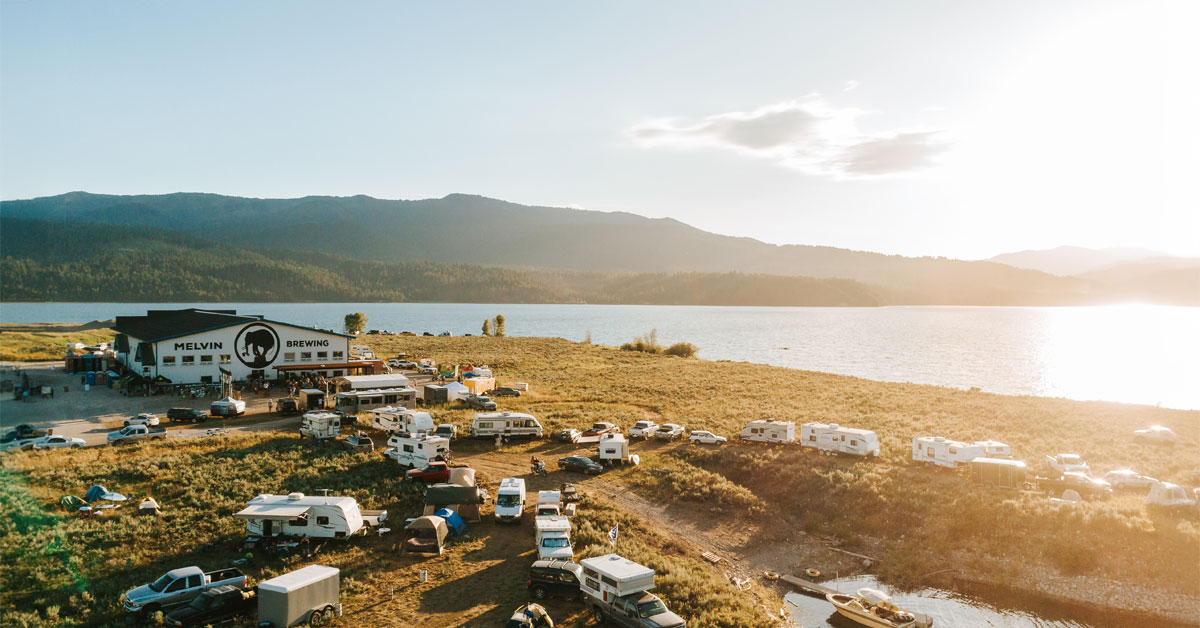
In Alpine, Wyoming, Melvin Brewing utilizes its proximity to the Palisades Reservoir and Bureau of Land Management (BLM) property to offer a "wild" experience. Molly Reilly, Vice President of Marketing for parent company Pure Madness Group, notes that the brewery provides no-frills, first-come, first-served campsites. The draw here is the atmosphere: campers can enjoy high-gravity IPAs and then walk to their tents under "total dark skies," a stark contrast to urban taprooms.
The Agricultural Model: Billy Goat Hop Farm
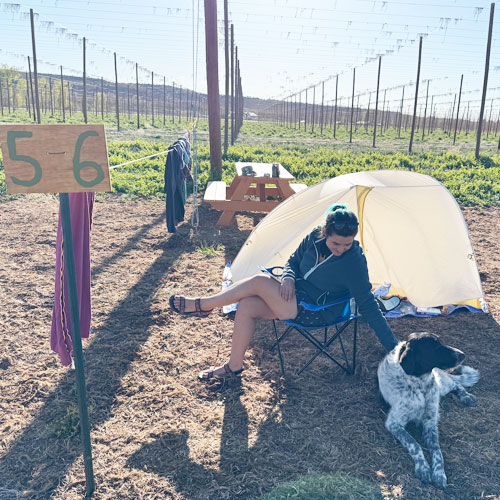
In Montrose, Colorado, the connection between the beer and the land is made literal. Billy Goat Hop Farm recently opened "Down at the Hopyard," a campground where visitors sleep adjacent to towering trellises of climbing hop bines. Audrey Gehlhausen, the farm’s president, views the campground as an educational tool, allowing guests to see the raw ingredients of their favorite beverages while sampling beers brewed with those very hops.
The Urban Integration: Mash Mechanix Brewing
Even breweries in more developed areas are finding ways to participate. Mash Mechanix in Colorado Springs converted a portion of its paved parking lot into dedicated spaces for Sprinter vans and truck-bed campers. Co-owner Leif Anderson, an avid camper himself, recognized that the brewery’s view of Pikes Peak was a marketable asset. By offering free overnight parking to Harvest Hosts members, the brewery has expanded its customer base to include out-of-state tourists who might otherwise have bypassed the city center.
The Boutique Resort: Boothbay Craft Brewery
In Maine, Win and Lori Mitchell have spent two decades evolving Boothbay Craft Brewery into what they describe as a "boutique RV park." By replacing aging cabins with 24 modern RV hook-up sites, they have created a holistic resort environment. The synergy between their tavern—which serves local oysters and smoked brisket—and the campground has created a self-sustaining ecosystem of repeat visitors.
Chronology of an Emerging Industry Trend
The timeline of this trend suggests a transition from accidental hospitality to intentional infrastructure development:
- 2010–2017: The "Gold Rush" era of craft beer focuses on taproom expansion and regional distribution.
- 2017–2018: Early adopters like Golden Grove Farm & Brew (South Carolina) and R&R Brewing (North Carolina) begin experimenting with multi-use land, including disc golf and primitive camping.
- 2020: The COVID-19 pandemic forces breweries to move operations outdoors. Simultaneously, RV sales and camping memberships see record growth.
- 2021–2023: Breweries begin formalizing camping infrastructure. Indian Lake Adventures in Ohio is purchased by Doug Olsen, who integrates Camp Brewing into the existing campground facility.
- 2024 and Beyond: The "Catch-Up" phase. Breweries are now contract-brewing specifically to meet the high demand of their on-site campers, and established campgrounds are adding breweries to remain competitive.
Operational Challenges and Regulatory Realities
Despite the clear financial incentives, the integration of a campground into a brewing operation is fraught with logistical and legal complexities. A brewery and a campground are distinct business entities that require different staffing skill sets, insurance liabilities, and municipal permits.
Doug Olsen of Camp Brewing highlights the "catch-up" required to manage these dual identities. Licensing is a primary hurdle; for instance, while campers may bring their own alcohol to their campsites, they are often prohibited from bringing outside beverages into the brewery’s licensed taproom area. Conversely, selling "to-go" beer for consumption at a campsite requires specific retail licensing that varies by state. Furthermore, the infrastructure required for high-density camping—such as power grids, waste disposal (dump stations), and potable water—requires significant capital expenditure.
The Impact of Immersive Events and Festivals
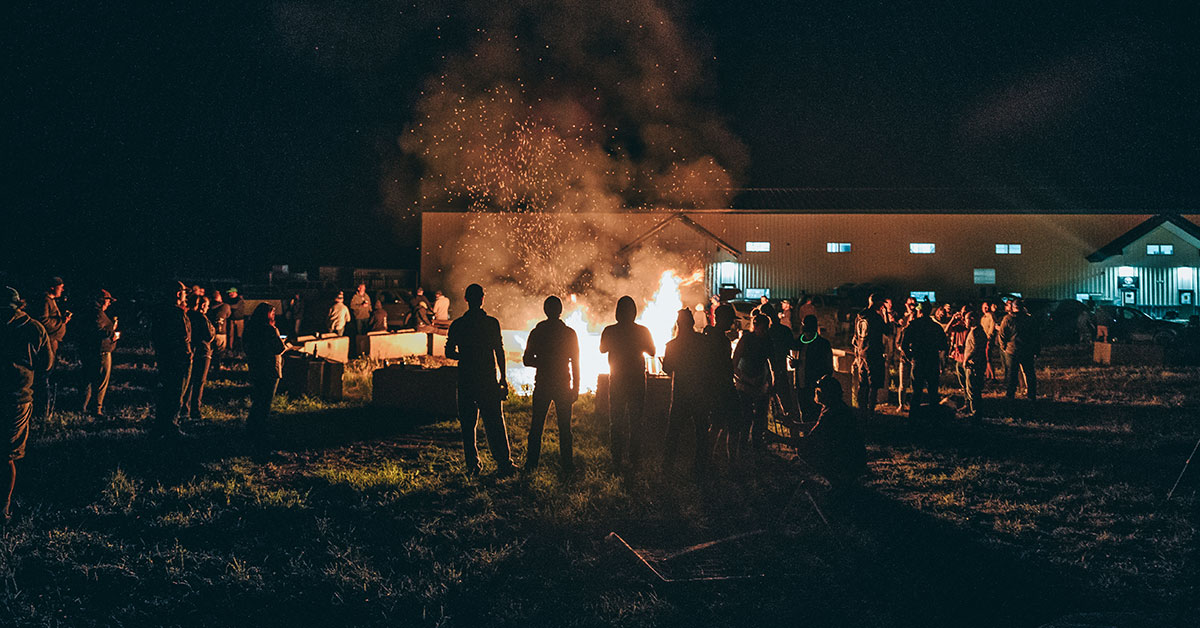
Camping has also become a solution for the logistical nightmares associated with rural beer festivals. Events like the Burning Foot Beer Festival in Muskegon, Michigan, utilize beachfront camping to solve the lack of local hotel inventory. By offering 300 campsites, the festival ensures that attendees have a safe, on-site place to stay, thereby extending the duration of the event and increasing per-head spending.
However, the model is not without risk. The recent cancellation of the "Belgium Comes to Cooperstown" festival at Brewery Ommegang in New York serves as a cautionary tale. Despite the brewery’s idyllic location on a former hop farm, lower-than-projected ticket sales made the event unsustainable this year. This highlights a critical reality: while the "beer and camping" niche is growing, it remains subject to the same economic pressures and consumer spending fluctuations as the broader hospitality industry.
Analysis of Broader Implications
The rise of brewery campgrounds signifies a maturation of the craft beer industry. With over 9,000 breweries now operating in the United States, the novelty of the product itself has diminished. Success in the current market increasingly depends on the "moat" a business can build around its brand through unique experiences.
By transforming a brewery into a travel destination, owners are insulating themselves against the volatility of the wholesale distribution market. A camper who stays overnight is not just a customer; they are a guest who consumes multiple meals, multiple pints, and is highly likely to purchase high-margin merchandise. This "captive audience" model provides a stable revenue stream that is less dependent on local foot traffic and more aligned with the national trend toward regional tourism.
As the lines between agriculture, manufacturing, and hospitality continue to blur, the brewery campground stands as a prime example of modern American entrepreneurship—turning "dirt" into value by recognizing that for many consumers, the journey to the glass is just as important as the beer inside it.