admin
admin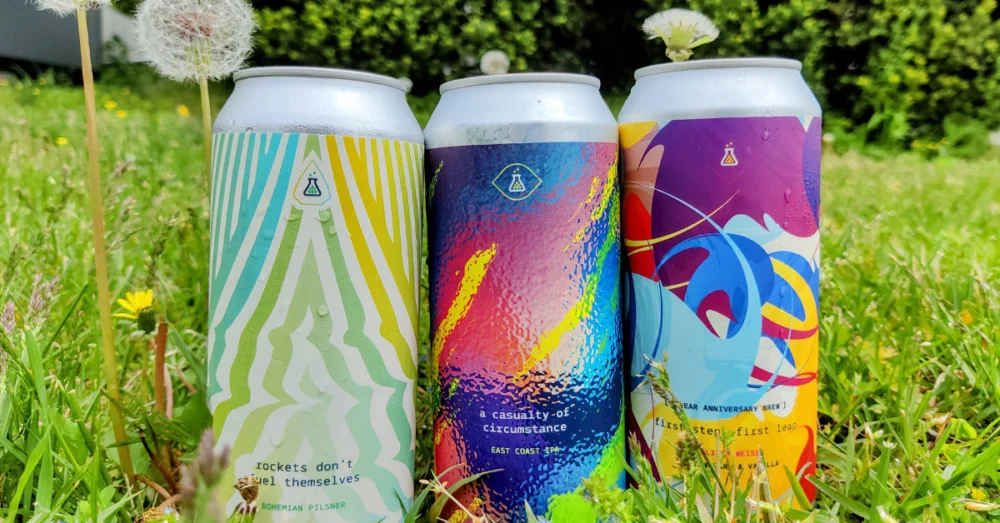
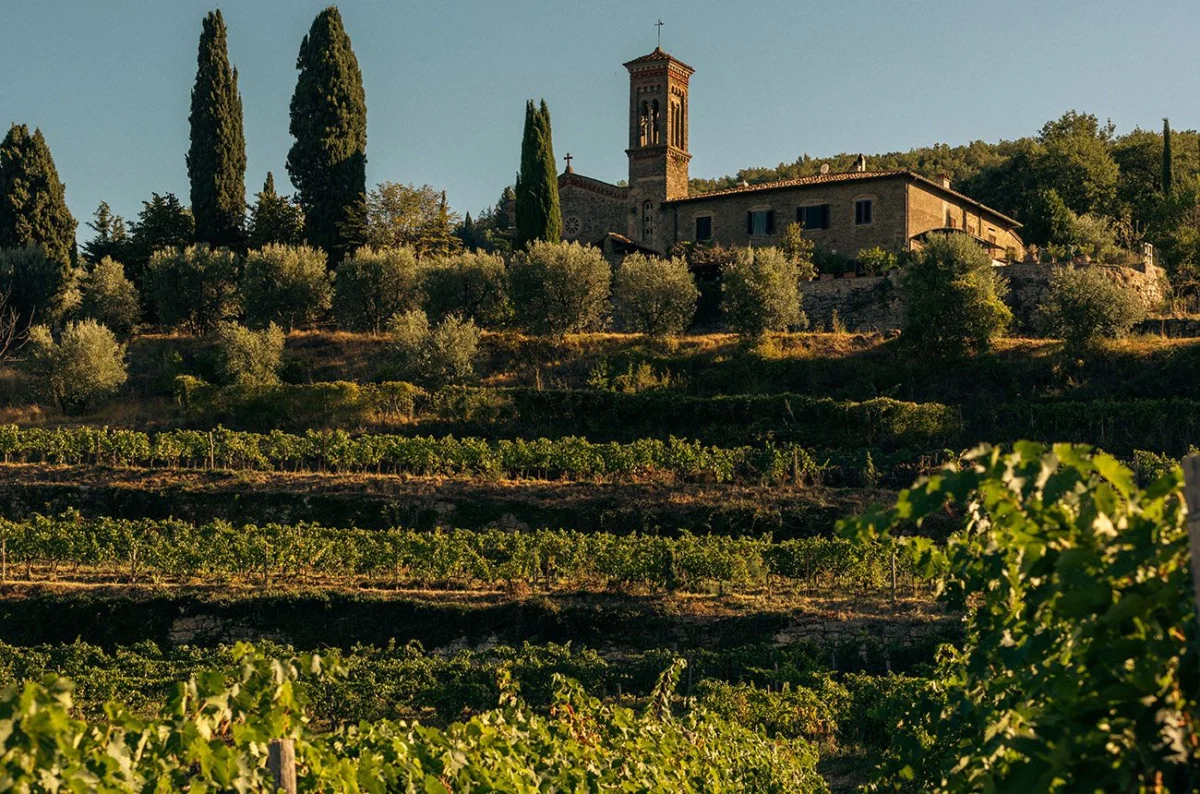
The North Fork of Long Island has long been celebrated as the Napa Valley of the East, a region defined by its fertile glacial soil, maritime climate, and a viticultural tradition that dates back to the early 1970s. For decades, the area’s identity was synonymous with sprawling vineyards and tasting rooms dedicated to Cabernet Franc, Merlot, and Sauvignon Blanc. However, a significant cultural and economic shift is underway as the region’s agricultural landscape diversifies. While the wine industry remains a cornerstone of the local economy, the North Fork is rapidly earning a secondary reputation as a premier destination for craft beer, characterized by a sophisticated production of IPAs, Pilsners, sours, and stouts that emphasize local terroir.
This transformation is not merely a trend but a structural evolution of the region’s agrotourism sector. What began as a niche movement led by a few pioneers has expanded into a robust industry that complements the established wine trail. Today, the "alcohol trail" of the North Fork represents a symbiotic ecosystem where breweries, wineries, and local farms collaborate to create a comprehensive destination for travelers from the New York metropolitan area and beyond.
A Chronology of Growth: From Blue Point to the Modern Era
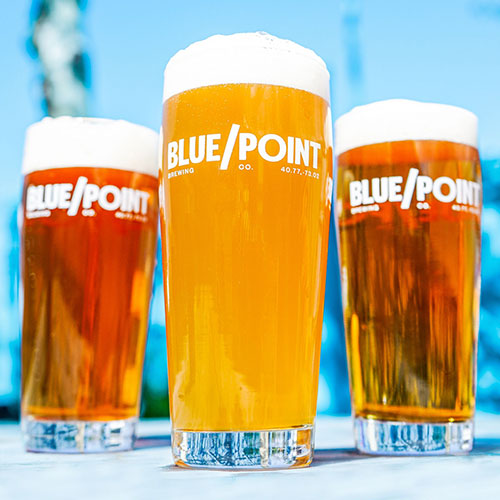
The roots of the Long Island craft beer movement can be traced back to 1998 with the founding of Blue Point Brewing Company in Patchogue. While located further west than the North Fork’s primary viticultural zones, Blue Point proved that there was a significant appetite for local craft suds on the island. For nearly a decade, Blue Point remained the dominant force, but the landscape began to shift in 2009 with the opening of Greenport Harbor Brewing Company.
Greenport Harbor, founded by John Liegey and Rich Vandenburgh, acted as the vanguard for the North Fork’s brewing scene. Its original location, housed in a renovated 1845 carpenter’s shop in the village of Greenport, signaled a new era where craft beer could coexist with the region’s maritime and agricultural history. The success of Greenport Harbor paved the way for a decade of exponential growth.
The mid-2010s saw a surge in new entries. Twin Fork Beer Co. began brewing in 2014, followed by the establishment of Jamesport Brewery, Eastern Front Brewing, and North Fork Brewing Company. This period was marked by a transition from small-scale operations to more permanent, destination-oriented facilities. By the early 2020s, the region had reached a critical mass, with Riverhead serving as the gateway to the North Fork and hosting innovators like Übergeek Brewing, which opened its taproom in 2021.
The Legislative Catalyst: The New York State Farm Brewing Law
The rapid expansion of the North Fork’s brewing scene cannot be viewed in isolation from New York State’s legislative efforts to bolster local agriculture. In 2012, the state enacted the Farm Brewery Law, a pivotal piece of legislation designed to increase the demand for locally grown ingredients. Under this law, breweries operating under a "farm brewery" license are required to use a specific percentage of New York-grown hops and other ingredients.
As of 2024, the requirement stands at 90% of hops and 90% of all other ingredients being grown in New York State. This legislation effectively incentivized brewers to form deep connections with local farmers. On the North Fork, this has resulted in a unique "terroir-driven" beer culture. Brewers are no longer just making beer; they are crafting beverages that reflect the specific agricultural output of the East End, utilizing local honey, herbs, fruits, and even maritime-influenced hops.
According to data from the New York State Brewers Association, the number of craft breweries in the state has grown from 95 in 2012 to over 500 in 2024. Long Island, and the North Fork specifically, has been a major beneficiary of this growth, contributing significantly to the state’s craft beer economic impact, which is estimated at $6.6 billion annually.
Pioneer Perspectives: Greenport Harbor and the Brewing Oasis
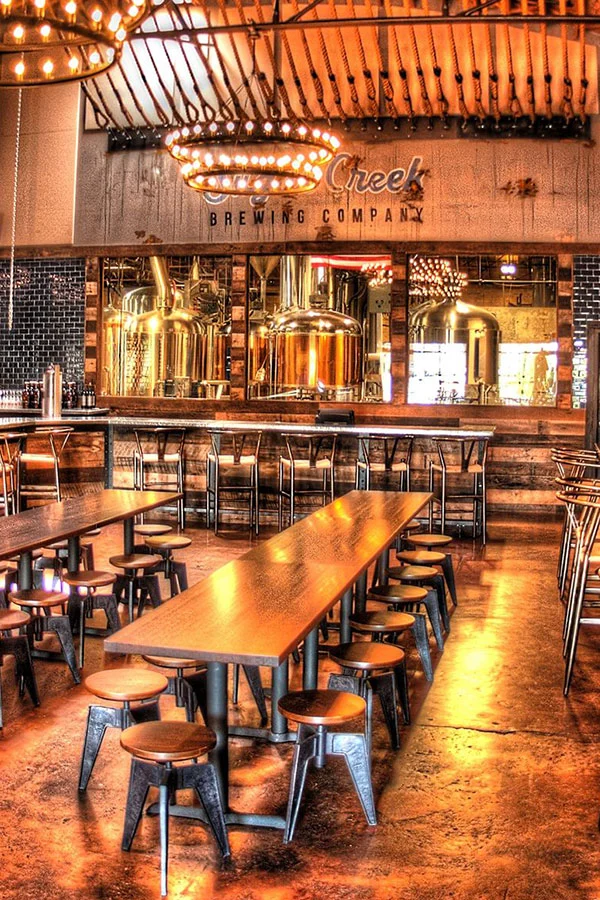
Sean Galligan, the head brewer at Greenport Harbor Brewing, has witnessed this evolution firsthand. Over the past 16 years, Greenport Harbor has expanded from its modest origins to include a massive second location in Peconic. This facility, situated on several acres along the Main Road, features a state-of-the-art kitchen, live music, and expansive outdoor spaces that mirror the experience of a high-end winery.
"The North Fork is a place known for viticulture, so it’s nice to have a brewing oasis in the middle of wine country," Galligan noted. The brewery’s portfolio reflects a commitment to both traditional styles and local ingredients. Their "Harbor Ale" and "Black Duck Porter" have become regional staples, while newer offerings like the "Lucha Lager" incorporate New York State-grown wheat, sea salt, and key limes.
A hallmark of Galligan’s approach is the use of fresh hops. In late summer and early September, Greenport Harbor utilizes Cascade and Willamette hops harvested from Orient Point. The logistical advantage of being located near the source is profound; hops are often picked in the morning and integrated into the brew kettle by the afternoon, a process that preserves the delicate aromatic oils of the plant.
Innovation and Astrophysics: The Rise of Übergeek Brewing
The North Fork’s brewing scene is also characterized by a high degree of technical experimentation. Rob Raffa, the owner and brewmaster at Übergeek Brewing in Riverhead, brings a background in physics and astrophysics to the craft. Raffa’s journey reflects the professionalization of the industry; after learning the trade at the now-defunct Moustache Brewing, he launched Übergeek to explore more experimental flavor profiles.
Übergeek has experienced rapid scaling, moving from four fermenters to 16, with plans to double production capacity in the coming months. This growth is fueled by a tasting room strategy that emphasizes community and culture, hosting concert series and rotating food trucks in a converted warehouse space.
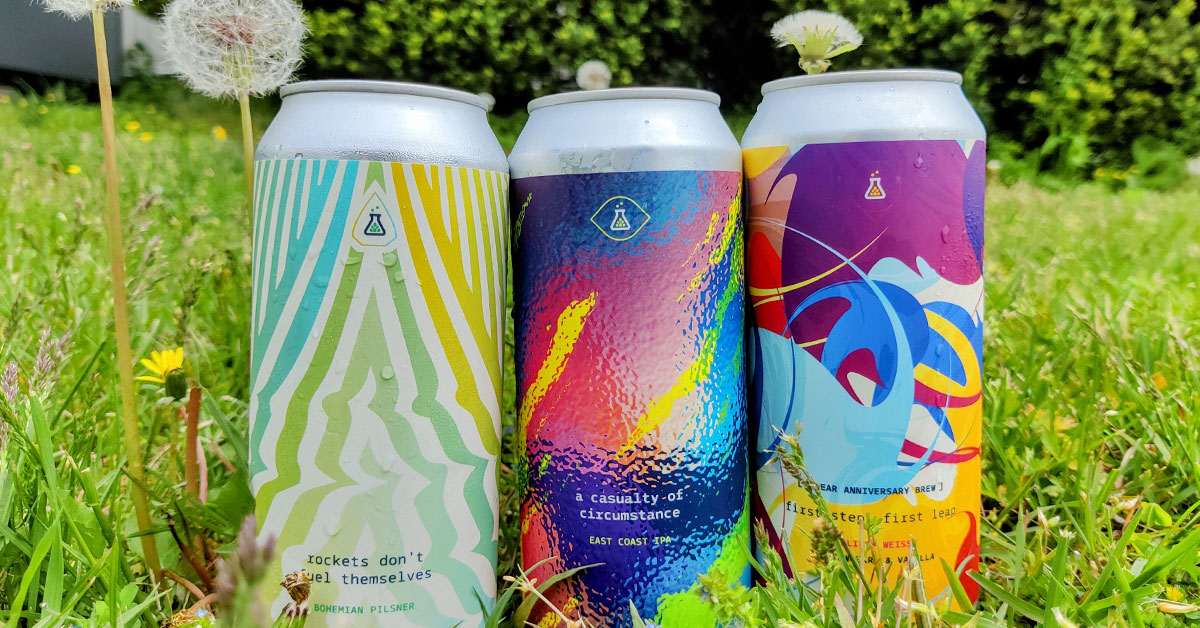
Raffa’s beers are known for their existential names and complex compositions. Titles like "A Casualty of Circumstance" and "Space Age Times, Stone Age Minds" reflect a brand identity that leans into the "geek" moniker. However, the science behind the beer is rigorous. Raffa utilizes the North Fork’s robust agrotourism traffic to test small-batch IPAs and lagers, often finding that the diverse crowds visiting the wine trail are increasingly seeking out high-quality, craft alternatives.
The Symbiotic Relationship Between Grapes and Grain
The relationship between the North Fork’s wineries and breweries is increasingly characterized by cooperation rather than competition. This symbiosis is visible in the growing number of "collaborations" between the two industries. For example, Greenport Harbor recently produced a beer conditioned on Carménère grapes from Osprey’s Dominion, utilizing wild yeast strains to create a product that sits at the intersection of beer and wine. This particular brew earned a silver medal in the Fruit & Vegetable Beer (Sour) category at the 2024 New York State Craft Beer Competition.
Peter Chekijian, co-founder of Twin Fork Beer Co., views the influx of wine tourists as a tide that lifts all boats. "We are riding the coattails of the wine business," Chekijian admitted. Twin Fork, which names its beers after musical theory elements like "Crescendo IPA" and "Prelude Pilsner," benefits from the established infrastructure of the North Fork’s tourism industry, including bike tours and shuttle buses that now routinely include breweries on their itineraries.
Furthermore, many local wineries now carry craft beers from neighboring breweries in their tasting rooms. This allows groups with diverse preferences to enjoy the North Fork experience without being limited to a single beverage type. It is a strategic move that maximizes the "length of stay" for visitors, encouraging them to explore the full spectrum of the region’s artisanal offerings.
Terroir and Foraging: The Agricultural Integration
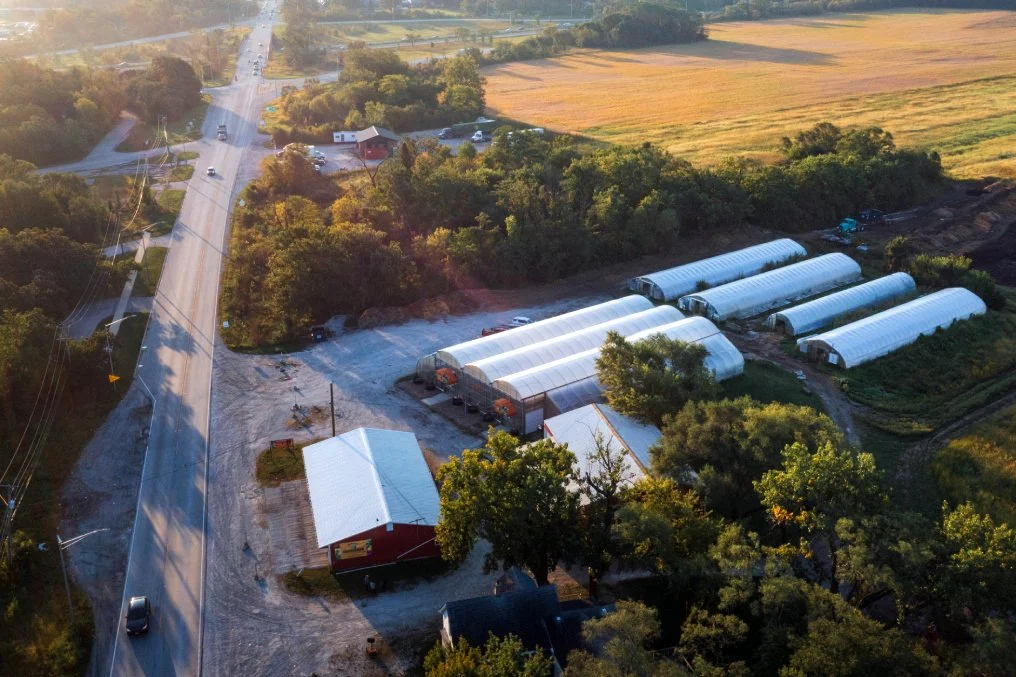
For Peter Barraud, founder of North Fork Brewing Company, the goal is to provide a "taste of the land." Barraud’s approach is deeply rooted in the North Fork’s agricultural abundance. He collaborates with local entities such as Peconic River Herb Farm, Herricks Lane Farm, and CJ Van Bourgondien Greenhouses to source niche ingredients.
"The North Fork is so saturated with farms; it has endless produce and niche small-batch ingredients like herbs and spices," Barraud explained. This focus on "terroir" has led to the creation of unique beers such as an ancho chile-infused Pilsner and fruited beers using peaches and strawberries from Lewin Farms in Calverton. By using local licensed foragers and farmers, Barraud ensures that his 80-beer annual rotation remains a reflection of the seasonal cycle of the East End.
This integration of local produce is a key driver of the "farm-to-glass" movement, which mirrors the "farm-to-table" culinary trend that has long defined the North Fork’s restaurant scene. It creates a closed-loop local economy where the success of a brewery directly benefits a nearby farm.
Broader Economic Impact and Future Implications
The emergence of the North Fork as a craft beer destination has significant implications for the regional economy. Tourism on Long Island is a multi-billion dollar industry, and the diversification of the "alcohol trail" makes the region more resilient. By offering a variety of experiences—from high-end wine tastings to casual brewery taprooms—the North Fork can attract a broader demographic of visitors, including younger consumers who may prefer the communal, relaxed atmosphere of a craft brewery.
Moreover, the expansion of these businesses provides year-round employment in a region where tourism was traditionally seasonal. Modern brewing facilities, with their indoor tasting rooms and year-round production schedules, help stabilize the local labor market.
As the industry matures, the focus is shifting toward sustainability and the preservation of the North Fork’s rural character. The success of these breweries depends on the health of the local ecosystem and the continued availability of agricultural land. As long as the symbiotic relationship between brewers, vintners, and farmers remains strong, the North Fork is poised to maintain its status as a premier destination for artisanal beverages, proving that there is indeed "something for everyone" in the Napa Valley of the East.