admin
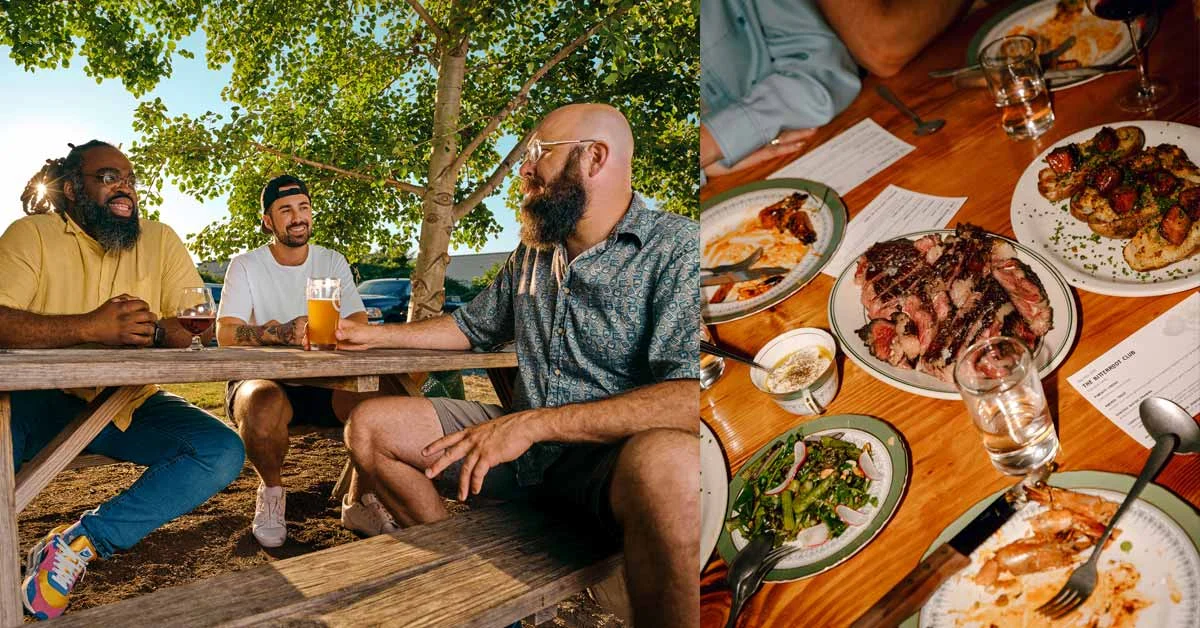
The craft beer landscape in Portland, Oregon, long referred to by the moniker "Beervana," is undergoing a significant strategic transformation as established and emerging brewers seek to navigate a tightening national market. While the industry faces headwinds from shifting consumer preferences and economic pressures, Portland’s brewing community is doubling down on a unique blend of high-end culinary integration and deep-rooted local heritage to maintain its status as a global epicenter of independent fermentation. This evolution is perhaps most visible at Grand Fir Brewing in Southeast Portland’s Buckman neighborhood, where the traditional brewpub model has been expanded to include "The Bitterroot Club," a weekly high-concept supper club that underscores the "elevated" direction the industry is taking.
The Emergence of the "Elevated" Brewpub Experience
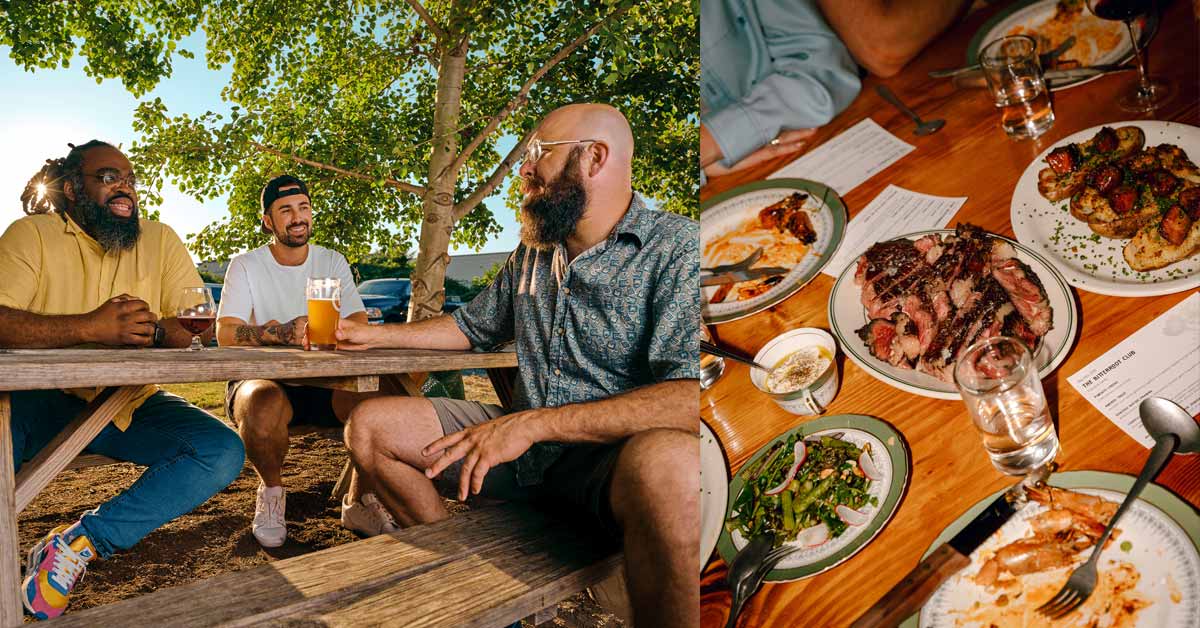
The Bitterroot Club, hosted by Grand Fir Brewing, represents a departure from the casual, counter-service atmosphere traditionally associated with American craft breweries. Founded in November 2022 by the husband-and-wife team of Doug Adams and Whitney (Burnside) Adams, the establishment serves as a case study in the diversification of the brewery business model. Doug Adams, a finalist on Bravo’s "Top Chef" and a James Beard Award semifinalist, utilizes the space to showcase seasonal, locally sourced ingredients through a prix fixe menu priced at $135 per person.
The menu is designed specifically to harmonize with the beers crafted by Whitney Adams, a veteran brewmaster with a pedigree that includes stints at Upright Brewing, Elysian, and 10 Barrel Brewing Company. Pairings such as Columbia king salmon with bready Tamarack Fest lager, and charcoal-grilled porkchops with the crisp finish of the Bandit Run Mosaic American IPA, illustrate a level of intentionality that Whitney Adams believes is necessary for survival in the modern era. According to the founders, the decision to lead with an "elevated" food program was a calculated response to a marketplace where quality beer alone is no longer a guaranteed path to success.
A Historical Foundation: The Birth of Beervana
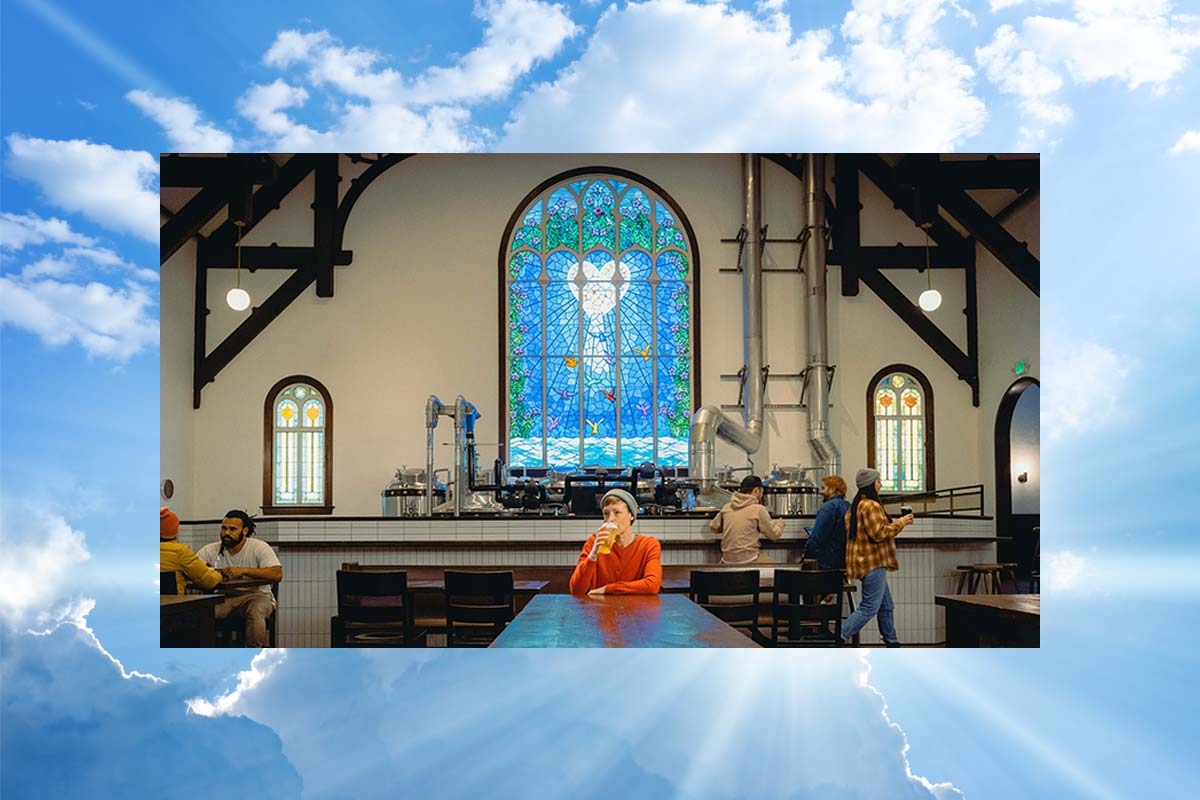
To understand Portland’s current market resilience, one must look to the historical development of the region’s beer culture. The term "Beervana" was first popularized in 1994 by the local alternative weekly Willamette Week, but the roots of the movement date back to the mid-1980s. The emergence of pioneers such as BridgePort Brewing (1984) and Widmer Brothers Brewing (1985) set the stage for a culture that prioritized local, independent production over national brands.
Geographic and agricultural advantages played a pivotal role in this development. Portland is situated in close proximity to the Willamette Valley, one of the world’s premier hop-growing regions. The valley, alongside the Yakima Valley in neighboring Washington state, provides local brewers with immediate access to fresh, high-quality ingredients, particularly the bold, aromatic hops that define the Northwest-style IPA.
Van Havig, master brewer and co-founder of Gigantic Brewing, notes that Portland’s geographic isolation historically protected it from the aggressive market dominance of "Big Beer" companies like Miller and Anheuser-Busch. Because these national giants had a relatively minor presence in the Pacific Northwest during the formative years of the craft movement, local distributors and brewpubs were able to establish a dominant market share. In Portland, Havig observes, the distinction between "craft beer" and "beer" is virtually non-existent; for the local population, independent craft beer is the standard.
Supporting Data: The Economic Impact of Oregon Brewing
The significance of the brewing industry to the Oregon economy is supported by robust data from the Oregon Brewers Guild and the Brewers Association. As of 2023, Oregon ranks among the top states in the U.S. for breweries per capita. The industry contributes more than $2.4 billion to the state’s economy and supports approximately 50,000 jobs, including direct brewery employment and positions in agriculture, distribution, and hospitality.
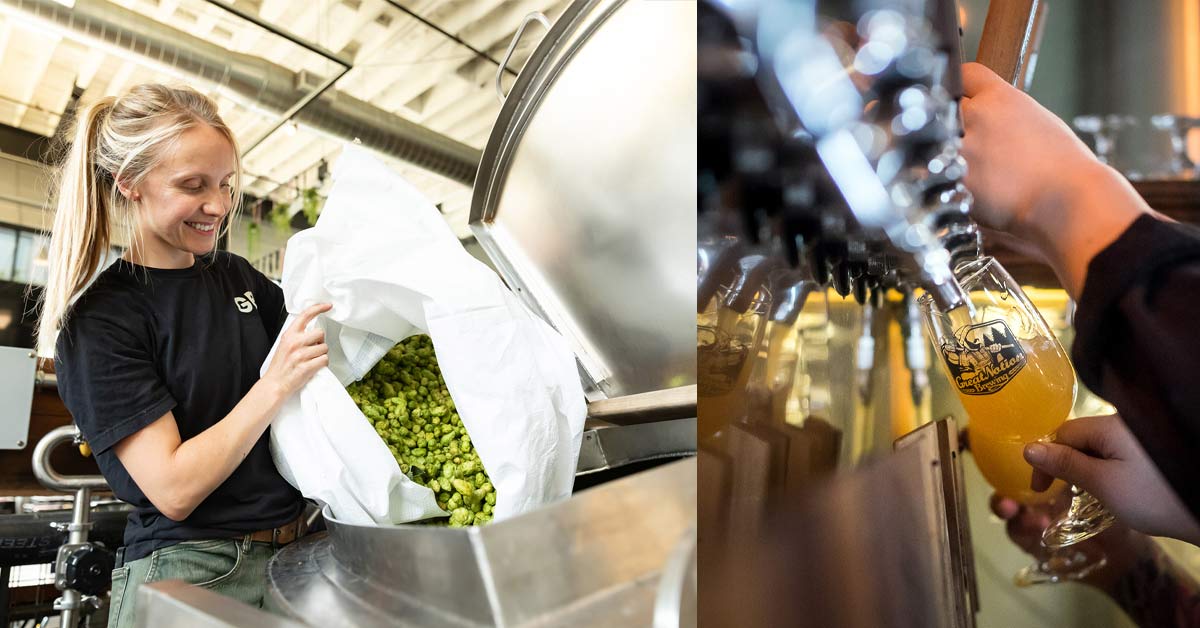
The Willamette Valley continues to be a global leader in hop production. In 2023, Oregon harvested approximately 7.5 million pounds of hops. This agricultural backbone ensures that Portland remains at the forefront of innovation, as brewers have the opportunity to work directly with growers to develop new varieties and experimental dry-hopping techniques.
The Evolution of the Portland Palate
The Portland market is characterized by a highly discerning consumer base that has seen its palate evolve through several distinct eras. In the late 1990s and early 2000s, the "Northwest-style IPA" reigned supreme. Iconic labels such as BridgePort’s IPA and Deschutes’ Mirror Pond Pale Ale set the template for aggressive, piney, and citrus-forward profiles that initially challenged outsiders but became the local gold standard.
By the early 2010s, the market began to diversify further. Breweries like Gigantic (founded in 2012) and Breakside Brewing (founded in 2010) pushed the boundaries of experimentation. This period saw the rise of:
- Lager-Centric Production: Wayfinder Beer helped popularize the "Cold IPA," a hybrid style brewed with lager yeast but hopped like an IPA.
- Pastry Sours and Hazy IPAs: Great Notion Brewing became a national leader in dessert-inspired sours and "juicy" IPAs.
- Non-Alcoholic Innovation: Established stalwarts like Deschutes Brewery have invested heavily in meticulous NA versions of flagship beers like Black Butte Porter to capture the growing "sober-curious" demographic.
Ben Edmunds, brewmaster at Breakside Brewing, notes that the "family tree" of Portland brewing has become more complex in recent years. While brewers previously tended to stay at one institution for decades, there is now a frequent influx of "new blood"—experienced professionals leaving established houses to start boutique operations. This cycle of talent keeps the scene vibrant and prevents stagnation, even as the number of total taprooms in the city exceeds 70.
Economic Realities and the Modern Craft Beer Landscape
Despite its storied history, Portland is not immune to the nationwide challenges facing the craft beer sector. The post-pandemic economy has been marked by skyrocketing real estate prices, labor shortages, and a "slippery marketplace" where consumer spending is more cautious. Nationally, craft beer growth has flattened, and many breweries have shuttered or been forced to consolidate.
In Portland, the response to these pressures has been a focus on "on-premises" experiences. To maintain a foothold, breweries are transforming their spaces into community hubs. While some regions have seen breweries install dog parks or pickleball courts, Portland’s trend has leaned toward culinary sophistication and stylistic specialization.
Whitney Adams emphasizes that the modern drinker is "savvier" than ever before. "I felt that if I were to just open up a brewery, I honestly don’t think it would make it," she stated, reflecting on the opening of Grand Fir. "You need a certain angle these days to be successful."
Chronology of Portland’s Brewing Milestones
- 1984: BridgePort Brewing opens, often cited as Oregon’s first craft brewery.
- 1985: Widmer Brothers is founded, later introducing the iconic American Hefeweizen.
- 1988: Deschutes Brewery opens in Bend, eventually becoming a major influence on the Portland market.
- 1994: Willamette Week coins the term "Beervana."
- 1996: BridgePort introduces its India Pale Ale, a template for the Northwest style.
- 2010-2012: A new wave of breweries, including Breakside and Gigantic, begins a period of intense experimentation.
- 2020-2022: The industry faces pandemic-related shutdowns, leading to a shift toward more diverse business models and "elevated" taproom experiences like Grand Fir Brewing.
Broader Impact and Implications for the Industry
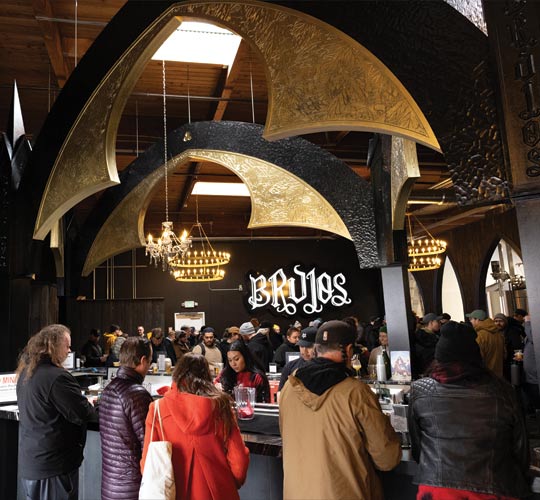
The trajectory of Portland’s beer scene serves as a bellwether for the national industry. The shift toward higher-end food programs, hyper-specialization in styles (such as the "heavy metal" aesthetic of Brujos Brewing or the experimental nature of Living Häus Beer Company), and a focus on local loyalty over national distribution are strategies being watched closely by brewers across the United States.
The resilience of "Beervana" suggests that while the era of rapid, unchecked growth in craft beer may have concluded, a "mature" market can still thrive through quality and community integration. As Van Havig summarizes, the victory for craft beer in Portland is that it has become "normal." It is no longer a niche hobby but a fundamental component of the city’s identity.
For the independent breweries of Oregon, the path forward involves a delicate balance of honoring the traditions of the Northwest-style IPA while embracing the culinary and stylistic innovations demanded by a new generation of drinkers. Whether through a $135 seasonal pairing dinner or a standard pint at a neighborhood dive bar, Portland’s beer culture remains a dominant force, defined by a shared passion between the people who brew the beer and the discerning public that drinks it.