admin
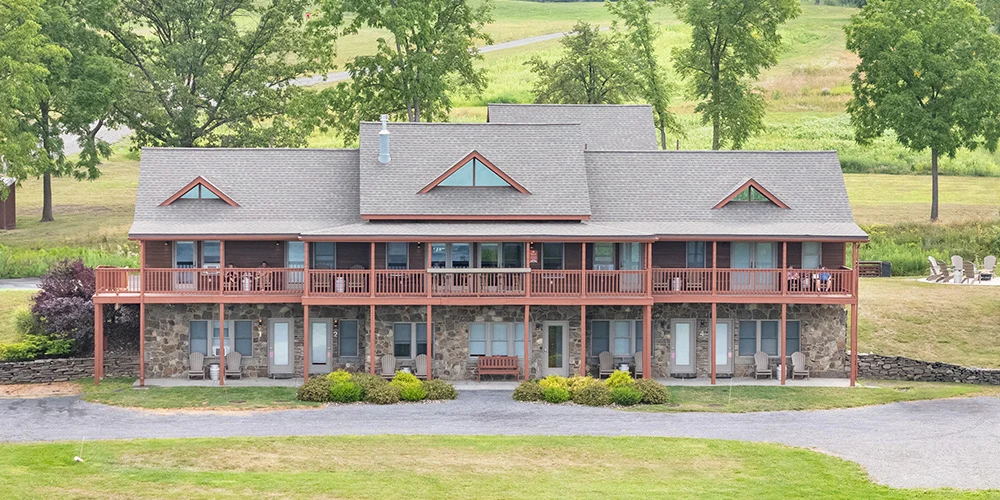
The American craft brewing industry is currently undergoing a structural transformation, moving beyond the traditional taproom model to embrace a comprehensive hospitality-driven approach. Across the United States, independent brewers are increasingly diversifying their portfolios by transforming historic barns, mid-century bungalows, and landmark industrial buildings into boutique accommodations. These "beercation" destinations represent a strategic shift in brand engagement, offering enthusiasts an immersive environment where the brewery’s ethos is reflected in every architectural detail and guest amenity. From rugged cabins in the Pacific Northwest to sprawling alpine lodges in Vermont, the emergence of brewery-owned lodging signals a new era in the experience economy, where the product is no longer just the liquid in the glass, but the lifestyle associated with the brand.
The Strategic Shift Toward Immersive Hospitality
For decades, the success of a craft brewery was measured by its distribution footprint and taproom throughput. However, as the market reached a point of high saturation—with over 9,000 breweries operating in the U.S. according to the Brewers Association—brand loyalty has become increasingly difficult to maintain. Industry analysts suggest that the move into lodging is a response to this competition, allowing breweries to capture a larger share of the "experience-seeking" traveler’s budget. By providing overnight stays, breweries transition from being a 90-minute stop on a weekend itinerary to becoming the primary destination itself.
This evolution is rooted in the concept of "storytelling through space." For brewery owners, lodging serves as a physical extension of their brand values. Whether it is a commitment to outdoor adventure, historical preservation, or European tradition, these accommodations allow guests to live within the brand’s narrative. The economic implications are significant; overnight guests represent a higher per-capita spend, consistent revenue through mid-week bookings, and a deeper emotional connection that often translates into long-term brand advocacy and increased direct-to-consumer sales.
Case Study The Pacific Northwest Cabin Culture
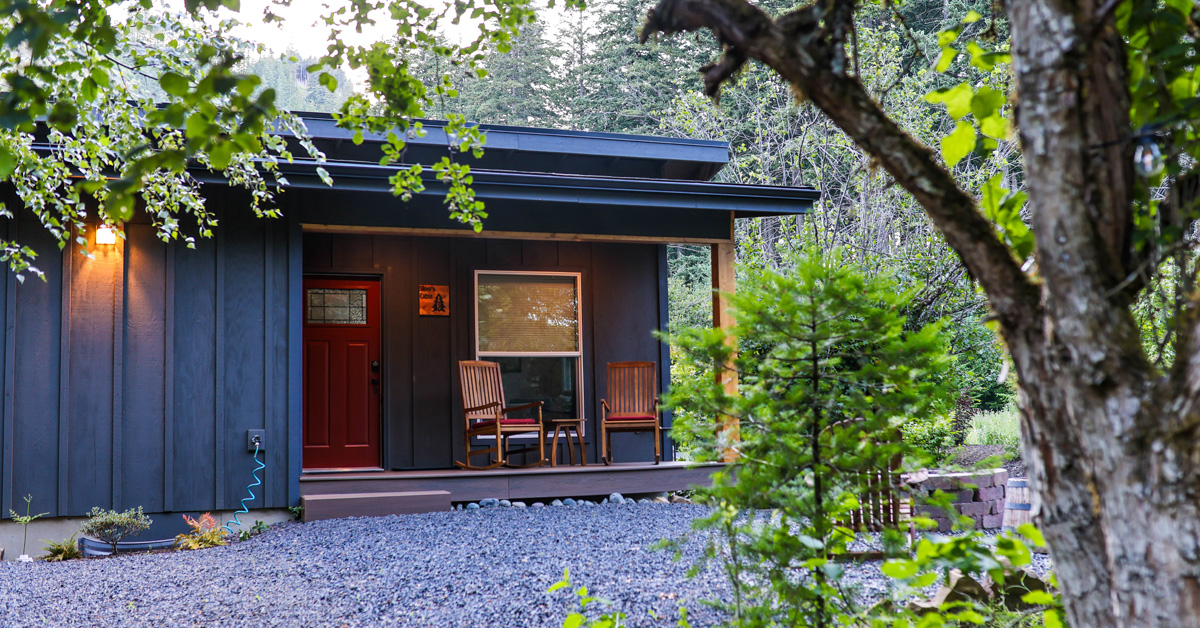
In Carson, Washington, Backwoods Brewing Company provides a primary example of how regional geography can be leveraged to create a unique hospitality brand. Located in the Columbia River Gorge—approximately one hour from Portland, Oregon—the brewery has capitalized on the area’s reputation for outdoor recreation. The Waters family, who founded the brewery, recognized that their taproom was already serving as a hub for hikers and kayakers. The logical next step was the creation of Backwoods Cabins.
"People already come out here to slow down—what if they could stay the night too?" says Steve Waters, CEO of Backwoods Brewing. The expansion involved the construction of eight luxury-leaning cabins, each meticulously themed to reflect the local environment, such as the "Hiker’s," "Kayaker’s," and "Stargazer’s" units. This thematic approach serves a dual purpose: it honors the local culture while providing a curated aesthetic that appeals to modern travelers.
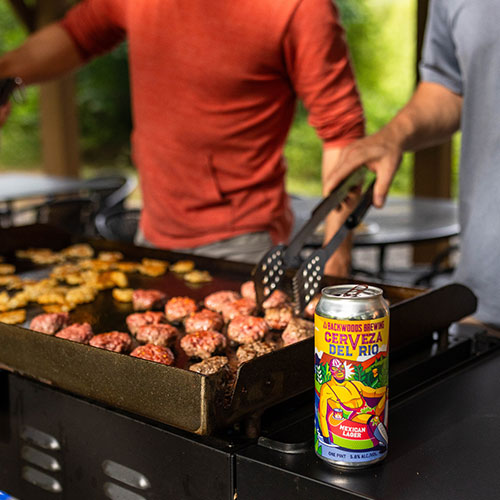
The design of these accommodations bridges the gap between "cabin-core" rusticism and high-end comfort. Amenities include 600-thread-count sheets, hops-scented spa products, and private porches equipped with firepits. From a business perspective, the integration of the brewery is seamless. Guests can opt to have curated beer selections waiting in their rooms upon arrival, and the proximity to the taproom encourages repeated visits for meals and tasting flights. The product lineup, featuring the Party Acres Hazy IPA and Ridge Run Oatmeal Stout, is positioned as the perfect accompaniment to the "cozy" atmosphere of the cabins, effectively turning the stay into a prolonged marketing activation.
Heritage and Tradition The Alpine Model in Vermont
While some breweries build from the ground up, others leverage deep historical roots to create a resort environment. The von Trapp Family Lodge in Stowe, Vermont, represents perhaps the most storied example of beer-centric lodging in the United States. Founded by the family made famous by The Sound of Music, the property encompasses 2,600 acres of alpine terrain.
The brewery component, von Trapp Brewing, was an intentional addition by Johannes von Trapp, who sought to recreate the crisp, refreshing lagers of his European heritage. Unlike many American craft breweries that focus on hop-heavy ales, von Trapp has built its reputation on traditional lager styles—Helles, Pilsner, and Vienna Lager—brewed with natural spring water from the property.
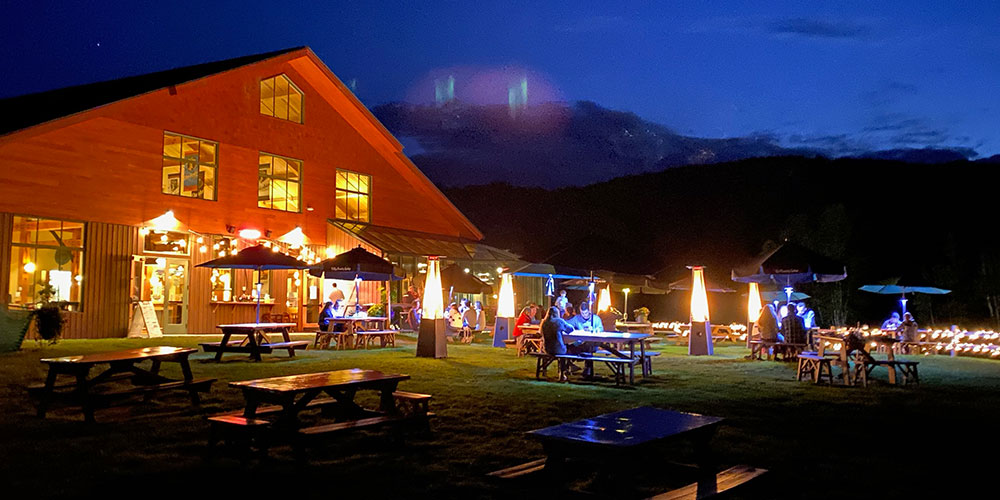
Emily Provost, the brewery’s marketing manager, notes that the lodge offers a "fully immersive experience" that integrates the brewery into the resort’s broader activities. Guests can participate in guided brewery tours, snowshoeing excursions led by family members, and dining experiences at the on-site Bierhall. The menu features Austrian-inspired fare, such as schnitzel and house-made bratwurst, designed specifically to pair with the brewery’s output. In this model, the lodging is not an ancillary service; it is the foundation of a holistic cultural experience that emphasizes history, nature, and European craftsmanship.
Innovation in the Finger Lakes The Lodging-First Approach
In the Finger Lakes region of New York, Grist Iron Brewing took an unconventional path to the brewery-stay model. While most breweries add lodging as an afterthought, the owners of Grist Iron selected their site specifically because it already contained guest rooms. The Lodge at Grist Iron Brewing in Watkins Glen has since become a cornerstone of the region’s tourism, offering a "rustic-modern" aesthetic that complements the surrounding landscape.
The integration of the beer experience at Grist Iron is notably granular. Beyond the complimentary pint upon arrival and the mini-fridges stocked with Grist Iron cans, the brewery has introduced design elements specifically for the beer lover. This includes "shower beer" ledges in every bathroom—a cheeky but effective branding touch that has become a signature of the guest experience.
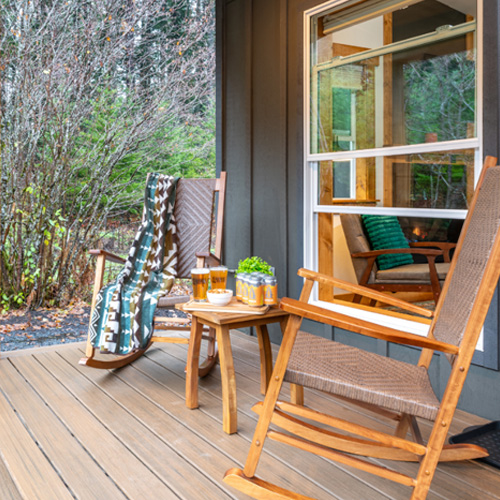
The property has recently expanded to include "Beer Mountain," a multi-use area featuring a disc golf course and a dog park with an on-site "Woof Top" bar. Emily Knowlden, the brewery’s social media and marketing coordinator, observes that these additions encourage guests to "linger longer" and "engage deeply" with the staff. This model highlights a growing trend in the industry: the transformation of breweries into "all-day" destinations where recreation, dining, and sleep are all contained within a single brand ecosystem.
Adaptive Reuse and Regional Diversity
The trend of brewery-led lodging is not confined to rural settings. In the Pacific Northwest, McMenamins has become a leader in "adaptive reuse," a process of converting historic, often dilapidated structures into vibrant community hubs. By transforming former schools, churches, and poor farms into hotel-brewery hybrids, McMenamins has preserved regional history while creating a profitable hospitality niche. Their properties are known for eclectic art, secret bars, and a sense of discovery that traditional hotels rarely offer.
Similarly, in Fargo, North Dakota, Drekker Brewing’s "Brewhalla Crash Pad" represents a hyper-branded approach to lodging. Each room is themed after a specific beer, utilizing murals and industrial design to mirror the brewery’s vibrant, often psychedelic label art. This approach targets a younger demographic of travelers who prioritize "Instagrammable" and unique stays over standardized luxury.
In Wisconsin, the Commerce Street Brewery Hotel in Mineral Point offers a more intimate, European-style experience. By placing five guest rooms directly above a historic brewpub, the owners have created a model that mimics the traditional "inn" culture of Britain and Germany, focusing on small-town charm and high-quality, sessionable lagers like the Mineral Point Pilsner.
Economic and Cultural Implications
The rise of brewery-owned lodging has broader implications for both the craft beer industry and the hospitality sector.
- Economic Revitalization: Many of these breweries are located in rural or post-industrial areas where tourism is a vital economic driver. By creating high-quality lodging, breweries help attract high-spending tourists who might otherwise stay in larger urban centers.
- Diversification of Revenue: As retail shelf space becomes more competitive and wholesale margins shrink, the high-margin revenue from lodging and direct taproom sales provides a critical financial cushion for independent brewers.
- The Experience Economy: Modern consumers—particularly Millennials and Gen Z—consistently report a preference for spending on experiences rather than material goods. A "beercation" fits perfectly into this consumer trend, offering a curated, multi-sensory experience.
- Brand Loyalty: The emotional connection formed during an overnight stay is significantly stronger than that formed during a casual visit to a liquor store. This "halo effect" can drive long-term sales of a brewery’s products even after the guest has returned home.
Conclusion
The evolution of breweries into full-scale hospitality destinations reflects a sophisticated understanding of modern consumer behavior. By integrating lodging into their business models, American craft brewers are doing more than just selling beer; they are selling time, memory, and a sense of place. As this trend continues to grow, it is likely that the "beercation" will move from a niche travel category to a mainstream staple of the American tourism industry, further solidifying the role of the independent brewery as a cultural and economic anchor in its community. Whether through the preservation of historic landmarks or the creation of luxury outdoor retreats, the fusion of brewing and hospitality is reshaping the landscape of American travel.