admin
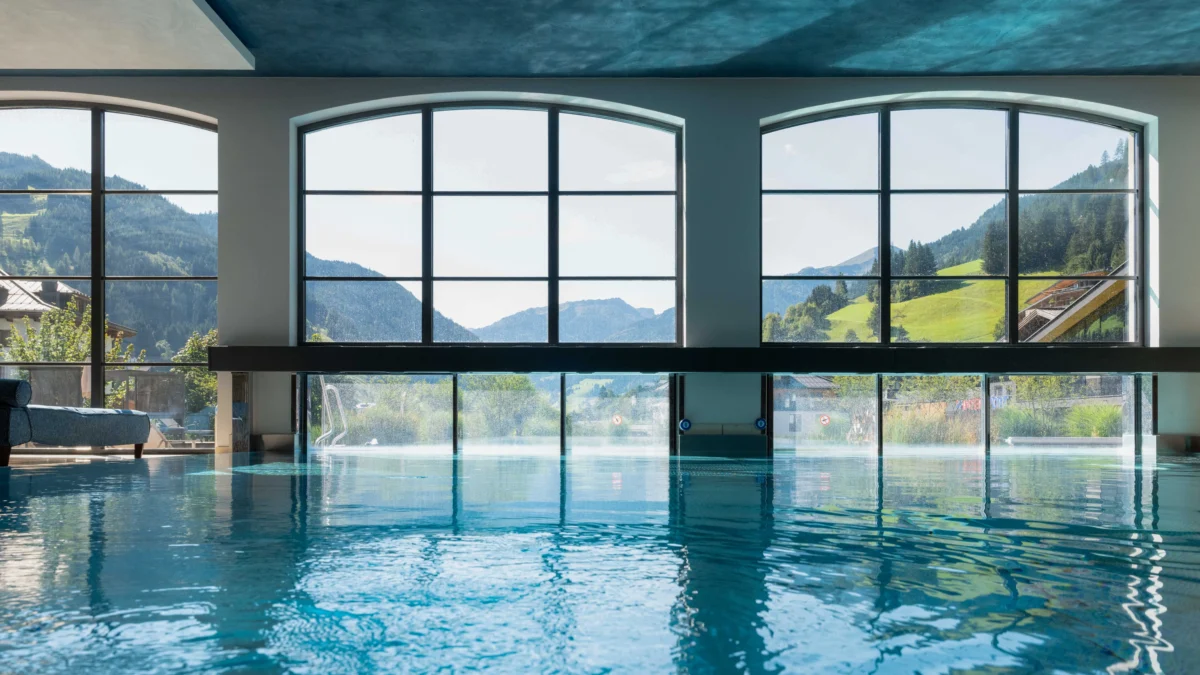
When the general rule of thumb at Hotel Nesslerhof, an alpine wellness resort nestled in Austria’s Grossarl Valley, was explained as "it’s weird if you’re not naked," the initial bewilderment quickly gave way to curiosity. This directive, far from being a mere suggestion for comfort, points towards a deeper cultural and philosophical concept deeply embedded in Austrian life: Lebensgefühl. This German term, loosely translating to "feeling of life" or "state of being," transcends a simple physical state; it signifies a profound mind-body awareness and a lifestyle philosophy that is both elusive and deeply cherished.
Austria, a nation often celebrated for its majestic landscapes and rich cultural heritage, has embraced Lebensgefühl as a cornerstone of its identity. This concept finds its roots in the 19th-century intellectual movement of Lebensphilosophie, or "philosophy of life," championed by thinkers such as Friedrich Nietzsche, Georg Simmel, and Wilhelm Dilthey. This philosophical framework posits that life is best understood from an internal, subjective perspective, rather than through rigid external doctrines like logic or science. It champions life as a joyful, vibrant, and embodied experience, a sentiment that has found fertile ground in Austria’s cultural landscape.

The Essence of Lebensgefühl: Beyond Translation
The true meaning of Lebensgefühl is a testament to the limitations of language. It is not merely a feeling, but a holistic awareness that encompasses physicality, emotion, lifestyle, and philosophy. It is the pure pleasure of existence, the art of simply being. This experiential quality is what drew the author to seek a firsthand understanding of this concept. A journey to Munich, followed by a two-hour train ride to Hotel Nesslerhof, marked the beginning of this exploration into what it truly means to embody Lebensgefühl.
The Austrian National Tourist Board has strategically utilized Lebensgefühl in its marketing, recognizing its appeal to those seeking authentic experiences. While the concept is a powerful promotional tool, its essence is tangible and cultivable, though undeniably amplified by the breathtaking backdrop of the Austrian Alps. The ability to achieve this state of mindful presence requires an analog attention span, a complete immersion in the present moment, a stark contrast to the fragmented focus often dictated by digital distractions.
Hotel Nesslerhof: A Sanctuary for Natural Happiness
Hotel Nesslerhof, self-proclaimed as the "natural happiness hotel," provides the ideal environment for cultivating this analog existence. The resort, set amidst the verdant expanse of the Grossarl Valley, is a testament to traditional Austrian architecture, characterized by sun-warmed, blonde oak structures that blend seamlessly with the natural surroundings. Upon arrival, the author, feeling burned out and digitally saturated, found the transition to a place where nothing was expected and immersion in nature was paramount to be both jarring and profoundly restorative. This experience highlighted a societal conditioning towards constant consumption, desire, and projection, rather than the simple, yet powerful, act of being.

The journey to understanding Lebensgefühl began with carving out dedicated time and space, a deliberate shedding of preconceived notions about what presence should entail. This led to an unexpected, yet transformative, communal experience: finding oneself naked among forty strangers, all seemingly embarking on a similar quest for deeper self-awareness.
Embracing the Sauna Culture: A Path to Presence
The hotel’s expansive wellness area, a central feature of the Lebensgefühl experience, boasts five co-ed, clothing-optional saunas, a salt steam bath, infrared loungers, and natural swimming pools. Within this environment, the call of nature dictates a return to natural circadian rhythms, freeing individuals from externally imposed schedules and digital overlords. The emphasis is on self-awareness, attuning to one’s environment and internal state.
The author’s participation in a themed sauna "infusion" marked a pivotal moment. These sessions, led by a "sauna master" who utilizes regional botanicals like thyme, sage, Swiss stone pine, and eucalyptus, are designed to be immersive sensory experiences. The initial apprehension, amplified by the cultural norm of clothing-optional saunas in Austria, was palpable. However, a conscious decision to shed the towel and join the group, despite initial panic and the unconventional act of sitting on the floor (which, it was later revealed, is not the norm), became a catalyst for profound self-realization.

The sauna master, a figure akin to a spiritual guide for the ritual of sweating, orchestrated the experience with dramatic flair. The "rainbow ice acrobatics," involving the manipulation of large, colorful ice chunks and their subsequent placement on hot stones, created a dramatic interplay of heat, steam, and aromatic botanicals. Amidst this intense sensory environment, a natural body scrub was distributed. The author’s initial discomfort gradually dissolved as an awareness of the palpable self-assurance emanating from the other participants became apparent. Laughter, heartfelt conversations, and an undeniable sense of shared enjoyment created an atmosphere of inclusivity, even for the sole English speaker. This collective ease, devoid of judgment, demystified the experience and fostered a genuine sense of being present and alive. The unexpected encounter with a friend through the glass door, his silent plea for help met with the author’s newfound immersion in the sauna’s embrace, cemented the shift in perspective: the perceived oddity was merely a construct of personal perception.
Over the subsequent three days, this introspective journey continued, punctuated by alternating between stone pine saunas and invigorating plunges into mountain ponds. Floating amidst lily pads and dragonflies, gazing at the majestic Austrian Alps, a profound sense of humility and perspective emerged. The author recognized that societal perceptions, both internal and external, often carry an exaggerated weight. The body, the vessel that enables all life experiences, became a focal point of awareness, from fingertips to toes. This heightened self-awareness, a direct manifestation of Lebensgefühl, was further solidified by an invitation from Austrian regulars for a post-sauna beer, humorously labeled "for the electrolytes." A fleeting, self-conscious glance in a sauna door reflection was met not with shame, but with amusement and gratitude.
Culinary Journeys: Nourishing the Soul and Body
At Hotel Nesslerhof, food transcends mere sustenance; it is an offering, a ritual, a pathway to connection. The act of eating is reframed as a slow, meditative practice, an experience to be savored rather than a mere function. The dining environment itself communicates a message of presence and care.

The traditional Austrian Vorspeisensuppe, a first-course soup served before most meals, acts as a ceremonial anchor of hospitality and a grounding ritual. For the author, this daily soup, prepared with fresh ginger, carrot, and seasonal herbs sourced from the Grossarl Valley, served as an immediate cue to enter a state of Lebensgefühl. This consistent practice, from breakfast to dinner, facilitated a mindful approach to eating, an antidote to the hurried pace of modern life.
The hotel’s dining experience is characterized by intentionality and a deep connection to regional produce. The daily breakfast and lunch menus offer fresh, regional dishes, eliminating indecision and encouraging a focused appreciation of the offerings. Evenings at Atelier N, the hotel’s dedicated dining space, evoke the warmth of an Austrian grandmother’s kitchen, featuring classic dishes prepared with locally sourced ingredients. The commitment to a "nose-to-tail" philosophy and the absence of pretentious trends underscore the hotel’s dedication to authentic culinary practices.
The personal connection to the food is palpable, with staff members known by their first names, highlighting a familial approach to hospitality. Toni, the baker, provides fresh bread daily, while Elisabeth crafts dairy products with care. Anni and Sepp’s bees produce exceptional honey, a testament to the valley’s pristine environment. The direct sourcing of local fish and game from the Hohe Tauern National Park solidifies the "alp-to-table" dining experience, reinforcing the hotel’s commitment to sustainability and quality. This approach to food directly contributes to the overall Lebensgefühl, fostering a sense of gratitude and connection to the earth.

The Heart of Hospitality: Human Connection and Legacy
The warmth and genuine hospitality of Hotel Nesslerhof’s staff serve as the final, crucial element in the cultivation of Lebensgefühl. In a world often characterized by disconnection, the human connection fostered at Nesslerhof acts as an intermediary, guiding guests towards their values and facilitating a re-alignment of their worldview.
Tina Neudegger, one of the hotel’s owners, embodies this spirit of hospitality. Having built the property with her husband, Hermann, over forty years ago, she represents a deep-seated family tradition and expertise. Tina’s nurturing presence creates an environment of security and trust, allowing guests to relinquish their defenses and feel completely cared for. This maternal, comforting awareness extends to her family, who treat the hotel as their home, a sentiment that permeates the entire establishment.
A hike through the Hohe Tauern National Park with Tina provided a unique opportunity to witness this connection firsthand. As they navigated an alpine cliffside, sharing stories and sampling wild berries, Tina’s philosophy of life—"Life’s simple. You can do anything once, right? So do it"—resonated deeply. This simple yet profound motto dissolves the perceived gravity of life’s challenges, fostering a lighter, more present outlook. The earthy scent of cows, a reminder of the natural world, further grounded the experience.

The culmination of this alpine immersion was a journey to Wolke7, the family’s ski lodge, accessible via the Kieserlbahn cable car. The winding, steep road up the mountain, while initially daunting, was navigated with ease due to Tina’s confidence and the established nature of the path. At the summit, a gathering of Tina’s eclectic friends, individuals who uphold the alpine town’s legacy, offered a profound sense of community. Sharing homemade Kaiserschmarrn and a Radler while witnessing the solar eclipse was a moment of sublime awe. The two-minute totality of the eclipse, experienced amidst vibrant, magnanimous individuals, felt endless, expanding the author’s sense of wonder and connection.
The Enduring Echo of Lebensgefühl
The overarching realization at the peak of the Grossarl Valley, overlooking Tina’s domain, was the profound simplicity of Lebensgefühl—one’s personal Lebensphilosophie. The fundamental question becomes: "What made you feel alive today?" The answer lies in creating an environment that fosters these moments, pausing to marvel at the world, and continuing forward with renewed purpose. Hotel Nesslerhof, with its embrace of nature, its focus on mindfulness, its authentic culinary offerings, and its deeply rooted hospitality, provides a sanctuary where this profound feeling of life can be not only understood but truly experienced. It is a testament to the enduring power of slowing down, connecting with oneself and others, and finding happiness in the simple, yet profound, act of being.