admin
admin
Nestled within the sun-drenched expanse of Provence, the Luberon massif stands as a captivating yet often understated treasure, a region of profound natural beauty, rich history, and vibrant cultural life. Rising majestically to over 1,200 meters from the surrounding lowlands, this immense geological formation, dramatically bisected by the Aiguebrun river, offers a mosaic of landscapes that have long inspired artists, writers, and film directors. It is a land where ancient traditions coexist with a dynamic contemporary spirit, inviting visitors to delve deeper than the more widely publicized Provençal destinations.
Geographical and Historical Foundations
The Luberon’s distinct character is deeply rooted in its geography and a history that stretches back millennia. As a significant part of the Prealps, the massif’s rugged limestone cliffs, sculpted by natural forces over eons, form a dramatic backdrop to verdant valleys and fertile plains. This diverse topography contributes to a microclimate that sets the Luberon apart, characterized by cooler temperatures and more pronounced diurnal shifts than its immediate Provençal and Rhône Valley neighbors. This climatic specificity is crucial to its agricultural output, particularly its acclaimed wines.
Human habitation in the Luberon dates back to prehistoric times, with evidence of early settlements dotting the landscape. The Romans left an indelible mark, introducing viticulture and establishing infrastructure that laid the groundwork for future communities. During the medieval period, hilltop villages emerged as strategic defensive strongholds, their stone structures clinging precariously to the ridges, designed to offer protection and panoramic views. These villages, many of which remain remarkably preserved, tell tales of feudal lords, religious orders, and the ebb and flow of regional power. The region’s connection to the papacy is particularly notable, with Avignon, the seat of the popes in the 14th century, being a significant regional power that influenced the Luberon’s development, as evidenced by properties like the Château de Mille. In more recent history, the Luberon gained international recognition through the writings of Peter Mayle, whose seminal work, A Year in Provence, published in 1989, vividly captured the essence of Provençal life from his home in Lourmarin, attracting a new wave of appreciative visitors. Today, much of the Luberon is protected as the Parc Naturel Régional du Luberon, a testament to its ecological significance and a commitment to preserving its unique heritage for future generations. Established in 1977, the park encompasses 77 communes and covers over 185,000 hectares, actively promoting sustainable tourism, local agriculture, and environmental conservation.
The Tapestry of Terroir: Luberon’s Distinctive Wines
Viticulture in the Luberon is not merely an industry; it is a heritage, a practice perfected since Roman legions first planted vines in its fertile soils. Today, approximately 3,500 hectares of vineyards flourish on both sides of the Luberon massif, at altitudes ranging from 200 to 450 meters. This elevation, coupled with the aforementioned cooler climate and significant temperature variations between day and night, imparts a remarkable freshness and aromatic complexity to the region’s wines, distinguishing them from the warmer, often more robust offerings of the adjacent Côtes d’Aix-en-Provence and Rhône Valley appellations. The region proudly holds the AOP Luberon designation, guaranteeing the origin and quality of its wines, which primarily include crisp rosés, vibrant whites, and elegant reds.
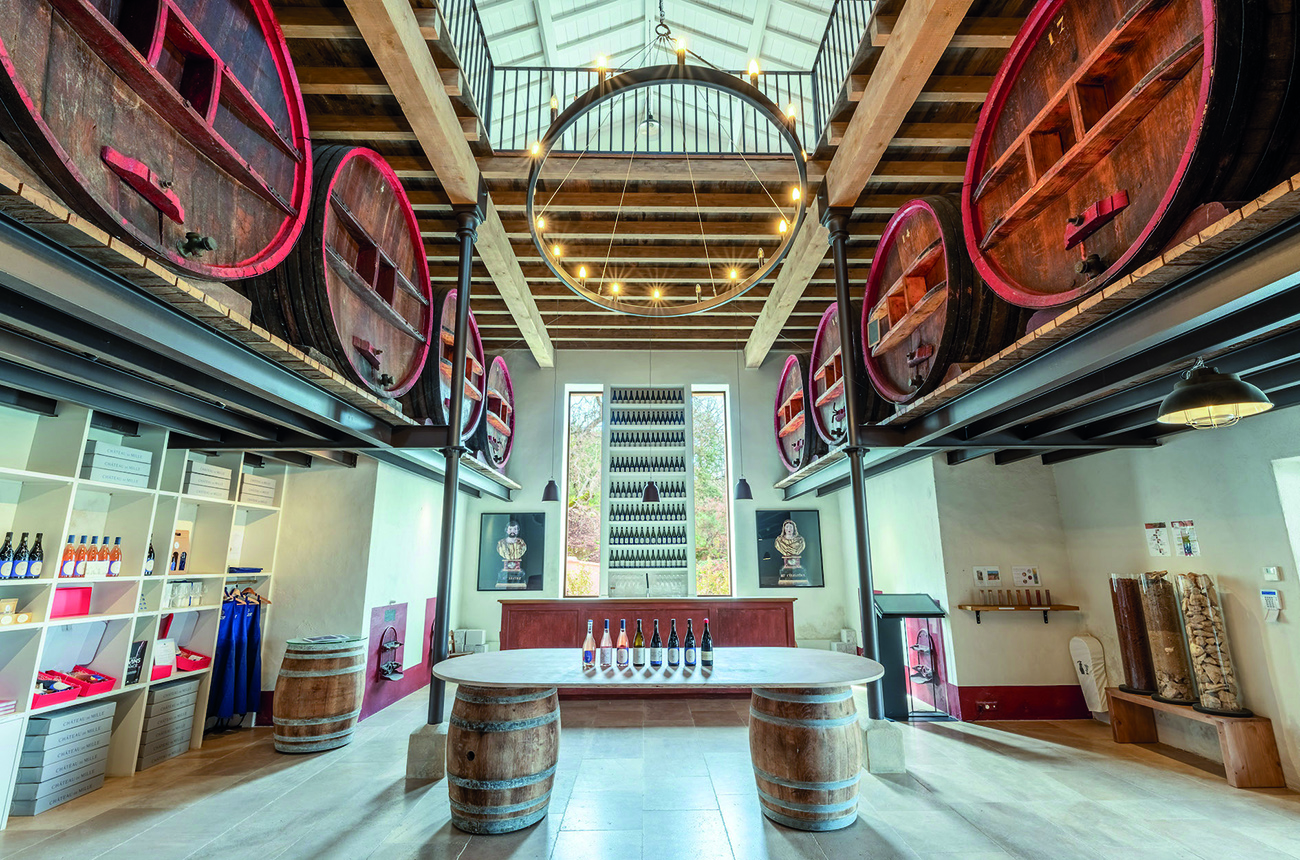
A visit to the Luberon would be incomplete without exploring its numerous wineries. Among the most intriguing is Mas des Infermières, owned by acclaimed film director Sir Ridley Scott. This purpose-built winery in Oppède-le-Vieux offers more than just wine tasting; its shop features a permanent exhibition of props and memorabilia from Scott’s iconic films, including space suits from Alien, Prometheus, and The Martian, creating a unique fusion of cinema and viticulture. For a journey into history, Château de Mille in Apt, dating back to the 13th century, stands as the region’s oldest winery, once serving as a summer residence for popes. Its cellars and grounds offer a tangible link to centuries of winemaking tradition. Another vineyard with a cinematic connection is Château la Canorgue in Bonnieux, which served as a primary filming location for Ridley Scott’s 2006 film A Good Year, inspired by Peter Mayle’s novel. The estate embodies the idyllic Provençal setting depicted in the movie.
Further enriching the wine experience are Domaine de la Citadelle near Ménerbes, home to an extraordinary corkscrew museum boasting over 1,200 devices, some dating back to the 1600s, showcasing the evolution of this humble yet essential tool. In Lourmarin, Châteaux Fontvert and Constantin exemplify the region’s commitment to quality, often featuring organic and biodynamic practices. Beyond individual estates, the Luberon also benefits from well-established cooperative wineries, which aggregate and showcase the output of numerous local vignerons. Cave de Sylla in Apt and Cave de Bonnieux in Bonnieux, both over a century old, offer comprehensive selections of hundreds of local wines, providing an excellent overview of the region’s diverse production and allowing visitors to sample a wide array of styles in one convenient location. The collective efforts of these cooperatives and independent wineries contribute significantly to the local economy, supporting hundreds of families and preserving the agricultural landscape.
Journey Through Time: The Luberon’s Enchanting Villages
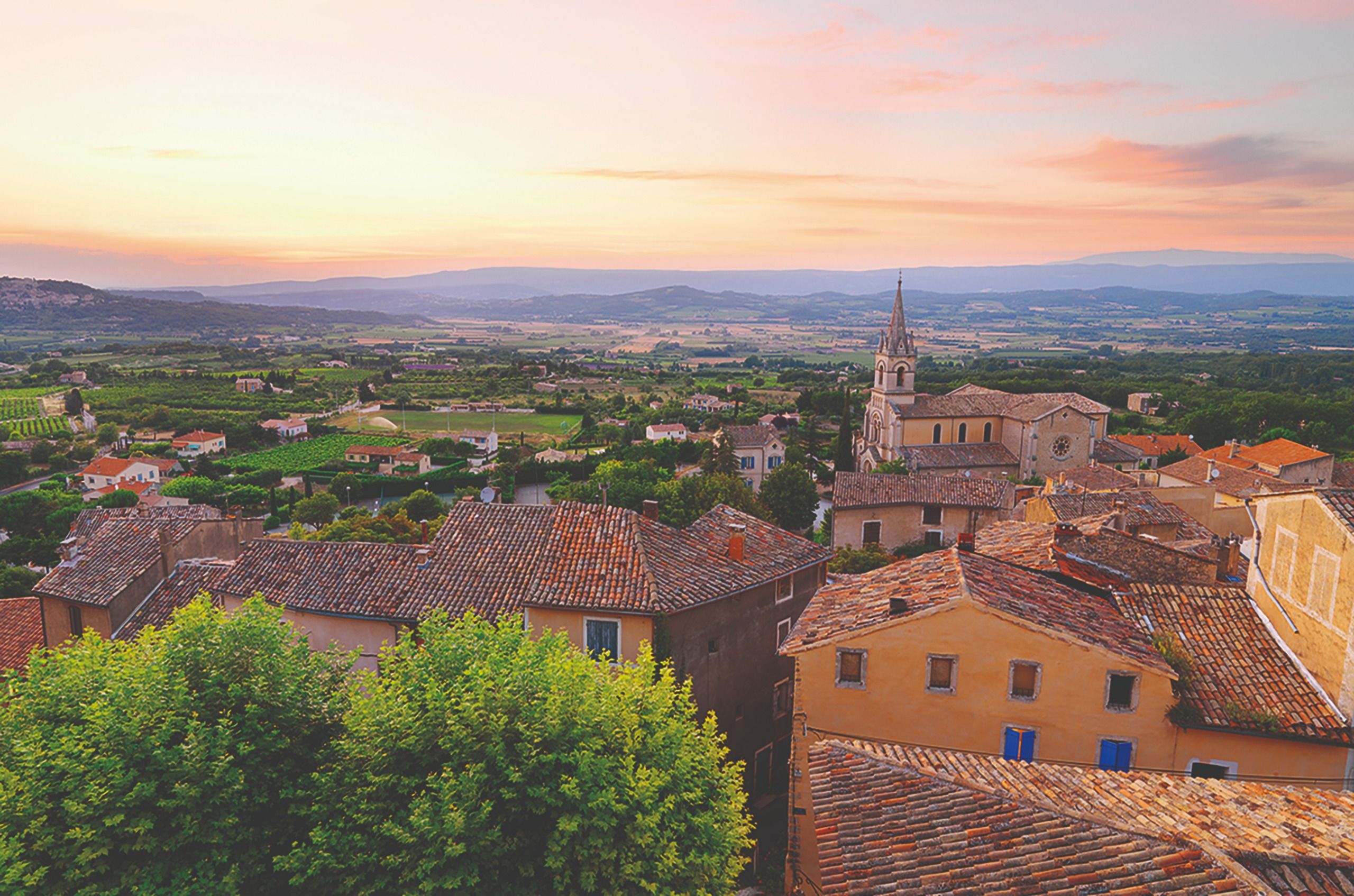
The Luberon is synonymous with its picture-perfect villages, many of which are perched precariously on hilltops, offering breathtaking views and a palpable sense of history. Five of these villages – Ansouis, Gordes, Lourmarin, Ménerbes, and Roussillon – have earned the prestigious designation of "Les Plus Beaux Villages de France" (The Prettiest Villages of France), a national label recognizing exceptional beauty and architectural preservation. While these "famous five" certainly merit a visit, their popularity naturally attracts a significant number of tourists. To experience the authentic, tranquil charm of the Luberon, venturing beyond these well-trodden paths is highly recommended.
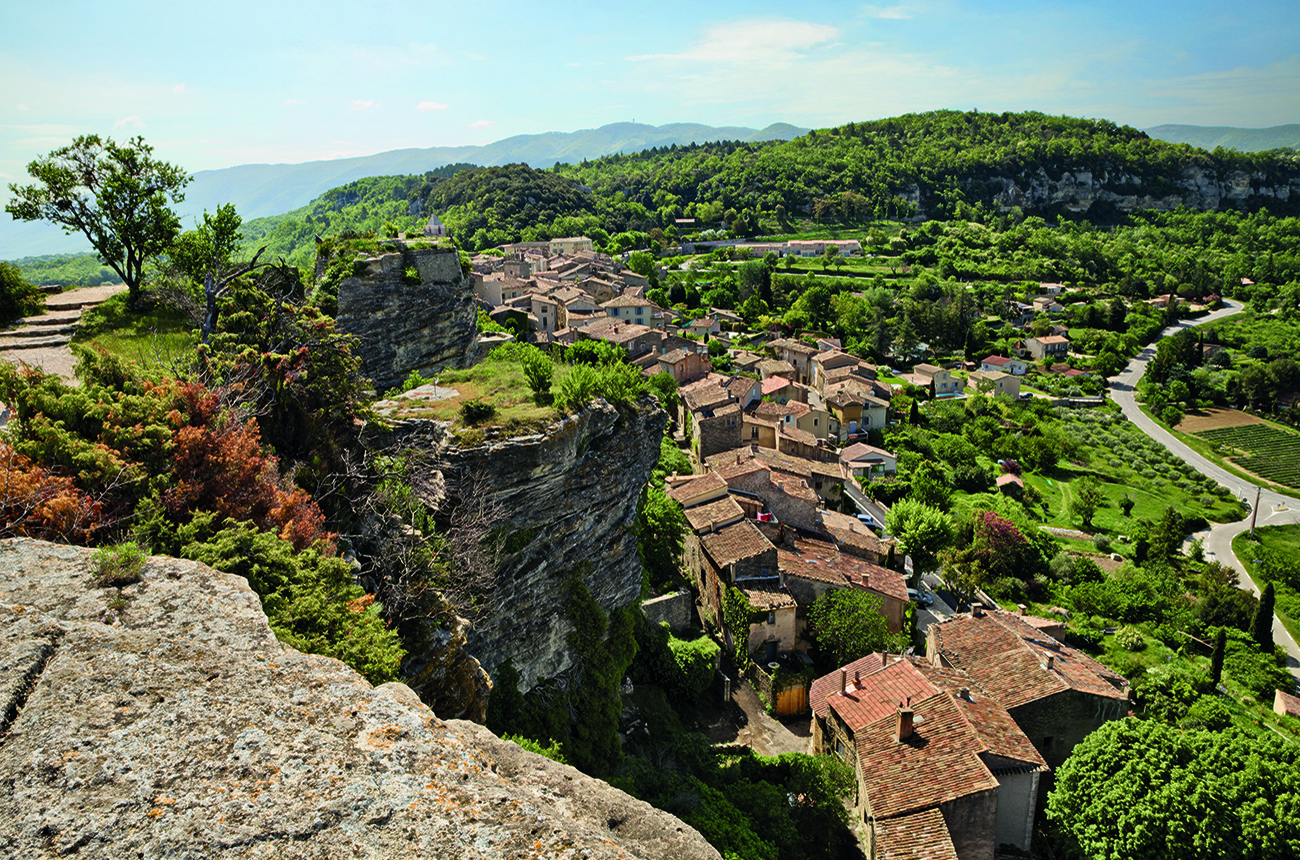
Consider a visit to Goult, a less-known but equally captivating village where time seems to slow. It is home to the beautifully restored Moulin de Jérusalem, a 1750 windmill situated at the village’s peak, offering stunning panoramic views that stretch across the valley. Another gem is the remarkably well-preserved Lacoste, a village steeped in history, once the residence of the infamous Marquis de Sade, whose imposing castle was meticulously restored by the late fashion designer Pierre Cardin in the early 2000s and now hosts cultural events. For unparalleled vistas, Saignon is an excellent choice. Originally established as a lookout post for the town of Apt, its strategic position provides a peerless vantage point down the Luberon valley to the west, extending as far as the Rhône valley on a clear day. For enthusiasts of architectural detail, St-Saturnin-lès-Apt offers a unique appeal, particularly its central Rue de la Republique, where three doorways are so historically significant they have been officially listed as national monuments. These intricate portals provide a glimpse into centuries of craftsmanship and daily life.
For a truly distinct historical experience, the Village des Bories, located just a few minutes from Gordes, is an open-air museum unlike any other. It comprises some 20 perfectly preserved dry stone huts, known as bories, which represent an ancient form of rural architecture, dating back to the 17th and 18th centuries, built without mortar and used as temporary shelters or storage by farmers. These structures offer a fascinating insight into the ingenuity and resourcefulness of past generations and their harmonious relationship with the natural environment. The collective efforts of local communities and the Regional Nature Park are critical in maintaining the authenticity and structural integrity of these historical sites, ensuring they remain vibrant living museums rather than mere relics.
A Symphony of Senses: The Vibrant Markets of Luberon
The heart of Provençal life often beats strongest in its bustling village markets, and the Luberon is no exception. These vibrant weekly gatherings are more than just places to shop; they are social hubs where traders from across the region converge to sell their wares, and locals and visitors alike immerse themselves in a sensory feast. Regardless of the day of the week, one is almost guaranteed to find a market taking place somewhere within the Luberon, offering a rhythmic pulse to village life.
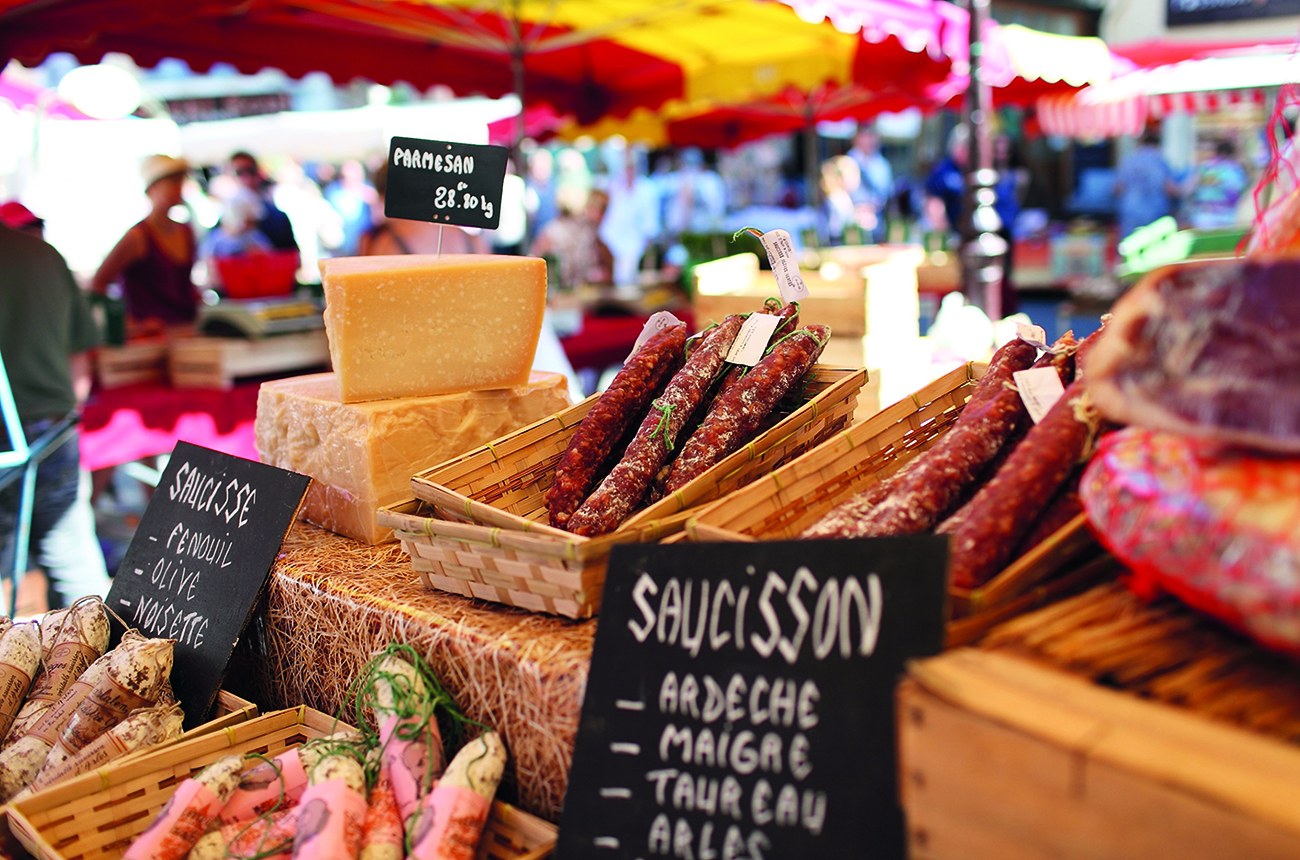
The largest and arguably most historic market is held every Saturday morning in Apt. With a lineage stretching back nine centuries and hosting up to 300 stalls, it is a magnificent spectacle, drawing crowds from far and wide. Here, one can find everything from fresh produce, regional cheeses, cured meats, and fragrant herbs to textiles, ceramics, and artisanal crafts. The markets in Lourmarin, Gordes, and Roussillon are also immensely popular, each offering its unique charm and a diverse array of goods. For a more relaxed and authentic experience, the market in Cucuron, held under the dappled shade of towering plane trees, provides a quintessential Provençal ambiance, perfect for leisurely browsing.
While most markets offer a general mix of food, flowers, homewares, and clothing, some distinguish themselves with specific focuses. Coustellet’s market is a dedicated marché paysan, or farmers’ market, where vendors are strictly limited to selling only what they grow or produce themselves. This ensures unparalleled freshness and a direct connection between consumer and producer, fostering a strong sense of local community and sustainable agriculture. Perhaps the most unique market experience can be found in L’Isle-sur-la-Sorgue, famously known as the "Venice of Provence" due to its picturesque network of canals and waterways. Its Sunday market is renowned for its vast array of antiques and its extraordinary annual floating market. On the first Sunday of August, traders in traditional flat-bottomed boats, known as négos-chins, adorned with fresh flowers, gracefully navigate the Sorgue river, serving customers from the banks. As the day draws to a close, these boats line up on the river, and the traders collectively sing the "Coupo Santo," the official regional anthem of Provence, in a poignant and beautiful tribute to their heritage. These markets are not just commercial ventures; they are living traditions, vital to the cultural and economic fabric of the Luberon.
The Earth’s Palette: The Ochre Landscapes
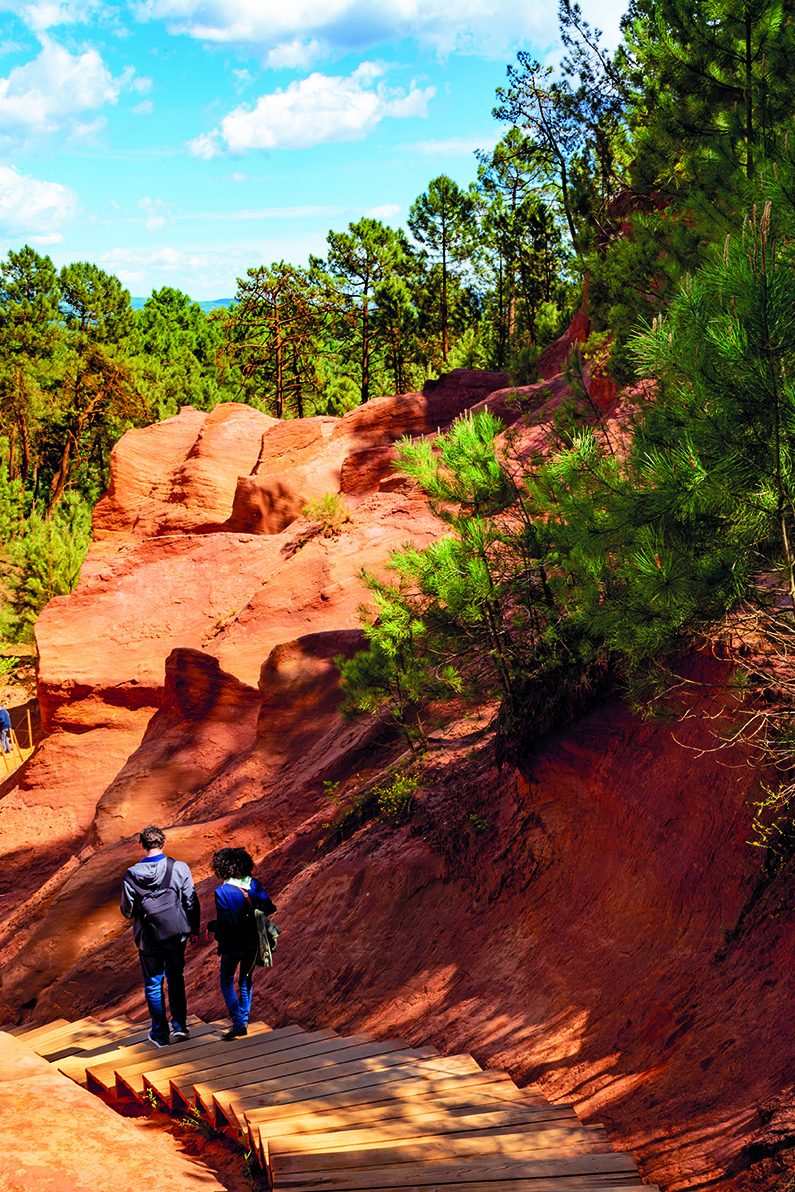
One of the Luberon’s most spectacular geological marvels is the world’s largest ochre deposit, a vast expanse stretching approximately 25 kilometers from west to east between the villages of Goult and Gignac. This natural pigment, a remarkable blend of sand and clay naturally imbued with iron oxides, manifests in an astonishing array of hues, from vibrant yellows and oranges to deep reds and purples. The history of ochre mining in the region dates back to the late 18th century, transforming the landscape and providing a livelihood for generations. Over time, the combined forces of water, wind, and human extraction have sculpted these deposits into a captivating series of formations, including towering technicolor pillars and deep, winding canyons that evoke a sense of otherworldly beauty.
There are several distinct ways to experience this vibrant geological wonder. The Sentier des Ocres offers a pair of easily accessible loop trails that commence from the village of Roussillon. Here, the ochre’s influence extends beyond the landscape, coloring the facades of many of the village’s houses in harmonious shades of red and orange, making Roussillon itself an integral part of the ochre experience. Further east, near Rustrel, lies the Colorado Provençal, an expansive former open-cast mine that offers a more rugged and dramatic exploration. Its vastness and intricate formations invite longer hikes and provide stunning photographic opportunities. For a truly unique perspective, the Bruoux Mines in Gargas offer guided tours through more than 40 kilometers of hand-carved, cathedral-like underground galleries. These impressive subterranean spaces reveal the scale of historical mining operations and the sheer human effort involved in extracting the precious pigment.
To delve deeper into the history and science of ochre, Okhra in Roussillon serves as an excellent resource. Housed in a former ochre factory, this museum and interpretive center provides fascinating insights into the geological formation of ochre, the techniques used for its extraction and processing, and its wide-ranging applications throughout history, from pigments in art to industrial uses. The preservation and presentation of these ochre sites are crucial for understanding the Luberon’s industrial heritage and its unique natural history, attracting an estimated 500,000 visitors annually, who contribute significantly to local tourism.
Gastronomic Delights: The Art of the Long Lunch
The Luberon’s culinary landscape is as rich and varied as its scenery, offering a plethora of excellent dining options that cater to every taste and occasion. From charmingly rustic cafes serving simple, authentic Provençal fare to sophisticated Michelin-starred gastronomic temples, the region celebrates its abundant local produce and culinary traditions. To truly absorb the Luberon’s relaxed and luxurious vibe, indulging in a long, leisurely lunch on a sun-drenched terrace, preferably with a captivating view, is an essential experience.
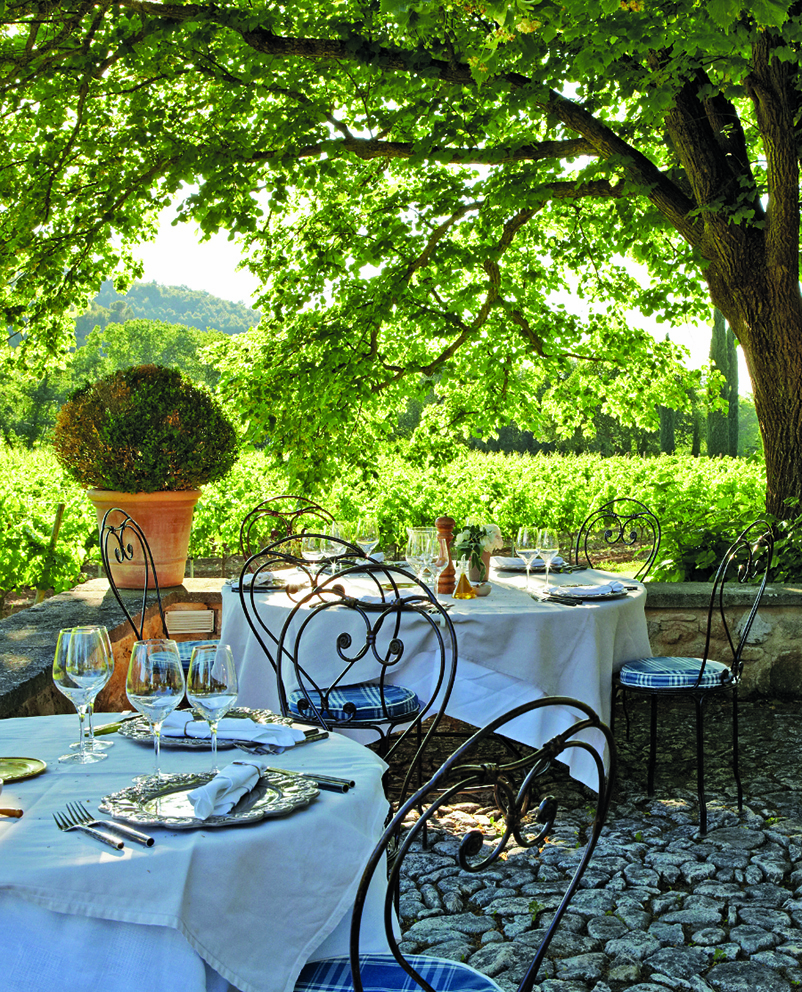
The terrace at Café de France (+33 [0]4 90 75 82 25) in Lacoste offers a truly remarkable vantage point, overlooking the picturesque village of Bonnieux perched on the opposite hillside, creating an idyllic setting for a midday meal. Conversely, from the Michelin one-star La Bastide de Capelongue in Bonnieux, diners can enjoy an equally stunning view looking back towards Lacoste. These establishments exemplify the region’s commitment to combining exquisite cuisine with breathtaking surroundings. For those seeking tranquility amidst natural beauty, La Bastide de Marie in Ménerbes provides an unparalleled experience, with tranquil dining on a terrace nestled within beautiful gardens and vineyards, offering serene views of the surrounding landscape.
If the focus shifts from expansive views to intimate village charm, Insitio in the delightful village of Vaugines presents an excellent alternative. Vaugines holds a special place in the hearts of Peter Mayle’s admirers, as it was where the celebrated author spent his final years. Insitio boasts a charming terrace situated in the main square, beside a pretty "living" fountain, providing a convivial atmosphere. Finally, Le Fournil (@lefournilbonnieux) in Bonnieux offers a unique dining experience. Set within a former bakery carved into a natural cave in the hillside, it also features an intimate outdoor terrace on the shaded Place Carnot, combining historical ambiance with al fresco dining. The emphasis across these establishments is on fresh, seasonal, and locally sourced ingredients, often incorporating olive oil, truffles, and a bounty of Mediterranean vegetables and herbs, reflecting the authentic flavors of Provence. Local restaurateurs and chefs pride themselves on upholding these traditions while innovating, contributing significantly to the Luberon’s reputation as a culinary destination.
Lavender Fields Forever: A Purple Haze of Tradition
The Luberon has long been a historical center for lavender cultivation, and each year, from mid-June to mid-July, the region undergoes a spectacular transformation as vast fields burst into a vibrant purple, filling the air with their intoxicating fragrance. This annual harvest period is a peak time for visitors, eager to witness the iconic Provençal landscape immortalized in countless photographs and artworks.
One of the most picturesque and iconic sites to experience this phenomenon is the 12th-century Notre-Dame de Sénanque Abbey. This Cistercian abbey, still inhabited by a community of monks, is set in a secluded valley near Gordes, its ancient stone architecture providing a stunning contrast to the vibrant lavender fields that stretch before it. The lavender grown by the monks is harvested by a local distiller, who transforms it into essential oils and a range of handmade products, which are then sold at the abbey’s shop, directly supporting the monastic community and its preservation efforts. For those seeking a more immersive experience, the Claparèdes plateau, situated between Bonnieux and Saignon, offers an 8-kilometer loop trail that weaves among expansive landscapes where rows of lavender stretch as far as the eye can see, creating a truly immersive and fragrant journey.
Beyond the aesthetic appeal, lavender cultivation remains an important agricultural industry in the Luberon. Many of the region’s lavender farms warmly welcome visitors, offering insights into the cultivation process. The distilleries that transform the fragrant flowers into precious lavender oil are also popular attractions. The Aroma’Plantes distillery in Sault, for instance, offers informative tours and hands-on workshops, allowing visitors to understand the distillation process from field to bottle. Its extensive shop features more than 600 farm products, ranging from essential oils and cosmetics to culinary lavender and honey. To fully appreciate the rich history and cultural significance of lavender, the Lavender Museum in Coustellet houses an impressive collection of copper stills, some dating back to the 16th century, illustrating the evolution of lavender oil production over centuries. The museum highlights the economic and medicinal importance of lavender throughout history, underscoring its enduring legacy in the Luberon.
Conclusion: Preserving a Provençal Treasure
The Luberon, with its majestic landscapes, ancient villages, vibrant markets, rich viticultural heritage, unique ochre formations, exquisite gastronomy, and iconic lavender fields, truly embodies the essence of Provence. It is a region that rewards exploration, offering a depth of experience that transcends superficial tourism. Its designation as a Regional Nature Park underscores a collective commitment to preserving its natural environment, cultural heritage, and traditional way of life. The balance between welcoming visitors and safeguarding its authenticity is a constant endeavor, with local authorities and communities actively promoting sustainable tourism practices. From the cool, crisp wines born of its unique climate to the echoes of history in its dry stone bories and the intoxicating scent of its lavender, the Luberon continues to captivate and inspire, remaining a cherished, albeit increasingly discovered, gem in the heart of southern France. Its enduring appeal lies in its ability to offer both profound beauty and a genuine connection to a storied past, promising an unforgettable journey for all who venture to uncover its many layers.