admin
admin
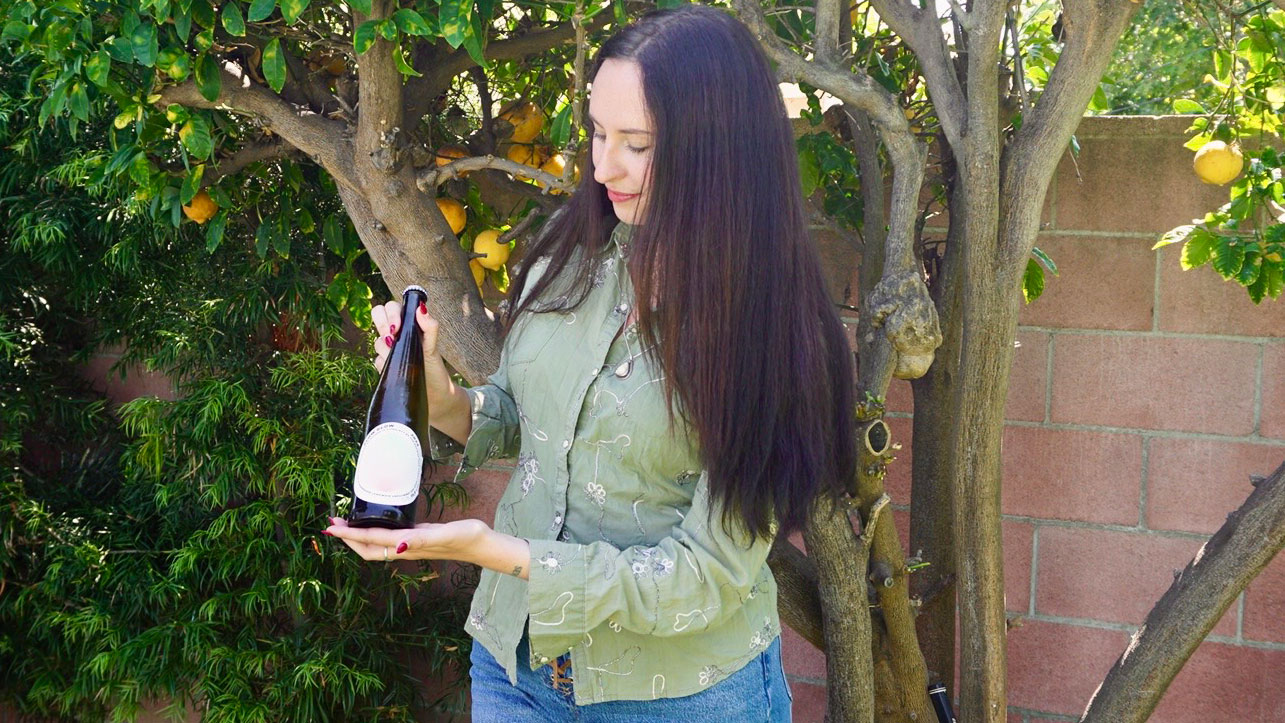
Delaney, a 26-year-old freelance publicist operating between the vibrant cultural hubs of Los Angeles, California, and Edinburgh, Scotland, is carving a niche for herself in the culinary, drinks, and travel sectors. Her professional journey into the intricate world of wine began less than two years ago, a relatively short but intensive dive that has seen her primarily collaborate with wineries and wine regions across Oregon, including her native Rogue Valley. This immersion, while rapid, has offered her a unique perspective, balancing the fresh eyes of a Gen Z consumer with the burgeoning understanding of an industry insider. She openly acknowledges the initial intimidation that often accompanies entry into such a vast and historically rich domain, recognizing that despite her professional involvement, she feels she has merely "scratched the surface" of the immense knowledge and sensory experiences awaiting discovery within viticulture and oenology.
Delaney’s experience mirrors a broader trend among younger generations who are increasingly engaging with wine but often seek different entry points than their predecessors. For many Gen Z consumers, the traditional gravitas and sometimes esoteric language surrounding wine can be a barrier. They are, however, drawn to authenticity, compelling narratives, and brands that align with their values, particularly concerning sustainability and social responsibility. This demographic, having grown up in an era of unprecedented information access and digital transparency, approaches consumption with a critical eye, often prioritizing ethical production and unique experiences over established brand recognition or conventional accolades. This shift in consumer priorities is a significant factor shaping the future landscape of the global wine industry, prompting producers and marketers alike to rethink their strategies.
The Evolving Palate of a New Generation
Delaney’s journey into wine was serendipitous, coinciding with her career pivot. Her work with Oregon wineries has given her firsthand insight into regional specificities and the dedication involved in winemaking. Oregon, particularly regions like the Rogue Valley, is known for its diverse terroir and innovative spirit, cultivating a range of varietals beyond the ubiquitous Pinot Noir. This exposure has broadened Delaney’s appreciation for lesser-known grapes and emerging trends, such as the increasing cultivation of German and Austrian white varieties in the Pacific Northwest, a response to both evolving consumer tastes and changing climatic conditions. This adaptability highlights a dynamic industry willing to experiment and innovate to meet contemporary demands, ensuring its relevance in a rapidly changing global climate and market.
The concept of wine intimidation, as articulated by Delaney, is a well-documented phenomenon. Industry reports and consumer surveys frequently point to the need for the wine sector to become more accessible and less exclusive to attract younger demographics. Gen Z, generally defined as individuals born between the mid-1990s and early 2010s, represents a significant market segment with immense long-term potential. However, they are also a generation often perceived as favoring spirits, craft beer, or non-alcoholic alternatives. Data suggests that while Gen Z may drink less frequently than previous generations, they are more discerning when they do consume alcohol, prioritizing quality, origin, and brand values. To bridge this gap, many in the wine trade are focusing on education, simplifying terminology, and promoting wines that are approachable in both style and price point, moving away from overly complex descriptions towards more relatable sensory experiences. This includes an emphasis on natural wines, lower-alcohol options, and vibrant, fruit-forward profiles.
Seeking Expertise: A Curated Selection Process
Understanding the breadth of the wine world, Delaney often turns to trusted experts for guidance when exploring new selections. This approach is not uncommon for consumers, but for a professional in the drinks space, it underscores the value of personal connections and specialized knowledge. Her recent quest for an ideal summer wine led her to Stanley’s Wet Goods, a renowned bottle shop located in Culver City, Los Angeles. This establishment is known for its curated selection and knowledgeable staff, making it a destination for those seeking unique or specific wine recommendations. Here, she consulted with Antonio, a close acquaintance who also happens to be the winemaker behind Flowers & Cheese, lending him a unique dual perspective as both a retailer attuned to market trends and a producer intimately familiar with viticultural and winemaking processes.
Delaney presented Antonio with a clear set of preferences, reflecting both her personal palate development and practical considerations for an upcoming social event. She expressed a newfound enjoyment for German and Austrian white varieties, influenced by her observations of Oregon wineries experimenting with these grapes to craft refreshing summer wines. This indicates a palate that is evolving beyond mainstream selections, appreciating the nuance and diversity offered by these specific European regions. Furthermore, her practical requirements were explicit: a bottle priced under $30 and featuring a closure other than a cork, for ease of serving at an outdoor gathering. The aversion to cork is a common preference among younger consumers and hosts, simplifying the opening process and eliminating the need for a corkscrew, aligning with a more casual, accessible wine experience. This preference also sidesteps potential issues like cork taint, offering a more reliable and user-friendly product.
Antonio, leveraging his expertise and understanding of Delaney’s evolving palate and practical needs, offered several recommendations. However, a tasting of the 2024 Glow Glow from Germany’s Nahe region quickly solidified Delaney’s decision. The name itself, "Glow Glow," is a playful nod to the French term "glou-glou," which describes a light, juicy, and eminently quaffable wine – precisely the kind of easy-drinking character Delaney sought. This immediate appeal highlights how thoughtful branding and a clear communication of wine style can resonate strongly with contemporary consumers, particularly those looking for an uncomplicated yet enjoyable experience.

Glow Glow, Weiss, Nahe, Germany 2024: A Deep Dive into a Story-Driven Wine
The chosen wine, Glow Glow, Weiss, Nahe, Germany 2024, embodies many of the qualities Delaney champions: a compelling backstory, sustainable practices, and an approachable yet distinctive profile. This particular vintage is a small-batch, experimental collection of natural wines crafted by Carl and Pauline Baumberger, a millennial brother-sister duo representing the sixth generation of the esteemed Weingut Baumberger family. Their lineage in winemaking adds a layer of heritage and deep-rooted knowledge, while their contemporary approach infuses innovation and a forward-thinking ethos. They hail from the village of Mandel within Germany’s Nahe region, an area that, as Delaney candidly admits, was previously unfamiliar to her. This admission itself speaks to the discovery aspect that younger consumers often seek – a departure from established names towards authentic, regional gems with unique stories.
The Nahe region, nestled between the more famous Mosel and Rheinhessen, is one of Germany’s 13 official wine regions. It is characterized by an extraordinary diversity of soils, including volcanic porphyry, slate, sandstone, and loess, which contribute to a wide range of microclimates and distinct wine styles. While Riesling is the dominant grape, Nahe also produces excellent Pinot Blanc (Weissburgunder), Pinot Gris (Grauburgunder), and Müller-Thurgau. The region is often celebrated for its elegant, mineral-driven wines that strike a balance between fruit intensity and refreshing acidity. The Baumberger siblings’ decision to establish Glow Glow as an experimental offshoot of their family estate reflects a growing trend among younger winemakers to explore natural wine production and unique blends, pushing the boundaries of traditional regional expressions while honoring their ancestral land.
The blend for the 2024 Glow Glow Weiss is particularly interesting due to environmental factors. Typically, this cuvée would feature Scheurebe alongside Bacchus and Müller-Thurgau. However, the 2024 vintage faced significant challenges, with frost and mildew severely affecting the Scheurebe crop. This meteorological adversity, a growing concern for winemakers globally due to climate change, necessitated a strategic adaptation. In response, Carl and Pauline demonstrated their adaptability and skill by incorporating Riesling and Weissburgunder (Pinot Blanc) into the blend. This adaptation is a testament to the realities of viticulture, where winemakers must constantly contend with environmental variables and make informed decisions to ensure quality and character in their vintage. The inclusion of Riesling adds a layer of aromatic complexity and crisp acidity, while Weissburgunder contributes texture and a delicate fruitiness, resulting in a unique expression of the vintage’s specific conditions.
The grapes in the 2024 Glow Glow Weiss blend offer a fascinating profile:
- Bacchus: A German crossing (Silvaner x Riesling x Müller-Thurgau) known for its intensely aromatic character, often displaying notes of elderflower, Muscat, and blackcurrant. It adds a vibrant, floral dimension and contributes to the wine’s immediate aromatic appeal.
- Müller-Thurgau: Another German crossing (Riesling x Madeleine Royale), widely planted, providing a gentle fruitiness, often with hints of peach and a subtle herbaceousness, contributing to the wine’s "quaffable" nature and soft texture.
- Riesling: The noble grape of Germany, renowned for its versatility, high acidity, and aromatic complexity, ranging from citrus and green apple to stone fruit and sometimes a hint of petrol (in aged examples). In this blend, it likely provides a backbone of structure and a refreshing, zesty acidity.
- Weissburgunder (Pinot Blanc): A white mutation of Pinot Noir, offering subtle apple, pear, and sometimes nutty notes, with a refreshing acidity and often a fuller body than Riesling, adding richness and a more rounded mouthfeel to the palate.
Beyond the varietal composition, the Baumbergers’ commitment to sustainable farming practices resonated deeply with Delaney. Pauline’s Master’s degree in sustainability and wine management, coupled with Carl’s formal education in viticulture and winemaking, underscores a holistic approach to their craft. This dedication to environmentally conscious production is not merely a marketing ploy but an integral part of their philosophy, reflecting a broader movement within the wine industry towards ecological responsibility. Consumers, especially those in Gen Z, are increasingly seeking out brands that demonstrate a genuine commitment to sustainability, from organic and biodynamic farming to energy-efficient cellar practices and lightweight packaging. The story of the Baumberger siblings, balancing tradition with modern ecological principles and adapting to challenges, perfectly aligns with Delaney’s belief that a compelling narrative behind a quality product ultimately trumps mere brand recognition.
The Experience: A Welcome Pour for Summer Gatherings
Delaney selected the 2024 Glow Glow Weiss to serve as a welcome pour at a summer barbecue, specifically a going-away party for her boyfriend. Her intention was clear: to offer something chilled and eminently easy-drinking, especially for friends who typically gravitate towards beer and seltzers and might harbor apprehension about wine. This strategic choice reflects an understanding of social dynamics and a desire to make wine approachable for a broader audience. It also speaks to a broader trend of "sessionable" wines – those lower in alcohol and higher in drinkability – gaining popularity for casual occasions and appealing to a demographic that appreciates moderation and refreshment.
The wine delivered precisely what Delaney hoped for. Served well-chilled, the first sip was described as "as refreshing as drinking an ice-cold glass of water on a hot day," evoking a visceral sense of relief and satisfaction. This evocative description highlights the wine’s immediate appeal and its suitability for warm-weather consumption. Delaney’s tasting notes further elucidate its character: "crisp, juicy and ripe – but not sweet – and smells more like fruit than florals." This profile aligns perfectly with the "glou-glou" concept, offering vibrant fruitiness without cloying sweetness, making it highly appealing to those who might be wary of overly complex or sugary wines. The satisfaction derived from witnessing friends experience an "a-ha" moment – enjoying a wine they wouldn’t typically choose – underscores the power of expert recommendation and well-selected, approachable wines in expanding palates and breaking down preconceived notions about wine’s exclusivity.
Broader Industry Implications: Authenticity, Sustainability, and the Future of Wine
Delaney’s personal wine choice and her overall approach to wine selection illuminate several critical trends shaping the contemporary wine industry.
1. The Rise of Natural and Low-Intervention Wines: The Baumbergers’ experimental, natural wine collection is part of a significant global movement. Natural wines, characterized by minimal intervention in the vineyard and cellar, often appeal to consumers seeking authenticity, transparency, and a more "pure" expression of terroir. While still a niche market, the natural wine segment is growing rapidly, particularly among younger consumers and in urban centers, influencing even conventional winemaking practices to adopt more sustainable and less extractive methods.
2. Sustainability as a Core Value: The emphasis on Pauline Baumberger’s expertise in sustainability is indicative of its increasing importance. Environmental concerns are no longer secondary considerations but central to consumer purchasing decisions. Wineries that adopt and clearly communicate sustainable, organic, or biodynamic practices gain a competitive edge, resonating with a demographic that actively seeks to support eco-conscious businesses. This includes everything from water management and biodiversity in vineyards to renewable energy in cellars and responsible packaging choices.
3. The Power of Storytelling and Authenticity: Delaney’s preference for wines with "a compelling story backing a tasty, quality beverage" over "brand name recognition, accolades and other qualifiers" highlights a fundamental shift in marketing. Modern consumers, especially Gen Z, are less swayed by traditional prestige and more by genuine narratives, the people behind the product, and the values they represent. The story of a millennial brother-sister duo adapting to challenges (like frost and mildew) while upholding sustainable principles is far more engaging than a list of awards. This trend challenges traditional wine marketing to become more transparent, personal, and relatable, fostering a deeper connection with consumers.
4. The Role of the Expert and Local Bottle Shop: In an overwhelming market, the guidance of knowledgeable professionals like Antonio at Stanley’s Wet Goods remains invaluable. These experts act as curators and educators, demystifying wine and connecting consumers with products that match their specific needs and evolving palates. Local bottle shops, with their personalized service and often unique selections, are vital hubs for wine discovery, particularly for those looking beyond mass-market offerings and seeking a more personalized experience.
5. Regional Diversity and Exploration: Delaney’s initial unfamiliarity with the Nahe region, followed by her enthusiastic adoption of its wine, demonstrates a growing openness to exploring lesser-known wine-producing areas. This encourages diversity in the market and provides opportunities for regions and producers outside the traditional spotlight to gain recognition. It also reflects a consumer desire for novelty and discovery, moving beyond the familiar and embracing the vast geographical and stylistic spectrum of wine.
6. Accessibility and Approachability: The selection of a sub-$30, screw-cap wine designed for casual enjoyment speaks to the broader movement towards making wine more accessible. Breaking down the perceived elitism of wine through approachable styles, practical closures, and reasonable pricing is crucial for expanding its consumer base, especially among younger generations who may view wine as an occasional indulgence rather than a daily staple. This democratization of wine is vital for its long-term growth and cultural relevance.
In essence, Delaney’s personal wine choice serves as a microcosm of the dynamic shifts occurring within the global wine industry. It underscores the ascendancy of authenticity, sustainability, and personal narrative in consumer preference, particularly among the influential Gen Z demographic. As the industry continues to evolve, adapting to new environmental realities and changing consumer values, the voices and choices of individuals like Delaney will undoubtedly play a significant role in shaping its future direction, demonstrating that the future of wine is both storied and sustainable. The industry’s proactive engagement with these emerging professionals and consumers, through initiatives like the "Under 30s Wine Trade Sips" and "Gen Z Wine Challenge" columns, is crucial for fostering a vibrant and inclusive wine culture for generations to come.