admin
The return of The Hunting Wives for its second season marks a significant moment in the evolution of modern streaming content, signaling the enduring power of the "glossy soap" genre when fused with contemporary political commentary. Released internationally on November 26, the second installment of the Netflix hit continues to explore the friction within the affluent, fictional community of Maple Brook, East Texas. Since its debut, the series has carved out a unique space in the cultural zeitgeist, amassing more than 35 million views and reaching the number-one spot on Netflix’s top-ten lists in 10 different countries, including the United States. By blending a high-stakes murder mystery with a provocative exploration of the American cultural divide, the show has transcended traditional demographic boundaries, appealing to both coastal liberals and rural conservatives through its cynical, performance-based depiction of modern politics.
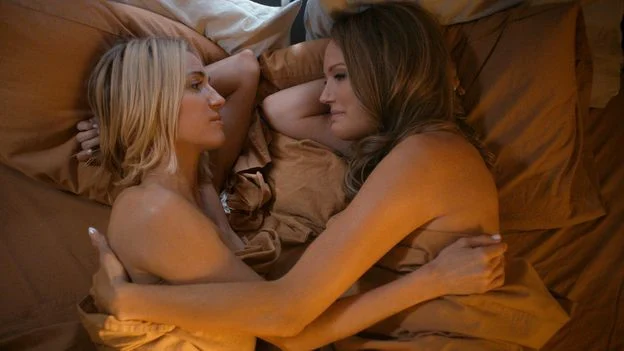
The narrative core of the series remains the volatile and sensual relationship between Sophie O’Neil, played by Brittany Snow, and Margo Banks, portrayed by Malin Åkerman. Sophie, a former political public relations specialist from the East Coast, finds her metropolitan sensibilities challenged upon her arrival in the deeply conservative, oil-rich enclave of Maple Brook. Margo, the formidable wife of a prominent oil tycoon and aspiring Texas First Lady, serves as both Sophie’s antagonist and romantic interest. Their affair, which serves as the catalyst for much of the show’s drama, is set against a backdrop of National Rifle Association (NRA) galas, high-stakes political campaigning, and the double lives of the Texan elite.
The Evolution of the Red State TV Phenomenon
The success of The Hunting Wives is frequently cited by industry analysts as part of a broader surge in "Red State" television. This sub-genre, characterized by settings in rural or heartland America and featuring characters with conservative-coded values, has seen a meteoric rise in popularity over the last five years. Leading this charge is the "Sheridan-verse," the collection of series created by Taylor Sheridan, including the flagship hit Yellowstone and its various spin-offs like Landman and the recently debuted Dutton Ranch.

Data from streaming platforms suggests a growing appetite for stories that move beyond the traditional coastal hubs of New York and Los Angeles. According to recent viewership metrics, dramas set in the American South and Midwest often see higher engagement rates across a broader geographic spread of the United States than traditional urban procedurals. The Hunting Wives leverages this trend by presenting a version of Texas that is both recognizable and heightened, using the state’s distinct cultural markers—from Stetsons and firearms to high-society galas—to frame a story of universal human failings: greed, lust, and the pursuit of power.
However, unlike some of its contemporaries that lean into traditionalist values, The Hunting Wives maintains a satirical edge. It skewers the hypocrisy of the Republican elite, such as characters who publicly advocate for conservative social policies while privately navigating scandalous personal lives. Simultaneously, it mocks the "metropolitan liberal" archetypes represented by Sophie and her husband, Graham, whose moral foundations prove to be surprisingly brittle when faced with the allure of wealth and social standing.
Political Context and the Shifting Texan Landscape
The series arrives at a time of genuine political transition within the state of Texas, a factor that showrunner Rebecca Cutter has intentionally integrated into the program’s DNA. While Texas has long been viewed as a bastion of conservatism, the show’s second season reflects a more nuanced reality. This is underscored by the recent real-world political shift in the state, most notably the election of James Talarico as the first Democratic U.S. Senator from Texas in nearly three decades.
This "purpling" of the state provides a rich environment for the show’s "culture war" themes. Taylor Prewitt, an editor at Texas Monthly, notes that the show’s depiction of cross-aisle friction is grounded in the lived experience of many Texans. In a state where political ideologies are increasingly varied, the "teasing and poking" across the political aisle seen in the show reflects the daily interactions of a population that must navigate opposing views in social and professional settings. By leaning into these tensions, The Hunting Wives moves beyond mere caricature to address the performative nature of modern American politics.

Showrunner Rebecca Cutter has stated that the goal was to dive into the "tip of the spear of the culture war" without becoming preachy. By making fun of all political factions equally, the show avoids the pitfalls of partisan lecturing, instead inviting viewers to laugh at the absurdity of political posturing on both sides.
Production Standards and the Female Gaze
A defining characteristic of The Hunting Wives is its explicit centring of female pleasure and the "female gaze." In an industry where glossy soaps have historically been criticized for catering to a male-oriented perspective on sexuality, this series takes a different approach. The production features a female showrunner, female directors, and a creative team that prioritizes the aesthetic and emotional resonance of intimacy from a woman’s perspective.
The show has gained significant attention for its bold depiction of sexuality, including scenes of intimacy between women and the normalization of sex toys within a marital context—elements that are still relatively rare in mainstream, high-budget dramas. Malin Åkerman has commented on the collaborative nature of these scenes, noting that the presence of female directors allowed for open conversations about what women find beautiful and sexy. This focus has clearly resonated with the show’s primary audience, as evidenced by the high engagement levels on platforms like the Call Her Daddy podcast, where the show’s approach to sexuality is a frequent topic of discussion.
Netflix’s marketing strategy for Season 2 has leaned heavily into this eroticism. Irreverent billboard campaigns in major markets like Los Angeles have used suggestive imagery—hands moving over holsters and cowboy hats—to signal that the show intends to push boundaries even further in its sophomore run.

Chronology of Development and Future Prospects
The journey of The Hunting Wives from page to screen began with the publication of May Cobb’s best-selling novel of the same name. Netflix recognized the cinematic potential of the book’s "Texas Noir" aesthetic and fast-tracked the adaptation under Rebecca Cutter’s leadership.
- Season 1 Launch: Introduced the character of Sophie O’Neil and her descent into the hedonistic world of the Maple Brook elite. The season ended with a cliffhanger involving a high-profile murder, setting the stage for the investigative procedural elements of the second season.
- Audience Milestones: Within months of its release, the show surpassed 35 million views, justifying Netflix’s decision to renew the series for multiple seasons.
- Season 2 Release: Premiering November 26, the new episodes promise to escalate the stakes of the murder investigation while deepening the central conflict between the O’Neil and Banks families.
- Season 3 Confirmation: In an unusual move that demonstrates high corporate confidence, Netflix confirmed a third season before the second had even aired, ensuring that the saga of the Hunting Wives will continue through at least 2027.
Broader Impact and Industry Implications
The success of The Hunting Wives has broader implications for the streaming industry, particularly regarding how platforms approach regional content. By focusing on a specific American subculture—the "East Texas Elite"—and imbuing it with high production values and scandalous plotlines, Netflix has found a formula that translates globally. The show’s popularity in diverse international markets suggests that the "rich people with secrets" trope remains one of the most bankable formats in television, regardless of the specific cultural or political backdrop.
Furthermore, the series highlights a shift in how "Red State" content is produced. While previous iterations of heartland drama were often low-budget or focused on traditional family values, The Hunting Wives represents a "prestige" version of the genre. It combines the visual opulence of Big Little Lies with the soap-opera DNA of Dallas, updated for a post-truth political era.
As the second season unfolds, the industry will be watching closely to see if the show can maintain its massive viewership. If the early metrics and social media engagement are any indication, The Hunting Wives has successfully tapped into a collective desire for escapism that doesn’t shy away from the messy, cynical realities of contemporary American life. For Netflix, the series is more than just a hit; it is a blueprint for how to navigate the complex waters of a polarized audience by offering a "good time" that skewers everyone and spares no one.