admin
The inaugural Hood River Orchard and Ale Festival, held on the scenic banks of the Columbia River, has marked a significant milestone in the maturation of Oregon’s craft beverage sector. Situated in the heart of the Columbia River Gorge, the event showcased the unique intersection of the region’s agricultural heritage and its globally recognized brewing prowess. While the festival celebrated the harvest season, it also served as a focal point for analyzing the economic and cultural impact of a town that maintains one of the highest concentrations of craft breweries per capita in the United States. With a population of just over 8,000 residents, Hood River has transformed from a timber and fruit-packing hub into a premier destination for zymurgical tourism, drawing visitors to a landscape defined by volcanic geology and world-class water resources.
The Geographic and Geological Foundations of Hood River Brewing
The success of the Hood River brewing scene is inextricably linked to the specific environmental conditions of the Columbia River Gorge. The festival grounds, located on the waterfront, are subject to the "wind tunnel" effect created by the canyon’s unique topography. This meteorological phenomenon, which attracts windsurfers and kiteboarders from around the world, also plays a role in the local microclimate, affecting the cooling of nearby orchards and the character of the ingredients used in local production.
Central to the quality of the beer produced in Hood River is the municipal water supply. Unlike many metropolitan areas that rely on treated river water, Hood River’s breweries draw from the Hood River watershed. This water originates as snowmelt from the 14,179-foot Mount Hood in the Cascade Range. As the water descends, it is naturally filtered through layers of volcanic basalt rock. This geological filtration process results in water that is exceptionally soft and low in iron, providing a clean, mineral-rich canvas that is ideal for brewing traditional European-style lagers and crisp, hop-forward ales.
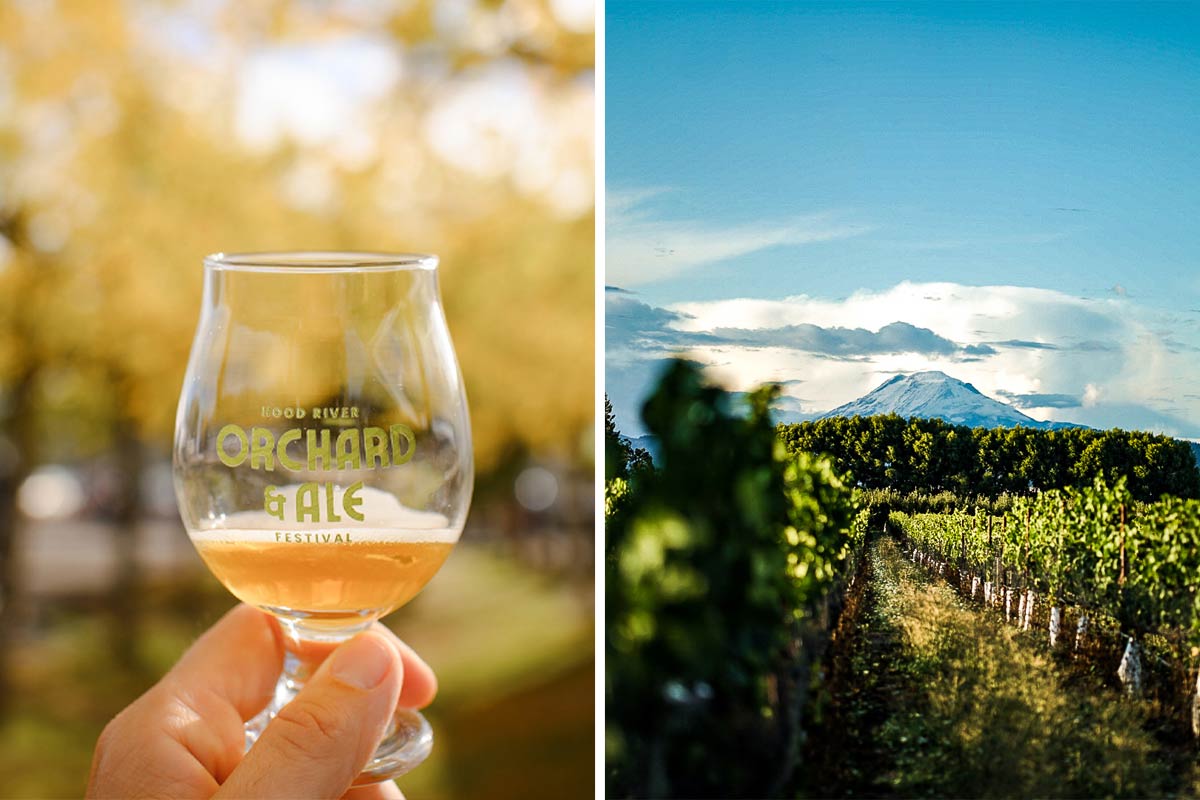
Furthermore, the proximity to the Willamette Valley—one of the world’s most productive hop-growing regions—allows Hood River brewers to secure "fresh hops" within hours of harvest. This logistical advantage is a cornerstone of the regional industry, particularly during the autumn months when the Orchard and Ale Festival takes place.
A Chronological Evolution: From Pioneers to the Modern Era
The development of the Hood River brewing industry can be categorized into three distinct waves, each represented by key players present at the festival.
The First Wave: Establishing the Foundation (1987–2006)
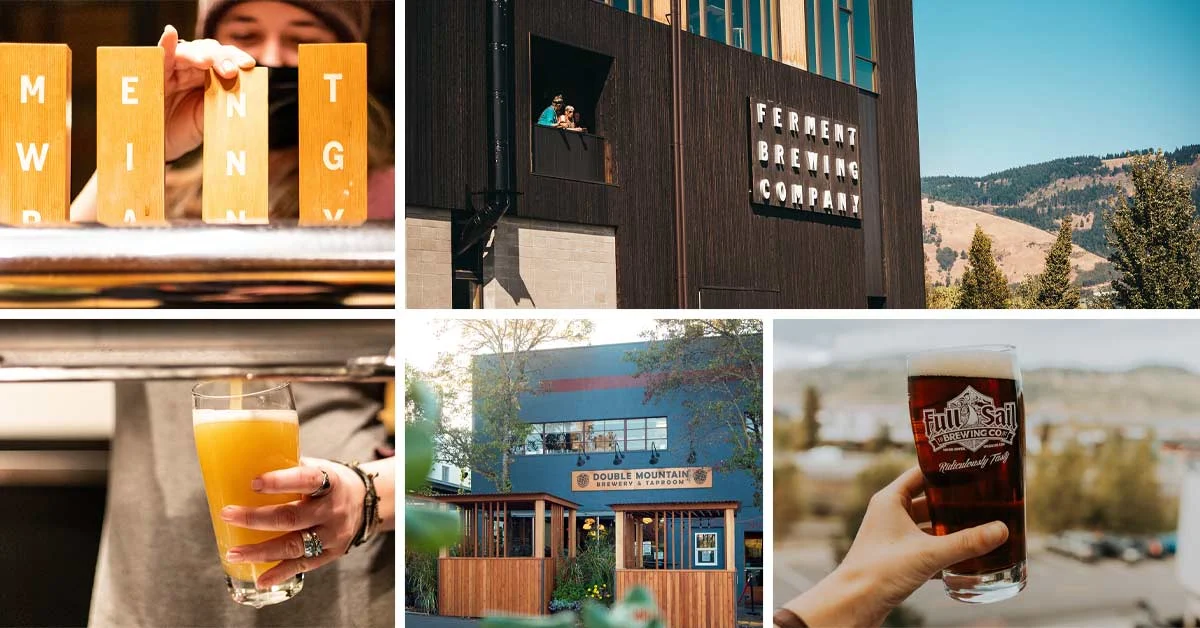
The modern era of Hood River craft beer began in 1987 with the founding of Full Sail Brewing Co. As one of the original craft breweries in the Pacific Northwest, Full Sail repurposed a former fruit cannery, signaling a shift in the local economy. The brewery’s flagship Amber Ale became a staple of the region, introducing consumers to more complex malt profiles. Over the decades, Full Sail has acted as an incubator for talent, with many former employees going on to start their own ventures within the Gorge.
The Second Wave: Diversification and Innovation (2007–2015)
In 2007, Double Mountain Brewery & Cidery opened its doors in downtown Hood River, focusing on unfiltered beers and a commitment to sustainability, including a pioneering refillable bottle program. This was followed in 2012 by the launch of pFriem Family Brewers. pFriem significantly elevated the region’s profile by focusing on Belgian-inspired ales and German-style lagers, utilizing a state-of-the-art facility on the waterfront. The success of pFriem demonstrated that Hood River could compete on an international stage, winning numerous awards at the Great American Beer Festival and the World Beer Cup.
The Third Wave: Terroir and Niche Specialization (2016–Present)
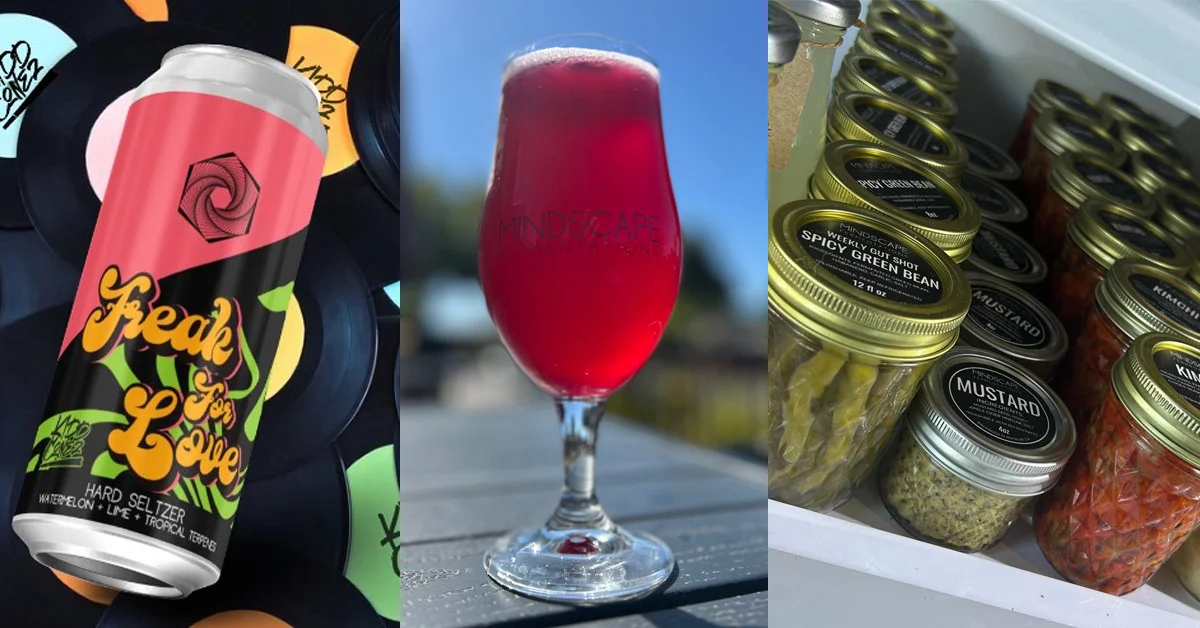
The most recent decade has seen a proliferation of breweries focusing on hyper-local ingredients and specialized techniques. Ferment Brewing Company, established in 2018, utilizes farmhouse techniques and local flora to capture the "terroir" of the Gorge. More recent additions include Hood River Brewing Company (2023) and Kings & Daughters Brewery, which opened its public house, The Walled Garden, in 2025. These establishments reflect a trend toward smaller, community-focused taprooms that prioritize stylistic diversity, from Mexican-style lagers to experimental hazy IPAs.
Economic Impact and Regional Significance
The craft brewing industry is a vital component of Oregon’s economy. According to data from the Oregon Brewers Guild, the industry contributes more than $8 billion in economic impact to the state annually and supports tens of thousands of jobs. In Hood River, the impact is magnified due to the town’s small size. The breweries serve as primary employers and major drivers of the tourism industry, which sees a significant uptick during the fall harvest season.
The Orchard and Ale Festival serves as a strategic marketing tool to bridge the gap between the region’s traditional pear and apple orchards and its modern fermentation industry. By integrating local fruit into the festival’s offerings—such as the "Lost in Fragaria" sour ale from Ferment Brewing, which utilizes Oregon strawberries—the event highlights the vertical integration of the local supply chain.
Industry analysts suggest that the density of breweries in Hood River creates a "clustering effect." This competition drives quality upward while fostering a collaborative environment where brewers share resources and expertise. This synergy was evident during the festival, where established veterans and new market entrants shared the stage to promote the region as a unified brand.
Technical Profiles of Featured Establishments
The festival highlighted several breweries that exemplify the technical proficiency of the Hood River scene:
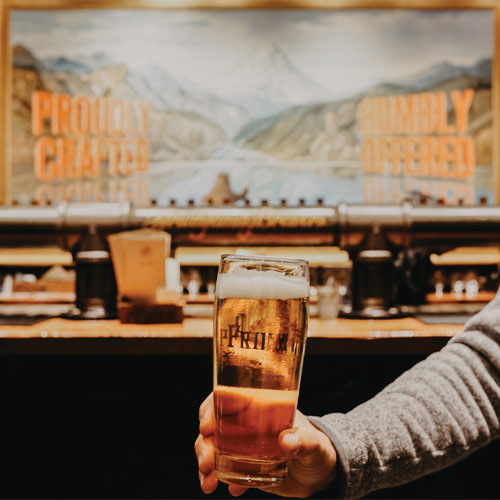
- pFriem Family Brewers: Known for their meticulous attention to water chemistry and traditional styles. Their Pilsner and Czech Dark Lager are cited by industry experts as benchmarks for the styles in North America.
- Working Hands Fermentation: Located on the "heights" of Hood River, this operation focuses on bottom-fermented lagers. Their Night Shift Schwarzbier demonstrates the use of roasted malts to achieve a light-bodied yet flavorful dark beer, catering to a growing consumer demand for "sessionable" dark lagers.
- Ferment Brewing Company: Housed in a modern architectural landmark on the waterfront, Ferment utilizes a proprietary yeast strain and local fruit to create beers that are uniquely reflective of the Pacific Northwest environment.
- Double Mountain Brewery: A pioneer in the use of "fresh hops." Their seasonal releases, such as the Iowa Bar Fight IPA using Strata hops, are highly anticipated by enthusiasts and represent the pinnacle of the region’s seasonal brewing cycle.
Challenges and Future Outlook
Despite the success of the inaugural festival, the Hood River brewing industry faces ongoing challenges. The "wind tunnel" effect of the Gorge, while beneficial for tourism, presents logistical hurdles for outdoor events, as seen with the festival’s need for weighted glassware to combat high gusts. More broadly, the industry must navigate rising ingredient costs, supply chain fluctuations, and a stabilizing national market for craft beer.
However, the 2025 expansion of Kings & Daughters Brewery and the continued growth of Hood River Brewing Company suggest that the local market has not yet reached a saturation point. Instead, the industry is evolving toward more refined, specialized experiences. The focus is shifting from high-volume production to "destination brewing," where the location and the quality of the taproom experience are as important as the liquid in the glass.
Conclusion
The Hood River Orchard and Ale Festival has successfully codified the region’s status as a global leader in craft brewing. By leveraging the natural advantages of the Columbia River Gorge—specifically its volcanic water and proximity to hop fields—Hood River has built a sustainable economic model centered on quality and innovation. As the industry moves forward, the integration of the town’s agricultural roots with modern brewing techniques will likely remain the primary driver of its success. The festival not only commemorated the beginning of a new tradition but also reaffirmed the resilience and creativity of the Oregon craft beer community. For a town of 8,000 people, the ability to sustain such a diverse and high-quality brewing ecosystem is a testament to the unique intersection of geography, history, and craftsmanship found in the Hood River Valley.