admin
The global craft beer industry, long defined by its adherence to artisanal traditions and manual labor, is currently undergoing a digital transformation as artificial intelligence (AI) migrates from the laboratory to the taproom. Once viewed as a disruptive force reserved for Silicon Valley or the automotive sector, AI has emerged as a critical tool for brewers seeking to optimize production, enhance quality control, and push the boundaries of sensory innovation. While the integration of machine learning has sparked concerns regarding job security and the potential loss of the "human touch" in brewing, early adopters are demonstrating that technology may serve as a powerful collaborator rather than a replacement.
The adoption of AI in brewing is not merely a trend in recipe generation but a multifaceted shift in how breweries manage the complex physics of fermentation and packaging. From the monitoring of carbonation levels to the algorithmic selection of rare yeast strains, the technology is being utilized to solve age-old problems of consistency and efficiency. As the industry faces mounting economic pressures, including rising ingredient costs and shifting consumer preferences, these technological advancements are providing a competitive edge for small and independent breweries across the United States.
Operational Precision and Quality Assurance
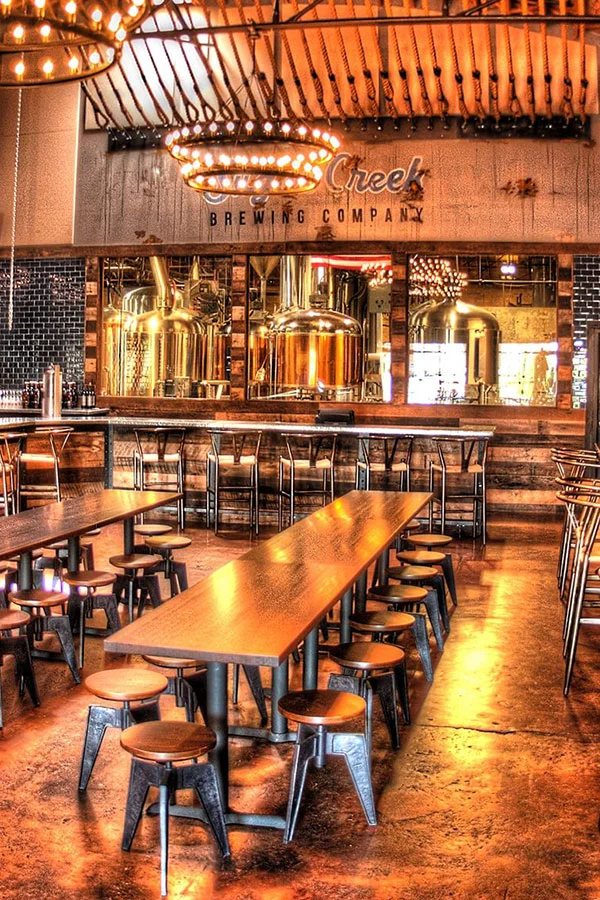
One of the most immediate applications of AI in the craft beer sector involves the stabilization of production environments. In Charlotte, North Carolina, Sugar Creek Brewing Company has become a primary case study for how Internet of Things (IoT) devices and AI can reduce waste. By implementing a network of sensors and AI-driven monitoring systems, the brewery tracks variables such as temperature, fill levels, and foam consistency during the packaging process.
Before the integration of AI, excessive foaming during bottling—a common issue known as "breakout"—could result in significant product loss and inconsistent shelf life due to oxygen exposure. The AI system identifies the precise mechanical or thermal conditions that lead to these inefficiencies, allowing the brewing team to make real-time adjustments. This level of granular data analysis was previously unavailable to small-scale operations, where quality control often relied on periodic manual sampling. By digitizing the "eyes and ears" of the production line, breweries can ensure that every can meets rigorous standards, thereby protecting their brand reputation and bottom line.
The Rise of Generative Brewing: AI as Recipe Architect
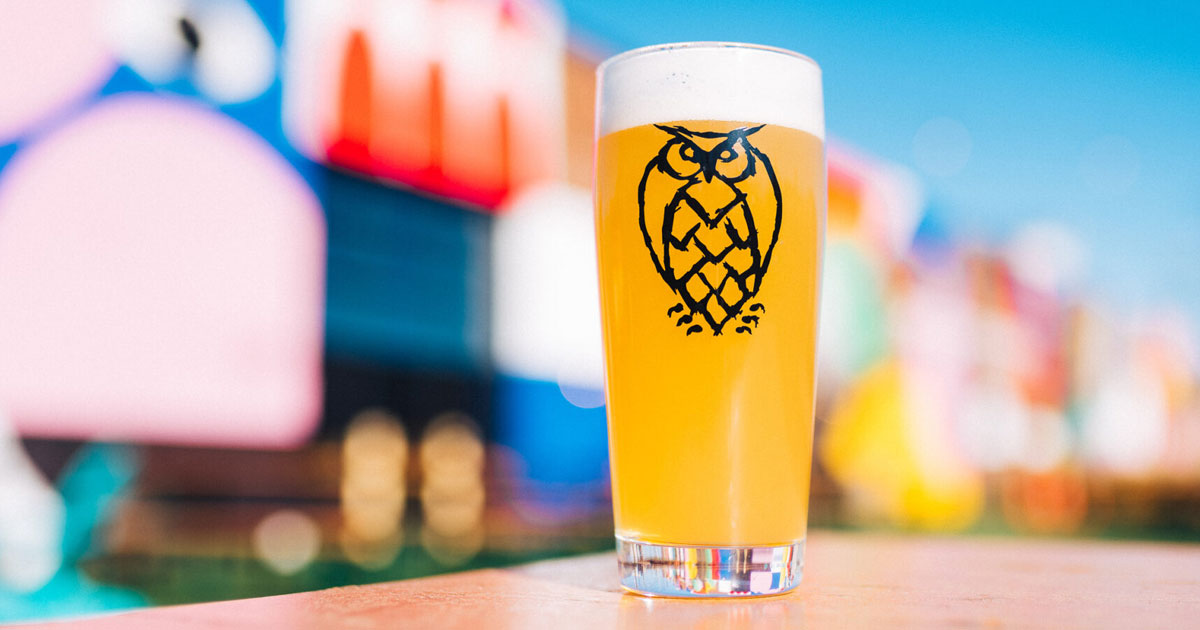
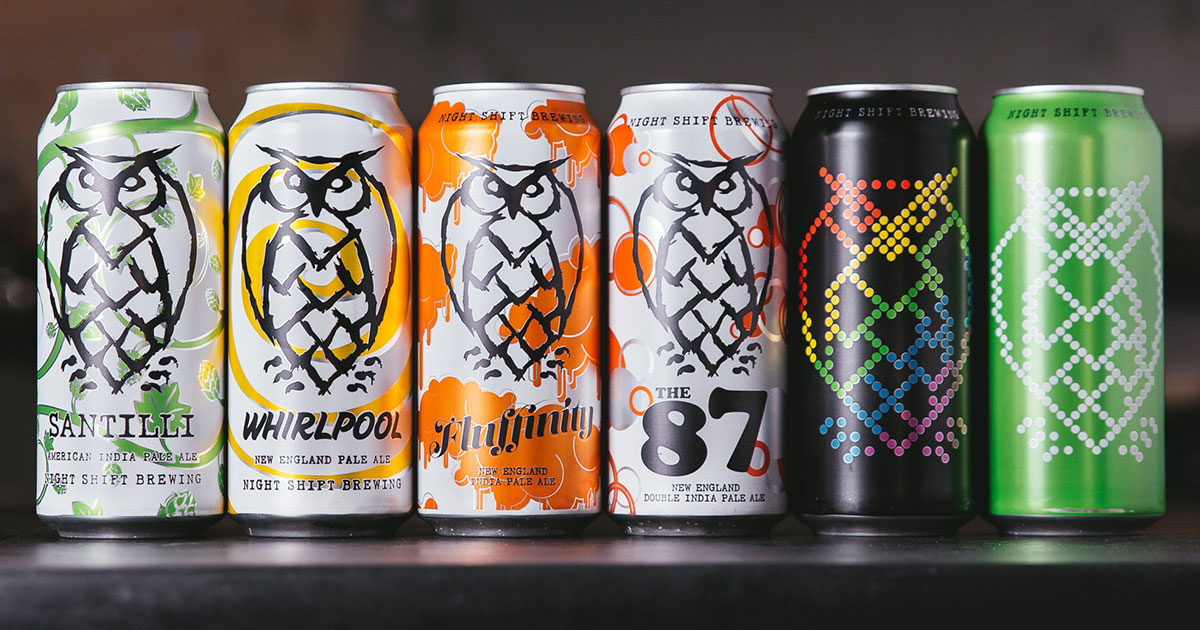
Beyond the mechanics of the assembly line, AI is increasingly being utilized as a creative consultant. Several high-profile breweries have experimented with large language models (LLMs) to develop entirely new flavor profiles. In Boston, Michael Oxton, co-founder of Night Shift Brewing, utilized OpenAI’s ChatGPT to formulate a hazy IPA. The experiment, which resulted in a beer dubbed "AI-PA," showcased the model’s ability to synthesize vast amounts of brewing data into a cohesive technical plan.
According to Oxton, the AI was capable of providing a comprehensive recipe, including a specific water chemistry profile and hop schedule, in a matter of minutes. For human brewers, calculating the ideal mineral balance for brewing water—a process that involves balancing calcium, magnesium, and sulfates to highlight hop bitterness or malt sweetness—can often take weeks of research and trial-and-error testing. The AI’s ability to generate these parameters instantaneously represents a significant shift in the Research and Development (R&D) timeline. The resulting "AI-PA" featured notes of mango, watermelon, and citrus, a combination that Oxton described as both delicious and technically sound, though it did require minor human adjustments to account for the specific raw materials available in the brewery’s inventory.
Other breweries have followed suit, with Asbury Park Brewery in New Jersey and Atwater Brewing in Detroit releasing their own versions of AI-generated IPAs. In Rockford, Illinois, Urban Forest Craft Brewing introduced "Put the AI in sAIson," demonstrating that the technology is capable of navigating the nuances of traditional European styles just as easily as modern American IPAs.
Specialized Machine Learning: The Species X Project
While many brewers use off-the-shelf AI models, some are developing proprietary systems designed specifically for zymurgy—the study of fermentation. The now-closed Species X Beer Project, founded by Beau Warren, represented the vanguard of this movement. Warren, who possesses a background in both beer microbiology and data analytics, developed seven distinct AI models to guide his "Silicon Species" line of beers.
Unlike a general-purpose chatbot, Warren’s models utilized regression analysis and neural networks. These models were trained on proprietary data, including water chemistry, yeast performance metrics, and historical recipe success rates. Crucially, Warren fed his models "Carbon Species" data—human-generated feedback and internal reviews—to teach the AI which flavor profiles resonated most with consumers. This feedback loop allowed the AI to understand the subjective nature of taste through objective data points.
The results often challenged traditional brewing conventions. One notable creation was an amber lager brewed with 100% Maris Otter malt, a grain typically reserved for heavy porters or English bitters. The AI’s suggestion to use this malt in a crisp lager was unconventional, yet it produced a balanced, hit product. Another model, "Beh3moth," designed an imperial pastry Baltic porter that included 12 types of malt, marshmallows, lactose, coffee, vanilla, and three types of fruit, before being dry-hopped like a New England IPA. Warren noted that the recipe was "out of left field" and ignored centuries of brewing tradition, yet the final product was remarkably balanced.
Bio-Tech Integration: Navigating the Yeast Library
The influence of AI extends into the raw materials sector, particularly in the management of yeast, the living organism responsible for fermentation. Propagate Lab, a yeast propagation facility based in Colorado, introduced "Yeast Buddy," an AI-driven chatbot designed to help brewers navigate a database of over 120 yeast strains.
The selection of a yeast strain is perhaps the most critical decision a brewer makes, as it dictates the ester profile, attenuation, and flocculation of the beer. With hundreds of variables to consider, many brewers default to "standard" strains they are familiar with. Yeast Buddy acts as a digital librarian, allowing brewers to input their desired flavor parameters and technical constraints to find the perfect biological match. Matthew Peetz, founder of Propagate Lab, argues that this technology prevents brewers from being "pigeonholed" into repetitive recipe patterns, encouraging a more adventurous approach to fermentation.
Chronology of AI Integration in Craft Beer
The timeline of AI’s entry into the brewing world suggests an accelerating curve of adoption:
- 2018-2020: Early adoption of IoT sensors for quality control. Major partnerships, such as Sugar Creek Brewing’s collaboration with IBM, begin to demonstrate the ROI of data-driven brewing.
- 2021-2022: The emergence of specialized AI for flavor profiling. Startups begin to experiment with algorithms that predict consumer trends based on social media and untappd data.
- 2023: The "ChatGPT Era." Small breweries begin using generative AI for marketing copy, label art, and basic recipe generation.
- 2024-Present: Integration of custom neural networks. Breweries like Species X demonstrate that AI can be trained on specific brewery "DNA" to create unique, proprietary flavors.
Broader Implications and the Human-Centric Future
Despite the impressive capabilities of machine learning, industry professionals emphasize that the "Taproom Takeover" by robots is not imminent. The consensus among leaders like Oxton and Warren is that AI functions best as a "creativity enhancement" or a "superhuman assistant."
There are several factors that necessitate continued human oversight:
- Physical Constraints: AI models can occasionally suggest recipes that are physically impossible to brew or that could damage specialized equipment. Human "guardrails" are essential to ensure the safety and feasibility of the production process.
- Sensory Vetting: While AI can predict a flavor profile, it cannot "taste" the final product. The nuanced palate of a master brewer remains the final arbiter of quality.
- Data Quality: As the saying goes, "garbage in, garbage out." If the training data for an AI model is flawed or outdated, the resulting recipes will be as well. Humans must curate the information the AI consumes.
- Economic Realities: The closure of Species X serves as a sobering reminder that while AI can optimize a recipe, it cannot insulate a business from broader economic challenges such as market saturation, rising rents, and distribution hurdles.
Conclusion: A New Era of Craftsmanship
The integration of artificial intelligence into craft beer represents a maturation of the industry. By automating the more tedious aspects of brewing—such as calculating water chemistry or monitoring fill levels—AI frees up human brewers to focus on the more artistic and communal aspects of their trade.
As AI technology continues to evolve, we can expect to see even more sophisticated applications, such as predictive maintenance for brewing hardware and hyper-personalized beer recommendations for consumers. However, the heart of craft beer remains its connection to local communities and the human passion behind the pint. In this new landscape, AI is not replacing the brewer; it is providing a sharper set of tools for the modern craftsman to build the future of fermentation. The digital pint is here, and it is being poured by a human hand, guided by a machine’s precision.