admin
admin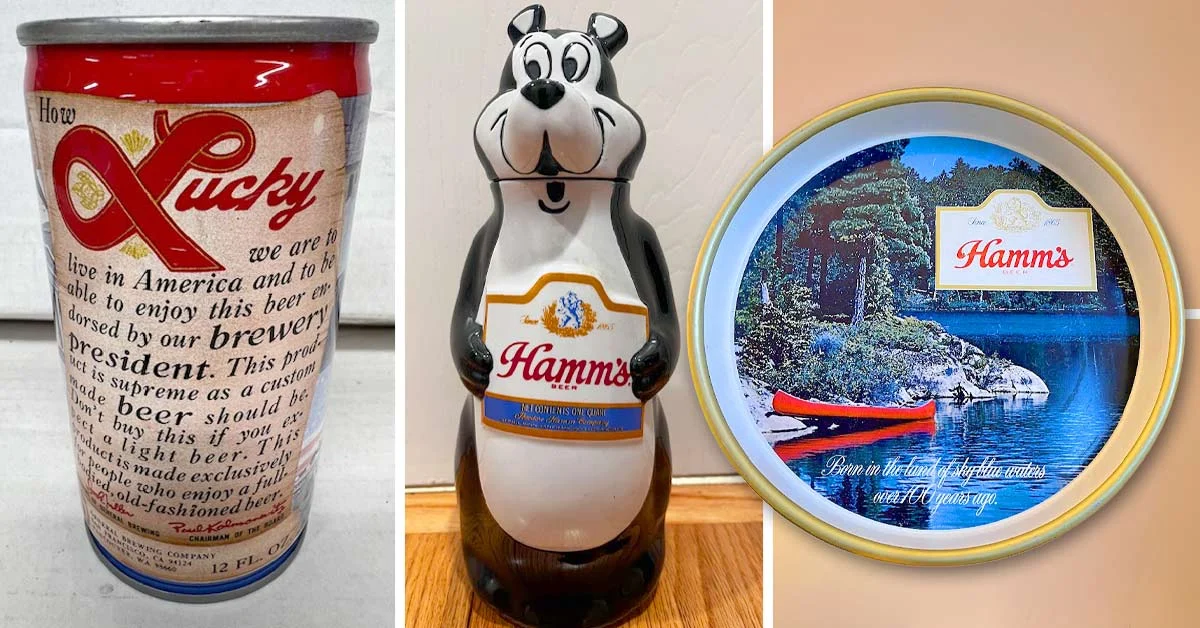
The famous inscription on the Statue of Liberty, penned by Emma Lazarus in her 1883 sonnet "The New Colossus," has long served as the definitive narrative for the immigrant experience on America’s East Coast. For decades, the stories of the "huddled masses" arriving at Ellis Island and seeking the American Dream in the tenements of New York or the factories of Chicago have dominated the historical record. However, a parallel and equally transformative narrative unfolded on the West Coast, where San Francisco served as a different kind of "golden door." While the California Gold Rush of 1849 initially drew global attention, it was the subsequent industrialization of the region—specifically the rise of the brewing industry—that provided the foundation for a thriving Slovene-American community. For these Eastern European migrants, the beer factories of San Francisco represented not just manual labor, but a gateway to upward mobility, middle-class stability, and cultural integration.
The Industrial Evolution of San Francisco Brewing
The history of San Francisco is inextricably linked to the pursuit of fortune. In 1834, Richard Henry Dana, a Harvard-educated Bostonian, arrived in the region as a common sailor, later documenting his observations in the seminal memoir Two Years Before the Mast. Dana’s 1858 follow-up essay, "Twenty-Four Years After," described a city transformed from a quiet village into a bustling metropolis of "worlds not realized." While the allure of gold was the primary catalyst for this growth, Dana noted that the true, lasting wealth of the city was built by merchants and tradesmen rather than prospectors. Among these emerging industries, brewing held a position of early prominence.
Commercial brewing in California predates the Gold Rush. Records indicate that the first shipment of bottled beer arrived in San Francisco in 1843 via the firm of merchant Benjamin T. Reed. However, the lack of refrigeration and the city’s unique climate led to the development of a local innovation: "steam beer." This process involved cooling the heated wort in shallow rooftop pools, where the cool Pacific breezes initiated fermentation without the need for ice. This method became the hallmark of the Bay Area brewing scene, most notably championed by the Anchor Brewing Company, which later trademarked the term "California Common" for this brewing style.
The early 20th century brought significant challenges to the industry. The Great Earthquake of 1906 destroyed numerous facilities, and the onset of Prohibition in 1920 forced many brewers to pivot to "near-beer" or soda production. Furthermore, anti-German sentiment following World War I and the economic devastation of the Great Depression shuttered many historic labels. Despite these setbacks, the post-Prohibition era saw the emergence of powerful brewing empires, including Lucky Lager, Acme Brewing, and the Milwaukee Brewing Company. The latter, which would eventually become the San Francisco Brewing Corp. and later Burgermeister in 1956, would prove to be the economic engine for the city’s Slovene-American population.
The Slovene Diaspora and the Migration to the West
The Slovene-American experience is a distinct chapter within the broader history of South Slavic immigration. In the early 20th century, many Slovenians fled the Kingdom of Yugoslavia, a state composed of present-day Slovenia, Croatia, and Serbia, seeking relief from political instability and economic hardship. While the 1920 census estimated approximately 228,000 Slovene-Americans and their children living in the United States, their initial settlements were concentrated in the Midwest—specifically Ohio, Pennsylvania, and Illinois—and the mining regions of Montana, Idaho, and Colorado.
The transition to San Francisco often occurred in waves. Many Slovene men, having worked in the hazardous mines of the Mountain West, sought safer and more lucrative opportunities in California’s expanding industrial sector. This migration was further accelerated by World War II. Veterans returning from the European theater, including those who served in General Patton’s Third Army, were often encouraged to relocate to the Bay Area, where wartime industries like Soule Steel were producing landing craft and barges.
However, as wartime production tapered off in the late 1940s, the Slovene community faced a period of economic uncertainty. This was exacerbated by local ethnic discrimination. Historical accounts and oral histories from the era recall signs in business windows stating, "No Bohunks Need Apply," a derogatory term used to target Czech, Slovene, and Slovak immigrants. In this climate of exclusion, the brewing industry emerged as a rare sanctuary of employment.
The Rise of the "Burgie" Men: Labor and Assimilation
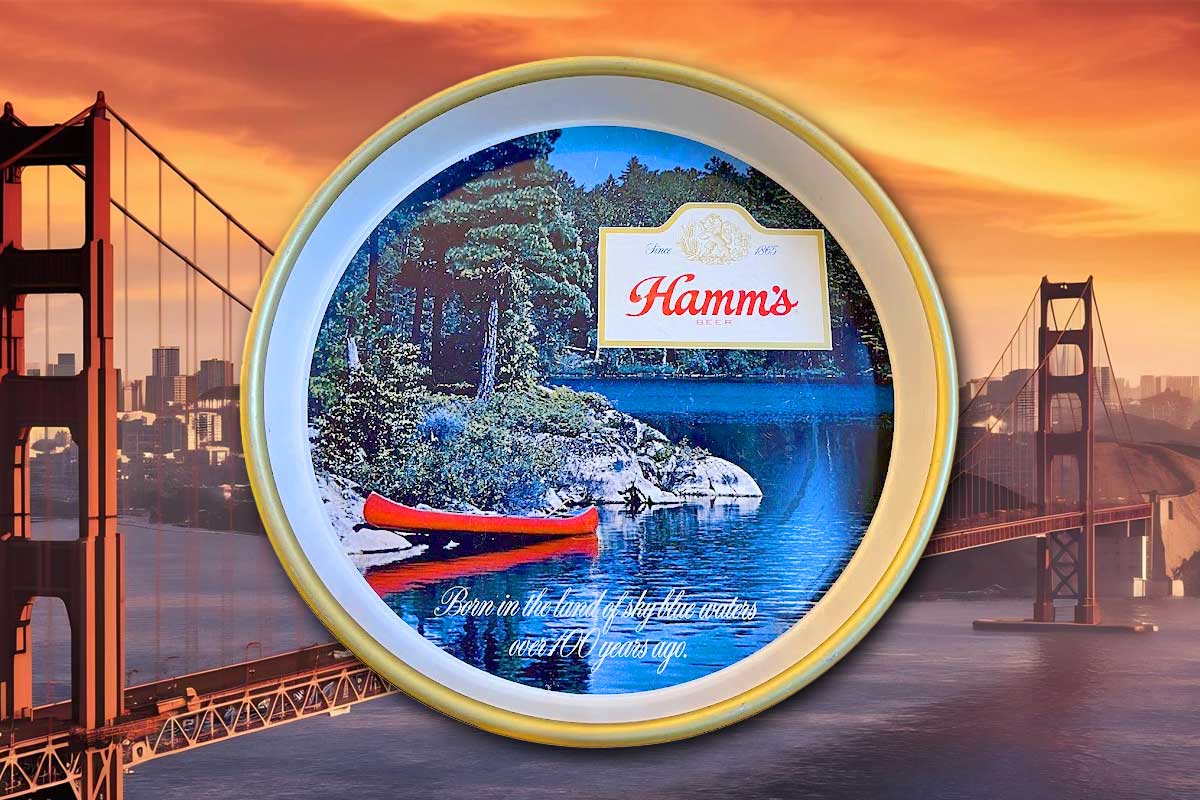
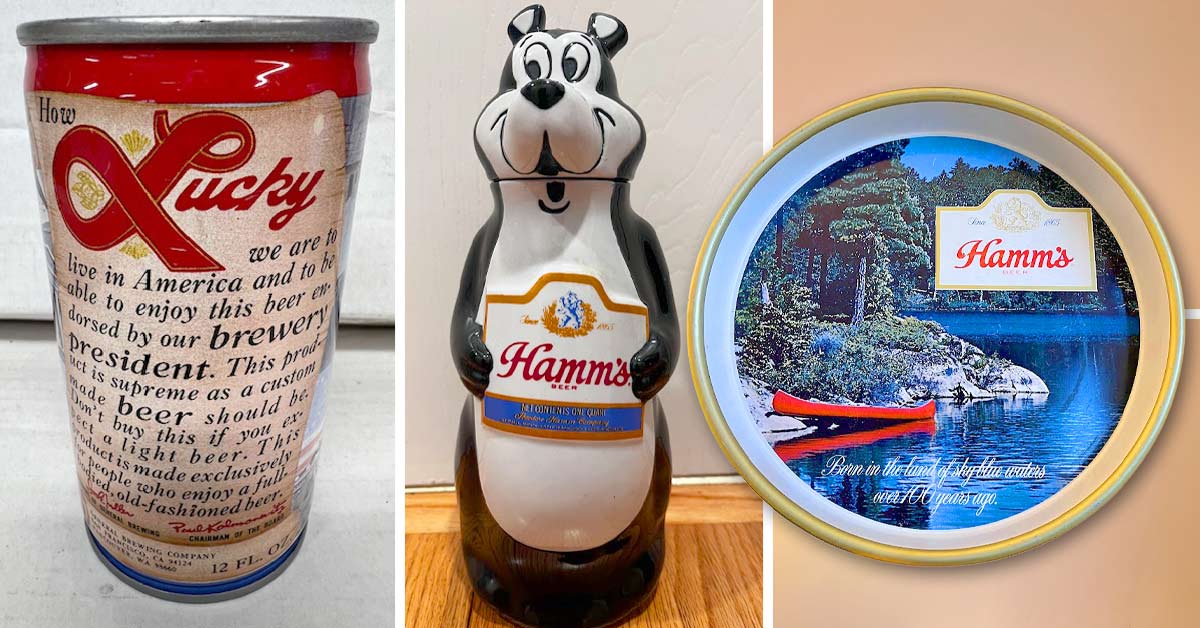
The 1950s marked the "Golden Age" of industrial brewing in San Francisco. National brands like Hamms and Schlitz established large-scale operations in the city, but it was the local Burgermeister—affectionately known as "Burgie"—that became the primary employer for Slovene immigrants. The hiring practices at Burgermeister were notably progressive for the time; many managers were immigrants themselves and were willing to overlook the "Bohunk" stigma in favor of a reliable, hard-working labor force.
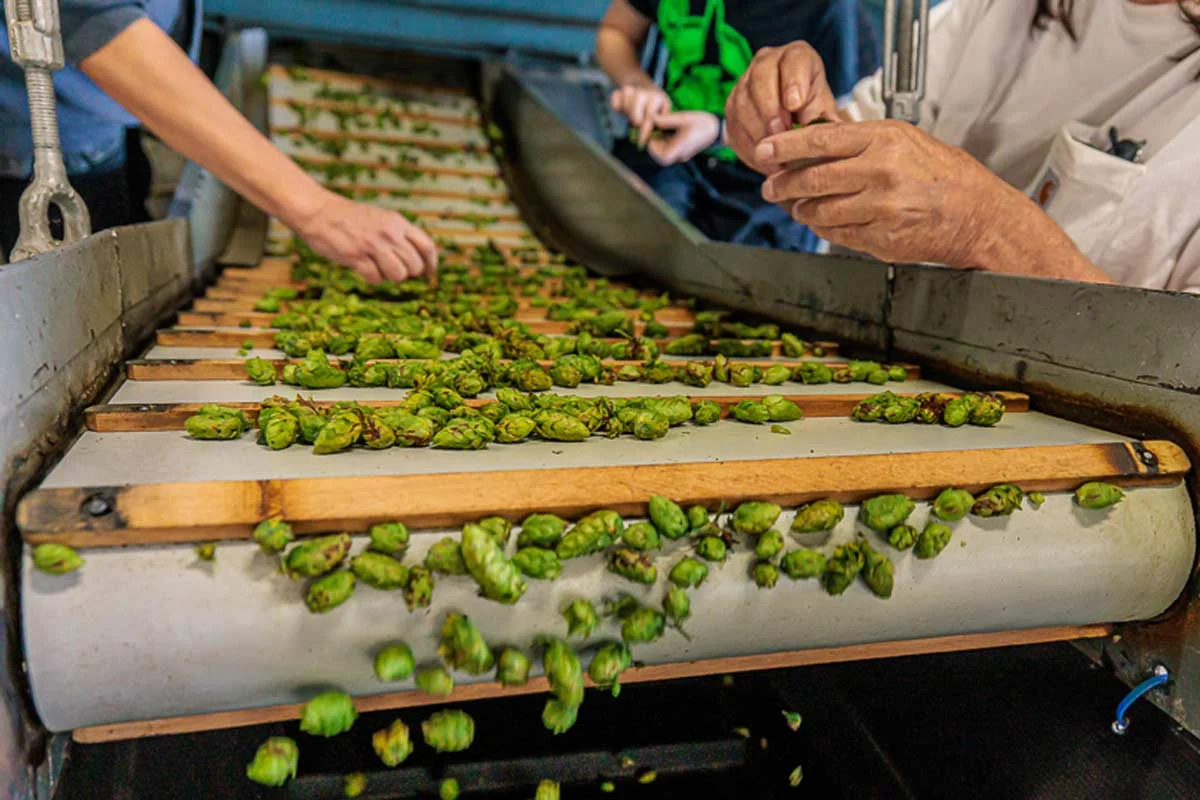
By the mid-1950s, more than a dozen Slovene-American families were represented on the Burgie factory floor. The work was demanding but provided a clear path to the middle class. Laborers were involved in every stage of the process:
- Warehouse Operations: Moving heavy kegs with forklifts and palletizing thousands of cans.
- Packaging: Manning the high-speed fillers and labeling machines.
- Quality Control: Testing pH levels and ensuring product consistency.
- Management: A small percentage of immigrants eventually moved into supervisory roles, though the majority remained in blue-collar positions.
At the height of production, a single eight-hour shift with approximately 40 workers could process up to half a million units. This high volume allowed for significant overtime opportunities, particularly during the summer months when demand peaked. For many Slovene families, this meant the ability to buy and renovate Victorian homes or send their children to college. The factory floor became a cultural melting pot where Irish, Italian, French, and Slovene workers labored side-by-side, fostering a sense of community that transcended ethnic boundaries.
Labor Unions and Socio-Economic Stability
A critical component of the Slovene-American success story in San Francisco was the strength of organized labor. The Teamsters Union provided a framework of protection that was absent in the mining and agricultural jobs many immigrants had previously held. Union membership guaranteed not only competitive wages but also essential benefits like health insurance and, most importantly, a pension.
The commitment to union solidarity was absolute. During the 1973 national boycott of the Coors plant—sparked by allegations of employment discrimination and union-busting efforts—the Slovene workers in San Francisco were vocal supporters of the movement. For these men, the union was the guarantor of their American Dream, ensuring that their years of manual labor would culminate in a dignified retirement.
The brewing industry also played a unique role in maintaining morale during the Vietnam War. Many factory workers were veterans of WWII or the Korean War, and their sons were now being drafted to serve in Southeast Asia. In a gesture of solidarity, workers would often line pallets of beer destined for military bases with local newspapers and magazines, providing a literal "taste of home" and a connection to the community for those serving overseas.
Automation and the Transition to the Craft Era
The landscape of San Francisco brewing began to shift dramatically in the late 1960s. The same technological revolution that was beginning to take root in Silicon Valley was also transforming the factory floor. Automation and streamlined production processes began to eliminate the need for large manual labor forces. By the time the first generation of Slovene "Burgie" men reached retirement age in the late 1970s, the era of the massive urban beer factory was drawing to a close.
Simultaneously, the industry was undergoing a philosophical change. In 1965, Fritz Maytag, heir to the Maytag appliance fortune, purchased a struggling Anchor Brewing Company. Maytag’s focus on small-batch quality over mass-market quantity effectively birthed the modern craft beer movement. While this was a boon for beer enthusiasts, it signaled the end of the industrial-scale employment that had sustained immigrant communities for decades. Many workers who wished to remain in the industry were forced to relocate to larger plants outside the city, such as the Anheuser-Busch facility in Fairfield, or transition into soda syrup production for companies like Coca-Cola and 7UP.
Legacy and the Modern Landscape
Today, the physical remnants of San Francisco’s industrial brewing past have largely vanished. The former Burgermeister factory, once a hub of Slovene-American life, now houses a Costco. However, the legacy of these workers persists in the city’s vibrant beer culture. SF Beer Week, held annually in February, showcases hundreds of breweries across the region, including European-style bottle shops that stock brands like Laško and Union—the two primary labels from modern-day Slovenia.
The story of the Slovene-American beer workers serves as a vital reminder that the immigrant experience is not a monolith. While the East Coast provided the "lamp beside the golden door," the West Coast offered the "golden dream" of industrial opportunity. The beer factories of San Francisco were more than just places of production; they were the sites of cultural synthesis and economic empowerment. Through the work of their hands, these immigrants helped build the infrastructure of a world-class city, ensuring that their families could transition from "huddled masses" to prosperous citizens. As a tribute to this heritage, the spirit of these workers is often invoked in a simple toast, echoing the words of John Steinbeck: "There’s nothing like that first taste of beer."