admin
admin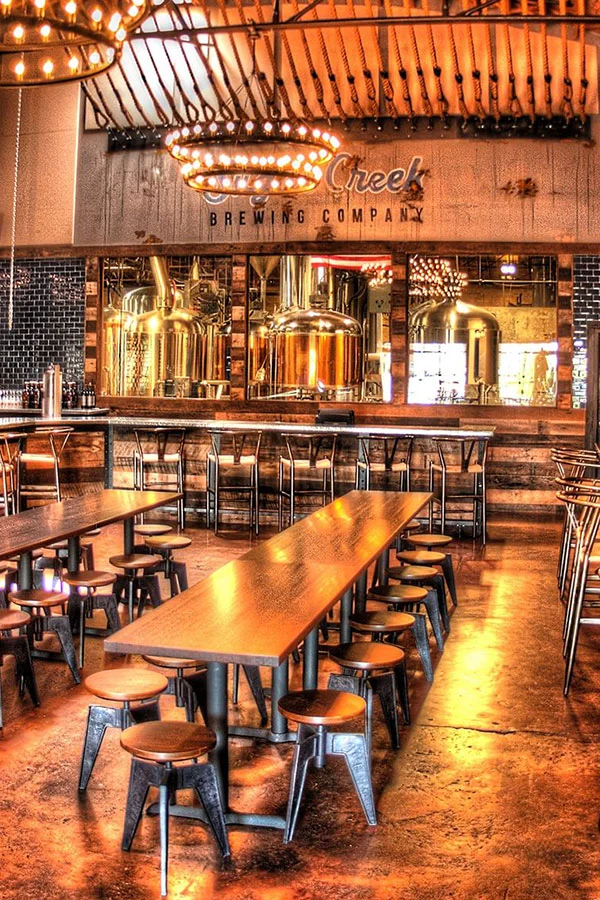
Artificial intelligence has transitioned from a speculative technological trend into a transformative force across the global economic landscape, influencing sectors ranging from defense and automotive engineering to education and customer service. In recent years, this digital revolution has breached the threshold of one of the world’s most tradition-bound industries: craft brewing. While the image of a brewer often evokes a hands-on, artisanal approach to fermentation, a growing number of American breweries are integrating machine learning, neural networks, and large language models (LLMs) to enhance both the operational efficiency and the creative boundaries of their craft. From the monitoring of foam levels in North Carolina to the algorithmic generation of complex grain bills in Massachusetts, AI is proving to be a potent tool for innovation in a market defined by increasingly thin margins and a demand for novelty.
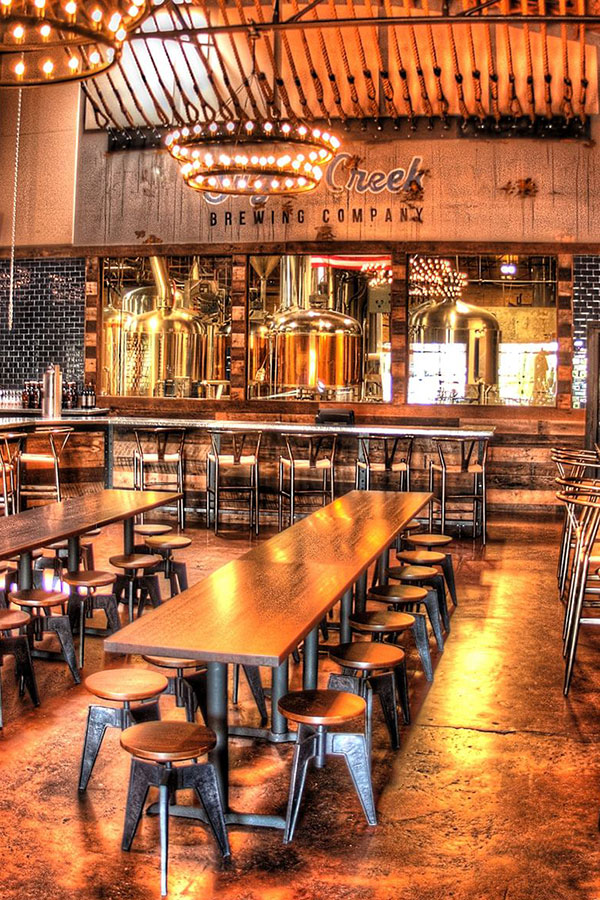
The adoption of AI in the brewing sector is not merely a gimmick but a response to the logistical complexities of modern beverage production. As the craft beer industry has matured—with over 9,800 breweries operating in the United States as of 2023—the pressure to maintain consistency while reducing waste has never been higher. For many, the first point of entry for AI is not in the recipe book, but on the production line. Sugar Creek Brewing Company in Charlotte, North Carolina, has become a primary case study for this transition. By deploying a network of sensors and AI-driven monitoring systems, the brewery tracks critical variables such as temperature, fill levels, and foam consistency during the packaging process. This real-time data allows for the immediate identification of mechanical inefficiencies, significantly reducing "shrinkage" (product loss) and ensuring that every can meets rigorous quality standards before it reaches the consumer.
A Chronology of Computational Creativity
The integration of AI into recipe development represents a more radical departure from industry norms. Traditionally, recipe formulation is an iterative, human-led process involving months of trial and error, sensory analysis, and historical benchmarking. However, the timeline of AI-generated beer has accelerated rapidly over the last three years.
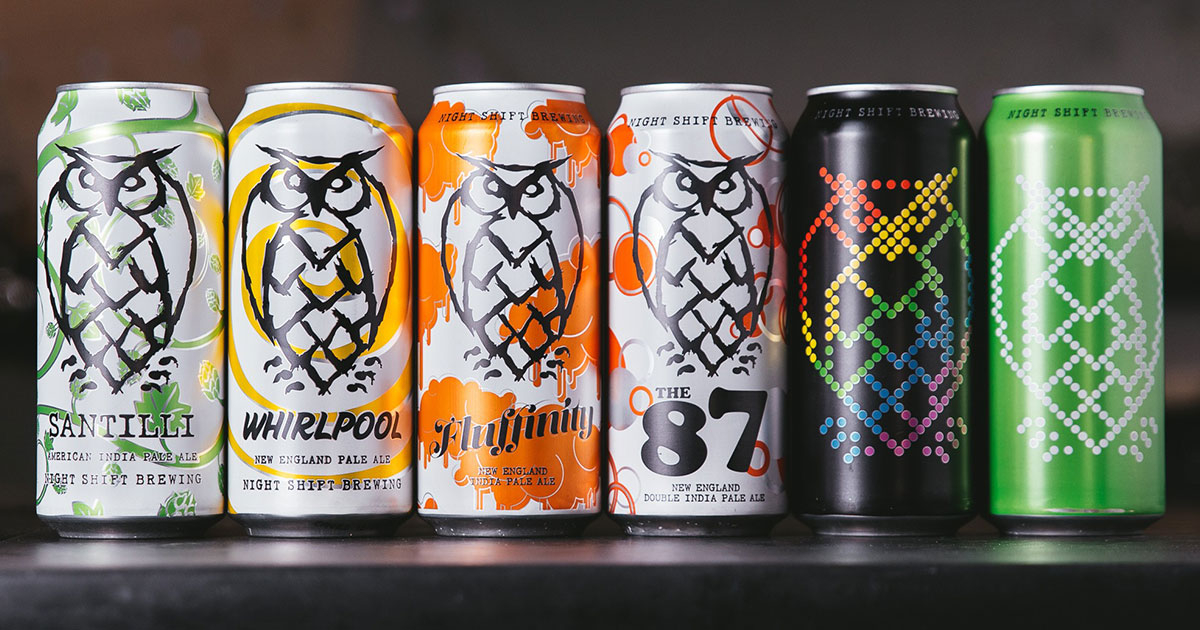
In the early 2020s, as generative AI tools like OpenAI’s ChatGPT became accessible to the public, brewers began experimenting with the technology’s ability to synthesize vast amounts of brewing data. In Boston, Michael Oxton, co-founder of Night Shift Brewing, utilized ChatGPT to develop a "hazy IPA." The results were startlingly efficient. According to Oxton, the AI was capable of producing a comprehensive recipe, including a specific water chemistry profile and hop schedule, in a matter of minutes. In a traditional setting, developing a precise water profile—which involves balancing minerals like calcium, magnesium, and sulfates to highlight specific hop characteristics—can require weeks of research and multiple test batches.
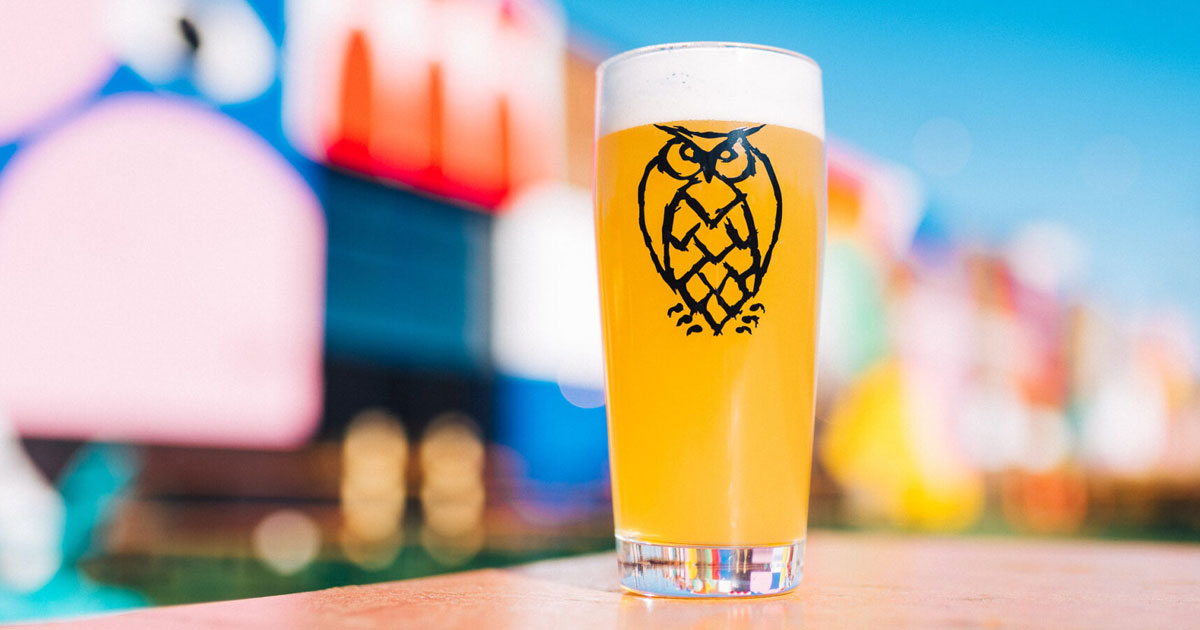
Following this trend, several other breweries launched their own "AI-PAs." Asbury Park Brewery in New Jersey and Atwater Brewing in Detroit both released beers designed by algorithms, while Urban Forest Craft Brewing in Rockford, Illinois, leaned into the nomenclature with its "Put the AI in sAIson." These early experiments served as a proof of concept: AI could not only mimic human brewing logic but could do so with a speed that drastically shortened the product development cycle.
Technical Deep Dive: Neural Networks and Data-Driven Brewing
While many breweries have relied on general-purpose LLMs, some industry innovators have sought to build more specialized, proprietary systems. The now-closed Species X Beer Project, founded by Beau Warren, represented perhaps the most sophisticated application of machine learning in the craft sector. Warren, who possesses a background in both microbiology and data analytics, moved beyond simple text prompts to create a suite of seven custom AI models.
These models utilized a combination of regression analysis and neural networks—computational systems modeled after the human brain that excel at recognizing patterns in large datasets. Warren trained these models on proprietary data, including water chemistry, yeast performance metrics, hop oil compositions, and historical recipe success rates. He even integrated "Carbon Species" data—information derived from human-brewed recipes and customer feedback—to "teach" the AI the specific parameters of a highly-rated beer.
The result was the "Silicon Species" line of beers, which Warren noted often featured ingredient combinations that a human brewer would likely never consider. One notable success was an amber lager brewed with 100% Maris Otter malt. Traditionally, Maris Otter is a premium floor-malted barley reserved for heavy ales like porters and stouts due to its rich, biscuity flavor profile. Using it as the sole base for a crisp lager defied conventional brewing wisdom, yet the AI’s calculation resulted in a balanced, popular product.
In another instance, a model named "Beh3moth" generated a recipe for an imperial pastry Baltic porter. The instructions called for an "insane" list of adjuncts: three types of fruit, coffee, vanilla, 12 varieties of malt, lactose, and marshmallows, followed by a dry-hopping technique usually reserved for New England IPAs. Despite the chaotic ingredient list, the final product was described as remarkably balanced, illustrating the AI’s ability to manage complex chemical interactions that might overwhelm a human formulator.
Supporting Data: The Economic and Biological Imperative
The push toward AI is supported by broader trends in the food and beverage technology market. According to market research reports, the global AI in the food and beverage market was valued at approximately $7 billion in 2023 and is projected to grow at a compound annual growth rate (CAGR) of over 38% through 2030. This growth is driven by the need for supply chain optimization and the rising cost of raw materials like malt and hops.
Beyond recipe generation, AI is also being used to navigate the biological complexities of fermentation. Propagate Lab, a Colorado-based yeast propagation facility, introduced "Yeast Buddy," an AI-driven chatbot designed to help brewers navigate a database of over 120 yeast strains. Yeast is often the most volatile element in brewing; different strains produce vastly different esters and phenols depending on temperature and wort composition. Matthew Peetz, founder of Propagate Lab, compares the tool to a sophisticated library catalog. By inputting desired flavor profiles and technical parameters, brewers can discover obscure yeast strains that they might otherwise overlook in favor of "standard" industry staples. This democratization of data allows smaller breweries to compete with the research and development departments of international beverage conglomerates.
Human-in-the-Loop: The Necessity of Supervision
Despite the impressive capabilities of machine learning, industry experts are quick to dismiss the notion of a total "taproom takeover." The consensus among professionals like Oxton and Warren is that AI functions best as a "creativity enhancement" rather than a replacement for human expertise.
The practicalities of the brewhouse often require human intervention that an algorithm cannot foresee. For example, when Night Shift Brewing produced its AI-PA, the brewing team had to adjust the recipe based on the physical availability of specific hop varieties and the mechanical limitations of their specific brewing system. Similarly, the label art for the beer, while generated by AI, required a human graphic designer to correct visual artifacts and ensure the files were print-ready.
Furthermore, AI remains tethered to the quality of its training data. As Matthew Peetz noted, "It’s as useful as a calculator. If you are punching in the wrong numbers, you’re going to get the wrong result." Without human "guardrails" to ensure the recipes remain within the laws of physics and equipment tolerances, an unmonitored AI could easily suggest a mash thickness that would seize a pump or a fermentation temperature that would kill the yeast.
Broader Implications and Future Outlook
The long-term impact of AI on the craft beer industry remains a subject of debate, particularly as the industry faces significant economic headwinds. The closure of Species X Beer Project shortly after its high-tech debut serves as a reminder that technological innovation cannot always insulate a business from the pressures of rising rents, labor costs, and shifting consumer preferences.
However, the "superhuman" potential described by Beau Warren remains a compelling prospect. As AI models become more refined and accessible, they may become standard equipment in the brewhouse, much like the hydrometer or the pH meter. For the consumer, this likely means a future filled with more diverse and experimental flavor profiles. For the brewer, it offers a way to break through creative plateaus and optimize operations in an increasingly competitive market.
Ultimately, the marriage of artificial intelligence and craft brewing represents a new chapter in the history of fermentation. While the "soul" of craft beer remains rooted in human community and sensory experience, the "brain" of the operation is increasingly digital. By leveraging these tools, the industry is not discarding its traditions but is instead using 21st-century logic to explore the ancient chemistry of water, malt, hops, and yeast. In the words of industry veterans, the goal is not to let the machine brew the beer, but to let the machine help the brewer achieve heights that were previously unreachable.