admin
admin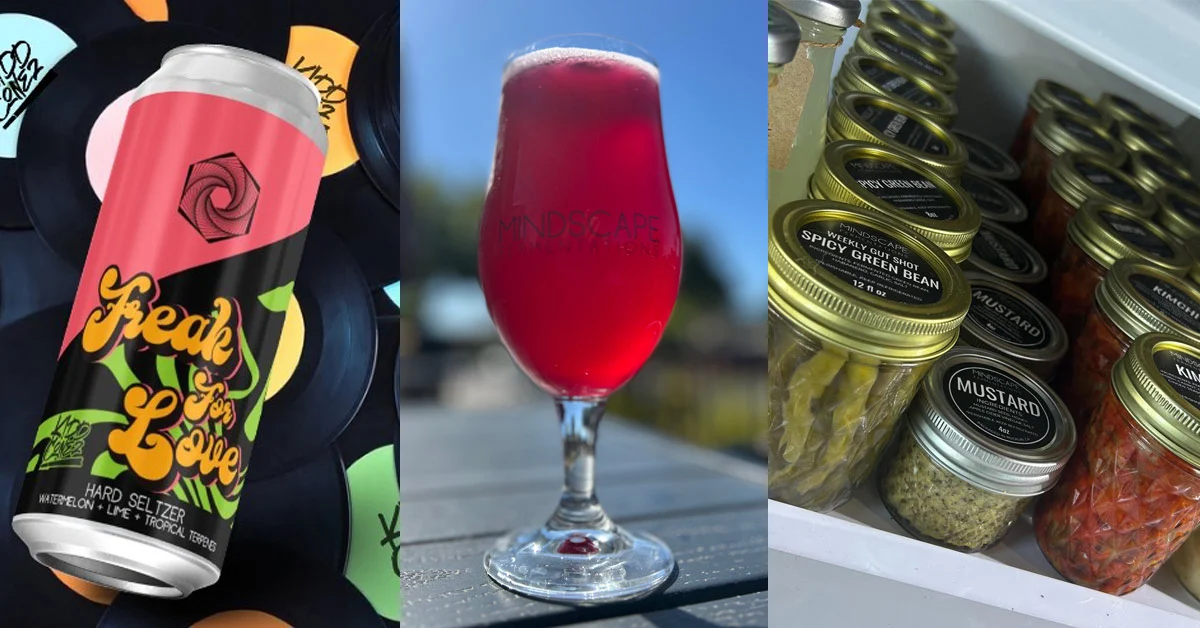
The landscape of the global craft beer industry is currently navigating a period of profound structural evolution, moving beyond the simple production-and-consumption model that defined the previous two decades. While breweries have long served as anchors for local communities, the modern economic climate—characterized by rising overhead costs, market saturation, and shifting consumer demographics—is forcing a reimagining of what a brewery can and should be. No longer merely industrial facilities with attached taprooms, these spaces are increasingly functioning as "third places," a term coined by sociologist Ray Oldenburg to describe environments outside of home and work where people gather to build social capital. From the rural villages of Alsace to the urban centers of Brussels and the suburban corridors of California, a new generation of brewers is prioritizing collective ownership, multi-functional spaces, and a broader definition of fermentation to ensure long-term viability.
The Tiers-Lieu Model: Community Integration in Rural France
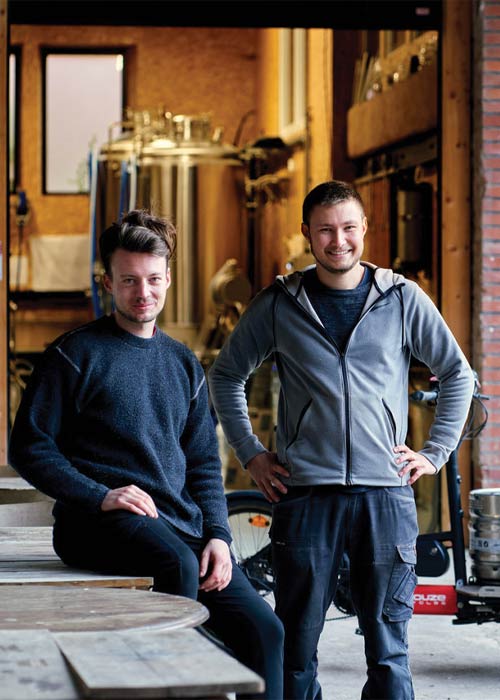
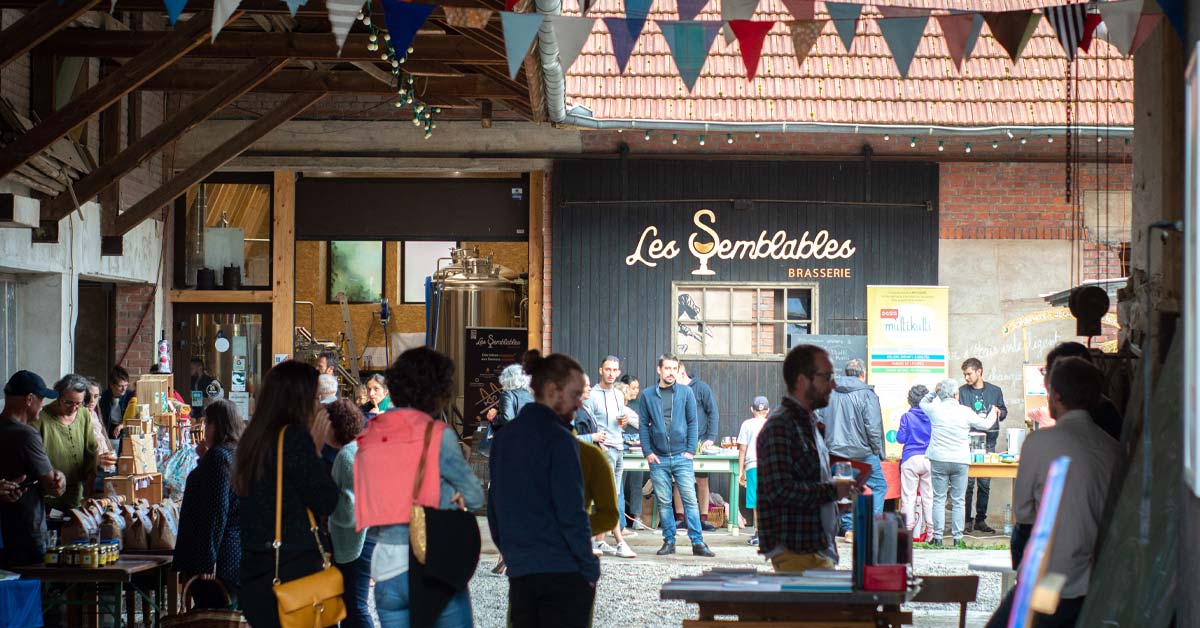
In the French region of Alsace, near the German border, Brasserie Les Semblables exemplifies a shift toward the tiers-lieu (third place) model. Founded by Eliott Pernelle and Etienne Voinson, the brewery was intentionally established not in an isolated industrial park, but within the ecosystem of Oasis Multikulti in the village of Mietesheim. This venue, situated on a converted farm, operates as a collective managed by volunteers, offering a community garden, a farmer’s market, and educational workshops ranging from pottery to knitting.
The integration of a production brewery into a multi-use cultural space represents a strategic response to the isolation often felt by small-scale producers. By choosing to house their equipment in former stables within a pre-existing community hub, Pernelle and Voinson gained immediate access to a built-in audience. This "collective" approach mitigates the marketing challenges faced by new businesses starting from scratch. However, the model requires a commitment that extends beyond brewing; the founders actively participate in the governance of the space, with Pernelle managing the collective’s social media presence. This symbiotic relationship suggests that the future of rural brewing may lie in its ability to support, and be supported by, broader social and sustainable goals.
Strength in Numbers: The Rise of Collaborative Brewing Hubs
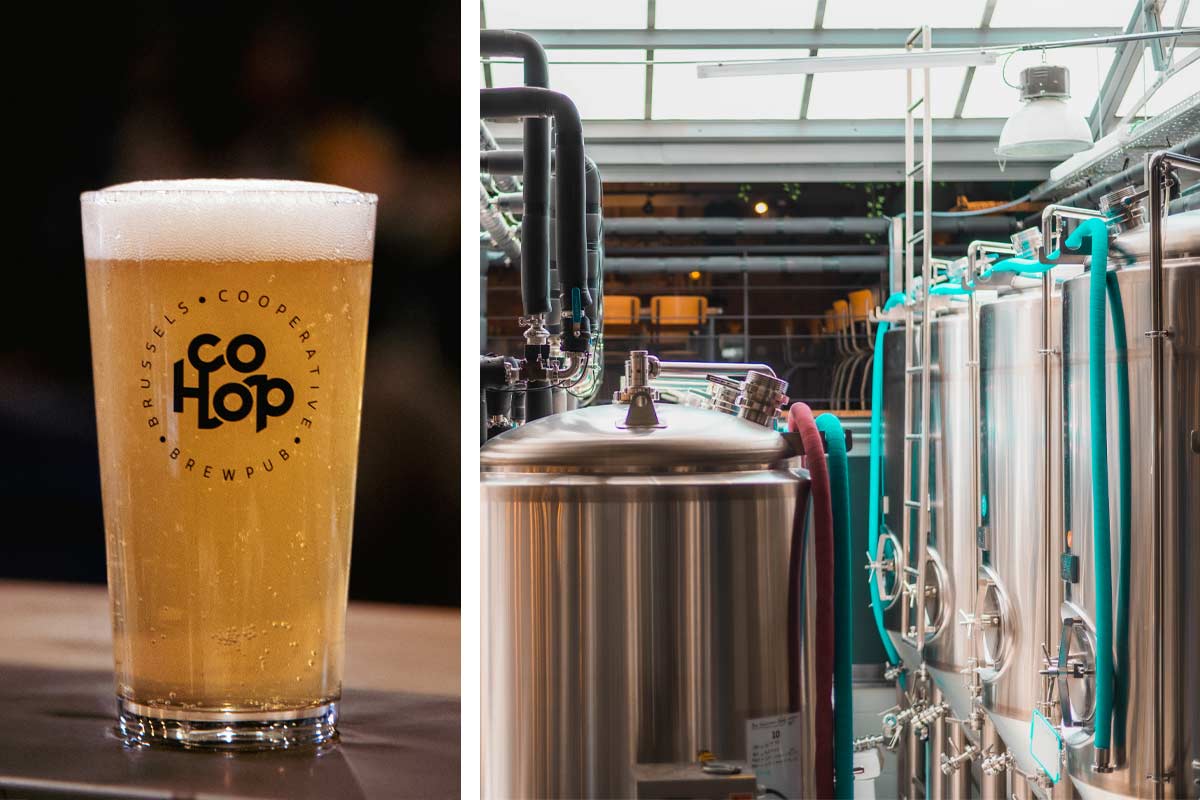
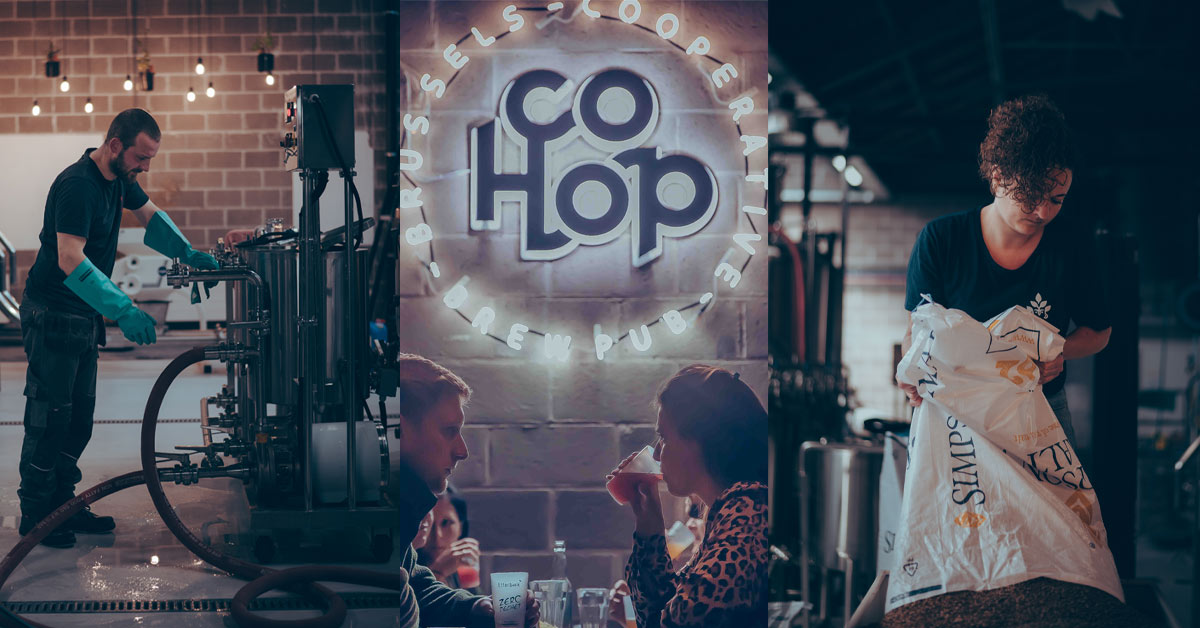
As the cost of stainless-steel brewing equipment and commercial real estate continues to climb, the "lone wolf" model of brewery ownership is becoming increasingly precarious. In Brussels, the CoHop project offers a compelling case study in shared infrastructure. Founded in 2021 by Thomas Detourbe of Brasserie Witloof, CoHop was born from a simple yet radical question: why should five separate microbreweries each invest in five separate brewhouses?
By 2025, the cooperative grew to include five distinct entities: La Bagarre, Janine, 1Bière 2Tartines, and the latest addition, La Flaque. This shared-space model allows each brewery to maintain its unique brand identity and recipes while splitting the massive capital expenditures (CAPEX) associated with professional brewing. The organizational structure is rigorous; one brewery manages the brewing schedule, another handles raw material procurement, and a third oversees maintenance.
The economic logic of CoHop is bolstered by a circular economy approach. For example, Janine operates as both a brewery and a bakery, with the onsite restaurant utilizing their bread for sandwiches, while the spent grain from the brewing process can potentially be reintegrated into food production. This level of efficiency is difficult to achieve in isolation. According to Rémi Pequin, coordinator for CoHop and founder of La Bagarre, the model is a direct response to a "tough" economic climate where the risks of independent ownership are often too high for small-scale artisans to bear alone.
Historical Precedents and the UNESCO Influence
The move toward communal brewing is not a modern invention but a return to historical roots. This trend draws direct inspiration from the German tradition of Zoiglbier, particularly in the Upper Palatinate region of Bavaria. For centuries, non-professional brewers in towns like Windischeschenbach and Neuhaus have shared a communal brewhouse (Kommunbrauhaus). In 2018, UNESCO recognized the "Upper Palatinate Zoigl Culture" as part of Germany’s intangible cultural heritage, highlighting its role in fostering social cohesion.
Modern cooperatives like CoHop are essentially scaling this ancient tradition for the 21st-century commercial market. By acknowledging these historical precedents, today’s brewers are grounding their innovative business models in a proven legacy of community resilience. The resurgence of these models suggests a cyclical shift in the industry, moving away from the hyper-competitive, brand-centric focus of the 2010s toward a more collaborative, heritage-focused framework.
From Breweries to Fermentariums: Diversifying the Product Mix
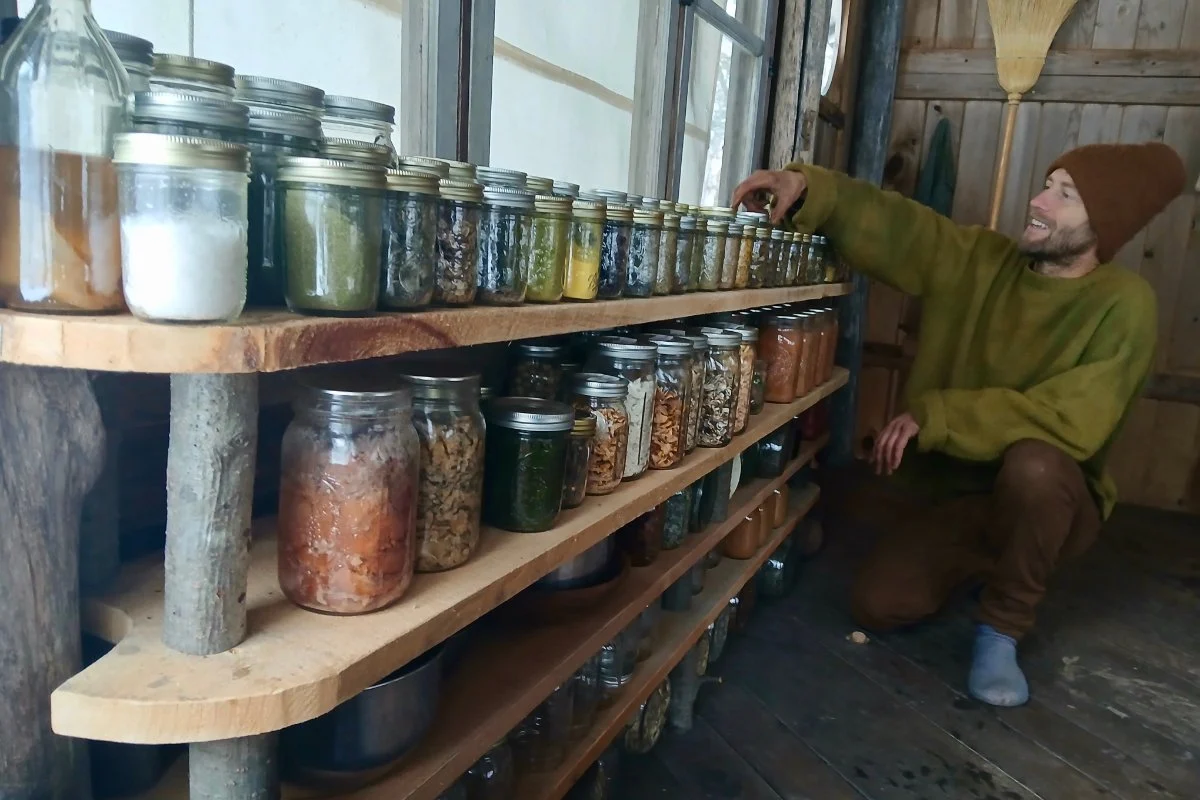
Parallel to the evolution of physical spaces is the evolution of the liquids inside the tanks. A growing number of producers are shedding the "brewery" label in favor of "fermentery" or "fermentarium," signaling a move away from a beer-only portfolio. This diversification is a strategic hedge against the global decline in traditional beer consumption, particularly among younger demographics who are increasingly "sober-curious" or seeking low-alcohol alternatives.
Mindscape Fermentations in Rocklin, California, founded by Lauren Price and Lauren Houston, represents this new wave of "fermentation-focused" businesses. By producing a range of products including beer, kombucha, seltzer, and fermented foods, they appeal to a wider demographic than the traditional craft beer enthusiast. Houston notes that their clientele is significantly more diverse than that of a standard taproom, with nearly double the average number of female patrons and a broader age range.
This shift is reflected globally. In Philadelphia, Fermentery Form utilizes winemaking techniques like the Solera system for co-fermented beers. In Belgium, L’Annexe produces fermented beverages infused with flowers, while in France, Fermenterie des Champs Marmo defines itself as an experimental laboratory for alternative fermentations including cider and kombucha. This "fermentation-first" mindset allows these businesses to pivot quickly to market trends without the stigma of abandoning their core identity as brewers.
Economic Pressures and Market Data Context
The move toward these hybrid models is supported by sobering industry data. According to the Brewers Association, while the number of operating craft breweries in the United States remains at an all-time high, the rate of growth has slowed significantly, and closures are on the rise. In 2023 and 2024, the industry saw a "maturation" phase where volume growth was largely flat.
Rising costs for aluminum, CO2, and malted barley—exacerbated by global supply chain disruptions—have squeezed margins to the point where the traditional taproom model may no longer suffice. Furthermore, the "sober-curious" movement is no longer a niche trend; market research indicates that nearly 40% of consumers are actively trying to reduce their alcohol intake. By transforming into multi-functional community hubs and diversifying into non-alcoholic ferments, breweries are positioning themselves to survive a landscape where beer is no longer the sole draw.
Broader Impact and Industry Implications
The implications of these shifts are twofold: environmental sustainability and social inclusivity. The shared-resource model of CoHop significantly reduces the environmental footprint of beer production by consolidating energy use and waste management. In an industry that is traditionally water- and energy-intensive, the efficiency gained through cooperation is a vital component of modern corporate responsibility.
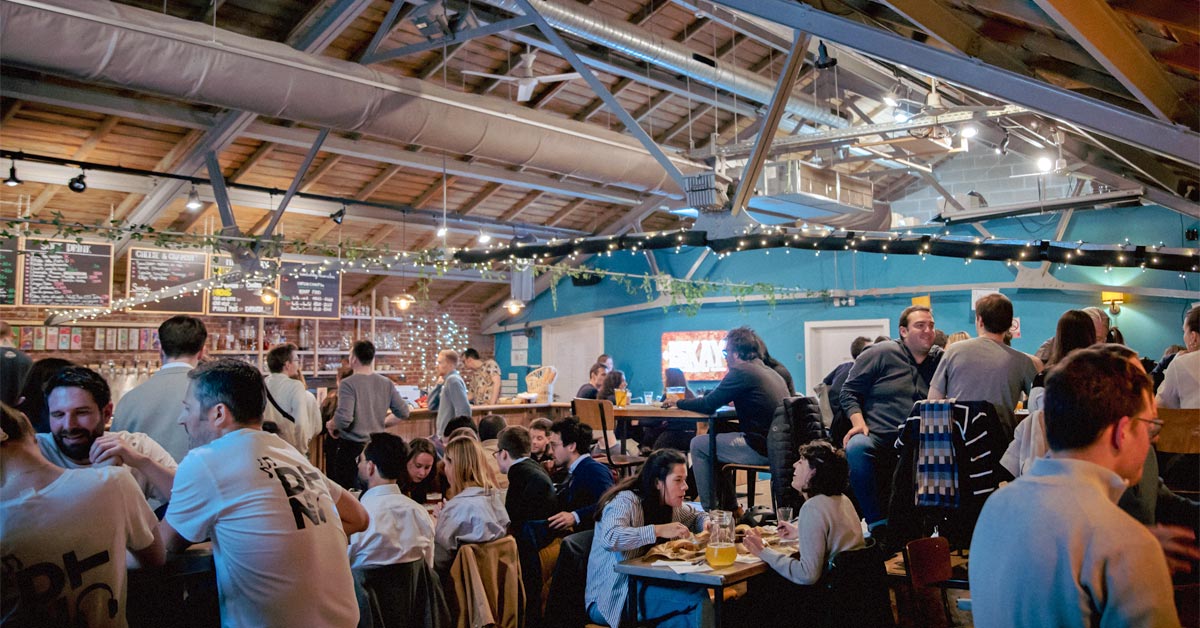
Socially, the "Third Place" brewery is becoming more inclusive. By hosting farmers’ markets, craft classes, and offering non-alcoholic fermented beverages, these spaces are breaking down the "boys’ club" atmosphere that has historically plagued the craft beer scene. The focus on "sustainability and health," as noted by the founders of Mindscape Fermentations, allows these businesses to speak to a values-driven consumer base that prioritizes community impact over brand prestige.
As the industry moves forward, the breweries that thrive will likely be those that view themselves not just as manufacturers, but as essential social infrastructure. Whether through the shared ownership of expensive machinery or the integration into rural community centers, the "redefinition" of the brewery is ultimately a return to the industry’s most fundamental purpose: bringing people together. The success of Les Semblables, CoHop, and Mindscape Fermentations suggests that in an increasingly digital and isolated world, the physical "third place" remains more relevant than ever—provided it is willing to evolve.