admin
admin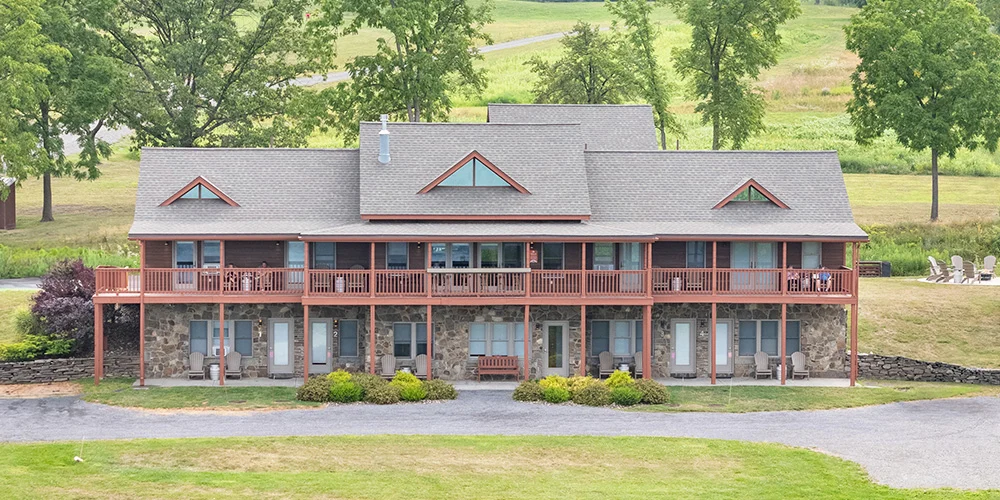
Across the American landscape, the craft brewing industry is undergoing a significant structural transformation, moving beyond the traditional taproom model to embrace the hospitality sector through boutique accommodations and destination-based tourism. Brewers are increasingly repurposing historic structures, including barns, schools, and bungalows, into specialized lodging that reflects their specific brand identity. This shift marks a transition from "stop-and-go" beer consumption toward a "beercation" model, where enthusiasts seek immersive experiences that integrate the brewing process with luxury or rustic stays. These destinations, ranging from alpine lodges in Vermont to luxury cabins in the Pacific Northwest, represent a strategic diversification of revenue streams and a deepening of the emotional connection between craft brands and their consumer base.
The Shift Toward Experiential Hospitality
The emergence of brewery-owned lodging is a direct response to a maturing craft beer market. With over 9,000 craft breweries operating in the United States as of 2024, according to the Brewers Association, competition for consumer attention has intensified. In this crowded marketplace, simply producing high-quality beer is often insufficient to maintain long-term brand loyalty. Consequently, breweries are pivoting toward "experiential marketing," a strategy where the environment and the brand story become as critical as the product itself.
Beer tourism has evolved from a niche hobby into a major economic driver. Industry data suggests that craft beer travelers often spend significantly more than the average tourist, seeking out localized, authentic experiences. By offering overnight stays, breweries can control the entire narrative of the guest’s visit—from the morning coffee to the late-night fireplace pint. This model allows for a storytelling platform that reflects the brand’s values through interior design, hospitality standards, and curated social interactions.
Case Study: Cabin Culture in the Pacific Northwest
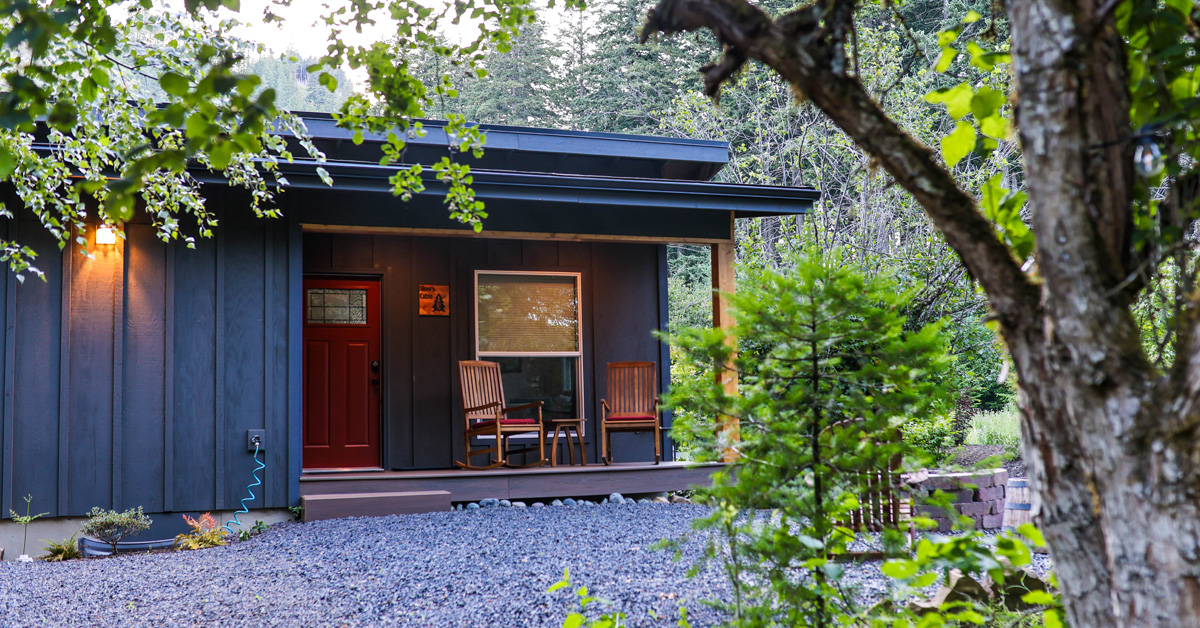
In the scenic Columbia River Gorge, Backwoods Brewing Company in Carson, Washington, exemplifies the successful integration of regional outdoor culture with craft hospitality. The brewery, located approximately one hour from Portland, Oregon, and three hours from Seattle, has long been a staple for hikers and outdoor enthusiasts. Recognizing the potential for extended stays, the Waters family, who owns the brewery, launched Backwoods Cabins to capitalize on the region’s natural beauty.
The development of these cabins reflects a sophisticated understanding of "PNW cabin-core" aesthetics combined with modern luxury. Each of the eight cabins features a theme—such as the Stargazer’s or Hiker’s cabin—aligned with the local geography. CEO Steve Waters notes that the goal was to create a space where guests felt encouraged to "slow down" and linger, effectively turning a tasting room visit into a multi-day retreat.
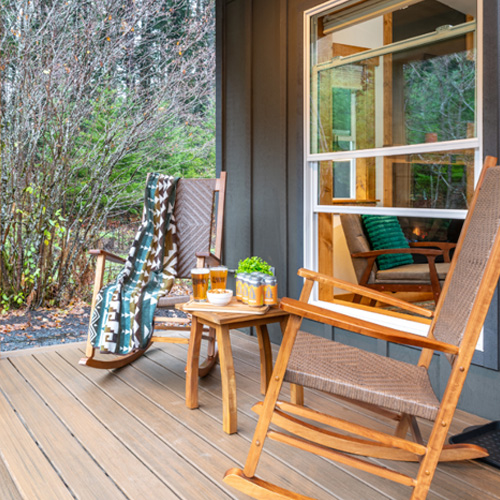
The cabins offer high-end amenities, including 600-thread-count linens and hops-scented spa products, bridging the gap between rugged outdoor exploration and refined comfort. From a business perspective, the integration is seamless; guests can pre-order beer for their rooms, which often includes a curated mix of the brewery’s current favorites, such as the Party Acres Hazy IPA or the Ridge Run Oatmeal Stout. This approach not only increases direct-to-consumer sales but also ensures that the brewery’s products are consumed in the exact environment the brewers intended.
The Alpine Legacy of the von Trapp Family
In Stowe, Vermont, the von Trapp Family Lodge and von Trapp Brewing provide a historical and cultural depth that is rare in the American brewing scene. Founded by the family made famous by The Sound of Music, the 2,600-acre estate has evolved into a premier destination for European-style lager enthusiasts. The brewery was established by Johannes von Trapp, who sought to replicate the crisp, refreshing lagers of his heritage—beers that are traditionally enjoyed after physical activity such as skiing or hiking.
The von Trapp model is fully immersive, utilizing natural spring water from the estate to produce award-winning Helles, Kölsch, and Oktoberfest styles. The hospitality component includes Austrian-inspired cuisine, guided brewery tastings, and snowshoe tours led by family members. Emily Provost, the brewery’s marketing manager, emphasizes that the experience is about connecting history, nature, and the land from which the beer originates. By staying on-site, visitors are not just customers; they are guests in a living history of the family’s transition from Austria to the Vermont hills.
Strategic Lodging in the Finger Lakes
While many breweries add lodging as an afterthought, Grist Iron Brewing in Watkins Glen, New York, utilized a lodging-first strategy. When the owners scouted the property in the heart of the Finger Lakes region, the existing rooms were a primary selling point. Today, The Lodge at Grist Iron serves as a hub for travelers exploring the local wine and beer trails.
The design of the lodge incorporates "rustic-modern" elements, featuring black-and-white brewing murals and subway-tiled showers. Notably, the rooms include built-in shower ledges specifically designed for "shower beers," a playful nod to the brand’s identity. The brewery has expanded its footprint with "Beer Mountain," a disc golf course and dog park, further blurring the lines between a traditional brewery and a full-scale resort. According to marketing coordinator Emily Knowlden, the lodging allows guests to engage more deeply with the staff and the brand, leading to higher rates of return visits and stronger brand advocacy.
Adaptive Reuse and Historic Preservation
One of the most significant contributors to the brewery-lodging trend is McMenamins, a company based in Oregon and Washington that has mastered the art of adaptive reuse. McMenamins transforms derelict historic buildings—including former schools, poor farms, and churches—into eclectic hotel-brewery hybrids. This model preserves local history while providing a unique, "treasure-hunt" style experience for guests.
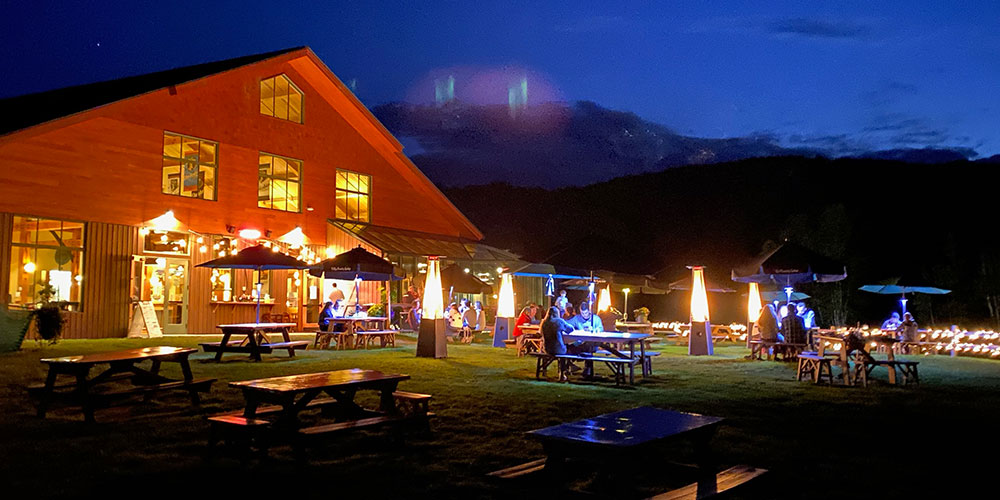
These properties often feature secret bars hidden behind unmarked doors, extensive local artwork, and onsite breweries producing staples like the Ruby Ale and Hammerhead Pale Ale. By saving historic structures, McMenamins provides a sense of place that new construction cannot replicate, appealing to travelers who value authenticity and architectural heritage. This approach has proven highly successful in revitalizing small towns and urban neighborhoods alike.
Emerging Concepts and Niche Branding
The trend continues to diversify with quirky, hyper-branded stays such as The Brewhalla Crash Pad in Fargo, North Dakota. Operated by Drekker Brewing, this boutique hotel features rooms themed after specific beers. For instance, the "Mind Bullets" suite utilizes psychedelic murals and industrial ductwork to mirror the label art of the brewery’s sour IPA. This level of branding turns the stay into a social media-ready event, appealing to a younger demographic of beer travelers who prioritize unique aesthetics.
In Wisconsin, the Commerce Street Brewery Hotel in Mineral Point offers a more traditional European-style brewpub experience. By providing lodging above the brewery, the inn captures the charm of historic Mineral Point, encouraging visitors to explore the local arts district while enjoying classic styles like the Mineral Point Pilsner.
Economic and Industry Implications
The integration of lodging into the brewery business model has several key implications for the industry:
- Revenue Diversification: Lodging provides a stable, high-margin revenue stream that is less susceptible to the seasonal fluctuations sometimes seen in taproom sales.
- Direct-to-Consumer Growth: Guests staying on-site are more likely to purchase packaged beer, merchandise, and food, maximizing the "wallet share" of each visitor.
- Brand Equity: Immersive stays create emotional connections that are far more durable than those formed during a standard bar visit. This leads to long-term brand loyalty.
- Regional Economic Impact: Brewery destinations often become anchors for local tourism, drawing visitors to rural or under-served areas and supporting surrounding businesses.
The Brewers Association, the non-profit trade group for small and independent craft brewers, continues to monitor these trends as part of its mission to promote and protect the industry. While the organization does not officially endorse specific commercial ventures, the rise of "beercations" is recognized as a vital component of the modern craft beer ecosystem.
Future Outlook
As the craft beer industry continues to evolve, the line between "brewery" and "hospitality group" will likely continue to blur. Future developments may include more sophisticated wellness integrations—such as beer-themed spas or fitness retreats—and increased use of technology to personalize the guest experience.
The success of these immersive destinations suggests that the modern consumer is looking for more than just a product; they are looking for a story they can participate in. Whether it is a luxury cabin in Washington or a historic schoolhouse in Oregon, the message from the industry is clear: the future of craft beer is not just in the glass, but in the destination itself. For the traveler, this means the next great pint is no longer just a drive away—it is right outside their bedroom door.