admin
The global craft brewing industry is currently navigating a transformative era characterized by market saturation, rising production costs, and shifting consumer preferences. No longer content with the traditional model of a simple production facility and taproom, brewery owners are increasingly reimagining their establishments as multifaceted community hubs and experimental fermentation laboratories. This evolution reflects a broader movement toward the "third place"—a social environment separate from the two usual social environments of home and the workplace—while simultaneously addressing the economic necessity of diversification and resource sharing.
Over the past decade, the industry has witnessed a gradual expansion of the brewery footprint. Initial innovations included the integration of coffee shops and co-working spaces to maximize daytime foot traffic, the development of outdoor accommodations for recreational vehicles, and the establishment of boutique lodging. However, the current economic climate, marked by inflation and a cooling of the explosive growth seen in the early 2010s, has pushed brewers to seek even more radical departures from the status quo. From the rural "tiers-lieu" of France to the cooperative production hubs of Belgium and the "fermentoriums" of the United States, the definition of a brewery is being fundamentally rewritten.
The Tiers-Lieu Model: Integration with Rural Social Infrastructure
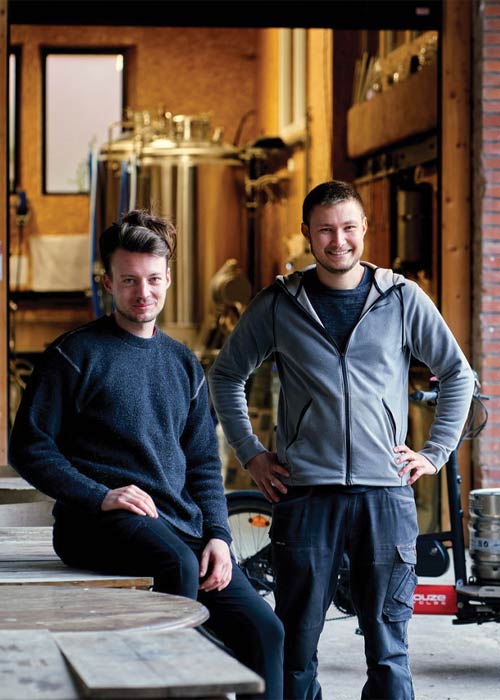
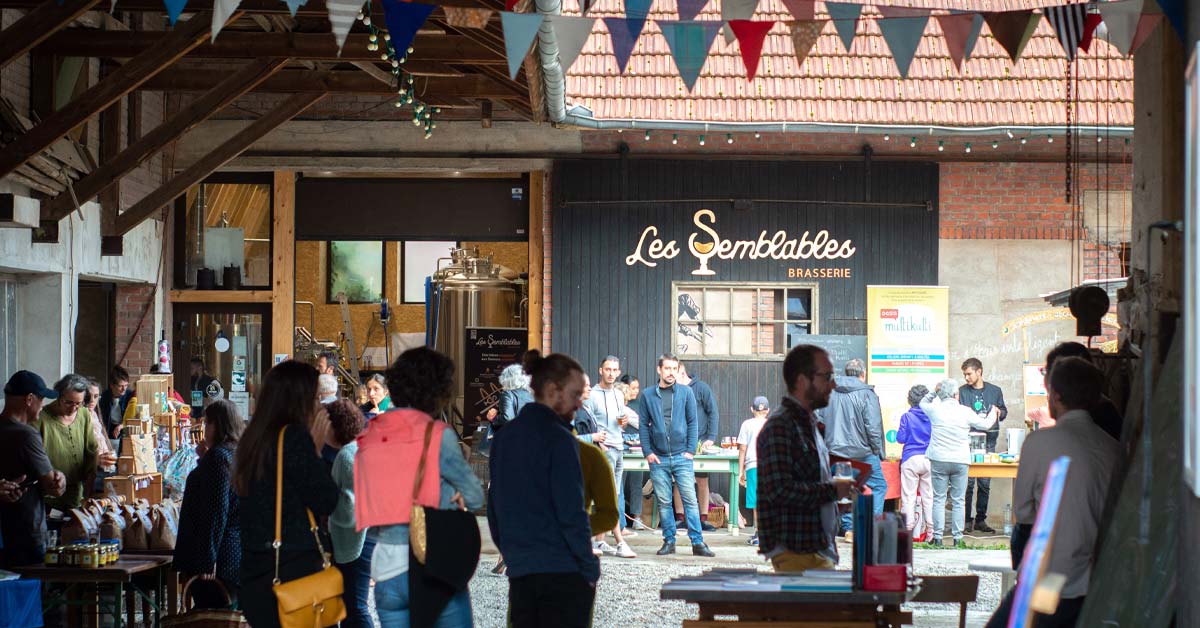
In the Alsace region of France, Brasserie Les Semblables exemplifies a new wave of breweries that prioritize social integration over industrial isolation. Founded by Eliott Pernelle and Etienne Voinson, the brewery was established not in a standard commercial park, but within a "tiers-lieu" known as Oasis Multikulti. Located on a historic farm in the village of Mietesheim, near the German border, this "third place" is managed by a volunteer association dedicated to educational, sustainable, and cultural programming.
The decision to settle in an existing community hub was a strategic response to the challenges of starting a brand from scratch. By occupying former stables on the farm, Les Semblables immediately gained access to a built-in audience of participants attending pottery classes, writing workshops, and weekly farmer’s markets. According to Pernelle, the strength of the location lies in its established reputation, providing a level of visibility that would have taken years to build independently.
However, this model requires a symbiotic relationship that goes beyond a standard landlord-tenant agreement. The brewers actively participate in the governance and maintenance of the site, with Pernelle managing the association’s social media presence. This volunteer-driven approach reflects a growing trend in European craft brewing where social capital is traded for physical space, fostering a resilient business model that is deeply embedded in local social fabric.
Cooperative Brewing: The Economics of Shared Production
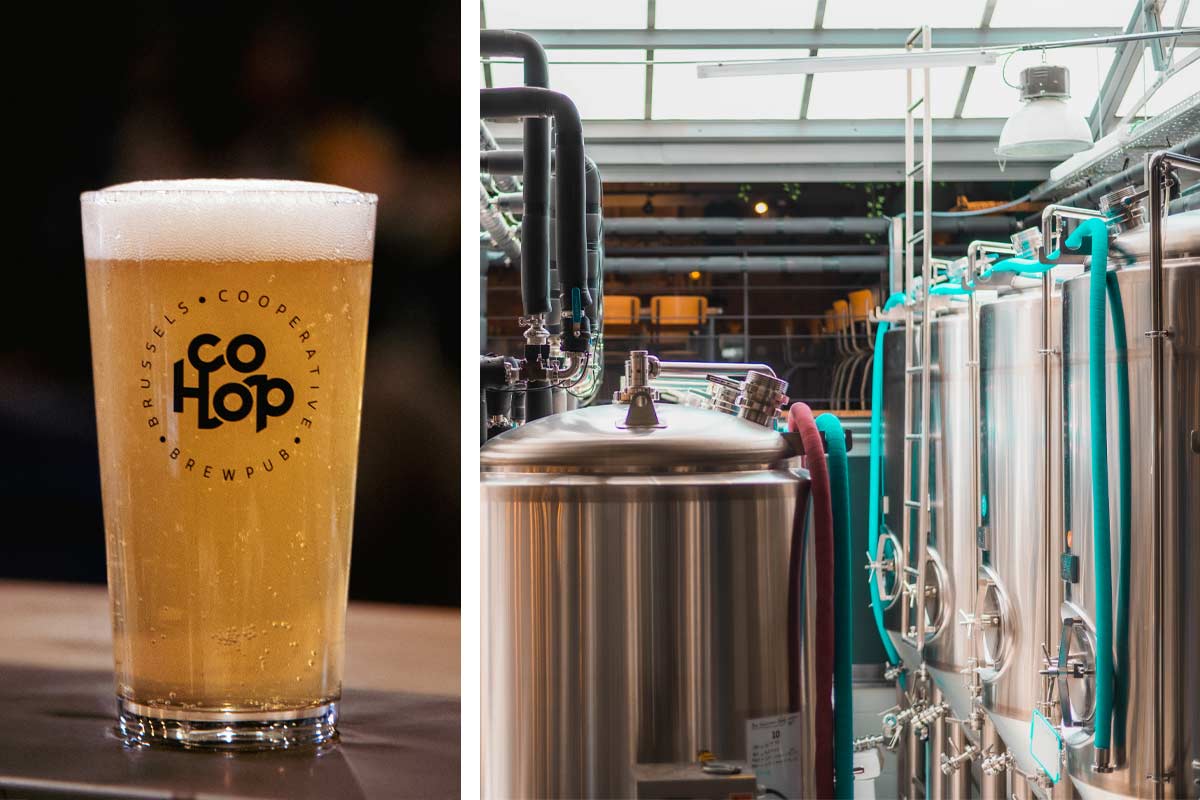
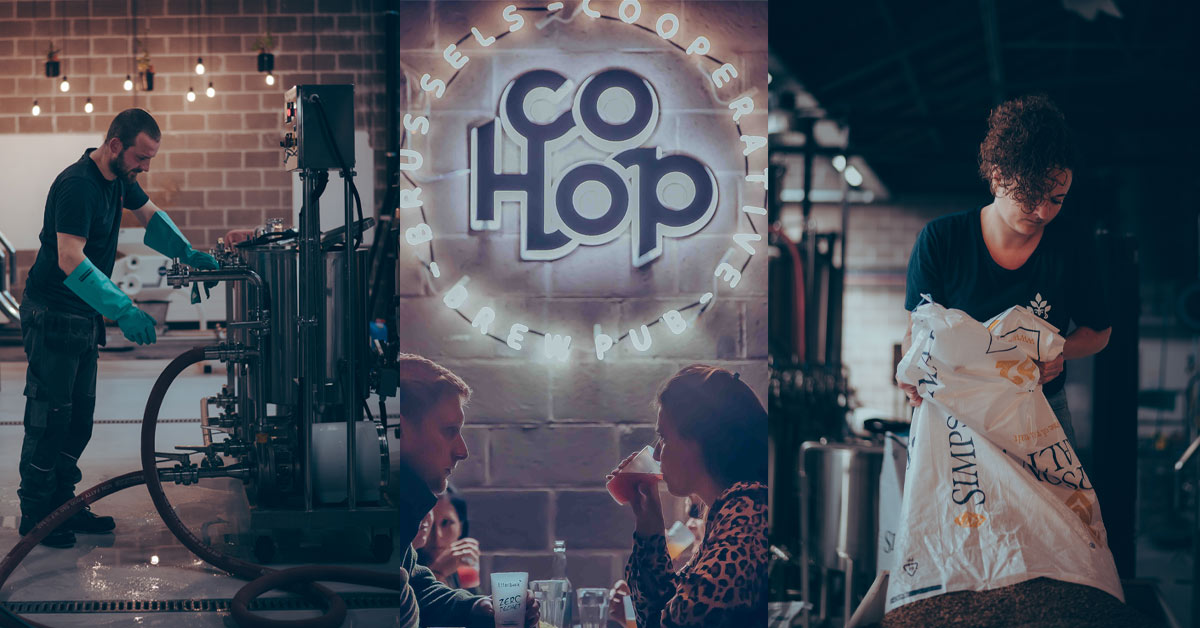
While French brewers are focusing on social integration, their counterparts in Brussels are addressing the financial hurdles of the industry through radical collaboration. The launch of CoHop in 2021 marked a significant shift in how microbreweries approach capital expenditure. Founded by Thomas Detourbe of Brasserie Witloof and joined by four other entities—La Bagarre, Janine, 1Bière 2Tartines, and most recently, La Flaque—CoHop operates as a shared production facility where equipment and costs are split among the participants.
The cooperative model is a direct response to the "contract brewing" trap, where small brands pay larger facilities to produce their beer but lack the capital to build their own brewery. By pooling resources, these five distinct brands can afford high-end professional equipment that would be financially unattainable for a solo venture. Rémi Pequin, coordinator of CoHop and founder of La Bagarre, notes that this arrangement also addresses environmental concerns; a single brewhouse serving five brands is significantly more sustainable in terms of energy and water usage than five separate facilities.
The logistical complexity of such an arrangement is managed through a division of labor. Each brewery takes ownership of a specific administrative or operational task—such as raw material procurement, scheduling, or maintenance—ensuring that the facility runs smoothly without a single entity bearing the entire burden. Furthermore, the onsite taproom and bakery (operated by Janine) create a circular economy where the diverse beer portfolio of all five members is showcased alongside artisanal food products.
Historical Precedents and the Zoiglbier Tradition
The move toward communal brewing is not a modern invention but a revival of ancient European traditions. The concept of shared production mirrors the "Zoiglbier" tradition of Upper Palatinate, Germany. For centuries, non-professional brewers in five Bavarian towns have utilized communal brewhouses to produce beer, which is then sold out of their homes on a rotating schedule marked by a "Zoigl" star.
In 2018, UNESCO recognized the Zoigl culture as part of Germany’s "intangible cultural heritage," highlighting its role in fostering community cohesion. Modern cooperatives like CoHop and community-centric breweries like Les Semblables are essentially modernizing this centuries-old framework to survive in a 21st-century market. By looking backward at communal models, brewers are finding a path forward that bypasses the high-risk, high-competition nature of traditional commercial expansion.
The Rise of the Fermentorium: Product Diversification
Beyond the physical and economic structure of the brewery, the actual contents of the fermentation tanks are also undergoing a revolution. As beer consumption patterns change—particularly with the rise of the "sober-curious" movement and a growing demand for low-alcohol alternatives—many brewers are rebranding themselves as "fermentoriums."
This shift is evident in the United States and Europe, where establishments are moving away from a beer-exclusive menu. Examples include:
- Fermentery Form (Philadelphia): Utilizing winemaking techniques and Solera systems for co-fermented beverages.
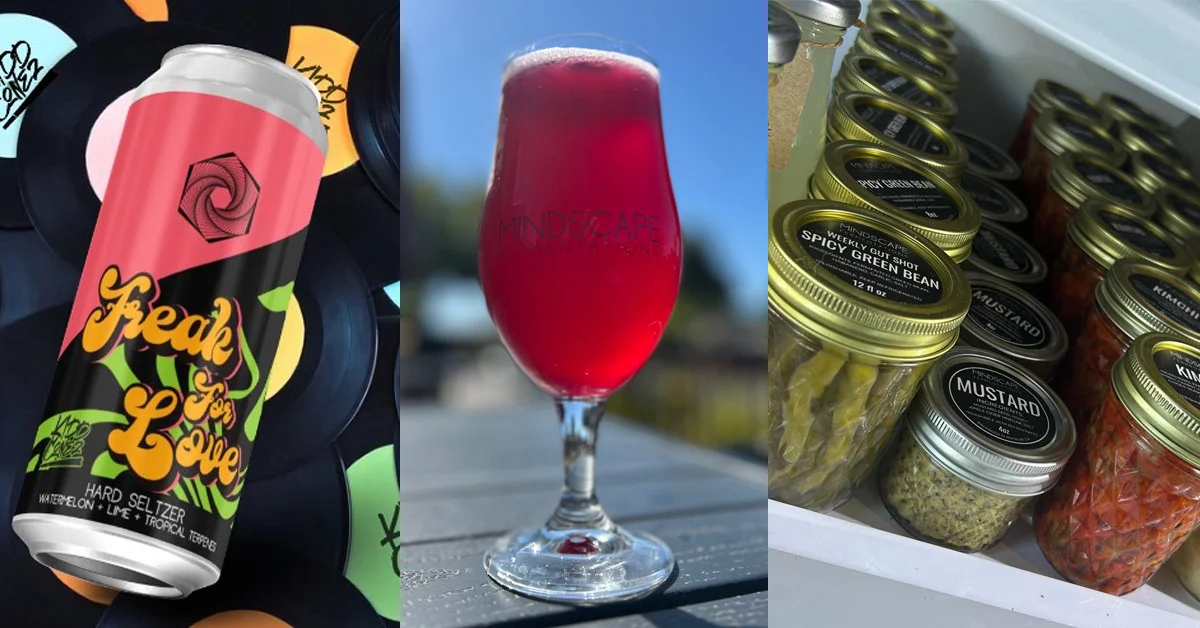
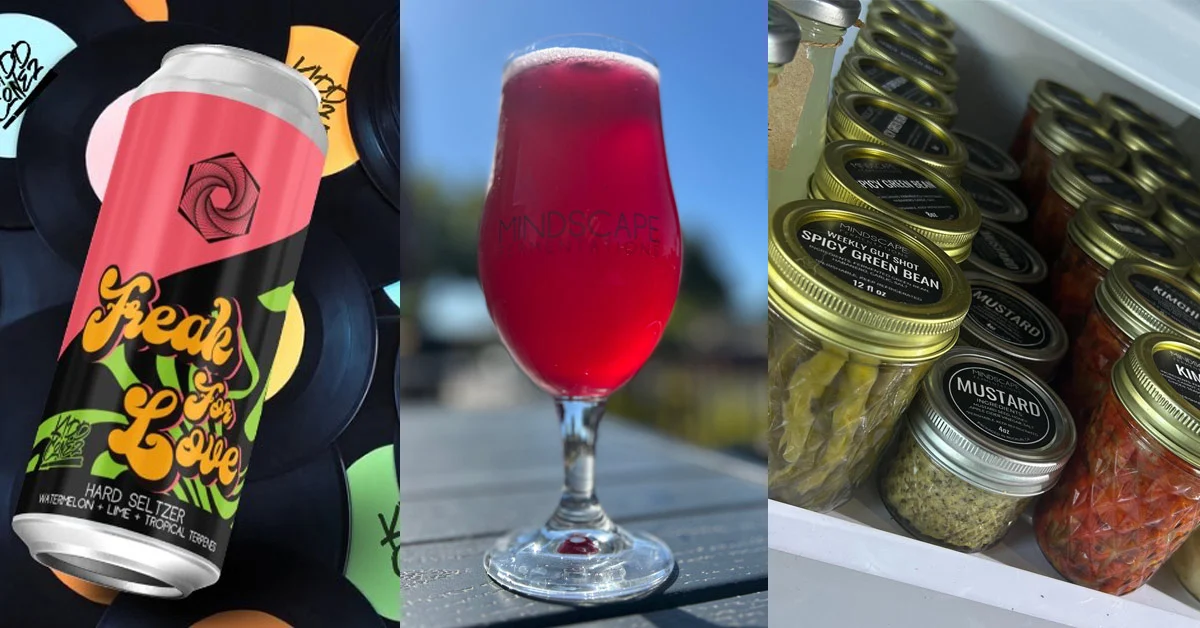
- Mindscape Fermentations (California): Producing a wide array of fermented products, including kombucha, seltzers, and fermented foods.
- Fermenterie des Champs Marmo (France): An experimental space focusing on cider, kombucha, and alternative fermentations.
For Lauren Price and Lauren Houston, co-founders of Mindscape Fermentations, the decision to use the term "fermentorium" was a calculated risk intended to signal a broader focus on fermentation science. While the term requires more consumer education than the word "brewery," it allows the business to pivot based on market trends. If beer sales decline, the growth of kombucha or fermented food products can offset the losses, providing a hedge against market volatility.
Market Data and Consumer Demographics
The shift toward diversified fermentation and community-centric spaces is supported by broader industry data. According to the Brewers Association’s 2023 year-end report, the craft beer market in the United States saw a 1% decline in volume, the first non-pandemic year decline in recent history. Meanwhile, the global kombucha market is projected to grow at a compound annual growth rate (CAGR) of 15% through 2030, and the non-alcoholic beer sector is expanding rapidly.
Diversification also appears to be a key driver of inclusivity. Houston and Price observed that Mindscape Fermentations attracts a significantly more diverse demographic than traditional breweries, with nearly double the average number of female patrons. By focusing on health-conscious fermentation, sustainability, and a wider variety of flavor profiles, these "fermentoriums" are successfully reaching segments of the population that have historically felt excluded from or uninterested in traditional craft beer culture.
Strategic Implications for the Future of Craft Beer
The ongoing redefinition of the brewery concept suggests several key implications for the future of the hospitality and beverage industries:
- Economic Resilience through Cooperation: The CoHop model suggests that the future of small-scale manufacturing may lie in shared infrastructure. By reducing overhead and sharing the burden of administrative tasks, small producers can maintain their independence while enjoying the economies of scale typically reserved for larger corporations.
- Social Capital as a Business Asset: Breweries that integrate into existing social structures, like Les Semblables, are finding that community engagement is a powerful marketing tool. In an era of digital fatigue, physical "third places" that offer genuine social interaction and educational opportunities are becoming increasingly valuable.
- Adaptability in Production: The "fermentorium" model allows businesses to remain agile. As consumer tastes shift away from high-ABV (alcohol by volume) styles like Imperial IPAs toward lighter, functional, or non-alcoholic beverages, facilities equipped for diverse fermentation are better positioned to survive.
- Sustainability as a Core Value: Shared facilities and rural integration projects often prioritize resource efficiency. This aligns with the values of younger consumers who increasingly factor a brand’s environmental and social impact into their purchasing decisions.
As the industry continues to mature, the breweries that thrive will likely be those that view themselves as more than just producers of alcohol. By embracing the roles of community organizer, educator, and experimental scientist, modern brewers are ensuring that their "third places" remain vital, relevant, and economically viable in a rapidly changing world. The transition from "brewery" to "community fermentation hub" represents not just a change in nomenclature, but a fundamental shift in the philosophy of craft production.