admin
The landscape of American craft brewing is defined by a constant tension between tradition and radical experimentation. While hops have long been the primary focus of innovation, a growing segment of the industry has turned its attention to the complex, often polarizing profile of the banana. This movement spans from the delicate, yeast-driven esters of German-style wheat beers to the dense, fruit-heavy profiles of modern "pastry" stouts and "smoothie" sours. Achieving the perfect banana character, however, is a task that involves significant technical hurdles, shifting federal regulations, and a deep understanding of botanical history.
The Newark Experiment: A Catalyst for Innovation
In early 2020, the creative boundaries of banana-centric brewing were tested in Newark, Ohio. Josh and Heather Lange, founders of DankHouse Brewing, were preparing for the Juicy Brews IPA festival in Pittsburgh. Their flagship entry, "Banana Peel’d," a hazy India Pale Ale, was designed to showcase a prominent banana profile. However, days before the event, the couple found the flavor profile lacking. The ensuing scramble highlighted the logistical difficulties of working with the fruit: bulk aseptic purées could not be shipped in time, and attempts to use store-bought bananas resulted in unappetizing oxidation and a brownish tint.
The solution was found in an unlikely place: the infant nutrition aisle. Discovering that their preferred commercial purée shared an identical composition with Gerber banana baby food, the Langes sourced the product from every grocery store within a 40-mile radius of Columbus. This "scooping party" allowed them to amplify the beer’s flavor profile just in time for the festival. The incident underscored a broader truth in the industry: even as craft beer reaches new heights of sophistication, brewers must often rely on trial, error, and unconventional sourcing to achieve specific sensory targets.
Botanical History and the Chemistry of Aroma
To understand the brewer’s obsession with banana, one must look back to the mid-20th century. The global banana market was once dominated by the Gros Michel (Big Mike) cultivar. This variety was rich in isoamyl acetate, the fruity ester that provides the signature "banana" scent. However, by the 1950s, a fungal outbreak known as Panama disease decimated the Gros Michel, leading to its replacement by the Cavendish banana.
The Cavendish contains significantly lower levels of isoamyl acetate, creating a sensory gap for modern consumers. This explains why artificial banana flavorings—such as those found in Runts or Laffy Taffy candies—often taste "more like banana" than the fruit found in modern grocery stores. In the brewing world, isoamyl acetate is a natural byproduct of fermentation. While it is considered an "off-flavor" in many styles, it is the defining characteristic of the German Hefeweizen.
The Science of Yeast Stress and Ester Production
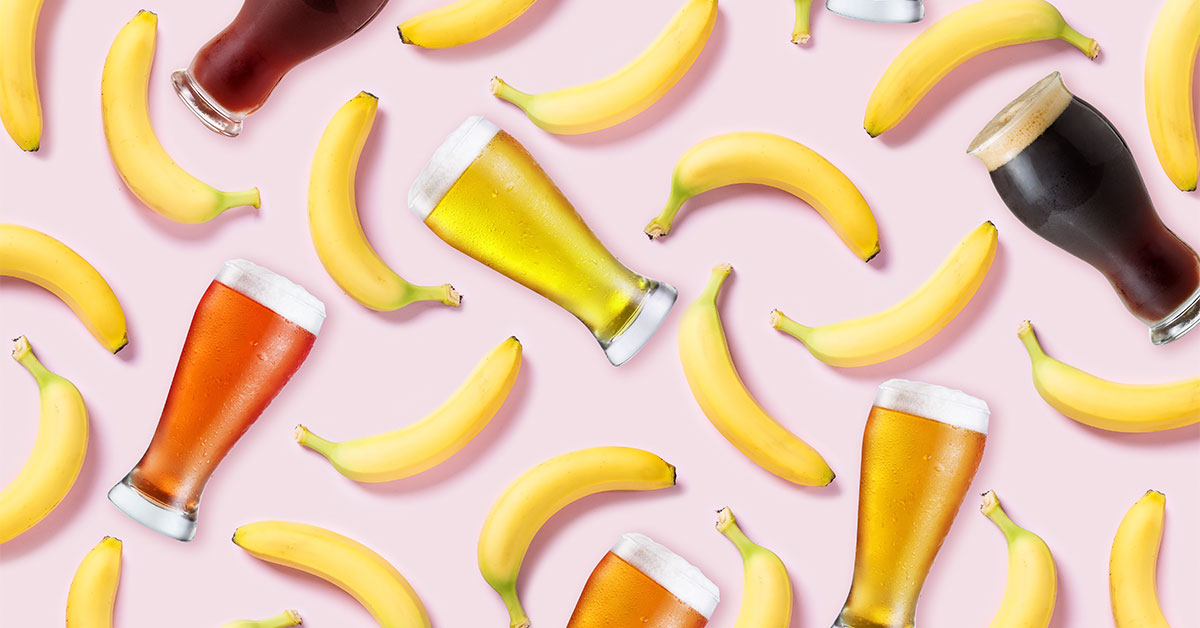
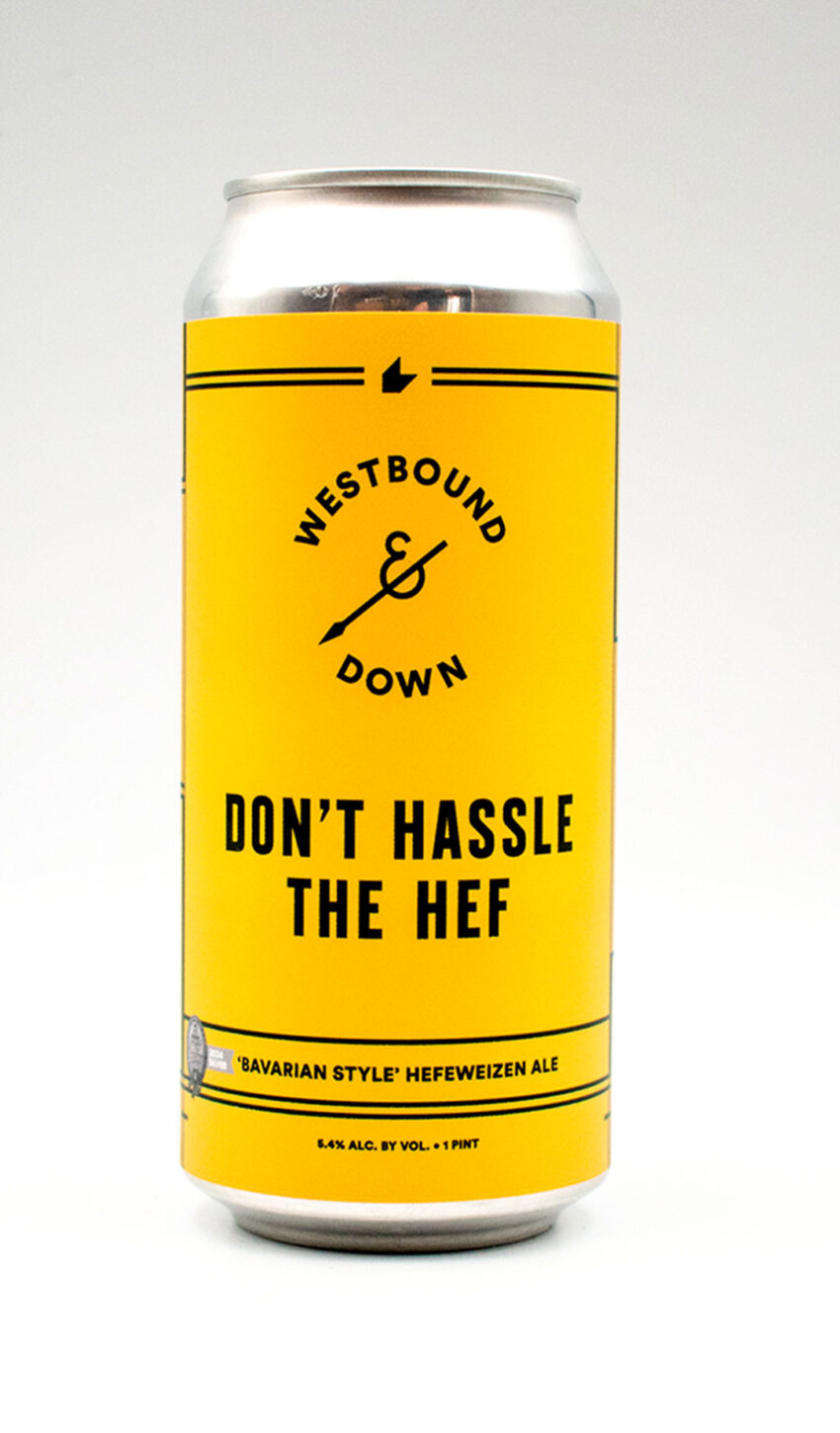
For traditional brewers, the banana profile is not achieved through fruit additions but through the manipulation of yeast. Derek Goodman, head brewer at Westbound & Down Brewing in Colorado, notes that the aroma of a high-quality Hefeweizen should mimic the concentrated scent of banana candies rather than the subtle aroma of a fresh Cavendish.
To achieve this, brewers utilize a technique known as "under-pitching." By introducing only a fraction of the recommended amount of yeast and limiting oxygen availability, brewers force the yeast cells to reproduce rapidly to compensate for the deficiency. This metabolic stress triggers the production of high levels of fruity esters. At Westbound & Down, this method earned their "Don’t Hassle the Hef" a silver medal at the 2024 Great American Beer Festival.
Supporting data from Nashville-based yeast suppliers Bootleg Biology and Spot Yeast indicates that this traditional style is seeing a massive resurgence. Founder Jeff Mello reports that Hefeweizen yeast has become the second best-selling strain in their catalog, trailing only the ubiquitous hazy IPA yeast. This trend suggests a shift in consumer preference toward approachable, flavor-forward styles that lean on fermentation chemistry rather than just hop bitterness.
Regulatory Shifts: The TTB and Formula Exemptions
Until recently, the use of bananas in commercial brewing was hampered by federal bureaucracy. The Alcohol and Tobacco Tax and Trade Bureau (TTB) historically categorized bananas as a non-traditional ingredient. This required breweries to submit lengthy formula exemptions before they could legally bring a banana-infused beer to market.
This changed in late 2023 when the TTB expanded its list of ingredients exempt from formula requirements. By recognizing bananas as a traditional brewing adjunct, the bureau removed a significant administrative barrier. This regulatory easing is expected to further accelerate the proliferation of banana-flavored beers, allowing smaller breweries to experiment without the burden of months-long approval processes.
The Rise of the Pastry Stout and the "Thai Banana" Standard
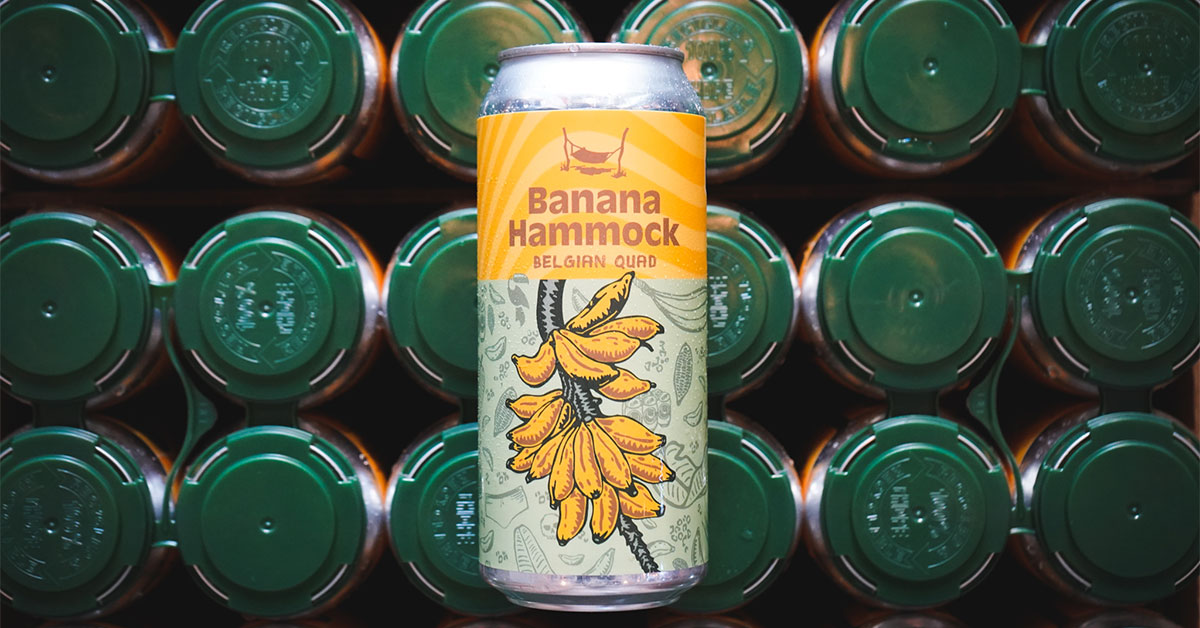
While Hefeweizens rely on yeast, the "pastry stout" movement relies on massive fruit infusions to emulate desserts like banana split sundays or banana pudding. Breweries like WeldWerks Brewing and Crooked Hammock Brewery have popularized high-gravity stouts and Belgian-style quads that utilize bulk purées and juices.
However, the addition of simple sugars post-fermentation presents the "Cheetos dilemma," a term coined by Larry Horwitz of Crooked Hammock. When yeast is presented with an abundance of simple sugars from fruit, it may cease the healthy fermentation of more complex malt sugars. To avoid this, brewers must carefully time their additions to ensure the yeast remains active enough to process the new sugars without producing off-flavors like sulfur.
For the most premium applications, brewers have turned to the "Grand Cru" of the fruit: the dried wild Thai banana. Imported by specialty firms like Chicago’s Rare Tea Cellar, these bananas offer a concentrated, fructose-rich flavor that does not compromise the beer’s body or introduce excess water.
The economic impact of this ingredient is substantial. Matt Tarpey, co-founder of The Veil Brewing in Richmond, Virginia, notes that achieving a "crazy banana character" requires upwards of 10 pounds of these dried bananas per barrel of beer. With prices exceeding $50 per pound—driven in part by a 35% tariff on Thai imports—these beers often have razor-thin profit margins. For many breweries, these imperial stouts are "labors of love" rather than primary revenue drivers.
Market Implications and Technical Challenges
The integration of banana into beer also brings physical challenges to the production line. Nick Panchamé, president of HOMES Brewery and the Smooj hard smoothie brand, highlights that banana-infused products often face a divisive reception due to their texture. Banana purée adds significant residual sweetness and a thicker "mouthfeel" or viscosity. While this is a hallmark of the "smoothie sour" subgenre, it can be a deterrent for consumers who prefer the crisp, clean finish of traditional lagers.
Furthermore, the risk of "refermentation" in the can is a constant concern for breweries adding unfermented fruit purées. If the yeast is not properly managed or if the product is not kept at strictly controlled temperatures, the remaining sugars can ferment inside the packaging, leading to ruptured cans—a significant liability and quality control issue for the craft sector.
Broader Industry Outlook
The "banana moment" in craft beer represents a broader trend of flavor diversification. As the market for traditional IPAs reaches a plateau, breweries are seeking new ways to engage a consumer base that values nostalgia and culinary-inspired profiles. The use of bananas—whether through the chemical manipulation of yeast or the expensive import of wild Thai fruit—showcases the industry’s technical maturity.
The transition from the "baby food" hacks of 2020 to the sophisticated, high-cost imports of 2024 reflects a maturing supply chain and an increasingly educated consumer. As regulatory hurdles continue to fall and fermentation science advances, the banana is likely to remain a permanent, albeit complex, fixture in the American craft beer portfolio. Whether it is the scent of a gold-medal Hefeweizen or the thick, decadent pour of a barrel-aged stout, the fruit’s appeal remains unpeeled and expanding.