admin
admin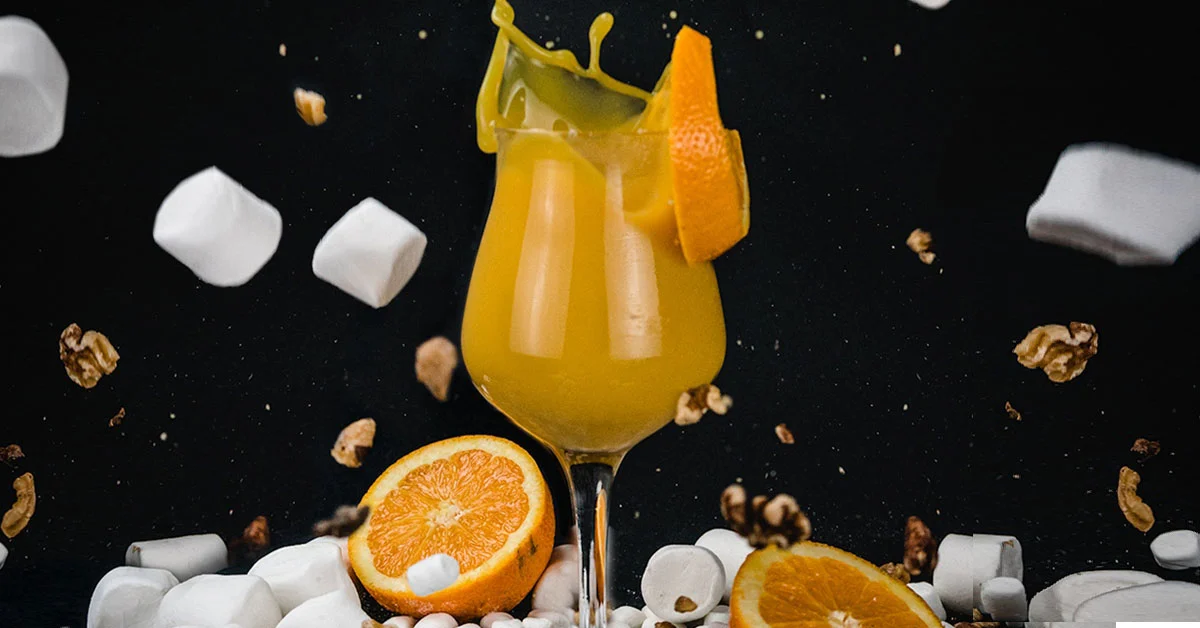
The craft beer movement, which gained significant momentum during the 1980s and 1990s, was initially built upon the revival of traditional European styles, such as the India Pale Ale (IPA), the Stout, and the Pale Ale. However, as the market reached a point of saturation with thousands of breweries operating across the United States, the industry began to witness a rapid diversification of flavor profiles. Brewers, seeking to distinguish their portfolios in an increasingly crowded marketplace, began experimenting with non-traditional ingredients and fermentation techniques. This experimentation eventually led to the emergence of the "smoothie sour," a controversial yet immensely popular sub-genre that has challenged the traditional definitions of beer while attracting a new demographic of consumers.
The smoothie sour is a direct descendant of the fruited sour and the Gose—a traditional German wheat beer known for its tart, salty profile. While traditional sours rely on wild yeast or lactic acid bacteria to produce a crisp, acidic finish, the smoothie sour emphasizes a thick, viscous mouthfeel and an intense fruit presence. This evolution represents a significant shift in brewing philosophy, moving away from the "Reinheitsgebot" (German Purity Law) standards toward a culinary-inspired approach where beer serves as a canvas for complex, dessert-like adjuncts.
The Historical Context and Chronological Development
The trajectory of the smoothie sour can be traced through several distinct phases of the American craft beer timeline. In the early 2000s, the "extreme beer" movement pushed the boundaries of alcohol by volume (ABV) and bitterness. By the mid-2010s, the industry shifted toward the "hazy" or New England IPA, which prioritized tropical hop aromas and a softer mouthfeel. The success of the hazy IPA proved that consumers were receptive to opaque, juice-like beverages, paving the way for the fruited sour’s transformation.
By 2018, several key breweries began to push the boundaries of fruit additions. Rather than adding small amounts of fruit for a hint of flavor, these pioneers began incorporating hundreds of pounds of fruit purée per barrel. This led to the birth of the "smoothie" style, characterized by its opaque appearance and a texture more akin to a fruit shake than a carbonated malt beverage.
Case Studies in Innovation: Imprint Beer Company
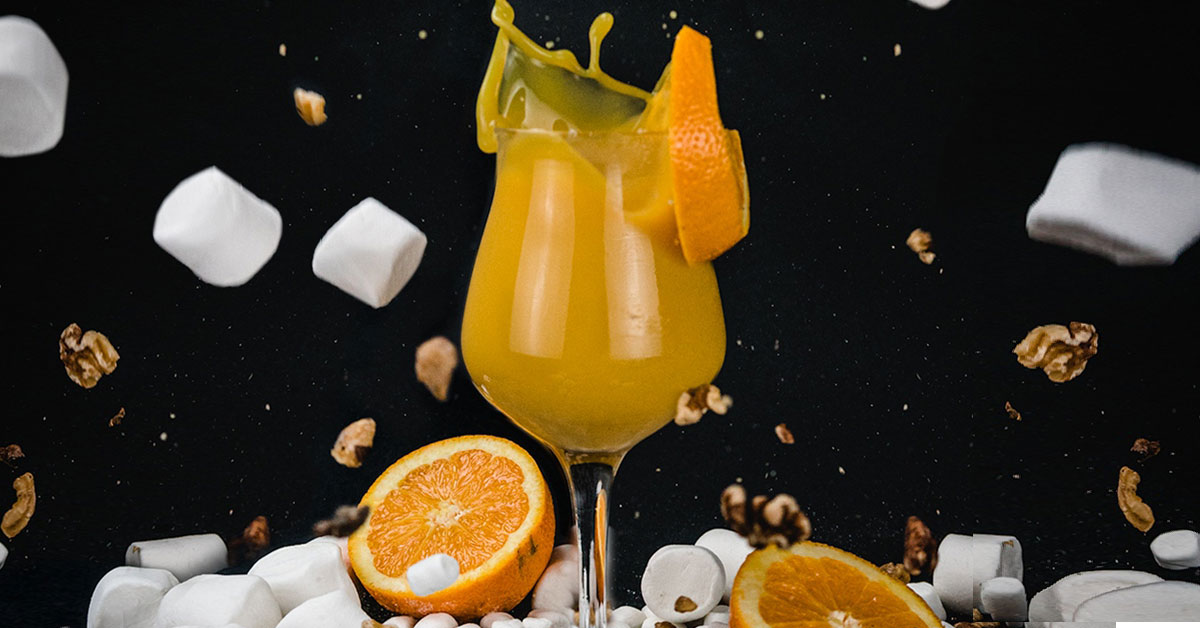
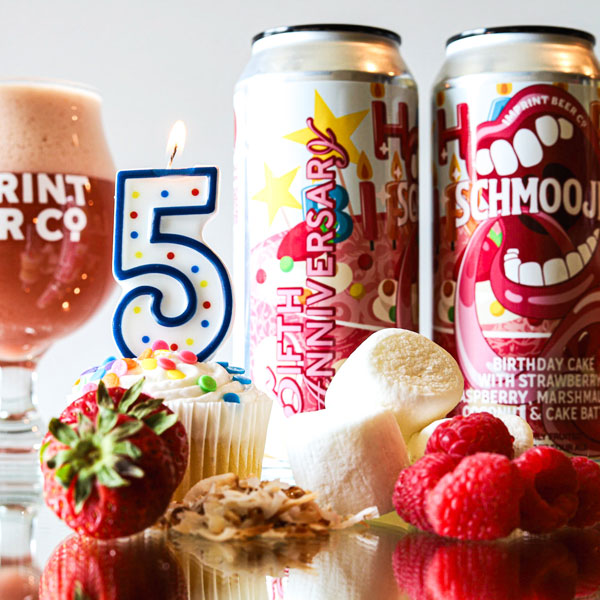
Imprint Beer Company, located in Hatfield, Pennsylvania, is widely recognized as one of the primary architects of the smoothie sour movement. The brewery’s entry into the style was marked by the release of "Puffsicle," a beer brewed with raspberry, blueberry, pineapple, and marshmallow. According to co-founder and brewer Ryan Diehl, the success of this release was a pivotal moment for the company. The overwhelming consumer response led to the development of the "Schmoojee" line, which has since become a benchmark for the style.
The production process for these beers is notably different from traditional brewing. At Imprint, the base beer undergoes a standard fermentation process lasting between eight and 11 days. Once the base sour is established, a significant volume of unfermented fruit and various "adjuncts"—ranging from cheesecake and fudge to white chocolate and vanilla waffles—are introduced. This method ensures that the vibrant colors and fresh flavors of the fruit remain intact, though it requires precise handling to maintain product stability.
Strategic Market Re-positioning: 903 Brewers
In Dallas, Texas, 903 Brewers demonstrated how the smoothie sour could be used as a strategic tool for market reinvention. After six years of traditional brewing, founder Jeremy Roberts identified a shift in consumer behavior. With the rise of ready-to-drink (RTD) cocktails and hard seltzers, a segment of the population was moving away from traditional beer profiles.
To capture this audience, 903 Brewers developed their "Slushy" line. Their inaugural effort, a cherry limeade sour inspired by popular drive-in soda fountain drinks, sold out almost immediately. This was followed by more adventurous iterations, such as the "Ice Cream Truck Slushy" and the "Cotton Candy Slushy." By utilizing edible glitter and flavor profiles that mimic childhood treats, 903 Brewers successfully lowered the barrier to entry for non-beer drinkers, proving that the smoothie sour could serve as a "gateway" beverage into the craft world.
Technical Advancements and Safety Protocols: Oozlefinch Beers & Blending
As the style grew in popularity, so did the technical challenges associated with it. Oozlefinch Beers & Blending in Fort Monroe, Virginia, addressed the issue of sweetness retention and product safety through advanced brewing techniques. Head brewer Logan Morris and founder Russ Tinsley noted that early fruited sours often lost their sweetness during the fermentation process as the yeast consumed the fruit sugars.
To combat this, Oozlefinch utilizes a process known as "back sweetening," where flavors and sugars are added after the primary fermentation is complete. To ensure that these unfermented sugars do not lead to "exploding cans"—a known hazard in the smoothie sour category caused by secondary fermentation in the package—the brewery employs a pasteurization process. This heat treatment kills any remaining yeast, stabilizing the product for retail distribution. Furthermore, the brewery uses specific yeast strains that naturally produce lactic acid and has even experimented with charcoal as a thickening agent to achieve the desired "smoothie" consistency.
The Culinary Influence: Corporate Ladder Brewing
In Palmetto, Florida, Corporate Ladder Brewing has focused on the sensory and culinary aspects of the style. Co-owners Blake Kleppe and James Herrholz have positioned their "Dessert Station" line as a high-end sensory experience. Their approach involves rigorous ingredient sourcing to ensure that the final product accurately replicates the flavors of specific desserts, such as "Pumpkin Pie A La Mode" or "Tangerine Creamsicle."
Herrholz emphasizes that the goal is "flavor accuracy." This requires a deep understanding of how various adjuncts, such as vanilla beans and lactose (milk sugar), interact with the acidity of the base beer. By treating beer as a liquid dessert, Corporate Ladder has tapped into a niche market that values novelty and complexity over traditional hop and malt balances.
Data Analysis and Industry Implications
The rise of the smoothie sour is supported by broader trends in the beverage industry. According to data from the Brewers Association, while overall beer volume growth has stabilized, "nontraditional" categories—including sours, hard kombuchas, and flavored malt beverages—have seen disproportionate interest among younger demographics (Ages 21–34).
Market analysis suggests several key factors driving this trend:
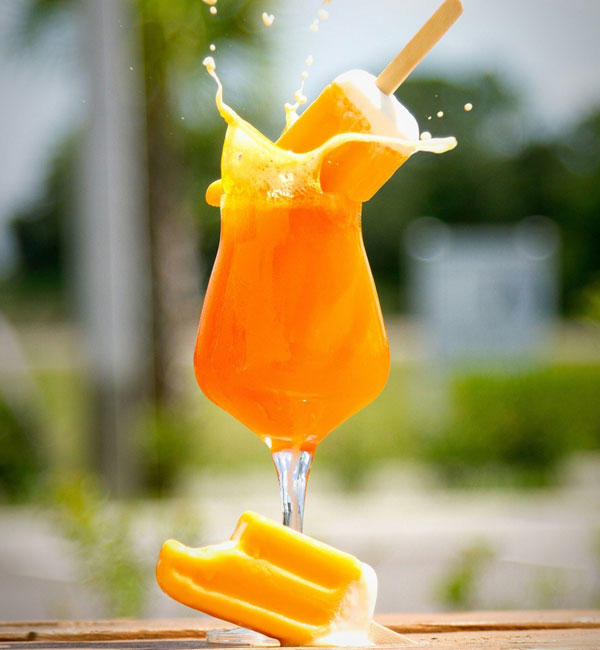
- Visual Appeal: The vibrant, "Instagrammable" colors of smoothie sours make them highly effective for social media marketing.
- Flavor Accessibility: The high sugar content and low perceived bitterness appeal to consumers who find traditional IPAs or Stouts unpalatable.
- Limited Release Culture: Many of these beers are produced in small batches, creating a "hype" cycle where collectors and enthusiasts travel long distances for specific releases.
However, the style is not without its detractors. Purists within the brewing community argue that smoothie sours, which often contain more fruit purée than actual beer, should be classified differently. Nevertheless, the economic impact is undeniable. These beers often command premium prices, sometimes exceeding $25 per four-pack, providing significant revenue streams for small, independent breweries.
A Collaborative Brotherhood
Despite the competitive nature of the craft beer industry, the smoothie sour movement is characterized by a high degree of collaboration. Breweries such as Drekker Brewing Company (North Dakota), Mortalis Brewing Company (New York), Burley Oak Brewery (Maryland), 450 North Brewing Company (Indiana), and The Answer Brewpub (Virginia) frequently collaborate on "mash-up" releases. This brotherhood of brewers shares technical data and sourcing leads, fostering a sub-culture focused on collective innovation rather than individual isolation.
Conclusion: The Future of the Style
The smoothie sour has moved beyond the status of a passing fad to become a permanent fixture in the craft beer landscape. While the style continues to evolve, its core appeal remains its ability to provide a diverse range of flavors that were previously unimaginable in a malt-based beverage. As pasteurization technology becomes more accessible to smaller breweries, the safety and shelf-stability of these beers will continue to improve, likely leading to wider distribution.
Ultimately, the smoothie sour represents the democratization of the brewery taproom. By offering "liquid for everyone," as noted by Corporate Ladder’s Blake Kleppe, breweries are expanding their reach and ensuring the long-term viability of the craft movement in an era of changing consumer tastes. Whether viewed as "Kool-Aid for adults" or a complex culinary achievement, the smoothie sour has undeniably reshaped the industry’s trajectory.