admin
admin
The landscape of the American craft beer industry is undergoing a significant architectural and experiential shift as breweries transition from simple production facilities and taprooms into full-scale hospitality destinations. Across the United States, independent brewers are increasingly investing in boutique accommodations—transforming rustic barns, historic schoolhouses, and modern bungalows into "beercation" hubs. This evolution represents a strategic move to deepen brand loyalty by offering immersive environments where enthusiasts can live and breathe a brewery’s ethos. These stays range from luxury cabins in the Pacific Northwest to alpine lodges in New England, reflecting a broader trend in the $72.2 billion craft brewing industry toward diversified revenue streams and high-touch consumer engagement.
The Evolution of Beer Tourism: From Flights to Overnight Stays
The concept of beer tourism has matured significantly since the microbrewing boom of the 1980s and 90s. Initially characterized by "tasting flights" and "growler fills," the industry is now moving toward a model of "slow tourism." This shift is driven by a consumer base that prioritizes authenticity and a physical connection to the origins of the products they consume. According to data from the Brewers Association, while taproom sales remain a vital component of the craft business model, the "destination brewery" concept—where the facility serves as a primary travel motivator—has become a cornerstone of regional economic development.
For the modern brewery, lodging serves as more than just a secondary income source; it functions as a sophisticated storytelling platform. By controlling the environment in which the consumer sleeps, eats, and relaxes, breweries can curate an emotional connection that extends far beyond the bottom of a pint glass. This "immersive storytelling" allows brands to reflect their values through interior design, site-specific hospitality, and direct access to the brewing team, effectively turning a product into a lifestyle experience.
Case Study: Cabin Culture and the Pacific Northwest Experience
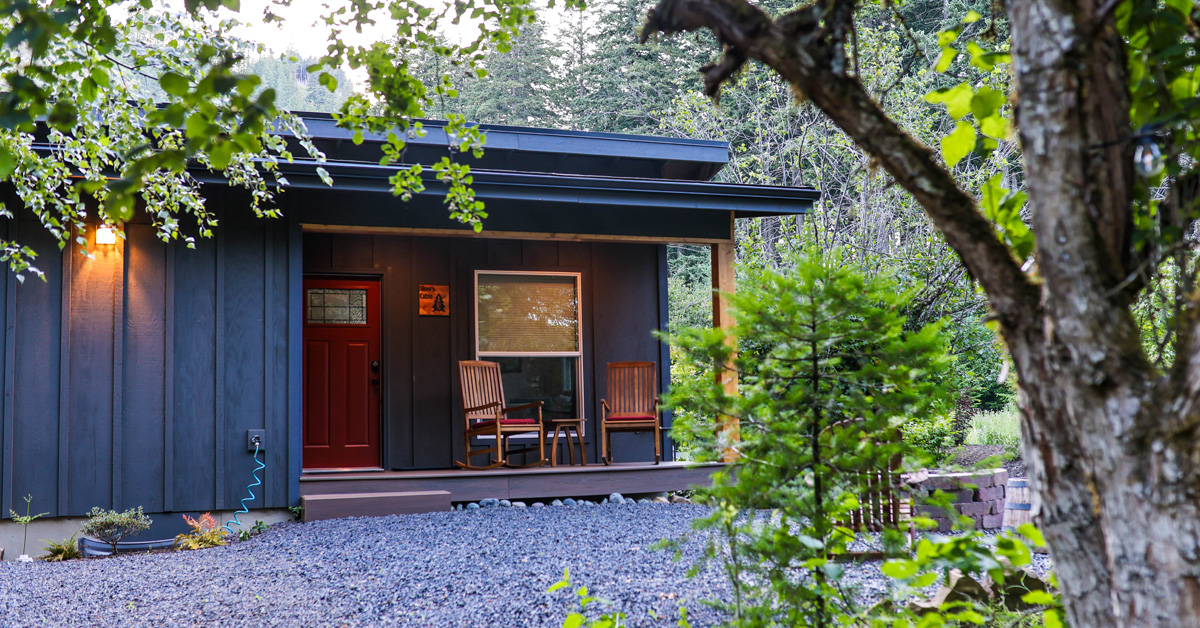
In Carson, Washington, Backwoods Brewing Company exemplifies the transition from a local watering hole to a regional travel destination. Situated in the Columbia River Gorge—approximately one hour from Portland and three hours from Seattle—the brewery has long benefited from the region’s outdoor recreation traffic. However, the establishment of Backwoods Cabins marked a strategic pivot toward comprehensive hospitality.
The development consists of eight luxury-leaning cabins, each themed to reflect the surrounding environment, such as the Hiker’s, Kayaker’s, and Stargazer’s units. "People already come out here to slow down—what if they could stay the night too?" says Steve Waters, CEO of Backwoods Brewing. This philosophy informed a design language that balances "PNW cabin-core" aesthetics with modern comforts, including gas fireplaces, high-thread-count linens, and hops-scented spa products.
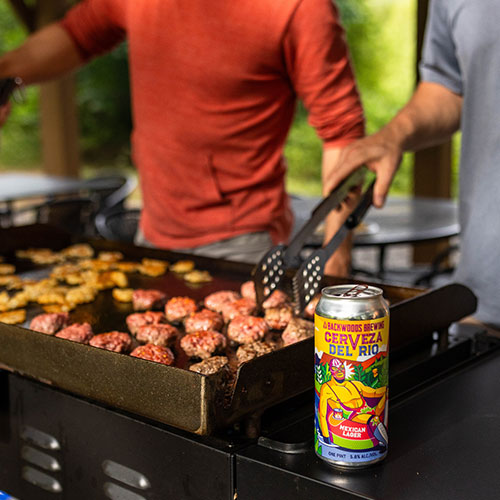
The integration of beer into the lodging experience is seamless. Guests can pre-order curated beer selections for their rooms, bridging the gap between the production facility and the private living space. This model leverages the "halo effect" of the brewery’s flagship offerings, such as the Party Acres Hazy IPA and the Ridge Run Oatmeal Stout, to enhance the perceived value of the accommodation.
Historical Integration: The Alpine Tradition in Vermont
While some breweries build new accommodations, others leverage deep historical roots. The von Trapp Family Lodge and von Trapp Brewing in Stowe, Vermont, represent a unique intersection of American craft brewing and European history. Founded by the family immortalized in The Sound of Music, the 2,600-acre resort integrates a world-class lager brewery into an alpine setting.
Johannes von Trapp’s decision to establish the brewery was born from a desire to replicate the crisp, refreshing lagers of his Austrian heritage. The facility utilizes natural spring water sourced directly from the property, a fact that serves as a primary marketing point for the resort’s "Bierhall." The experience is designed to be fully immersive, combining Austrian-inspired cuisine—such as schnitzel and house-made bratwurst—with guided brewery tastings and outdoor activities led by family members.
Emily Provost, brewery marketing manager, notes that the lodging allows guests to "live, eat, and drink like a von Trapp," emphasizing that the beer is an extension of the land and its history. This model demonstrates how established hospitality entities can use craft brewing to modernize their brand while remaining tethered to their historical identity.
Strategic Planning: The Lodging-First Model in the Finger Lakes
In the Finger Lakes region of New York, Grist Iron Brewing took a non-traditional path by acquiring a property where lodging was already established. The Lodge at Grist Iron in Watkins Glen serves as a anchor for the brewery’s operations, offering rooms with rustic-modern designs, brewing-themed murals, and views of Seneca Lake.
The facility’s design includes highly specific nods to beer culture, such as built-in shower ledges designed specifically for "shower beers." This cheeky, brand-aligned detail underscores the brewery’s focus on creating a relaxed, vacation-centric atmosphere. The expansion of the property to include "Beer Mountain"—a disc golf course and a dog park with an on-site bar—further illustrates the shift toward creating a "brewery resort."
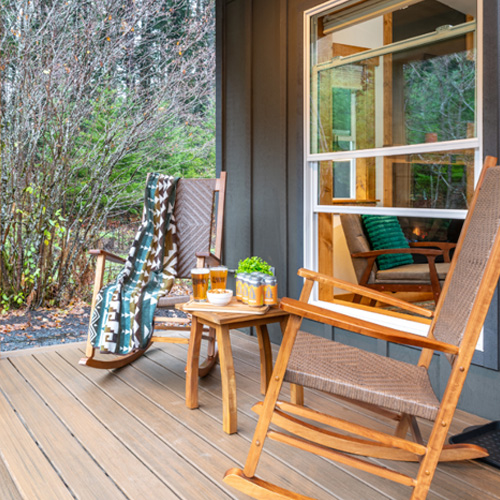
Emily Knowlden, social media and marketing coordinator for Grist Iron, indicates that the presence of on-site lodging leads to increased guest retention. "Guests immerse themselves in the Grist Iron experience," Knowlden says. "They linger longer, come back often, and engage deeply with our team."
National Trends in Adaptive Reuse and Themed Stays
The trend of brewery-centric lodging is not confined to rural settings. Several key players across the U.S. are utilizing different architectural and branding strategies:
- Adaptive Reuse (McMenamins, OR & WA): This group has become a national leader in transforming historic, often derelict, buildings into eclectic hotel-brewery hybrids. By repurposing former schools and churches, McMenamins preserves local history while creating high-concept "secret" bars and themed rooms that appeal to history buffs and beer lovers alike.
- Hyper-Branding (The Brewhalla Crash Pad, ND): In Fargo, Drekker Brewing has moved toward a "hyper-branded" model. Each room in their boutique hotel is themed after a specific beer, such as the "Mind Bullets" suite, which features industrial aesthetics and psychedelic murals mirroring the beer’s label art. This approach targets a younger, social-media-savvy demographic that values "Instagrammable" experiences.
- Small-Town Heritage (Commerce Street Brewery Hotel, WI): Located in Mineral Point’s historic district, this five-room inn represents the "micro-stay" model, focusing on European-style brewpub charm and local community integration.
- Wine Country Synergy (Calistoga Inn & Napa Valley Brewing Co., CA): As the first commercial brewery in Napa since Prohibition, this inn demonstrates how beer tourism can thrive even in regions dominated by the wine industry by offering a complementary, casual alternative.
Economic Impact and Industry Analysis
The move toward brewery-integrated lodging is a calculated response to a maturing and increasingly competitive market. With over 9,000 craft breweries operating in the U.S., differentiation is critical. Lodging provides a high-margin revenue stream that is less susceptible to the fluctuations of wholesale distribution and retail competition.
Furthermore, the "destination brewery" model contributes significantly to local economies. According to travel industry reports, beer tourists tend to stay longer and spend more per capita than average tourists. By providing on-site accommodations, breweries capture a larger share of that "wallet spend," including meals, merchandise, and multiple rounds of beverages that might otherwise be consumed at off-site bars or restaurants.
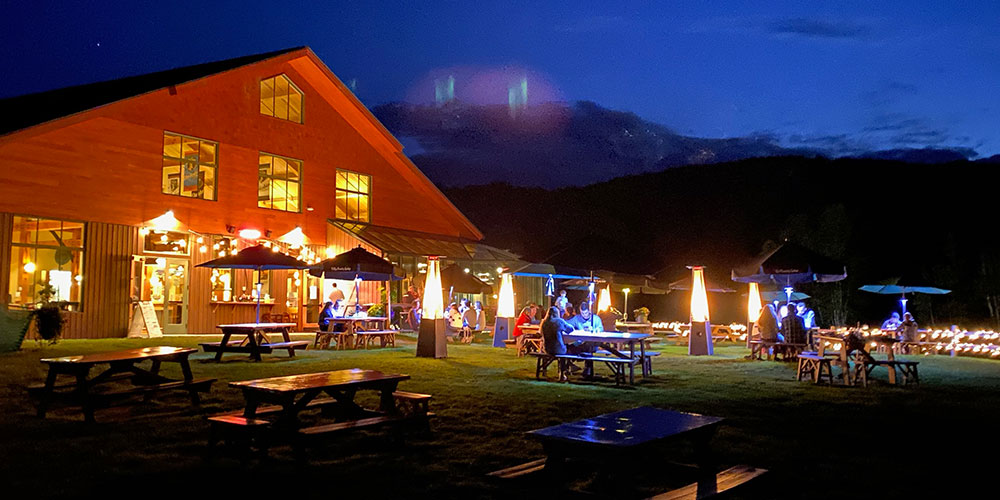
From a regulatory standpoint, this trend has also prompted many municipalities to revisit zoning laws. Local governments are increasingly viewing brewery-hotels as catalysts for rural revitalization and urban redevelopment, often providing incentives for projects that preserve historic structures or enhance local tourism infrastructure.
Implications for the Future of Hospitality
The integration of craft brewing and hospitality is likely to expand as more brewers seek to "own" the consumer experience from start to finish. This trend reflects a broader cultural shift where the boundaries between production, retail, and leisure are becoming increasingly blurred.
As the industry moves forward, the success of these ventures will likely depend on the balance between high-quality beverage production and professional hospitality management. While a great beer can draw a crowd, it is the quality of the bed, the service, and the overall environment that ensures they return. The "beercation" is no longer a niche hobby; it is a sophisticated segment of the American travel industry, proving that for many travelers, the best way to enjoy a pint is to stay the night.