admin
admin
In March 2021, a coalition of three Indigenous brewers known as the Indigenous Brew Crew (IBC) launched the “Celebrating Sisters” campaign. This nationwide craft beer initiative was designed to raise awareness and funds for Indigenous women’s causes across Canada. However, what began as an effort to foster community support quickly became a lightning rod for a much deeper, more painful national conversation. The campaign’s reception highlighted a profound dichotomy: while many celebrated the visibility of Indigenous entrepreneurs, others expressed anguish, citing the catastrophic role alcohol has played in the colonization and systemic trauma of Canada’s First Nations, Métis, and Inuit peoples.
The controversy centered on the difficult reconciliation of a product—craft beer—with a history of exploitation. One of the most visible points of contention involved a label designed by Anishinaabe artist Chief Lady Bird. The artwork, featuring a blackbird against a celestial woodland backdrop, drew both widespread acclaim for its aesthetic beauty and sharp criticism for associating Indigenous iconography with alcohol. Chief Lady Bird engaged with the feedback, facilitating a dialogue on the complexities of her position, yet the tension ultimately led to the dissolution of the IBC months later. Since then, the industry has often retreated into silence, yet Indigenous brewers continue to operate and expand, navigating the delicate balance between cultural sovereignty and historical trauma.
The Legislative Foundation of Exclusion: The Indian Act and Beyond
To understand the current friction within the industry, one must examine the legislative framework that governed Indigenous life for over a century. The Indian Act of 1876 served as the primary instrument of Canadian state control over Indigenous peoples. It was not merely a set of regulations but a comprehensive system designed to dismantle Indigenous identity, governance, and land rights. Under this Act, the Canadian government enforced a policy of total prohibition for Indigenous people.
Historically, the legislation prohibited Indigenous people from purchasing, possessing, or consuming alcohol. This was not a measure of public health but a tool of social control. The law even extended to non-alcoholic substitutes; historical records indicate that "Indian Beer"—a term for non-alcoholic malt beverages—was the only option legally available to many communities. This exclusion from the alcohol industry was mirrored by the exclusion from the democratic process, as Indigenous people were often barred from voting on liquor laws or participating in the economic benefits of the trade.
Simultaneously, European settlers used alcohol as a tactical tool to disrupt Indigenous trading systems and social structures. This historical "liquor trade" created a cycle of dependency that was later exacerbated by the horrors of the residential school system and the "Sixties Scoop." These state-sponsored programs inflicted deep psychological and physical wounds, leading many to use alcohol as a coping mechanism for generational trauma. As Anishinaabe professor Niigaan Sinclair notes, while forms of fermented beverages existed pre-colonization for medicinal and ceremonial use, the modern "relationship" with alcohol is inextricably linked to the history of "cultural genocide" identified by the 2015 Truth and Reconciliation Commission.

A Chronology of Indigenous Integration into the Alcohol Industry
The transition from total prohibition to the current landscape of Indigenous-owned craft breweries has been slow and marked by significant legal shifts:
- 1876: The Indian Act formalizes prohibition and strict state control over Indigenous "status."
- 1950s: Initial amendments to the Indian Act begin to allow provinces to grant Indigenous people the right to consume alcohol in public places, though many restrictions remain.
- 1985: Bill C-31 provides more autonomy to First Nations bands to manage liquor laws on their own reserves.
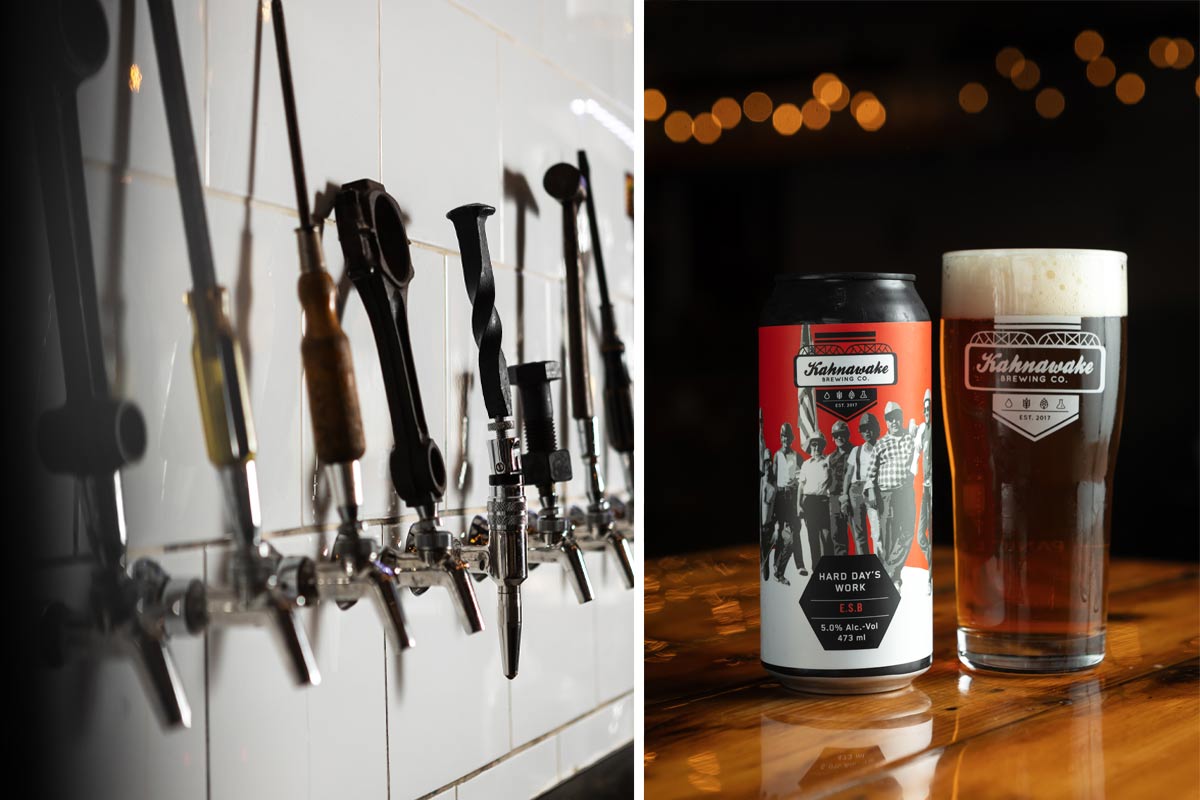
- 2018: Kahnawake Brewing Company opens on Mohawk territory in Quebec, becoming the first Indigenous-owned craft brewery on Indigenous land in Canada.
- 2021: The "Celebrating Sisters" campaign launches and subsequently dissolves, highlighting the ongoing internal debate over alcohol and identity.
- 2022–2025: Indigenous-led breweries such as Locality Brewing and Kahnawake Brewing receive major industry accolades, including medals at the Canada Beer Cup, signaling a new era of commercial success.
Despite these milestones, the legacy of exclusion remains. Today, some Indigenous communities maintain "dry" status as a form of harm reduction, while others view entry into the brewing industry as an essential act of economic self-determination.
Reclaiming Space: The Modern Indigenous Brewer’s Experience
For contemporary Indigenous brewers, the act of making beer is often a statement of presence. Melanie MacInnes, a Métis woman and co-owner of Locality Brewing in Langley, British Columbia, describes the weight of this responsibility. When nominated for the Best Indigenous-Led Business at the 2022 BC Food & Beverage Awards, MacInnes initially hesitated. The decision to identify her business as Indigenous-led meant "walking the walk" and representing her community in an industry that has historically caused it harm.
Similarly, Jason Tremblay, the Métis head brewer at Toronto’s Two Loons Brewing, acknowledges the nuances of visibility. Tremblay, who describes himself as "white-passing," notes that he possesses a level of privilege that shields him from the "side-eye" or discrimination that more visible First Nations brewers might face. He views his work through the lens of the "Indigenous entrepreneurial spirit," a trait he believes was honed by generations of Métis people who had to "hustle in plain sight" after the government’s theft of their lands in the 1870s.
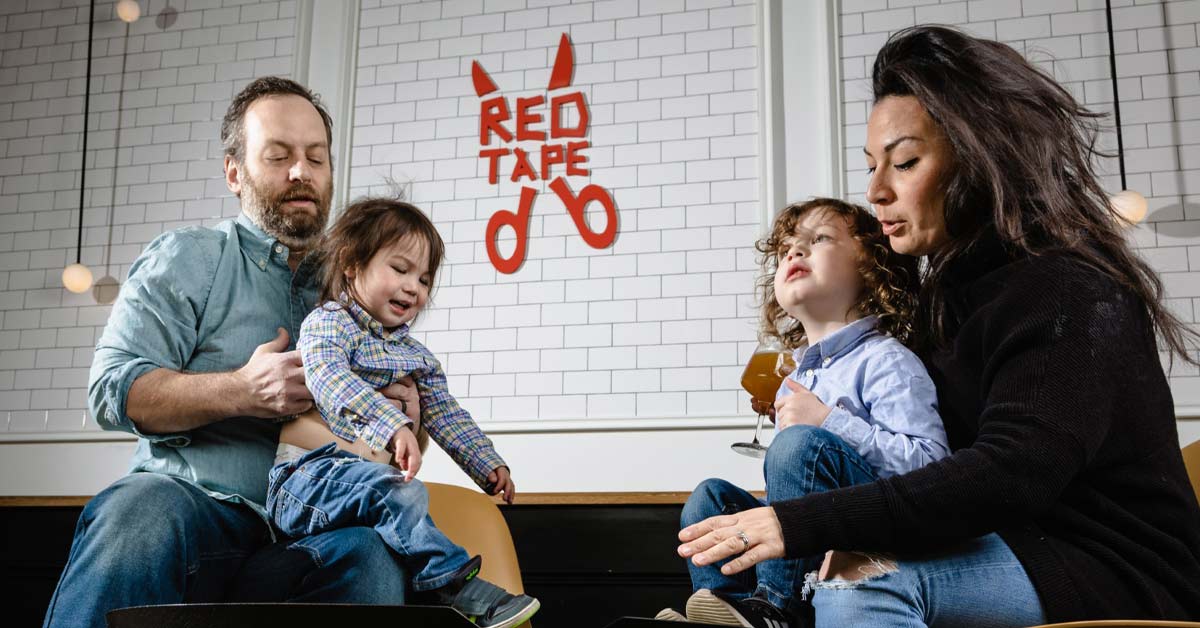
In Toronto, Inuit brewer Sarabeth Holden, co-owner of Red Tape Brewery, highlights the intersectional challenges of being an Indigenous woman in the trade. Holden has reported instances of being dismissed by tradespeople or feeling out of place in liquor retail environments. However, she notes that the support from her own community—including family members who abstain from alcohol—has been overwhelming. This support underscores a shift in perspective: the brewery is viewed not just as a source of alcohol, but as a successful business venture that brings pride to the community.
Defining "Indigenous Beer" Through Land and Tradition
The question of what constitutes an "Indigenous beer" is central to the industry’s evolution. For many, it is not merely about ownership but about the relationship between the product and the land.

- Sourcing and Ethics: Melanie MacInnes emphasizes the ethical use of land and the involvement of Indigenous suppliers in the supply chain.
- Cultural Symbolism: At Nonsuch Brewing Co. in Winnipeg, co-owner Matthew Sabourin hosts "Beer Bannock" experiences. These events pair traditional unleavened bread with craft beer, providing a platform to discuss Indigenous history under the mural of Métis leader Louis Riel.
- Indigenous Ingredients: Sarabeth Holden’s "Paunnat" (dwarf fireweed) Saison and her amber ale brewed with orange pekoe tea—a staple of northern hunting and fishing trips—integrate Inuit experiences into the flavor profiles of her brews.
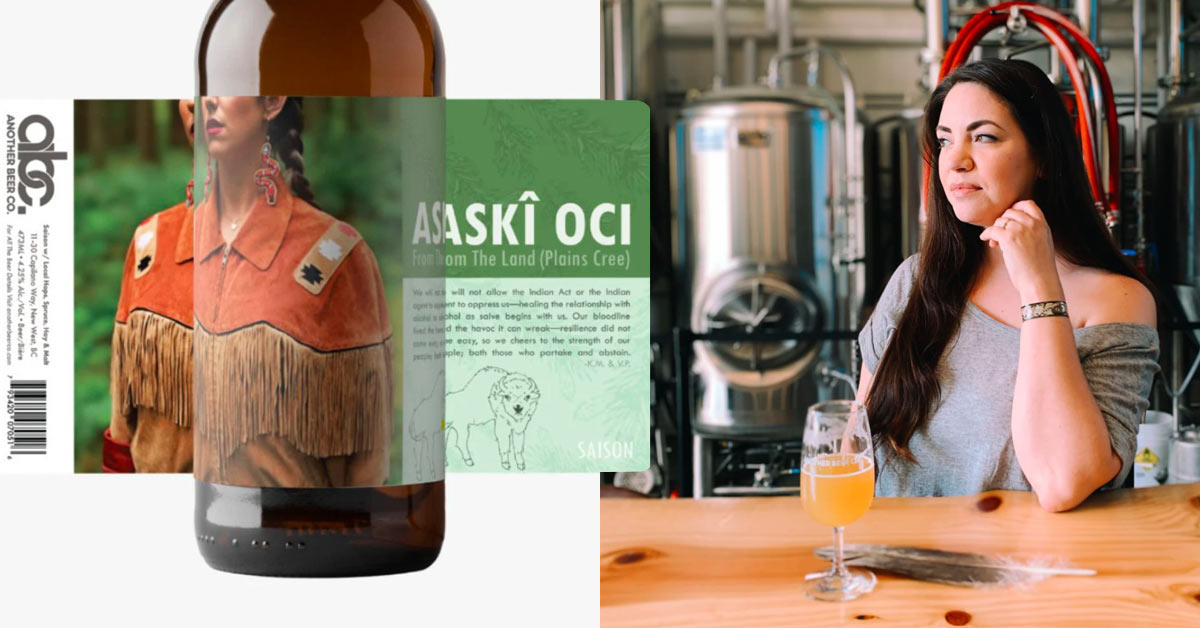
- Healing Narratives: The "Askî Oci" saison, developed by Nadine Jopson of the Cree Nation, featured alfalfa and spruce tips. Its label explicitly addressed the Indian Act, stating that healing the relationship with alcohol must begin within the community.
Economic Sovereignty and the Path Toward Reconciliation
The presence of Indigenous people in the craft beer industry is increasingly viewed as a matter of sovereignty. Darnell Stager of Indigenous Tourism BC argues that antagonism toward Indigenous brewers is often a remnant of historical "economic gatekeeping." He points out that "Indian status" cards historically labeled individuals as "wards of the state," a designation that underscores the urgent need for self-determination in all industries, including those involving controlled substances.
To foster true inclusion, industry experts suggest that the craft beer community must move beyond performative gestures. Real reconciliation requires structural changes:
- Supply Chain Representation: Increasing Indigenous participation in hop farming, malting, and distribution.
- Direct Engagement: Inez Cook, co-founder of the Nuxalk-owned Salmon n’ Bannock restaurant, suggests that brewery owners should personally visit local tribal nations to introduce themselves, emphasizing that Indigenous business is built on personal relationships rather than corporate transactions.
- Financial Infrastructure: Organizations like the Manitoba Métis Federation and Farm Credit Canada are cited as vital components in providing the capital necessary for Indigenous entrepreneurs to compete in the capital-intensive brewing sector.
Conclusion: Responsibility and the Future of the Industry
The inclusion of Indigenous voices in Canada’s craft beer industry remains a complex and often uncomfortable subject. As Professor Niigaan Sinclair suggests, the goal is not necessarily to encourage consumption but to establish a "sovereign relationship" with a product derived from natural elements. Sovereignty, in this context, is inseparable from the responsibility to avoid causing further harm to the community.
The experiences of brewers like MacInnes, Holden, and Sabourin indicate that the path forward involves breaking the silence and engaging in difficult conversations about history and trauma. By prioritizing people over profits and respecting the land, these entrepreneurs are redefining what it means to be part of the Canadian craft beer landscape. For the broader industry, the lesson is clear: inclusion is not a marketing strategy, but a fundamental shift in power and perspective that acknowledges the past while building a self-determined future.