admin
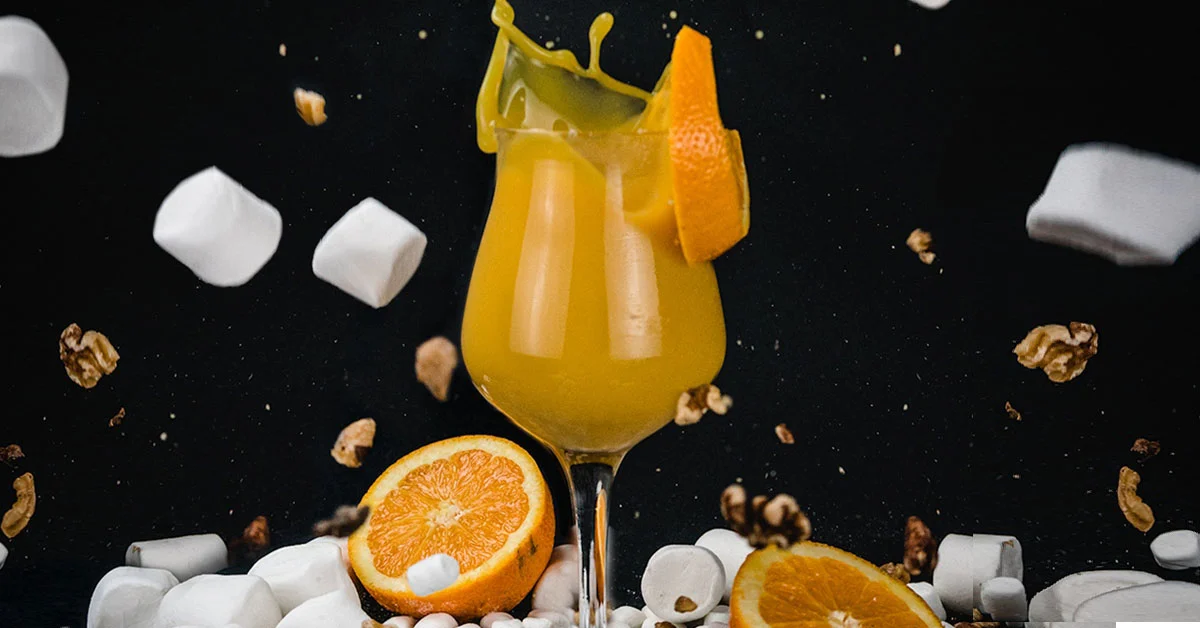
The craft beer landscape, which began its meteoric rise in the United States during the 1980s and 1990s, has long been defined by a cycle of innovation, saturation, and reinvention. As the number of operating breweries in the U.S. surpassed 9,000 in the early 2020s, the struggle for market differentiation intensified. This competitive pressure has birthed a controversial yet undeniably popular sub-genre: the smoothie sour. Characterized by heavy fruit purees, thick textures, and "adjunct" ingredients ranging from marshmallows to cheesecake, the smoothie sour represents a radical departure from traditional brewing Reinheitsgebot standards. What began as a niche experimentation with fruited Goses and Berliner Weisses has evolved into a full-scale movement that is redefining the boundaries of what can be classified as beer.
The Chronological Shift: From Tart to Thick
The lineage of the smoothie sour is rooted in the "Sour Craze" of the mid-2010s. Initially, craft enthusiasts gravitated toward traditional Belgian lambics and American wild ales, which prioritized funky, Brettanomyces-driven profiles and sharp acidity. However, as the palate of the general consumer shifted toward more approachable flavors, breweries began experimenting with the Kettle Sour process. This method allowed for quicker production times and a cleaner acid profile, providing a perfect canvas for fruit additions.
By 2018, the industry saw the emergence of the "fruited sour," which utilized significant amounts of raspberry, cherry, or tropical fruits. However, the true "smoothie" style did not solidify until brewers began utilizing unfermented fruit purees in massive quantities—sometimes comprising up to 40% of the total liquid volume—and introducing thickening agents to mimic the mouthfeel of a fruit shake.
Imprint Beer Company and the Schmoojee Phenomenon
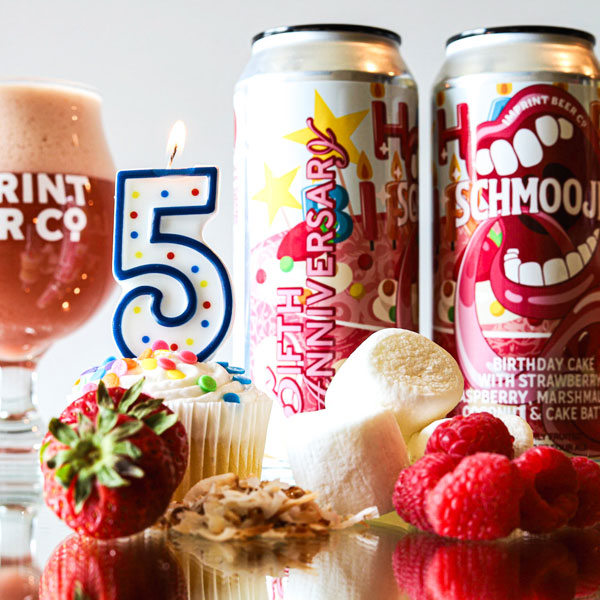
In the Northeastern United States, Imprint Beer Company of Hatfield, Pennsylvania, emerged as a primary architect of the movement. Co-founder and brewer Ryan Diehl notes that the brewery’s pivot toward the style was catalyzed by a singular event that served as their "coming out party." Seeking to distinguish themselves from the plethora of IPAs dominating the region, Imprint debuted "Puffsicle," a sour ale conditioned on raspberry, blueberry, pineapple, and marshmallow.
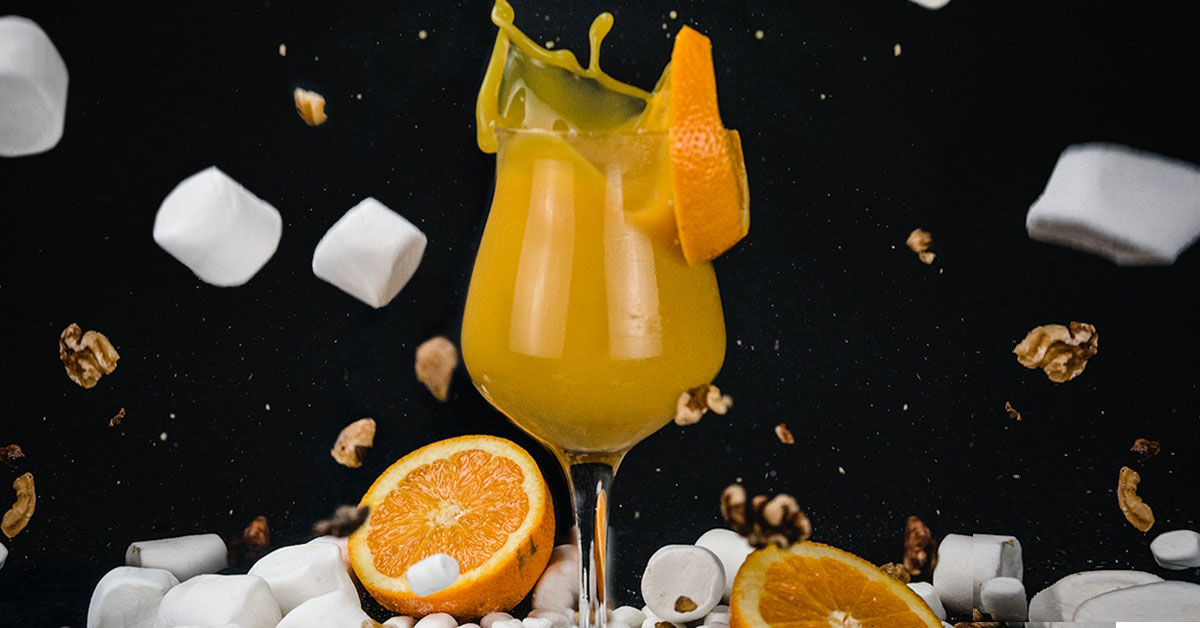
The consumer response was immediate and overwhelming, leading to the creation of the "Schmoojee" line. This series has since become a benchmark for the style, incorporating complex culinary elements such as white chocolate, fudge, and vanilla waffles. The production process at Imprint differs significantly from standard ale production. After a base sour undergoes a fermentation period of eight to eleven days, it is blended with high-viscosity ingredients. This "back-sweetening" process ensures that the sugars from the fruit do not ferment out, preserving the sweetness and thick consistency that fans demand.
Market Diversification: The 903 Brewers Strategy
In Dallas, Texas, 903 Brewers followed a similar trajectory, though driven by a strategic need to capture a demographic increasingly leaning toward Ready-to-Drink (RTD) cocktails and hard seltzers. Founder Jeremy Roberts observed a growing segment of the population that remained alienated by the bitterness of hops or the heavy malt profiles of stouts.
The brewery’s "Slushy" line was born from a desire to evoke nostalgia. Their first major success in the category was a cherry limeade sour designed to replicate the flavor profile of iconic American drive-in drinks. By utilizing ingredients like vanilla ice cream and even edible glitter in releases such as the "Dad’s Day Out Slushy," 903 Brewers successfully tapped into a "kid-at-heart" aesthetic that resonates with a younger, experience-driven demographic. This shift highlights a broader industry trend: the use of beer as a medium for "liquid nostalgia," bridging the gap between childhood flavors and adult beverages.
Technical Innovation and the Science of Stability
While the flavor profiles of smoothie sours are often playful, the technical requirements for producing them are rigorous. Oozlefinch Beers & Blending in Fort Monroe, Virginia, has focused on the intersection of microbiology and culinary arts to stabilize these complex liquids. Head brewer Logan Morris describes their products, including the "Party Dinosaur" and "Das Yummy" lines, as "Kool-Aid for adults," but emphasizes that the brewing process is far from simple.
To achieve the desired viscosity without compromising safety, Oozlefinch utilizes specific yeast strains that naturally produce lactic acid and employs charcoal as a thickening agent in certain blends. One of the most critical advancements in this sector is the implementation of in-house pasteurization. Because smoothie sours contain high levels of unfermented fruit sugars, they are susceptible to "re-fermentation" inside the can. Without pasteurization, this process can lead to CO2 buildup and, eventually, exploding packaging—a significant liability for craft brewers. By investing in pasteurization technology, breweries like Oozlefinch and Corporate Ladder Brewing ensure shelf stability and consumer safety.
Culinary Integration: Corporate Ladder’s Sensory Approach
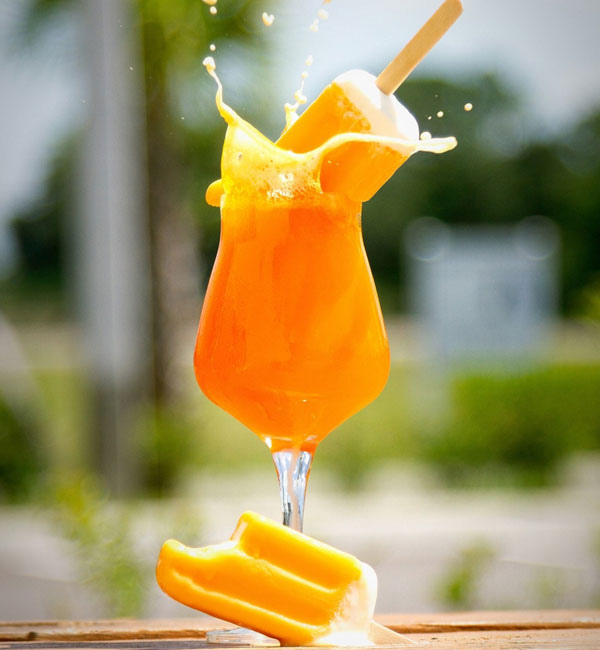
In Palmetto, Florida, Corporate Ladder Brewing has elevated the smoothie sour to a culinary discipline. Co-owners Blake Kleppe and James Herrholz view their "Dessert Station" line as a total sensory experience. Their approach involves meticulous ingredient sourcing to ensure that flavors like "Pumpkin Pie A La Mode" or "Tangerine Creamsicle" are indistinguishable from their namesakes.
Herrholz, who brings a culinary background to the brewhouse, argues that the goal is precision. By conditioning beers on whole vanilla beans and specific fruit cultivars, they create a product that appeals to the "foodie" culture. This evolution suggests that the smoothie sour is not merely a beer style, but a crossover product that exists at the intersection of brewing, pastry arts, and mixology.
Data and Economic Implications
The rise of the smoothie sour coincides with a shift in craft beer economics. According to data from the Brewers Association, while the overall growth of traditional craft beer volume has seen periods of stagnation, "flavor-forward" and "beyond beer" categories have shown resilience. The high price point of smoothie sours—often ranging from $20 to $30 per four-pack—reflects the exorbitant cost of ingredients. A single batch of a smoothie sour can require thousands of pounds of fruit puree, which is significantly more expensive than the grain and hops used in a standard lager.
Despite the high cost, these beers drive significant foot traffic. Release events for smoothie sours often mirror the "hype" surrounding limited-edition sneaker drops, with enthusiasts traveling across state lines to secure specific flavors. This "event-based" purchasing model has helped small breweries maintain high margins and direct-to-consumer sales, which are vital for survival in a post-pandemic economy.
The Industry Debate: Is It Still Beer?
The rapid ascent of the smoothie sour has not been without friction. Purists within the brewing community argue that by obscuring the flavors of malt, hops, and yeast, these beverages cease to be "beer" in the traditional sense. Critics often point to the high sugar content and the reliance on non-traditional additives as a sign of the "dumbing down" of the craft.
However, the brewers at the forefront of the movement remain unfazed. Blake Kleppe of Corporate Ladder asserts that the primary objective is consumer enjoyment rather than adherence to rigid stylistic definitions. If a beverage introduces a non-beer drinker to the craft brewery environment, it is viewed as a net positive for the industry. This sentiment is echoed by leaders at other notable institutions such as Drekker Brewing Company in North Dakota and Mortalis Brewing Company in New York, who have formed a "brotherhood" of sorts, frequently collaborating on recipes and sharing technical data.
Conclusion and Future Outlook
The smoothie sour has transitioned from a polarizing fad into a foundational pillar of the modern craft brewery portfolio. By prioritizing flavor, texture, and innovation over historical precedent, breweries have successfully expanded the tent of craft beer to include a more diverse audience.
As the style continues to mature, the focus is likely to shift toward even greater stability and more sophisticated flavor pairings. The collaboration between breweries like Burley Oak, 450 North, and The Answer Brewpub suggests that the "smoothie" community is more than a collection of individual businesses; it is a collaborative ecosystem that thrives on shared experimentation. While the debate over its classification may continue, the smoothie sour’s impact on market demographics and brewing technology ensures its place in the annals of American brewing history. For the consumer, this means a continued wave of liquid innovation that challenges the palate and redefines the experience of the pint glass.