admin
admin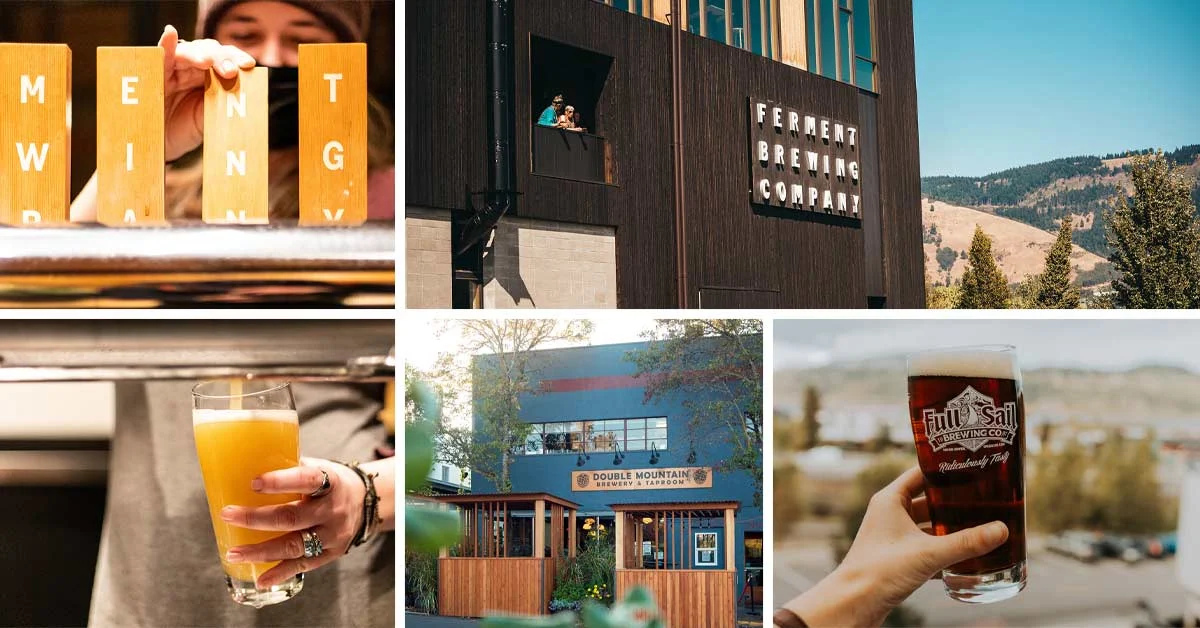
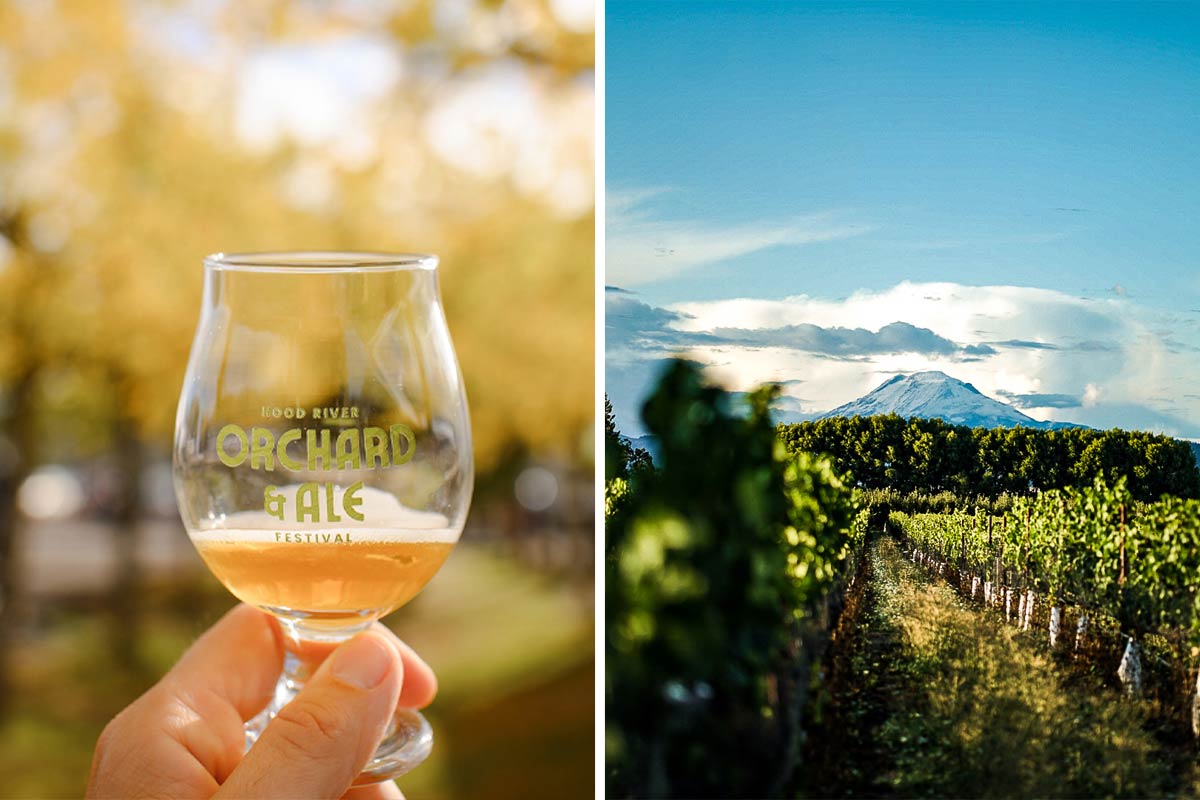
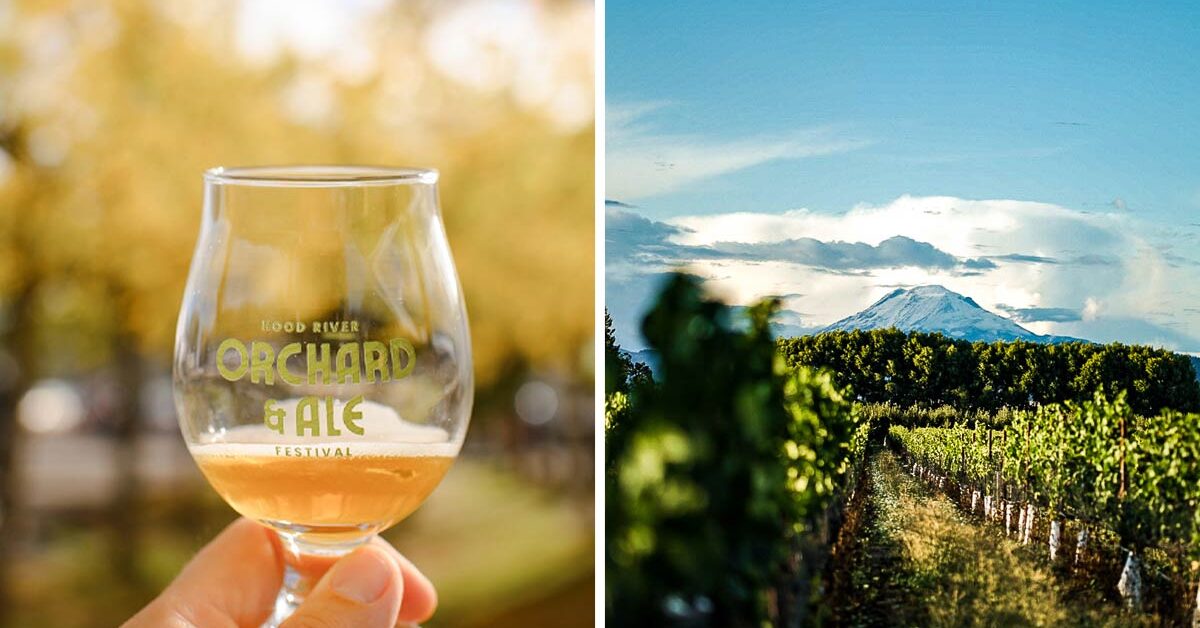
The Columbia River Gorge, a massive canyon carving through the Cascade Mountains, served as the backdrop for the inaugural Hood River Orchard and Ale Festival, an event designed to celebrate the intersection of Oregon’s rich agricultural heritage and its globally recognized craft brewing industry. Held on the Hood River waterfront, the festival highlighted the unique environmental and geological factors that have transformed a small town of approximately 8,000 residents into a premier destination for zymurgy. While the event showcased a variety of regional products, it also underscored the logistical challenges and triumphs of hosting a large-scale festival in a region known for its high-velocity winds and rugged terrain.
Environmental Dynamics and the Columbia River Gorge
The festival’s location on the banks of the Columbia River provided more than a scenic vista; it offered a direct encounter with the "wind tunnel" effect characteristic of the Gorge. This geological feature, created by the pressure gradient between the Pacific coast and the arid eastern deserts, creates steady gusts that have made Hood River a global capital for windsurfing and kiteboarding. During the festival, these winds necessitated a shift in consumer behavior, as attendees opted for heavy, durable glassware—such as the traditional tulip glass—over lightweight plastic alternatives that were susceptible to the elements.
Beyond the wind, the geographic makeup of the Hood River Valley is fundamental to the quality of the beer produced there. Unlike many regions that rely on treated municipal water or river water, Hood River breweries draw from the Hood River watershed. This water originates as snowmelt from the 14,000-foot peaks of the Cascade Mountains. As the water descends, it undergoes a natural filtration process through layers of volcanic basalt rock. This results in a soft, mineral-rich water profile that is ideal for brewing, particularly for delicate styles like pilsners and lagers that require a clean, neutral base to allow hop and malt profiles to emerge.
A Chronology of Hood River Brewing
The development of the Hood River brewing scene reflects the broader trajectory of the American craft beer movement, beginning with early pioneers and evolving into a diverse ecosystem of specialized producers.
The Foundation: Full Sail Brewing Co. (1987)
The industry in Hood River was anchored in 1987 with the founding of Full Sail Brewing Co. As one of the original craft breweries in the Pacific Northwest, Full Sail utilized a converted cannery to establish its operations. The brewery was a pioneer in sustainable practices and helped define the "Northwest Style," characterized by the use of regional ingredients. Its Full Sail Amber Ale remains a benchmark for the style, though the brewery has continued to modernize, incorporating contemporary West Coast and Hazy IPA profiles into its portfolio to remain competitive in a changing market.
The Middle Era: Double Mountain Brewery (2007) and pFriem Family Brewers (2012)
Two decades after Full Sail opened, Double Mountain Brewery established itself in downtown Hood River. Founded in 2007, Double Mountain became known for its commitment to traditional brewing methods and its unique bottle-reuse program, which aligns with Oregon’s environmental mandates. The brewery’s focus on hop-forward ales, such as the Fresh Hop (Strata) Iowa Bar Fight IPA, utilizes the proximity of the Willamette Valley, one of the world’s most productive hop-growing regions.
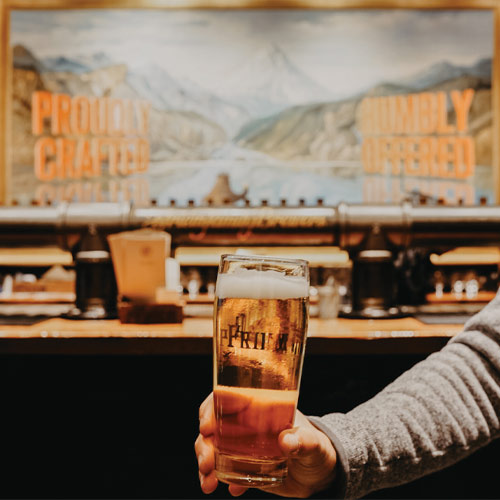
In 2012, pFriem Family Brewers launched on the waterfront, marking a shift toward Belgian-inspired and European-style lagers. pFriem has since grown into a regional powerhouse, garnering national acclaim for its technical precision. The brewery’s tasting room serves as a hub for both locals and tourists, offering fresh-hopped iterations of classic styles, including floral pilsners and bready Czech Dark Lagers.
The Modern Expansion: 2020–2025
The brewing scene has continued to expand despite the economic challenges of the early 2020s. Ferment Brewing Company, located near the waterfront, represents the modern "farmhouse" approach to brewing. By utilizing local terroir and experimental fermentation techniques, Ferment produces beers like the Lost in Fragaria, a sour ale brewed with Oregon strawberries, which bridges the gap between the valley’s orchards and its breweries.
In 2023, Hood River Brewing Company joined the downtown landscape, offering an eclectic range of styles, including Mexican Amber Lagers. This was followed in 2025 by the opening of The Walled Garden, a public house established by Kings & Daughters Brewery. This addition highlights the trend toward specialized "taproom-first" models that prioritize community engagement and a rotating selection of refined lagers and IPAs.
Agricultural Synergy: The Orchard and the Ale
The "Orchard" component of the festival’s name is a reference to the Hood River Valley’s status as a leading producer of pears and apples. The valley contains thousands of acres of orchards, and the synergy between fruit production and fermentation is a significant driver of the local economy.
Data from the Oregon Department of Agriculture suggests that the integration of value-added products—such as craft beer and cider—into the agricultural supply chain has increased the resilience of small-scale farms. By utilizing local fruit in seasonal releases, Hood River breweries create a distinct "sense of place" that cannot be replicated elsewhere. This connection to the land is a primary factor in the town’s high concentration of breweries per capita, which is among the highest in the United States.
Supporting Data and Economic Impact
The craft brewing industry in Oregon is a multi-billion dollar sector. According to the Oregon Brewers Guild, the industry contributes more than $2.3 billion to the state’s economy and supports over 50,000 jobs. In Hood River, the impact is even more concentrated. Tourism driven by the "beercation" trend accounts for a substantial portion of the city’s annual revenue.
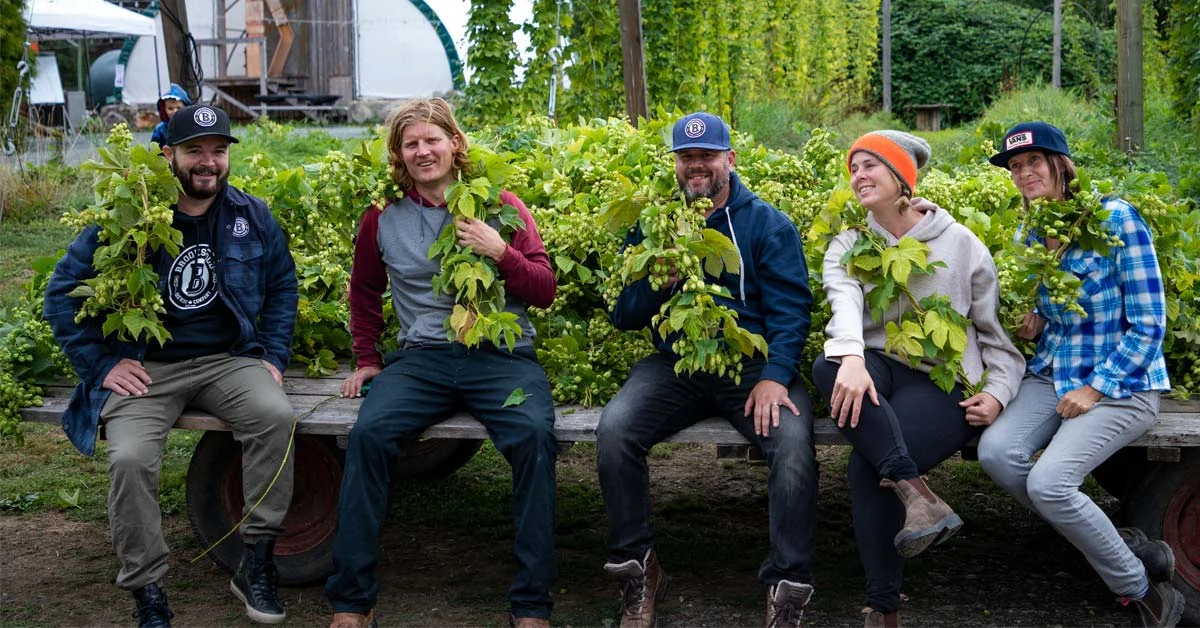
The Hood River Orchard and Ale Festival was conceived as a way to formalize this tourism draw, centralizing the region’s offerings into a single event. Organizers noted that the festival was designed to highlight the "soft" water of the Cascades and the "fresh" hops of the Willamette Valley, two resources that give Oregon brewers a competitive advantage. The proximity to the Willamette Valley allows brewers to obtain "wet hops"—hops that are harvested and used within 24 hours—which are a centerpiece of the festival’s seasonal offerings.
Technical Analysis of Regional Styles
The breweries of Hood River are noted for their mastery of specific technical styles, often dictated by the local water chemistry.
- Bottom-Fermented Lagers: Operations like Working Hands Fermentation, located at the higher elevations of the town, have specialized in lagers. Their Night Shift Schwarzbier is a prime example of the "dark yet light" profile that requires precise temperature control and high-quality water to avoid astringency.
- Farmhouse and Wild Ales: The use of local fruit and native yeasts is a hallmark of the region’s sour programs. The inclusion of Oregon strawberries or cherries into the fermentation process requires a deep understanding of microbiology to balance acidity with malt sweetness.
- Fresh-Hop IPAs: Because Hood River is located less than 100 miles from the heart of American hop production, the town’s breweries are able to produce fresh-hop beers that maintain the volatile aromatic oils lost during the drying process.
Official Responses and Broader Implications
Industry analysts suggest that festivals like the Hood River Orchard and Ale Festival are essential for the survival of craft brands in an increasingly crowded market. By creating an experiential connection between the consumer and the source of the ingredients, breweries can foster brand loyalty that persists beyond the festival grounds.
Local officials have expressed support for the expansion of these events, noting that they encourage "shoulder season" tourism in October, after the peak summer windsurfing season has concluded but before the winter ski season begins at Mount Hood. The success of the inaugural event indicates a strong appetite for agricultural-based tourism that focuses on quality and regional specificity.
The implications for the broader craft beer industry are significant. As consumers move away from mass-produced products toward local, sustainably sourced beverages, regions like the Columbia River Gorge are positioned to lead. The combination of pristine natural resources, a history of pioneering breweries, and a new wave of innovative producers creates a robust model for regional economic development through fermentation.
Future Outlook
Looking forward, the Hood River brewing community faces the challenge of maintaining its "small-town" identity while managing its global reputation. The limited footprint of the downtown area and the environmental protections governing the Columbia River Gorge National Scenic Area mean that growth must be managed carefully.
However, the continued investment in new spaces, such as Working Hands Fermentation and The Walled Garden, suggests that the market has not yet reached saturation. As long as the Cascade snowmelt continues to provide pure water and the Willamette Valley continues to produce world-class hops, Hood River will likely remain at the forefront of the international craft beer conversation. The Hood River Orchard and Ale Festival is expected to become an annual fixture, serving as a recurring testament to the region’s unique ability to turn water, wind, and soil into a world-class industry.